Author: Mohammed Rujel

  • From Water to Sunlight: The Raw Materials for Photosynthesis

    From Water to Sunlight: The Raw Materials for Photosynthesis

    Animals get their energy from consuming food such as meat and vegetables; then it is converted into energy for our body as we digest the food. Have you ever wondered where plants get their energy from? Turns out that plants make their food by taking in raw materials, and the process is called photosynthesis. And the ability to make their own food is a sign of plants being sentient.

    This must have left you wondering, what are the raw materials for photosynthesis? They are water, sunlight, and carbon dioxide. Here, we will be discussing the details of photosynthesis, and its importance. So, let us take a quick dive into the world of botany and get answers to our questions!

    What Are the Raw Materials for Photosynthesis?
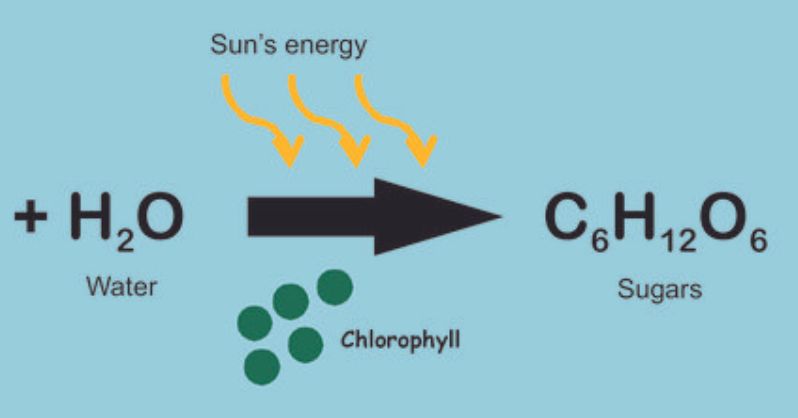
    What are the Raw Materials for Photosynthesis

    Let us clear out your primary concern first. Plants only require 3 raw materials for photosynthesis and they are sunlight, water, and carbon dioxide. Humans usually don’t need to give the plants any of these raw materials, except if you have house plants you will need to give them their supply of water. 

    Carbon Dioxide’s Role in Photosynthesis

    Carbon Dioxide’s Role in Photosynthesis

    Carbon dioxide is an essential raw material during photosynthesis. Through the process of photosynthesis, the plant creates glucose molecules, and the carbon dioxide molecules are reduced to glucose molecules. 

    This means that carbon dioxide has the role of taking electrons from the electron source to help form the glucose molecules. Thus, Carbon dioxide is the oxidizing agent in photosynthesis. Furthermore, the carbon from this compound is used to make glucose. 

    It should also be noted that carbon dioxide has an important job during the light-independent phase of photosynthesis. 

    Sunlight’s Role in Photosynthesis
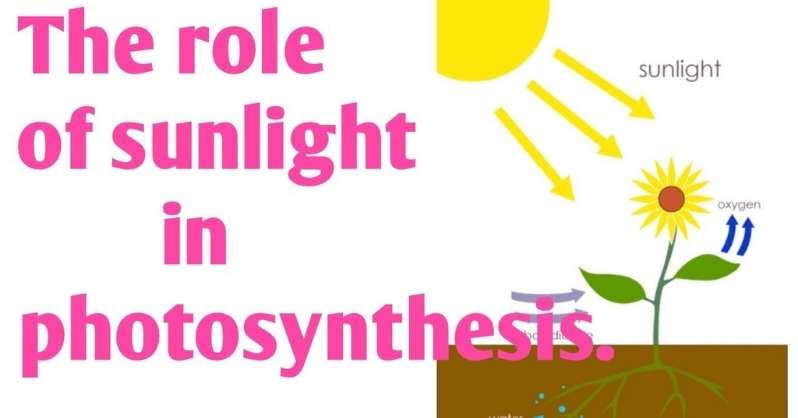
    Sunlight’s Role in Photosynthesis

    Most plants require a decent amount of exposure to sunlight because it is a very important material for photosynthesis, and without it, plants would not be able to survive. Plants absorb sunlight that shines on them and use the energy they catch from the sunlight to carry out the reaction between water and carbon dioxide to produce simple sugars like glucose. 

    Sunlight plays an essential role in photosynthesis, and this can be seen when plants do not get proper exposure to sunlight. In the case where a plant gets insufficient sunlight, the rate of photosynthesis will decrease, and plants will have less energy to grow. The absence of sunlight for long periods will cause the plant to die. 

    Water’s Role in Photosynthesis

    Water’s Role in Photosynthesis

    Water is the second raw material that participates in a chemical reaction inside the plant during photosynthesis. As we have said before, water reacts with carbon dioxide to produce glucose. We will show you the chemical equation for photosynthesis further ahead in the article when we discuss the process of photosynthesis in detail. 

    During the range of biochemical reactions, water acts as the reducing agent as it acts as a source of electrons. The electrons donated by the water molecules result in the binding of the H atom, which also comes from water and the carbon from carbon dioxide. The oxygen in water molecules (H2O), is released into the atmosphere during photosynthesis as oxygen gas. 

    Another way in which water acts as the reducing agent is when it gives away H+ ions to turn NADP into NADPH. NADPH is an essential reducing agent that is needed in the chloroplasts of plant cells. 

    What are the Sources of the Raw Materials?

    Sources of the Raw Materials

    The first stage of photosynthesis is when all the raw materials are absorbed by the plant. So, you must know all the sources of light, water, and carbon dioxide. 

    Source of Carbon Dioxide

    Firstly, let’s take a look at the sources of carbon dioxide. As you must know, our atmosphere contains carbon dioxide. Although it is not a large percentage (0.04% to be exact), our atmosphere still acts as the primary source of Carbon dioxide for photosynthesis. 

    You might not have known this, but plants also absorb a very small portion of the carbon dioxide for photosynthesis from the ground. Aquatic plants, on the other hand get carbon dioxide in the form of bicarbonates. 

    Source of Water

    There could be many sources of water; for example, the plant could get water from rainfall, a person may regularly water the plant, etc. However, to give a broader answer for what the source of water is we will have to say soil. This is because the plant absorbs water from the soil regardless of how the water gets into the soil. 

    Source of Sunlight

    We think we don’t need to elaborate much on what the source of sunlight is because the answer is in the title! Most plants get light energy from the sun. Some indoor houseplants are exceptions to this case because some plants get their light from different types of artificial lights. 

    The Process of Photosynthesis

    Process of Photosynthesis

    Before we say anything, let’s take a look at what photosynthesis means.  Photosynthesis happens when green plants convert sunlight into energy that can be used by the plant as food. The plant needs carbon dioxide, and water for completing the process. 

    Taking in All the Raw Materials

    Now, how do they obtain these raw materials? By osmosis, water travels into the root hair cells of the plant, and then through the uptake of water, the water is transported to all the places that are required. 

    As you have seen, most plants tend to have a green pigment. This is because of a molecule called chlorophyll. Chlorophyll is present in organelles called chloroplasts which are found most abundantly in leaf cells. As sunlight shines directly onto the leaves, the chlorophylls capture the light energy. Blue and red light are mostly absorbed, and green light is reflected away. 

    If you put a leaf under the microscope, you will see many tiny pores on its surface, and they are called stomata. As you know, carbon dioxide is taken in from the atmosphere. So, the stomatal pore opens and closes depending on when the plant inhales and exhales. The opening and closing of the stomata are done by guard cells.

    Reactions

    Now that we have looked at how the raw materials are obtained, let’s see how they react. We have said initially that sunlight provides the energy for the reaction between carbon dioxide and water to happen. The chlorophyll traps light energy and converts it into chemical energy, which is then used for some reactions during photosynthesis. ATP and NADPH are forms of chemical energy. 

    The reactions that take place to convert the light energy to ATP and NADPH are called light-dependent reactions. Similarly, the reactions that take place in the absence of light are known as light-independent reactions. Light-independent reactions form the Calvin cycle. 

    In the Calvin cycle, the chemical energy from the sunlight is used to create simple sugars such as glucose from carbon dioxide and water. In the photosynthesis equation, 6 molecules of carbon dioxide combine with 6 molecules of oxygen to produce 1 molecule of glucose and 6 molecules of oxygen. 

    The photosynthesis equation:

    6CO2 + 6H2O → C6H12O6 + 6O2

    What Products Does Photosynthesis Produce?

    Many products are produced in the reactions during photosynthesis, but only the direct products are our concern. From the photosynthesis equation above, you can already see what the direct products are: glucose and oxygen. 

    Glucose which is a sugar and a carbohydrate, is then broken down into other compounds to give the plant the required energy. These products are indirect products. The oxygen produced is released into the atmosphere as the plant exhales. 

    Why Photosynthesis is Vital for Plants?

    It is without a doubt that we can say that plants cannot survive without photosynthesizing. This is the only source of food for most plants, carnivorous plants being the exception. The glucose that is produced from this process is then broken to give energy to the plant so it can carry out its regular life functions. Furthermore, glucose is also stored in the plant as starch.

    Related Posts:

    What Is Plant Embryo? Everything You Need to Know

    Do Plant Cells Have Ribosomes? Role & Importance

    Do Plant Cells Have Cytoplasm? Find The Answer Now

    Do Plant Cells Have Chloroplasts? Everything You Need to Know

    What Does a Stem Do For A Plant? Learn About Functions of Plant Stems

    Final Words

    Photosynthesis is a fascinating process. The way that the plant obtains all the raw materials and then various reactions take place in the correct order for glucose to be produced seems magical and interesting. 

  • Do Plant Cells Have Chromosomes? Find Out Everything Here

    Do Plant Cells Have Chromosomes? Find Out Everything Here

    The plant cell is a unique mystery containing myriad organelles. These organelles have a multitude of different structures which are responsible for certain functions within the plant cell. One of these structures is the chromosome which resides in the organelle called the nucleus. 

    Chromosomes are known as the physical basis of heredity, which is why they are considered one of the most important structures in animal cells. But, does a plant cell have a chromosome? Obviously, they do. Keep reading to find out about their role in plant cells.

    What Are Chromosomes?

    Chromosomes

    Chromosomes are an integral part of organelles called the nucleus. In fact, chromosomes form the center of the nucleus and are responsible for many functions within and outside the cell. 

    To be more specific, a chromosome is a stringy structure of the cell’s nucleus that houses DNA, histone, and structural proteins of the cell. It constitutes an aggregation of genes that are responsible for the passage of hereditary traits and characteristics. The incorporation of chromatin during cell division paves the way for forming a chromosome. This incorporation takes place in the nucleus of the cell. 

    Besides, chromosomes also bear genetic code that takes part in the synthesis of protein. No cell can function without protein, and this is where chromosomes take the upper hand. By producing proteins necessary for cell survival, chromosomes play a huge role in cell sustenance. These proteins are important for regulating vital processes and delivering cell and tissue support. 

    Structurally, chromosomes look like threads or coils and bear two arms connected with the help of a centromere. The two arms are known as ‘p’ and ‘q’ arms, where the shorter one is the ‘p’ arm and the longer one is the ‘q’ arm. Chromosomes also have an end point or terminal region called the telomere. There are secondary constrictions and an elongated segment called a satellite in a chromosome.

    With a complex structure that deals with so many functions, a chromosome can be regarded as one of the most vital aspects of a cell.

    Do Plant Cells Have Chromosomes? 

    Do Plant Cells Have Chromosomes

    Of course, plant cells have chromosomes. In fact, chromosomes are the most crucial part of plant cells. 

    Most people assume that chromosomes are an integral part of animal cells only. So, why do plant cells have chromosomes? This is because plants are categorized under Eukaryotes. Any cell that contains a well-defined and functional nucleus falls under the heading of Eukaryote. Since plant cells have a clearly defined nucleus, they contain chromosomes as well.

    Just like animal cell chromosomes, plant cell chromosomes undergo vital processes like replication and segregation. Besides, plant cells require nucleic acids like DNA (deoxyribonucleic acid) and RNA (ribonucleic acid) to maintain the cell life. These nucleic acids are housed by the mighty chromosome. Both DNA and RNA have vital roles in cell reproduction and survival.

    DNA plays role in the transmission of characteristics from parent plants to offspring, whereas RNA plays a role in the synthesis of proteins necessary for cell sustenance. Plant cells cannot function without chromosomes, and they are thus called hereditary vehicles in plants.

    How Do Plant Chromosomes Compare To Animal Chromosomes 

    Although the functions are almost similar, there are still many differences between plant and animal chromosomes.

    In plant chromosomes, cell division occurs with the help of a method called cell-plate whereas, in animal chromosomes, the method is called cytokinesis.

    Chromosomes in plants can be easily modified compared to animal cells. This is why recombination is relatively easy with plant chromosomes in comparison to animal chromosomes.

    Although the numbers vary for each plant and animal, usually, plant chromosomes are less in number than animal chromosomes.

    Despite having these differences, both the chromosomes function equally when it comes to supporting cell survival and maintenance.

    How Many Chromosomes Do Plant Cells Have? 

    How Many Chromosomes Do Plant Cells Have

    The number of chromosomes is different for each plant cell. Some plant cells have a huge number of chromosomes, while some have very few of them. The reason behind this variation in the number of chromosomes is due to the different errors in fertilization or cell division processes. This error is particularly known as polyploidy.

    Among the crop plants, rice has 24 chromosomes, wheat has 42 chromosomes, maize has 20 chromosomes, and barley has only 14 chromosomes. On the other hand, sugarcane has almost 80 chromosomes, whereas cotton has 56 chromosomes.

    Fern has the highest number of chromosomes, amounting to almost 1440, while Haplopappus gracilis has merely 4 chromosomes. 

    What Do Chromosomes Do? 

    What Do Chromosomes Do

    Chromosomes perform crucial functions in a plant cell. Let’s have a look at some of them-

    Hereditary Transmission

    The main function of chromosome in plants is to bear genetic information from one generation to another. This hereditary transmission takes place through genes. So, what genetic information does a chromosome carry? From the length of the plant, its height, its flower and fruit color, shape, and so on- every information is decoded within the genes. In fact, the chromosome is also responsible for the expression of different traits within the plant that have been transmitted from its previous generations. 

    Determining the sex of the plant

    Just like animal cells, chromosomes are also responsible for determining the sex of a plant. However, this is slightly different in the case of plant cells. Animal cells usually have one specific gender. But plants can be either male or female or have both sexes present in the same plant. Based on this feature, plants can be either monoecious or diecious. 

    Chromosomes in plants are usually responsible for the expression of reproductive parts. 

    Plant Adaptation

    Chromosomes in a plant cell also determine the life and sustenance of a plant in a specific environment. Plant cells have been genetically modified in such a way that they can thrive in certain environmental conditions. Some plants can live in soils with very low nitrogen content, while other plants need a decent amount of nitrogen in the soil to survive. 

    On the other hand, some plants can live underwater while some plants can survive in terrestrial as well as barren lands. This cellular adaptation in plants is all due to their chromosomal configuration. 

    Protein synthesis

    Chromosomes are also responsible for manufacturing proteins that are necessary for cell survival. Plant cells contain chromosomes that bear genes for the expression of certain proteins. These proteins are necessary for the function of different enzymes and hormones. In plant cells, hormones and enzymes have roles in different physiological processes. Without chromosomes, these enzymes and hormones would’ve stopped functioning, with the physiological processes coming to a halt.

    Hence, starting from the genetic transmission to conducting vital processes in a plant cell, a chromosome has an indispensable role in a plant cell.

    How Are Chromosomes Structured? 

    How Are Chromosomes Structured

    Chromosomes have a very unique and complicated structure

    In plant cells, the chromosome bears 3 main parts- a centromere, a telomere, and the arm region. The centromere is also known as the primary constriction that is responsible for creating an attachment with the spindle during cell division.

    The telomere is the hindmost portion of the chromosome, whereas the arm region is a combination of two arms connected by the centromere. Now, the smaller arm is known as the ‘p’ arm, while the bigger is termed as the ‘q’ arm. Telomere is a constitution of tandem repetitions of small DNA remnants. On the other hand, the arms are responsible for forming tandem repetitions of base sequences. The arms also take part in creating dicentric chromosomes.

    Apart from a primary constriction, chromosomes bear secondary constrictions that take part in the generation of nucleoli in a nucleus. There is a disc-shaped structure called kinetochore in the chromosome, which takes part in the polymerization of tubulin proteins. These proteins later play role in the formation of microtubules in the cell.

    Chromosomes also contain vital structures called chromatin which is constituted by DNA, RNA, and different proteins. Chromatin can be classified into heterochromatin and euchromatin. Heterochromatin is the compact and deep portion, while euchromatin is the lighter portion of chromatin. 

    Despite having a complex structure, chromosomes still manage to deliver a top-notch performance in the cell survival game.

    Types Of Plant Chromosomes 

    There are mainly two types of chromosomes in plants- sex chromosomes and autosomes. 

    Like the name suggests, the sex chromosome is responsible for the determination of sex in plants. It determines whether the plant will be male, female, or have a combination of both reproductive parts.

    On the other hand, autosomes in plants are responsible for the expression of different traits like height, length, shape, color, and so on.

    Both of these chromosomes are responsible for the unique and diverse characteristics noticed in the plants. 

    Is Chromosome The Reason Behind Incredible Diversity Of Plants? 

    Chromosome is definitely one of the main reasons behind the incredible diversity of plants.

    What makes a plant diverse and unique? It’s different physical attributes and traits. 

    And how do these traits modify over time and give the plants a unique appearance? Through chromosomal configuration. 

    As a matter of fact, chromosomes have been responsible for bringing out the best in plants. With the help of chromosomal constitution and genetic modifications, plants have been expressing their different traits with each generation. With each generation, the different traits of a parent plant get expressed in the offspring bringing diversity to the environment. 

    Besides, the crossing over of chromosomes in meiosis cell division helps in the expression of random genetic combinations from both sets of parents. As a result, there is an assertion of genetic diversity. 

    Can Plant Chromosomes Adapt To Changing Environments? 

    Yes, as a matter of fact, the reason behind the adaptation of plants to changing environments is due to their genetic constitution.

    Plants can adapt to different changing environmental conditions due to their chromosomal configuration. The structural changes in a chromosome are responsible for variation and evolution. 

    Plant chromosomes can adapt to changing environments due to these structural changes. The changes allow them to thrive in certain environmental conditions and adapt to the transformations in each environment.

    Related Posts:

    From Water to Sunlight: The Raw Materials for Photosynthesis

    What Is Plant Embryo? Everything You Need to Know

    Do Plant Cells Have Ribosomes? Role & Importance

    Do Plant Cells Have Cytoplasm? Find The Answer Now

    Do Plant Cells Have Chloroplasts? Everything You Need to Know

    Conclusion 

    Wrapping up the article, it can be said that plant chromosomes are responsible for some of the most vital functions in a plant cell. Starting from the transmission of heredity to their crucial role in the diversity of plants, chromosomes have been playing a vital part in the existence of plants. 

  • Grafting Plants: Examples And Guide to Get You Started

    Grafting Plants: Examples And Guide to Get You Started

    Plant grafting has been one of the most useful and effective methods for growing new plants. This method has been recognized as one of the best methods for creating disease-resistant plants, especially with desired characteristics.

    If you’re an avid gardener and you love trying out unique methods for growing plants, grafting can be one of the most efficient methods for you. Keep reading to find out all about this amazing method and some grafting plants examples.

    Be with us till the end and you’ll know it was worth your time.

    What Is Grafting Plant?

    Plant grafting is simply a horticultural method where two or more plant portions are united together to continue growing as an individual plant. In other words, it is a vegetative propagation method for two related plants called scion and stock.

    So, what are scion and stock?

    Scion is the plant portion used for flowers, fruits, and leaves, whereas stock is the plant portion used for the roots. Usually, the stock is derived from a plant with a well-developed root system. 

    The stock should also be from a disease-free plant with optimum strength and one that can grow in an adequate environment.

    Meanwhile, the scion is derived from a plant that has remarkable features in terms of appearance. Scion is taken from plants with attractive flowers, beautiful leaves, and delicious fruits. 

    The combination of these two plant portions gives rise to a new and unique plant. And the process behind it is called grafting.

    However, many people confuse grafting with hybridization. Graft obtained through grafting is not the same as a hybrid. Unlike hybridization, the union of stock and scion results in the growth of graft as a single plant. 

    The graft mainly consists of roots belonging to the stock and the leaves, flowers, fruits and branches belonging to the scion. 

    Why Is Grafting Done?

    So, why is it done? There are plenty of reasons behind it. Mainly, grafting is done to preserve the characteristics of two different plants in a single plant. In this way, you can get your desired characteristics in one plant.

    Through grafting, we can control the size of a plant. We can keep the length short or increase the plant in terms of length and width with the help of grafting. Besides, grafting can also help in achieving desired style and shape of the plant. It plays a role in boosting the tree anchorage and provides resistance against stress.

    Moreover, grafted plants can also undergo grafting with various species on a single stock to create diversity. 

    Grafting is an excellent method of growing plants that have no tendency to develop from cuttings or have slow rate of producing fruits. Through grafting, you can now obtain your desired characteristics in a single plant. 

    An Infographic of Top 5 Examples Of Plants That Are Commonly Grafted

    Examples Of Plants That Are Commonly Grafted 

    Now that you know all about grafting let’s have a look at some of the plants that undergo grafting on a frequent basis. 

    Most of these plants are common fruits and flowers around us. Due to this availability and easy accessibility, these plants are chosen commonly for grafting purposes.

    Mango Tree

    Mango Tree grafting plant

    Binomial name: Mangifera indica

    Scientific Classifications: 

    Kingdom:    Plantae

    Clade:    Tracheophytes

    Order:    Sapindales

    Family:    Anacardiaceae

    Genus:    Mangifera

    Species:    M. Indica

    Grafting methods that work with mangoes include wedge grafting, chip grafting, and veneer grafting. Another grafting method that is successful with mangoes is whip grafting. 

    However, among all the methods, veneer grafting is the best option for mangoes. Veneer grafting in mangoes improves the taste and size.

    Wedge grafting also improves the quality of the planted tree. Moreover, through wedge grafting, the scion and stock growth increase remarkably. 

    Through these grafting methods in mango, the fruits grow faster, and the quality of the fruits remains the same for many years.

    Apple

    Apple tree grafting

    Scientific Name: Malus domestica

    Scientific Classifications: 

    Kingdom:    Plantae

    Clade:    Rosids

    Order:    Rosales

    Family:    Rosaceae

    Genus:    Malus

    Species:    M. Domestica

    Popular grafting methods for apples include whip grafting, tongue grafting, cleft grafting, and roots grafting. However, the most popular grafting method for apples is cleft grafting. 

    Most of the apples that undergo grafting resemble to crab apples. Apples achieve complete grafting by the end of winter. Grafting occurs in apples when both the stock and scion remain in a dormant condition.

    Hawthorn

    Hawthorn grafting

    Scientific Classifications: 

    Kingdom:    Plantae

    Clade:    Tracheophytes

    Order:    Rosales

    Family:    Rosaceae

    Subfamily:    Amygdaloideae

    Genus:    Crataegus

    Hawthorn can be grafted using the veneer grafting method. Plants that can be grafted onto hawthorn include quince, medlar, pears, etc. The rootstock can be obtained from crab apples.

    Redbud

    Redbud grafting

    Scientific Name: Cercis canadensis

    Scientific Classifications:

    Kingdom:    Plantae

    Clade:    Angiosperms

    Order:    Fabales

    Family:    Fabaceae

    Genus:    Cercis

    Species:    C. Canadensis

    Grafting redbud plants is quite difficult, but with the help of the pot-grafting method, the process can become relatively easier. Late July to early August is the most suitable time for grafting redbuds. The success rate for obtaining effective redbud grafts is quite high, and the results are amazing!

    Roses

    Rose grafting

    Scientific Name: Rosa rubiginosa

    Scientific Classifications: 

    Kingdom:    Plantae

    Clade:    Eudicots

    Order:    Rosales

    Family:    Rosaceae

    Genus:    Rosa L.

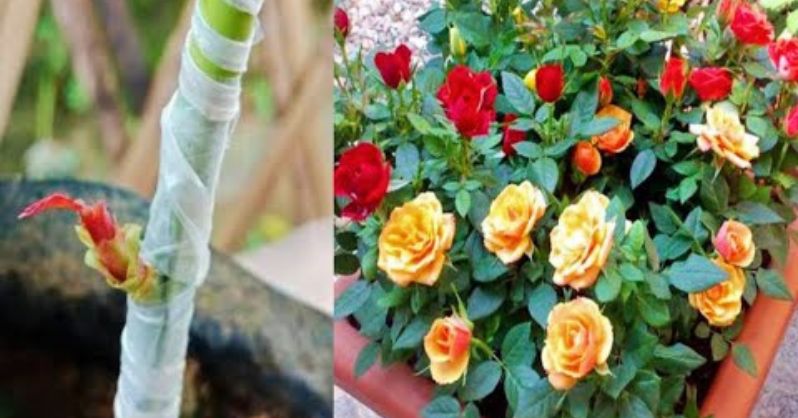
    Roses can be grafted using the T-tube budding or veneer grafting method. Using these grafting methods produces healthy and disease-free new plants. The grafted plants turn out to be unique and attractive. Also, you can cultivate roses as perennials.

    Hibiscus

    Hibiscus plant grafting

    Scientific Name: Hibiscus Rosa-Sinensis

    Scientific Classifications: 

    Kingdom:    Plantae

    Clade:    Angiosperms

    Clade:    Eudicots

    Order:    Malvales

    Family:    Malvaceae

    Subfamily:    Malvoideae

    Genus:    Hibiscus L.

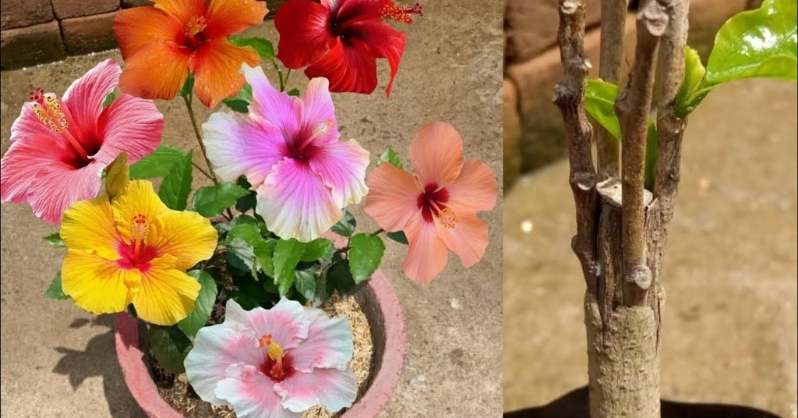
    The most common grafting method in a flowering plant like hibiscus is side wedge grafting. Under optimum conditions, plants grow quickly after undergoing this type of graft.

    Veneer grafting is another popular grafting method for hibiscus. During the early summer, this grafting method can be used in hibiscus plants. Other popular grafting methods for hibiscus include tip or saddle grafting, cleft grafting, and saddle wedge grafting. 

    Dogwood

    Dogwood grafting

    Scientific Classifications: 

    Kingdom:    Plantae

    Clade:    Angiosperms

    Clade:    Asterids

    Order:    Cornales

    Family:    Cornaceae

    Genus:    Cornus L.

    If you’re new to grafting, a dogwood tree can be a challenging one. However, through grafting, you can obtain your desired color of flowers. You can graft dogwood trees to achieve the pink blooms. Besides, you can also achieve a combination of both pink and white flowers in a single tree with the help of grafting.

    Winter is the best season to graft a dogwood plant since both the stock and scion remain in dormancy.

    The Different Methods of Grafting 

    Different Methods of Grafting 

    There are different methods of grafting. Let’s have a look at some of these methods-

    Side Veneer Grafting

    Side veneer grafting is the most commonly used grafting method for plants. It is done especially for grafting plants that require a top-notch root system.

    Saddle Grafting

    Saddle grafting is another popular grafting method, especially for beginners. It is a relatively easy method, and it involves grafting with the help of a scion and stock of similar diameters.

    Bark Grafting

    As the name suggests, this grafting method involves the slitting of the bark. It is done when the bark remains slick and viridescent. 

    Bridge Grafting

    This method of grafting is by far the most useful method for repairing damaged or weak plant. With the help of this method, nutrients and water can transport to the weak portion.

    Splice Grafting

    Splice grafting requires the scion and stock to be of the same diameter and the diameter of the stem to be less than or equal to half an inch. 

    Inarch Grafting

    This grafting method is also very effective for damaged or weak portions of plants. Through this method, the weak and damaged parts of the plants are supported and repaired thoroughly.

    Cleft Grafting

    This is one of the most popular grafting methods out there. It is an excellent method for trees and plants bearing fruits and flowers. Grafted plants, as a result of cleft grafting, retain the desirable characteristics of the scion.

    Whip and Tongue Grafting

    In this type of grafting, the size of the scion and stock is usually identical. It is a common grafting method for woody ornamental plants like dogwood, hydrangea, jasmine, and willow.

    History Of Grafting

    So, how did grafting come into the picture?

    According to some speculations, grafting originated in ancient Mesopotamia. Other speculations conclude that grafting started in Eurasia. While some believe as china being the founder of the art.

    However, the majority of the sources have identified Ancient Greece and Persia to be the original grounds for grafting. Aristotle and Theophrastus wrote about grafting, while Paul the Apostle discussed grafting between olive plants. By 16t century, different types of grafting took place in many parts of England. Later, grafting became popular in different countries of the world.

    Advantages And Disadvantages Of Grafting

    Like everything else, grafting has its own pros and cons. Let’s have a look at some of the advantages and disadvantages of grafting-

    Advantages

    • Grafting reduces the time to produce fruits or flowers
    • You can repair damage to your existing plants and trees through grafting
    • Grafting provides resistance to different diseases in the new plant
    • Through grafting, the height and style of the scion become convenient for fruit harvest
    • With the help of grafting, the cultivated varieties can preserve their desirable characteristics.
    • Grafting is an excellent method for producing unique varieties of plants with exceptional traits
    • Harvest period gets extended due to plant grafting
    • There is enhanced water and nutrient uptake in plants due to grafting
    • Grafting build a tolerance to nematodes, wet soil, high and low temperature

    Disadvantages

    • Grafting requires experienced labor
    • It can be an expensive method due to the high price of seedlings
    • There may be alteration in the fruit quality in terms of taste and shape
    • Grafting can result in a failure in case of inappropriate stock and scion combination

    Final Words

    Overall, plant grafting is an excellent method for producing new plants which are tougher and more prolific. Plants produced through grafting turn out to be resistant to different pests and diseases. Due to its numerous advantages, grafting is becoming hugely popular among floriculturists. 

  • What To Plant Along The Fence Line? Beautiful Fenceline Flowers & Shrubs

    What To Plant Along The Fence Line? Beautiful Fenceline Flowers & Shrubs

    Trees can make the environment so much better. It has functions ranging from beautification and making the world that much better to solving catastrophes like global warming and drought.

    So, planting trees has become a responsibility for us. And for that, one of the best spots is along the fence line. Today you will know what to plant along the fence line and why the fence line is a great spot for plantation.

    Why Go For Fence Line Plantings?

    Why Go For Fence Line Planting

    There are many good reasons why you should choose to plant trees along the fence line of your home out of all the other locations. 

    Protects privacy

    Plants along the fence line can strengthen the fence of your home and yard. They will block the view of your property from any outsider, including the passersby and the neighbors—giving you all the privacy you need.

    They can also play a role as the borders of your yards and home, making sure that no stranger is getting unknowingly. Overall, trees on the line of the fence are great for security and privacy purposes.

    Windbreaker

    One of the best windbreakers that you can get for your time and money are the plants you can grow on your fence line. They will protect your home and yard from the high-speed wind coming toward.

    They will also act as a guard against dust and unexpected chemical particles that will be coming with the wind—giving your home a much safer environment for you to be in.

    It needs no telling that the city roads are full of noise and racket. And plants along the fence line can hugely decrease that noise by blocking it. 

    Increases aesthetic appeal

    Last but certainly not least, plants can be an excellent adornment for your house and increase the aesthetics of your home to a great degree.

    However, the increase in aesthetic appeal is just the cherry on top when it comes to all the reasons that you might want plants along the line of your fence. There’s no reason why anyone would not want a house with privacy and beauty both.

    What Kind Of Plants Are Best For Fence?

    What Kind Of Plants Are Best For This Purpose

    There are many types of plants that you can choose from when it comes to planting on the fence line. Let’s discuss them now!

    Evergreens

    Evergreens are plants that can keep their leaves throughout the year. Most plants are based on seasons and usually shed their leaves in the winter. But evergreens don’t shed, rather keep their leaves growing and green under proper care.

    And that is why evergreens can be great options for the fence line. The green plants will keep the outlook of the home beautiful all around the year while providing security and privacy at the same time.

    On top of that, most evergreens don’t require a lot of effort for maintenance after the first year of them being planted. So, if you want some great-looking plants putting the minimal effort, they can be great options.

    A great example of an evergreen plant for fence lines would be the American or eastern arborvitae. They can go up to 15 feet tall and live for 100 years—both great for being planted along the fence.

    Deciduous trees

    By definition, deciduous plants have a tendency to fall off or shed, especially in autumn—which means it isn’t going to be bright and vibrant in all seasons. But they are still amazing options for the fence line.

    The main feature of deciduous plants is that they are flowering plants. So, so some of them will be keeping the sight of your yard and home as beautiful as ever—when the flowers sprout in seasons.

    Again, they are not too sensitive. This means they don’t require an unreasonable amount of caring; after they have been planted. This is a great plus for being planted on the fence line since you wouldn’t need to worry excessively about keeping it alive.

    One of the best examples of a deciduous plant for fence lines would be the red maple. As beautiful as the red foliage is, the plant growing from 40 to 70 feet tall and the root being shallow makes it even better for the fence line.

    Shrubs 

    Shrubs are much smaller than trees in size and have a lot of stems arising close to the ground, near the stem. They can be great decor for the fence or the boundary of your house if planted along the fence line.

    Shrubs come in many forms, some are flowering, and some are even evergreen—keeping your fence line vibrant. However, due to being shorter in length, it can’t provide any privacy or act as a windbreaker as good as longer plants can.

    But on the upside, you are surely getting a type of shrub that you might like due to having so many options. Some of them are low-maintenance, while some variants would require more attention. You can select as per your needs.

    Overall, a fine example of shrubs would be Jasmine. The flowers are beautiful, and the scent is even prettier. They can be great embellishments for your fence line while creating a demarcated boundary for your yard.

    Annual and Perennial flowers

    Annual plants are the plants that live for a single growing season, and perennial plants grow every year in spring. They are used in a combination in most cases since annuals have a longer blooming period when compared to perennials.

    There are many annual and perennial plants that you can choose from based on your liking and demands. They differ in lengths as well, so you can create a mix of short and tall variants if you want to beautify your fence further.

    Annual plants live for a year, while the perennials don’t have any specific lifespan. Some perennials like pepper plant live for 3 to 4 years, while others can live for as long as a lifetime. So, due to the difference in lifespans, the maintenance can get a little complex.

    An example of a perennial plant would be the climbing rose which can grow up to 12 feet tall. And a great annual plant is cathedral bells which can grow a 4 feet tall if cared for properly. The mix of lengths can make them even prettier.

    How to choose the right plants for your fence line

    Some factors to help you choose the fenceline plants are:

    Sunny or shaded

    If you want a sunny yard, you need to let the light come in. For that, either choose plants that are a little shorter in height if that is more convenient. Choosing plants that stay a little distant from each other will also help since light can get in through that space.

    On the other hand, if you want a shaded yard, go for the plants that are tall enough to not allow the light to get in too much. And choose the plants that can stay really close to each other without issues. 

    Height of the fence

    How tall your fences are also a big factor that you need to consider while planting trees along the fence line. If you have taller fences, you can accommodate larger plants there. 

    But, if your fences are not tall, you might not be able to plant larger plants even if you want to—limiting your options by a little bit.

    How To Care For Your Plants Once They Are Planted?

    How To Care For Your Plants Once They Are Planted

    How to take care of it is totally dependent on the type of plant you have chosen to plant. If you have shrubs or annual and perennial plants, it is highly dependent on the plant you have chosen. For that, you will have to do plant-specific research.

    Evergreen trees are better off under the sun during summer and shaded during winter. Regular mulching and watering are to be done, especially in the winter. Proper fertilizers and pesticides should be applied as per needs.

    Deciduous plants are not hard to maintain either. Regular watering and mulching seem to do the job. But it will vary hugely from tree to tree.

    Conclusion

    Now, you should be able to make the best and the correct decision for yourself when you are looking to plant some on your fence line.

    The options are limitless when it comes to selecting the plants. After all, it all boils down to your taste and preference.

  • How Does A Cell Wall Protect A Plant Cell | A Barrier Against External Threats

    How Does A Cell Wall Protect A Plant Cell | A Barrier Against External Threats

    The cell wall is a permeable layer acting as the covering of the plant cell adjacent to the plasma membrane. It has many functions and plays one of the most vital roles in supporting the structure of the plant cell and protecting it.

    Its importance ranges from communication among cells of the plants to defending the cells from hostile pathogens. Basically, it is vital for the protection of the plants. 

    Today we talk about in detail about how does a cell wall protect a plant cell? But before that, let us know more about the cell wall itself.

    What Is A Cell Wall Made Of?

    What Is A Cell Wall Made Of

    The plant cell wall is a complex structure. They are made up of three layers, namely the primary cell wall, middle lamella, and secondary cell wall. They might vary depending on the needs of the plants.

    The main component of the cell wall is cellulose. It is a complex sugar and Glucose polymer. Cellulose plays a great role in both the structure and function of the cell wall.

    Middle Lamella

    The middle lamella is the outermost or the top layer in most mature plants. This flexible layer is shared by two adjacent cells, connecting the cells together and establishing communication. This also strengthens the structure of the plants.

    It is built up with pectins which makes the plant cell a lot stronger and gives it the ability to withstand a lot of compressions—protecting the cell from external pressure.

    The main components, however are Calcium and Magnesium Pectates. These are responsible for keeping the adjacent cells connected. There are also enzymes for helping the plant cell to adapt to situations.

    Primary Cell Wall

    There are a small amount of Glycoproteins and Polysaccharides in the primary cell wall. But in the cell wall of some plants, there are many other materials including Lignin, Suberin, Cutan, Cutin, and Silica. 

    The polysaccharides in the cell wall can also be categorized into three parts, namely Cellulose, hemicellulose, and pectins.

    Secondary Cell Wall

    The secondary cell wall is situated in between the plasma membrane and the primary cell wall. It stops producing after the primary cell wall is completed.

    This layer is made of Cellulose, Xylan, Lignin, and Glucomannan. All these play a big role in providing strength to the wall.

    It makes the cell wall really rigid and strong, increasing the compression strength of the plant cell—keeping it from getting damaged by mild squishing.

    These are the three layers of the plant cell wall. There are also some pathways in the cell walls in order to establish intercellular interactions known as plasmodesmata. All these make the cell wall much stronger.

    Is There Any Difference Between Cell Wall In Plant And Animal?

    Is There Any Difference Between Cell Wall In Plant And Animal?

    The cell wall is exclusive to the plant cell. But, the animal cell has the cell membrane, which also plays a vital role in the protection of the cell—but it does need the cell wall.

    There are reasons behind the difference. Plants are immobile—they cannot move and has to stay in one spot strictly. This begs the cells to have better rigidity and the ability to withstand squeezes.

    On the other hand, animal cells need to be a lot more flexible since they are always moving. So, animals do not require the shape of the cell to be maintained so strictly. Hence, the absence of a cell wall.

    What Functions Cell Wall Have In Protecting A Plant Cell

    What Functions Cell Wall Have In Protecting A Plant Cell

    There are many functions of the cell wall, and different layers play roles in doing different functions. But the main function of the cell wall is to protect the plant cell from any external threat. 

    Below are the functions of the cell wall in order to provide protection to the plant and its cells.

    • The cell wall protects the shape and rigidity of the cell by giving it the strength to withstand any mild or minimal external pressure.
    • The constituents of the cell wall protect the plant cells from being attacked by any dangerous pathogens, including bacteria, fungi, viruses, etc. This can keep the plant safe from diseases for a longer time.
    • Due to being permeable for small molecules, the cell wall allows for materials to go inside the cell and out of the cell as per the demands. This keeps the nutrients of the cell in check, allowing it to be functioning effectively.
    • The cell wall ensures cell-to-cell communication making sure that the cells are functioning systematically—ensuring the plant is being protected from unwanted situations or dysfunctions.
    • If the amount of water in the vacuole of the cell becomes excessive, the cell would burst and get destroyed without the support of the cell wall. So, the cell wall is protecting the plant from being damaged in this way.
    • The cell wall also helps a ton to keep the water content in a healthy plant adequate and reduce excessive transpiration of the water, which could ultimately result in less turgidity. 
    • Lastly, the cell wall provides a boundary for the macromolecular materials and substances from getting inside the cell and eventually causing significant damage to the insides of the plant cell.

    These are the basic functionalities of a plant cell wall. These keep the plant cells intact and safe from any external or mechanical threat. 

    Conclusion

    Cell walls are undoubtedly one of the greatest strengths of a plant cell. It helps in keeping the plants safe when it is being attacked physically, by pathogens, or even when there is any possibility of mechanical failure.

    All the layers of the cell wall play important roles and contribute immensely to keeping the plants safe and strong since it essentially acts as the skin or protective layer of the cell—which in turn, keeps the entire plant safe.

    Related Posts:

    Do Plant Cells Have Cell Walls? Functions & Importance

    Do Plant Cells Have Chromosomes? Find Out Everything Here

    From Water to Sunlight: The Raw Materials for Photosynthesis

    What Is Plant Embryo? Everything You Need to Know

    Do Plant Cells Have Ribosomes? Role & Importance

  • Plant That Closes When Touched | The Defense Mechanism of Mimosa Pudica

    Plant That Closes When Touched | The Defense Mechanism of Mimosa Pudica

    When people shy away from touch, their expected behavior is to move away, cross their arms, or cover their face. But who would have known that a certain plant would exhibit the same behavior?

    If you live around shrubby areas, then it is highly likely you have seen a plant that closes when touched. Watching those leaves close off to your touch is actually fun to watch, and you find yourself doing it over and over again, despite how shy the plant is feeling!

    Commonly known as the “shy plant” or “shameplant”, you might not know its scientific name, which is Mimosa pudica. We’ve gathered all that you need to know about this curious little shrub.

    What is the Mimosa Pudica Plant?

    What is the Mimosa Pudica Plant

    The Mimosa pudica plant falls in the pea or legume family of plants and is highly sensitive to touch or other external stimuli. As soon as this plant comes in contact with something, the leaves cave into each other and stay in a slumped position. After a few minutes, the leaves open up again.  

    Studies have shown that such movement from the plant is a response to imminent danger. Hence, the leaves of the Mimosa pudica plant fold inwards to protect themselves from damage. 

    How Does The Plant Close When Touched? 

    How Does The Plant Close When Touched

    If you are wondering, no – the Mimosa pudica plant does not have an advanced nervous system like humans. They do, however, have an elaborate internal mechanism with cells, water pressure, and some other biochemical reactions at work. 

    Such motion in plants caused due to outside stimulus is called seismonastic movement. In terms of chemistry and biology, here is how the leaves of the Mimosa pudica plant actually close in when you touch them:

    • The pressure created from the touch causes positive potassium ions and negative chlorine ions to leave the plant cells.
    • A difference in the concentration of ions is created. The inside of the cells have less ions, whereas the outside now has more.
    • Because of this gradient in ion concentration, water leaves the cells, leading to a decrease in turgor pressure. Turgor pressure is the pressure caused by water on the walls of the cell. When there is more water inside the cell, the turgor pressure is high, and the plant and its leaves stay straight and taut.
    • As the turgor pressure decreases, the tightness within the cells is lost, and the leaves bend and close into each other. 

    What Are Some Of The Benefits Of This Plant?

    What Are Some Of The Benefits Of The Mimosa Pudica

    In spite of the fact that the plant as a whole is not safe to eat, different parts of it and extracts have medicinal properties.

    Treating joint pain

    A paste made from Mimosa pudica leaves has proven to be beneficial for people suffering from arthritis, rheumatism, and other sorts of joint pains. Regularly applying the paste to the affected areas can greatly reduce the pain.

    Healing wounds

    Applying the juice from the plant on wounds can heal the skin and infection faster. It also provides better relief from pain caused by the wound.

    No more itching

    Whether it is itching caused by allergies, mosquito bites, or a minor chemical reaction, Mimosa pudica plant extract acts as a wonder against this. Using it as a paste or serum helps relieve itchy areas on the skin.

    Antidote for snakebites 

    Although it is extremely important to seek professional medical help in this case, the plant extract can help slow down the spread of snake venom in the body. A study has shown that using the dried root of Mimosa pudica in boiling water and drinking that solution can help prevent the venom to work. 

    Reduce hair fall

    Shampoos with Mimosa pudica extract have proven to help with reducing hair loss and has strengthened hair roots.   

    Apart from benefits to humans, Mimosa pudica has proven to improve soil fertility. So if you see this plant in a certain area, it is likely that the soil in that place will be able to grow a lot of other plants.

    Adverse Impacts of having a Mimosa pudica plant?

    Despite all the health benefits, there are a few adverse properties to Mimosa pudica:

    Grows everywhere

    The plant might be bashful, but it sure doesn’t shy away from invading other plants’ spaces. It can sometimes inhibit the growth of crops, including C4 plant like maize and sugarcane.

    Likely poisonous

    Ironically, the plant can be used to treat the spread of venom, but it is highly poisonous when used the wrong way. It is a toxic plant when ingested directly and should be kept away from livestock.

    How To care For A Mimosa Pudica Plant?

    How To care For A Mimosa Pudica Plant

    Most gardeners and plant enthusiasts like to grow Mimosa pudica because of its interesting and unusual features. Even if this plant can easily grow and survive on its own outside, there are some things to consider being able to care for it in a pot, whether indoors or in your small outdoor garden.

    Moist soil

    Shameplants require the soil they grow in to be moist all the time. Look through websites and video tutorials on soil mixtures that will be optimal for your plant.

    Enough light

    Make sure that you keep your potted Mimosa pudica in a place where there is a lot of light. You can also use a bright lightbulb.

    Warmth and humidity

    If the temperature is below the average room temperature, then your plan won’t bloom and will die fast. Keeping a warm lightbulb near the plant will also help during colder weather.

    If you live in a tropical area, then you don’t have to worry about the humidity of your plant. If not, you can create makeshift humidifiers, which require only a few components and simple steps. Video tutorials are available online which you can refer to.

    Conclusion

    Even if you don’t find anything gripping about shrubbery, a plant like Mimosa pudica is bound to catch your curiosity. Although the touch-me-not has attributes that allow it to grow almost anywhere (except in extremely dry soil), you can still keep it as a potted plant.

    All you need is a little care and maintenance. Such a plant is not just visually appealing, but interactive too! 

  • A Comprehensive Guide to Dioecious Plants With Examples

    A Comprehensive Guide to Dioecious Plants With Examples

    If you have ever observed the reproduction plants, you might have seen that some plants can pollinate on their own. But some are dependent on other external factors for their pollination and reproduction. The ones that cannot self-pollinate are the dioecious plants.

    We are here today with a detailed explanation and some examples of dioecious plants. The article will also discuss how they reproduce, and whether they have any benefits or disadvantages, along with other important details. So, let’s get started!

    What Are Dioecious Plants?

    What Are Dioecious Plants

    Dioecious plants have only one form of sexual organ on a single plant. It will have a female or a male reproductive organ, unlike the monoecious plants, which have both the female and male reproductive organs on a single plant.

    The offspring of dioecious plants will also have only one reproductive organ. Dioecious plants cannot self-pollinate. Pollen from the stamens of the male dioecious plants needs to somehow come in contact with the pistils of the female dioecious plant for their reproduction.

    9 Examples Of Common Dioecious Plants

    If you know what some of the common dioecious plants are, you will easily be able to distinguish them from the cosexual and monoecious plants. A lot of the dioecious plants you can find around where you live. But maybe you did not know that they are dioecious plants.

    Here is a list of some of the most common dioecious plants.

    Willow

    Willow tree plant

    Willows are one of the best samples of dioecious plants. They have either the male reproductive organ or the female reproductive organ. Willow flowers have a lean floral shape with a bunch of pin-like petals. Their petals are referred to as catkins.

    Female and male catkins have different features. The male ones are large with yellow stamen cover. On the other hand, the catkins of female wills are comparatively smaller and appear green. The willows you see at the beginning of spring are the male ones. If you want to plant these, it would be better to plant them in a secluded area.

    Spinach 

    Spinach plant

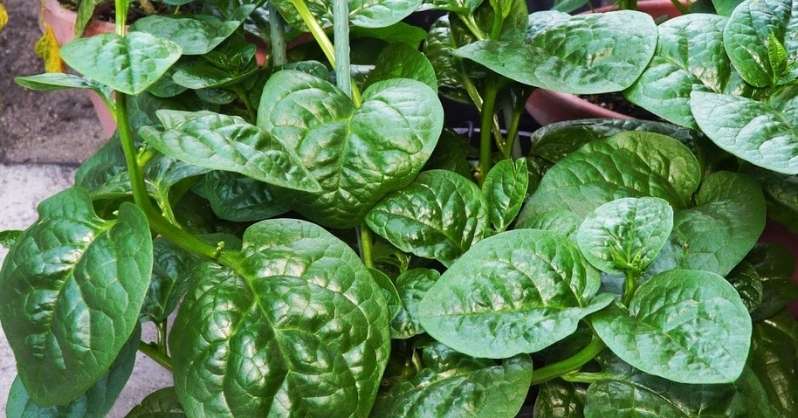
    Spinach is atypical as a dioecious plant because vegetable plants are usually monoecious. Like all other dioecious plants, spinach is also either male or female.

    Spinach produces two different types of seeds. They can be either bristled or polished. The plants grown from the bristled leaves have evenly shaped leaves. On the other hand, the leaves of the plants will be crinkled if produced from polished seeds. Spinach likes horse manure and it can help the plants growth.

    Asparagus

    Asparagus plants

    Asparagus is another example of a dioecious plant. However, even though they are dioecy, they identify as hermaphrodites at the early stage of their lives, similar to monoecious plants. This means they have both the male and female reproductive organs at the beginning.

    Then as they develop, they achieve the feature of dioecious plants. The plants where the stamens disintegrate grow as females, and the pistils disintegrate grow as males.

    Mistletoe

    Mistletoe plant

    Mistletoe, one of the most popular decorations of Christmas, is also a dioecious plant. As they are dioecy, they cannot self-pollinate. They are dependent on insects like flies and wasps for their pollination.

    However, unlike most other dioecious plants, they take longer to mature. As mistletoe reproduces via cross-pollination, its fruits can be of many colors, such as pink, red, or mostly white.

    Birds help mistletoe plants by dispersing their seeds.

    Mulberry

    Mulberry plant

    Mulberry is a particular type of dioecious plant because it can also be monoecious. They are also referred to as gender fluid because they can change from one gender to another.

    Like other dioecious plants, mulberry fruit also comes in varieties of color due to cross-pollination. Initially, they can be green, light yellow, or white. But when they fully grow, their color goes from pink to red, red to purple, and finally black.

    Mulberry plants are dependent on wind for their cross-pollination.

    Kiwifruit

    Kiwifruit plant

    Kiwifruit comes from dioecious plants. Pollen from the stamen of one male kiwi plant can pollinate up to eight female kiwi plants.

    There are some variations of kiwi plants or vines that can reproduce through self-pollination. But their yield quantity significantly increases if they are outbred through cross-pollination.

    Holly

    Holly tree plant

    Holly plants or bushes are another excellent model of dioecious plants. This means that male holly plants and female holly plants in seclusion cannot bear any berries.

    The male holly plants’ flowers have approximately four yellow stamens that protrude from the middle. Whereas the female holly flowers have green pistils in their center.

    Since they are dioecy, they depend on outer elements for their cross-pollination, mainly facilitated by honey bees. Also, like kiwi vines, male pollens can pollinate up to eight female bushes.

    Papaya

    Papaya plant

    Papaya comes from dioecious plants. This means one plant only has a male or a female reproductive organ. Papaya plant with male reproductive organ needs to be near the papaya plant with female reproductive organ to complete their pollination process.

    Ginkgo

    Ginkgo plant

    Ginkgo plants are a bit unusual dioecious plant. Usually, dioecious plants reach maturation earlier than monecious plants. But ginkgo plants require approximately four years until they become mature.

    Most dioecious plants cross-pollinate through insects. But as for ginkgo plants, they are dependent on wind for their pollination. This is mainly due to their dull color. Also, since they are gymnosperm, ginkgo plants cannot produce fruit.

    How Do Dioecious Plants Reproduce?

    Unlike a monoecious plant, a dioecious plant cannot reproduce by itself because they have only one reproductive organ. So, they have to depend on external factors to reproduce. 

    As they do not have male and female reproductive organs, dioecious plants can pollinate only through cross-pollination. Male and female dioecious plants need to be close to or around each other for pollination since they cannot reproduce in isolation. 

    When they are around each other, the pollen of male dioecious plants can easily transport to female dioicous plants.

    Dioecious plants have a to going against them in terms of their reproduction. Yet, they do not let all these adversities hinder their reproduction rate. They had to mutate themselves to be able to pollinate and disperse seeds through insects, birds, or other animals and mature earlier than other plants.

    What Are The Benefits Of Being A Dioecious Plant?

    Dioecious plants pollinate through cross-pollination and are unable to self-pollinate. Self-pollination can be the cause of many problems in the offspring of plants.

    Most of the time, the offspring produced via self-pollination are intrinsically indistinguishable. This results in a loss of biodiversity. On the other hand, dioecious plants reproduce within two varieties of plants. As a result, dioecious plants are more inclined to be diverse and have different qualities.

    Moreover, offspring from self-pollination tend to have more diseases and are weak. In contrast, dioecious plants are more robust and fit due to their recessive mutation.

    Lastly, dioecious plants are easier to modify genetically than monoecious plants due to their cross-pollination ability. As a result, scientists and farmers can produce insecticide-resistant, more nutritious, and aesthetically pleasing dioecious plants.

    Are There Any Disadvantages To Being A Dioecious Plant?

    There are a couple of drawbacks dioecious plants face. Female and male dioecious plants need to be close to each other for their reproduction. They cannot reproduce in seclusion. If they are not in the same area, it will become impossible for them to produce offspring.

    Unlike monoecious plants, dioecious plants cannot procreate all by themselves. They are dependent on other organisms and elements for their reproduction.

    What Effect Does This Have On The Plants’ Populations?

    A dioecious plant cannot reproduce if it is in an isolated area. They need another plant of the opposite gender near them for their pollination and reproduction.

    So, if a dioecious plant grows in a secluded area from seed dispersal, that plant will not be able to procreate an offspring and populate that area. But if it is a monoecious plant, it will not need any help to overrun that zone with its offspring.

    However, even if they cannot self-pollinate, the reproduction rate of dioecious plants does not decrease significantly.

    How Does This Compare To Monoecious Plants?

    The primary difference between monoecious and dioecious plants is that monecious plants have both the female reproductive organ pistil. And the male reproductive organ stamen in one single plant. But a single dioecious plant will have either a female reproductive organ of a male reproductive organ.

    Since monoecious plants have female and male reproductive organs, they are considered bisexual. On the other hand, dioecious plants are considered unisexual since they can be either female or male.

    Monoecious plants can both cross-pollinate and self-pollinate. Dioecious plants are incapable of self-pollination, so they must depend on cross-pollination.

    Monoecious plants do not need to be near each other and can produce offspring even in isolation. However, dioecious plants cannot procreate unless the female and male plants are in close quarters.

    Offspring of monoecious plants have no distinguishable features due to their inbreeding. But the descendants of dioecious plants can be quite diverse as their gametes are produced from two different plants with different characteristics.

    What Are Some Common Misconceptions About Dioecious Plants?

    One of the most common misconceptions people have about dioecious plants is that they cannot self-pollinate. Depending on other factors for their pollination, they must be quite rare. But that is not the case at all. 

    Half of the dioecious plants cannot produce offspring, but they were still able to reproduce along with the monoecious plant. There is no significant difference in reproduction rate between the dioecious and the monoecious plants.

    People often think that since the gamete of two different plants produces a single offspring, inferior genes of both plants will appear in the progeny and reduce its longevity. But that is not true at all. Like mammals, plants also generally live longer when produced from outbreeding rather than inbreeding. 

    Final Words

    Even though dioecious plants have to face some hardships in their reproduction process, and half of them cannot reproduce, these did not decrease their reproduction rate. They refused to let any obstacle slow them down and have continued with spawning offspring in any way possible. 

  • Do Plant Cells Have Spindle Fibers? Spindle Fibers Role in Cell Division

    Do Plant Cells Have Spindle Fibers? Spindle Fibers Role in Cell Division

    If you are someone who was a slight idea about genetics and DNA, you must know that it is nowhere as simple as it sounds. You must have also read the term spindle fiber. It is known that animal cells have spindle fibers, but what about plant cells? Do plant cells have spindle fibers?

    The plants do have spindle fibers and we have written a comprehensive answer to your question, as well as all the important things you must know about spindle fibers in plant cells. So, without further ado, let us jump into the main topic!

    What are Spindle Fibers?

    What are Spindle Fibers

    In simple terms, spindle fibers are made of proteins, and it is responsible for keeping the genetic content of the cell separate. When an organism grows, cell division takes place. Spindle fibers are formed during mitosis, a type of cell division where one mother cell divides and produces two identical daughter cells. 

    Microtubules are present in this protein structure, and it is made by the centrioles of the cell. Initially, microtubules are referred to as filaments, but after cell division starts, they are called microtubules. 

    Centrioles are structures that look like a pair of wheels, and they are found in the part of the cell, which is known as the centromere area. In animals the centrioles are present, so they organize the microtubules in their spindle fibers. 

    However, plants do not have centrioles, so how are the microtubules organized in the spindle fiber? Let’s address a common misconception now. Since plant cells do not have centrioles a lot automatically assume that they also don’t have spindle fibers. 

    There is a part of the cell called the centromere. This area in plant cells is responsible for organizing microtubules properly in the protein structure we are discussing. The centromere is located around the nuclear envelope, and it has centrosomes that help in making the spindle fibers. 

    Are there Spindle Fibers in Plant Cells?

    Are there Spindle Fibers in Plant Cells

    If you have gone through the last section, you should already know that plant cells have spindle fibers. As we have mentioned the centrosomes make the spindle fibers in a plant cell. Somatic cells in plants undergo mitosis, and spindle fibers are made when mitosis occurs. To be more precise, mitosis begins in the nucleus of somatic cells. 

    There are 6 main stages of mitosis in plant cells. These stages are:

    • Preprophase
    • Prophase
    • Prometaphase
    • Metaphase
    • Anaphase
    • Telophase

    If you look at diagrams comparing mitosis of plant cells and animal cells, you will see that they are, in fact, quite similar. There is just an extra stage in plant cell mitosis, which is the preprophase before the prophase. 

    In the preprophase, the centrosomes start organizing the microtubules, so the spindle fibers start to form. However, they are not visible till the prophase. The centrosomes move to opposite sides, so spindle poles are created. 

    During the prometaphase, you will see that from the two spindle poles, long filaments made of protein (the microtubules) will begin to come out. 

    What does it do in Plant Cells?

    When the microtubules, also known as kinetochore microtubules, appear in the prometaphase, they start to latch onto the chromosomes’ kinetochores. 

    Now let’s look at what the spindle fibers do in the metaphase. In this phase, more chromosomes get attached to the microtubules, so it gets denser, and the chromosomes start to get aligned properly in the metaphase plate. This continues to the telophase as well till the two daughter nuclei are created entirely. 

    After the two daughter nuclei are formed, the spindle fibers start to break down as the cell divides to form two new daughter cells. 

    Is it Important?

    Although the spindle fiber is not a very large structure, it does have a very important job and is present in both plant and animal cell structures. It ensures that all the chromosomes are equally separated from the daughter cells. Without the spindle fiber, the two daughter cells would not have each of the same chromosomes. Actually, without the formation of these protein structures, mitosis would not have been possible at all!

    Final Words

    Learning about cell structures and organelles can get intimidating very quickly because of all the technical terms involved. However, if you take your time to understand every term, we can assure you that you will be able to grasp everything we’ve said here.

    We hope you still don’t think that plants don’t have spindle fibers because they don’t have centrioles; they have centrosomes to save the day!

    Related Posts:

    How Does A Cell Wall Protect A Plant Cell | A Barrier Against External Threats

    Do Plant Cells Have Cell Walls? Functions & Importance

    Do Plant Cells Have Chromosomes? Find Out Everything Here

    From Water to Sunlight: The Raw Materials for Photosynthesis

    What Is Plant Embryo? Everything You Need to Know

  • Do Plant Cells Have Enzymes? The Answer May Surprise You!

    Do Plant Cells Have Enzymes? The Answer May Surprise You!

    Without enzymes, our bodies would not be able to function at all. It helps carry out so many crucial functions in our bodies. Now, you may wonder, just like we have enzymes, do plant cells have enzymes? Yes, they do and they play an important role as well.

    Here, we’ll also talk about the combination of enzymes and plants. What are you waiting for? Let’s get into the real discussion about plant enzymes now!

    What do Enzymes do in Plant Cells?

    What do Enzymes do in Plant Cells

    Enzymes do wonders for plant growth and development. The soil in which plants are rooted has enzymes that help in the interaction of plants with essential nutrients from the soil. The very basic function of enzymes is to make the biochemical reactions of plants faster. Furthermore, they also help in breaking down the waste in the soil. 

    Carnivorous plants, meaning plants that get their nutrients and energy from absorbing other living organisms and not through photosynthesis, release digestive enzymes. These digestive enzymes include proteases, peptidases, lipases, amylases, and nucleases. 

    Carbohydrate is broken down to glucose for absorption with the help of amylase, lipases are responsible for the breakdown of fats, and proteases and peptidases convert large chains of protein to amino acids that the plant can absorb. 

    These enzymes in carnivorous plants are released from modified leaves, where the insect/living organism is caught. 

    Plants also have enzymes that help them in dealing with abiotic and biotic stress. Additionally, there are plant enzymes that can help regulate the metabolism of the plant as well. 

    Do Plant Cells Have Enzymes?

    Let’s first look at what enzymes are. Enzymes are biological catalysts, and they are large proteins. This means they are substances that speed up reactions in living organisms and do not get used up in the process. Moving on to the main question, are there enzymes in plants? Yes, there are many different types of enzymes in plants, and they have a wide range of functions. 

    Some common enzymes that plants have are esterase, phosphatase, glucanase, peroxidase, urease, lipase, proteases, amylase, etc. We will be going into further details about what enzymes do in plant cells in the following section. 

    You should know that for enzymes to work optimally, the environmental conditions around the plant have to be proper. For example, the temperature must be around 92 to 104 degrees Fahrenheit. The pH also has to be anywhere between 3.0 and 9.0, or else the enzymes may get denatured. 

    Fun fact: when we eat greens and vegetables, the enzymes inside the plant cells help a lot in digesting all the food. 

    Enzymes and Plant Stress Response

    Cytochrome P450s, also commonly known as CYPs, are a group of enzymes that are present in most living organisms. In plants, CYPs have several functions that include detoxifying xenobiotics. Another very important job that this enzyme family has to do is they have to biosynthesize phytohormones, metabolites, and antioxidants as well. 

    Under drought stress, plants start enzyme activities that are necessary for maintaining the homeostasis processes, and accumulation of osmolyte, among other things. Hormones such as ABA play a major role in the plant stress response, but CYPs also help the plant. When there is a lot of drought stress, this enzyme family increases, forming grains and synthesizing leaf lignin. 

    When the temperature gets too high or low, some CYPs are upregulated to catalyze some biochemical reactions to prevent the plant from getting damaged due to the temperature stress. However, it has to be noted if the temperature goes up or drops to extremes, enzyme activity may stop, and the plant may get irreversibly damaged. 

    In recent research and development, it has also been discovered that the Malic enzyme (another plant enzyme) helps the plant in becoming resistant to biotic and abiotic stress. 

    Enzymes and Plant Cell Metabolism 

    Enzymes and Plant Cell Metabolism 

    There have been a lot of research results showing that the Malic enzymes (ME) help in regulating the metabolism in plant cells. Research done on melons, peaches, and oil crops has shown that the levels of different malic enzymes are upregulated during the growth of the plants. 

    Therefore, this illustrates the point that Malic enzymes are involved in several metabolic processes of plants necessary for growth and development. 

    Final Words

    Let us come back to our very first question again. Do plant cells have enzymes? Of course, they do! As you can see that, plant enzymes are essential for the survival and growth of plants. They also help a lot in regulating plant metabolism and in responding to stress from the environment. 

    We have tried to give a brief, but a clear idea of plant enzymes in our article for people who are not yet familiar with the technicalities and complex terminologies used in scientific journals. However, if you wish to know more about specific plant enzymes, we would encourage you to go ahead and read scientific journals on them. 

    Related Posts:

    Do Plant Cells Have Spindle Fibers? Spindle Fibers Role in Cell Division

    How Does A Cell Wall Protect A Plant Cell | A Barrier Against External Threats

    Do Plant Cells Have Cell Walls? Functions & Importance

    Do Plant Cells Have Chromosomes? Find Out Everything Here

    From Water to Sunlight: The Raw Materials for Photosynthesis

  • 10 Popular Shrub Plants to Consider for Your Garden

    10 Popular Shrub Plants to Consider for Your Garden

    There is no doubt that greeneries and plants can completely change the look of a yard or lawn. However, considering the wide range of shrub options available to choose from, it can get a bit challenging as well as overwhelming to decide. 

    Some factors need to be considered when choosing shrubs for you to plant, whether in your front yard or back garden. Maintenance is a big part of planting shrubs and is one of the greatest factors you need to consider if you want your landscape to outshine that of your neighbor. 

    Fortunately for you, we have accumulated a list of examples of shrub plants that are most popular nowadays and how they will help you decorate your landscape. So, keep on reading! 

    What Are Shrubs? 

    What Are Shrubs

    In many cases, shrubs and bushes are used interchangeably, as there are no distinct differences that differentiate between shrubs and bushes.  However, if you were to define shrubs, they are essentially woody plants with numerous perennial stems but having only one single root. 

    Due to one root serving as a base of the plant branches out into several stems, it cannot be divided. According to horticulture, shrubs tend to hold their structure all year round, which is a great thing if you want your landscape to look fresh every day of the year. 

    Shrubs tend to be smaller than trees, usually less than 13 feet in height, and lay near the ground in most cases. 

    How to Design Your Garden with Shrubs with Creative Ideas

    How to Design Your Garden with Shrubs with Creative Ideas

    When positioned correctly, shrubs can radically transform the appearance of your garden or landscape. Let’s explore some creative ways shrubs can be used to decorate your garden. 

    Layered textures and colors

    Shrubs can be of different sizes and colors when fully grown. After you have analyzed your landscape area, you can use an array of different shrubs of varying sizes and colors to achieve a layered look.  Layering shrubs gives a much more luscious appearance. 

    Once different sizes and color of shrubs have fully grown, they will appear natural and resembles what you would see while wandering through the woods. This is likely to amaze anyone who walks through! 

    Using Shrubs as fences

    Utilizing shrubs and using them as fences is quite common and very popular for a reason because they look simple yet elegant. You can use them to demarcate paths or perhaps even serve as dividing fences between various spaces. This separates your environment while maintaining an organic and lush aesthetic.

    Moreover, adding flowering shrubs of different colors as a fence can be quite visually appealing and also make your garden stand out in the neighborhood. Using a monochrome color palette can produce the best results in this case. 

    Accentuate features

    Shrubs are great for accentuating focal points and features. If you have a walkway to your garden or have a fountain in your garden, using smaller shrubs to outline the areas will help build a more dynamic and appealing look. 

    You can also use vine-like shrubs to integrate outside features into your garden to give it a more holistic look. For example, outlining lamp posts with shrubs and vines is one way to do this. 

    Popular Shrub Plants for Your Garden

    Popular Shrub Plants for Your Garden

    It’s easy to get overwhelmed when you are presented with a wide variety of options to choose from. Hence, we have accumulated a list of the most popular shrub plants that are bound to make your garden aesthetically pleasing. 

    Aucuba

    Aucuba plant

    This widely used foliage plant is a broad-leafed evergreen shrub that should be grown in partial to full shade. It is because the leaves tend to burn in summer and lose their color in winter with full exposure. 

    Although these shrubs can be grown in a variety of soil types, however, they thrive best in moist, organically rich soil. Aucuba produces small, red, shiny fruits that mature in the fall season. 

    Blackberry

    Blackberry plant

    These shrubs are not only aesthetically pleasing but also produce abundant fruits rich in antioxidants. They are easy to grow, and you will only need to ensure that they get plenty of sunlight and are planted in well-drained fertile soil with a pH level of 5.5 to 6.5. 

    Blackberries are definitely a must-have shrub plant to have in your garden, especially if you’re a fan of blackberry pies and jams!

    Camellia

    Camellia plant

    Camellias are large evergreen shrubs that are widely popular for their exquisite blossoms, which come in a variety of hues from white to pink and scarlet. These shrubs can be planted at any time of the year, but they require organically rich soil. 

    Their growth rate is slow, and they flourish and blossom at their finest when shielded from the sun’s rays and drying winds.

    Butterfly Bush

    Butterfly Bush plant

    These shrubs are a perennial favorite among gardeners due to their vibrant flowers. They get their name from their ability to entice a wide range of insects but especially butterflies. 

    The peak bloom time for the flowers in July and August, which are full of nectar and have a pleasant aroma. They are inherently tough plants and survive in most conditions but require well-drained soil. 

    Weigela

    Weigela plant

    Weigelas are bushy deciduous shrubs with elegant, ovoid leaves with vibrant tubular flowers and come in varying sizes and hues. They are simple to cultivate and don’t need much upkeep. 

    The leaves of some have extraordinary color, which heightens the shrub’s summer allure. They make great options for shrub borders! 

    Manzanita

    This native northern Californian shrub resembles a small tree and has a visually striking appearance with its mahogany-colored bark. The branches grow in a unique vine-like way and are quite easy to spot with their signature deep red marks on their barks. 

    These flowers are cup-shaped and dangle upturned, while the fruits are white but turn red or brown as fall approaches. 

    Yarrow

    Yarrow plant

    Yarrow shrubs have a long history. Named after the legendary Greek warrior Achilles, these shrubs are prized for their multicolored blossoms. Yarrow flowers are known for their medicinal properties; however, their sap can cause allergic reactions in some people. 

    When kept in moist soil, Yarrows are vulnerable to Alternaria blight and root decay. These shrubs should be planted in dry, nutrient-deficient soil that receives direct sunlight for longevity.

    Bougainvillea

    Bougainvillea plant

    Bougainvillea is a tropical woody shrub that is evergreen and widely recognized for its ‘flowers,’ which are modified leaves. They are incredibly drought-resistant and do well in nearly any soil condition that isn’t always wet. 

    In fact, they require continuous sunlight and well-drained soil with a pH of over 6.0. 

    Ixora

    Ixora plant

    Ixora is also tropical to semi-tropical shrubs that grow in warm climates. Its signature feature is its bulb of vibrant florets, which are widely seen in summer but can bloom all around the year as well. The best part about these shrubs is their extremely low maintenance needed. 

    Jasmine

    Jasmine plant

    If you’re a fan of aromatic scents, then Jasmines are a must-have for your garden. Outlining the walkways of your gardens will make them rich in fragrance. All jasmines prefer warm conditions and full sunlight to light shade. They thrive in common garden soil with average soil fertility and moisture levels.

    Common Issues with Shrubs

    Common Issues with Shrubs

    Maintenance

    For both initial planting and ongoing maintenance, various shrubs have a multitude of planting requirements that must be satisfied. Even though they are appealing and resourceful, maintaining them can be quite expensive.

    Vulnerability to insects

    Many flowering shrubs are full of nectar which lures in a variety of insects, making them extremely susceptible to various diseases. For example, Lace bugs grow on the underside of leaves, sucking them dry and eventually killing them. 

    Aphids, most commonly known as plant lice are another common insect that feeds on plant sap and stunts growth. They cause the deformation of leaves, buds, and stems damaging the shrubs in the process. 

    Plant disorders

    Shrubs can be vulnerable to various disorders if their maintenance is neglected. For example, Leaf spots can be seen quite commonly by affecting the process of photosynthesis, which can eventually lead to leaf loss. 

    Fungal disorders caused by bacteria such as Blight are another major issue. If left unchecked for prolonged periods, it can lead to the death of the plant. 

    Reasons to include shrubs in your landscaping 

    Apart from the aesthetic purpose, shrubs can have other benefits as well. Let’s explore the reasons why you should include shrubs in your landscaping. 

    Borders and Privacy

    When planted properly and strategically, a layered shrub structure can provide you with ample privacy from any nosy neighbors. In addition, it will also beautify your landscape borders, making them visually appealing from the outside. 

    Moreover, you get to enjoy your morning coffee in nature without being interrupted by any neighbors!

    Purifies air and aids in fighting off stress

    Shrubs can assist in air filtration by trapping toxic pollutants, instantly enhancing the quality of the air you breathe in. Additionally, surrounding yourself with nature can help your de-stress easily as we tend to seek solace in nature as a coping mechanism. 

    Increase re-sale value of property

    If you’re looking for a long-term benefit then it lies in the value of your property that consists of shrubs. Since some shrubs may be rare and can take a while to attain their full size, hence some species are especially prized. 

    Therefore, a household with established shrubs and trees can increase the value of the overall property by 5% to 20% higher in comparison to their barren counterparts.