Cytoplasm works to maintain the overall structure and safety of the components of a plant cell. It also has an impact and energy distribution and on various functions of a plant cell.
That is why cytoplasm is one of the core components for cell build-up and hosts almost every component of a cell except for the nucleus. It is found in both plant and human cells and is an essential component for a healthy cellular build-up.
But what does cytoplasm do in a plant cell except for the common benefits that it provides?
Well, if you are wondering this question, then we have got you covered. In this article, we will go through all the details regarding cytoplasm’s effect on plants.
What is Cytoplasm?
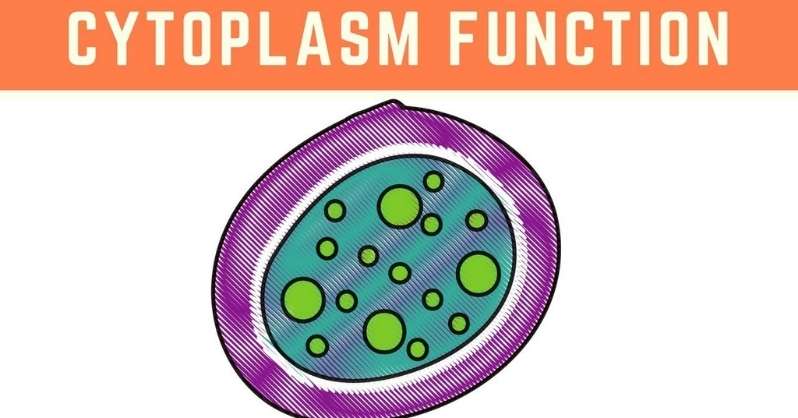
In a cell, both plant & animal, there is a heterogeneous jelly-type fluid mixture that is protected by the cell membrane and fills the entire cell called cytoplasm.
The cytoplasm consists of every component of a cell except for the nucleus. This salty liquid is able to support all the cellular molecules and organelles, which is why it is regarded as the substance of cell or cytosol.
The fluid mainly consists of salts, organelles, organic molecules & enzymes. Due to having these components, it creates an optimal environment for the other cell components to thrive in and allows the cell to be healthy & functional.
Types of Cytoplasm
Cytoplasm can be divided into two parts in multicellular trees: endoplasm & ectoplasm. Both have distinct features and host different components of the cell.
Endoplasm is found in the middle of the cytoplasm, where organelles reside. On the other hand, ectoplasm hosts the rest of the cell components and is similar to a gel. Ectoplasm is found at the end part of the cytoplasm, where the cell membrane meets cytoplasm.
General Functions of Cytoplasm
The general functions conducted by cytoplasm are:
It holds the shape of a cell
One of the most important functions of Cytoplasm is that it retains the shape of the cell. If there is no Cytoplasm in a cell then the cell will lose its shape, and the components inside will be damaged, and the cell will die.
It allows the cell components to move
This jelly-like substance ensures that the cell components can move around the cell without taking any damage. The jelly mixture acts as a protective layer for all the other components.
Transports Protein & Lipids
The cytoplasm also ensures that protein and lipids are transferred to cell components without any issues. It is the medium from which the contents of the cell receive essential components such as protein, lipids, and vitamins.
But these are all the common functions that Cytoplasm conducts for any cell. For specific cell types, Cytoplasm offers different functions and benefits.
What Does Cytoplasm Do in A Plant Cell
The main function of Cytoplasm in a plant cell is cytoplasmic streaming or more commonly known as cyclosis. Cyclosis is the process where cell components move around the cell to fill certain conditions.
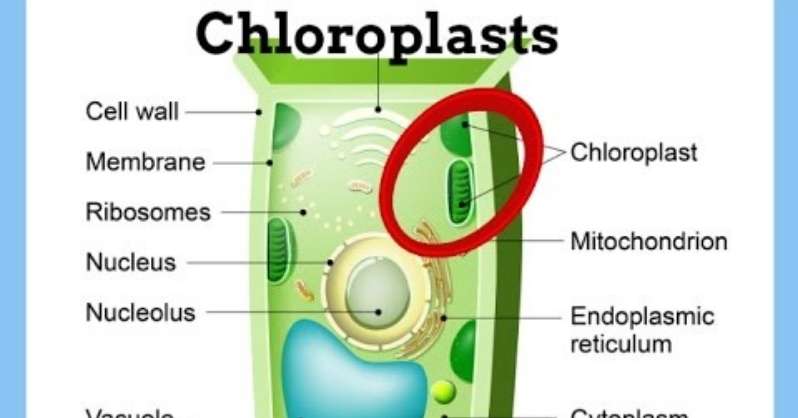
In plant cells, the Cytoplasm allows the chloroplasts to move around in order to get the required sunlight for photosynthesis. Due to cyclosis, chloroplasts are able to attain the maximum amount of sunlight possible, which is essential for a plant’s survival.
Other than cyclosis, Cytoplasm also ensures that the plant cell structure doesn’t collapse. The cytoplasm also ensures the fact that the plant cell’s membrane wall stays resistant to osmotic pressure created by atmospheric pressure.
This is essential for plant cells as this ensures the transport of water and nutrients from tree roots to individual cells.
So, not only does Cytoplasm works to protect the cell structure, it ensures that the plant cell receives proper sunlight and water & nutrient transportation.
Therefore, without Cytoplasm a plant cell is completely useless.
Is Cytoplasm Present Only in Plant Cell?
No, as mentioned earlier, Cytoplasm is a crucial part of cell build-up, and without it, a cell can not hold its structure and collapses.
The cytoplasm is found in animals, plants, and in single & multiple bacteria cells. In single-cell organisms, they sometimes even act as the nucleus.
That being said, the most usage of Cytoplasm is obviously on animal and plant cells. Some scientists even claim that Cytoplasm has a deeper impact on plant cells compared to animal cells.
Is Cytoplasm Vital for A Plant Cell?
The cytoplasm is crucial for plant cells; therefore, it is vital for plant cells. Without Cytoplasm plant cells won’t be able to obtain the required amount of sunlight for their chloroplasts resulting in poor health for the cell.
Not only that, but if there is no Cytoplasm in a plant cell then its structure will fall, and the cell will slowly die out due to the loss of important cellular components.
That’s not all. If there is no Cytoplasm, then the plant cell won’t be able to transport nutrients and water from the roots to the cell. So, the plant will die out due to malnutrition.
In a few plant cells, there is no nucleus, and the Cytoplasm serves the duty of the nucleus and keeps the cell functioning. So, if Cytoplasm is gone, then those cells will die out.
That is, in short, without cytoplasm, plant cells will die out sooner or later, whether it is from component collapse, malnutrition, lack of sunlight, or other reasons. The only plant cells that don’t have Cytoplasm are Xylem mature, and they are elongated dead cells.
That’s why yes, Cytoplasm is vital for the survival of a plant cell.
Conclusion
The cytoplasm is crucial for both plant and animal cells. If a plant cell doesn’t have cytoplasm functioning properly, then it won’t survive long. So, you can understand how essential it is.
So, if you are suffering from dead plant cells in your garden, then check the condition of Cytoplasm in the cells first!
You can plant small bright tropical plants and ferns with your canna lilies. Just make sure that the plants you are planting are working to glorify the canna lilies and the overall beauty of your garden.
But finding proper companions for these tropical flowers can be a bit confusing. There are a lot of options, and randomly selecting some won’t give you the aesthetic output that you hope to see.
But don’t worry, because, in this guide, we will go through in-depth details on whattoplant with canna lilies, some potential companions, and design ideas. You can adapt, find a few common issues and their solutions, and more.
Some Potential Companion for Canna Lilies
To understand what you should plant with your canna lilies, it is important that you find out the size of your canna lilies first. As mentioned earlier, canna lilies can be in three different sizes tall, medium, and small. Tall and medium is most common, but you can find small ones too.
Do keep in mind you want to show off your canna lilies as much as possible. So you will need to find companions that will provide more depth and divert focus to the massive & beautiful paddle-like leaves of canna lilies. Azucena can be a good option as it’s from the
Along with that, canna lilies will be around four to six feet tall if you are going with the tall and medium options. So, to complement all these factors, you can go with ornamental grasses along with a few asparagus ferns.
To bring out the colors, you can go with small but colorful bush-like flowers and plants with lush and beautiful multicolored leaves, or you can go with tropical green plants that can work too.
Based on this information, some great potential companion canna lilies can be the following:
Impatiens
Scientific Name: Impatiens scapiflora
Classifications:
Kingdom:Plantae
Order:Ericales
Family:Balsaminaceae
Genus:Impatiens L.
When it comes down to canna lilies, you can’t go wrong with impatiens. These small flowers will bring cheer and brightness to any part of your garden. We recommend you grow them around canna lilies for maximum beautification effect.
Begonias
Scientific Name: Begonia obliqua
Classifications:
Kingdom:Plantae
Order:Cucurbitales
Family:Begoniaceae
Genus:Begonia L.
Begonias are bush-like tropical houseplants that can add color to even the darkest part of any garden. They bring out the beauty of canna lilies and go well with any variant of the plant. We suggest you pick wax begonias or angel wing begonias with canna lilies.
Caladiums
Scientific Name: Caladium schomburgkii
Classifications:
Kingdom:Plantae
Order:Alismatales
Family:Araceae
Subfamily:Aroideae
Tribe:Caladieae
Genus:Caladium
Canna lilies and caladiums are a great combo that can go with small plants like impatiens or begonias. The multicolored heart-shaped leaves of the plant will bring more depth and beauty to your garden than no other plant can.
If you want to add color to your canna lilies garden, then they are arguably one of the best choices out there.
Elephant Ears
Scientific Name: Colocasia esculenta
Classifications:
Kingdom:Plantae
Order:Alismatales
Family:Araceae
Subfamily:Aroideae
Tribe:Colocasieae
Genus:Colocasia
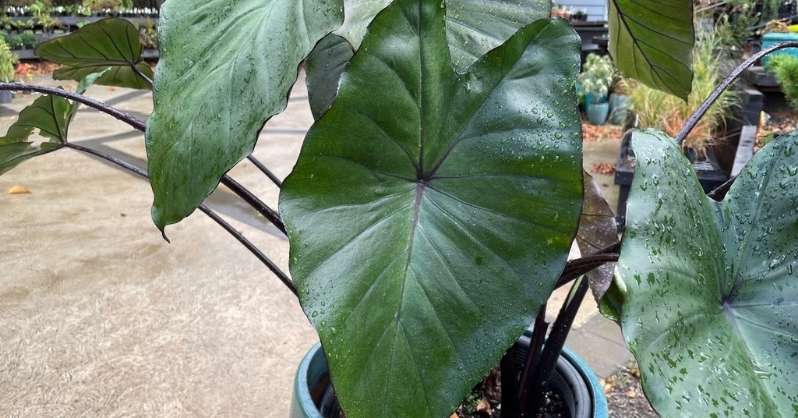
Now, if you don’t want to go with multi-colored leaves but instead want to enjoy a green bliss, then elephant ears are the best complimentary plant for canna lilies. Their leaves are more sought after than their flowers, but the flowers can add that bit of depth that brings up the aesthetic level to a higher plane.
Knockout Roses
Scientific Name: Rosa Knock Out
Classifications:
Kingdom:Plantae
Order:Rosales
Family:Rosaceae
Genus:Rosa
Species:R. Knock Out
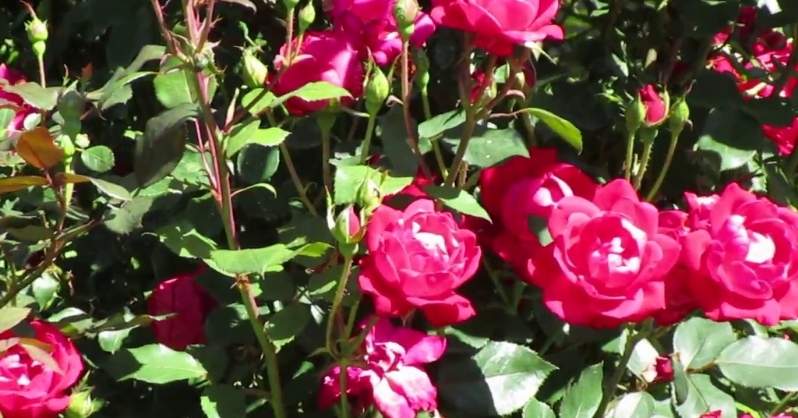
For bright red color and its other variants, you can’t go wrong with knockout roses. They are easy to grow and maintain. And when they properly bloom, their fragrance & beauty combined with canna lilies are unmatchable.
Creative Design Ideas for Incorporating Canna Lilies into Your Garden
Now that you have an understanding of what types of companions you should get for your canna lilies, let’s take a look at some design ideas that you can opt for:
Play with Bright Colors
If you are building a tropical garden with canna lilies, then you must go with a bright color option. Mixing up different colors will certainly be pleasing to them, and the boldness will bring the best out of your canna lilies.
One thing that you should keep in mind is not to pick colors that overpower your canna lilies. Otherwise, you won’t be able to showcase your beautiful canna lilies in your garden.
Mixing Different Heights
For this type of design, you should go with tall canna lilies. You can also make it more interesting by going with different colors and sizes of canna lilies. For example, tall red canna lilies with medium blue canna lilies.
You should pick companions of different sizes as well. But make sure they are not taller than your tallest canna lilies as it will be disturbing to look at.
Water Beds
Some variants of canna lilies grow extremely well with water beds, and you can add them to your garden to bring that tropical vibe. The water bed will be the biggest attraction, and other plants and flowers should complement it.
Dramatic Foliage
For a tropical feel, large leaves are a great addition. And canna lilies look best with green and multicolored leaves together. Elephant ears are the best if you want the lush green feel. But if you plan on multicolor, caladiums can be a great option.
Use Containers
You can also plant your flowers and canna lilies in containers and mix them up together. For small gardens, this design works the best as you can utilize the height of canna lilies to bring out the beauty while not wasting any space.
And there you have it; these are some ideas that you can incorporate into your garden. Do keep in mind that you can always mix a few ideas together and get a better output than just going with a single design.
Common Issues with Canna Lilies and How to Solve Them
Not having the right soil type and irregular watering
To solve these problems, you can do the following:
Use insect and pest control sprays. The amount and the number of times you should use it depends on the type & size of your garden.
Keeping the garden healthy will counter most diseases but if you spot early signs of any disease, get rid of that plant immediately before it starts to spread.
Check the soil drainage capability and if you don’t meet the requirements for your garden, change the soil immediately or change the type of plants that you are using with your canna lilies.
Lack of proper fertilization can also be the reason behind the mentioned issues. Grooming and pruning can also stop the spread of insects and diseases.
Should You Propagate Canna Lilies from Seed or Rhizomes?
You can propagate your canna lilies from seeds or rhizomes. But in our opinion, we prefer propagating with seeds rather than rhizomes. But it ultimately comes down to your decision and which route you want to take.
The advantage with rhizomes is that you will get an exact replica of the parent plant. So, if you have picked a bold and healthy canna lily then you can be sure of the fact that you will get the same canna lily after propagating.
On the other hand, seeds are the byproduct of two canna lilies. So, if you are getting seeds from two healthy and beautiful canna lilies then you will have both of their features and a completely new plant after propagating.
This method is also safe and requires no additional work rather than planting the seeds. That’s why we prefer propagating with seeds over rhizomes. It is safer and offers more versatility.
But if you want to go old school, then you can always go with propagating with rhizomes option.
Leaves are probably the most important part of a plant. We can’t imagine a plant without having at least a leaf or two. But what do leaves do for a plant exactly?
They offer food and protection and play an important role in the overall function of a plant. And in this article, we will go through all the details regarding leaves and why they are crucial for a plant’s survival.
We will look into the different roles that leave fill, how these roles affect the lifecycle of plants & animals, and more.
At the end of this article, we are confident that you will be able to understand the effect of leaves on plants and why most plants can’t survive without leaves.
So, without further ado, let’s dive into the details, shall we?
What is a Leaf?
The scientifical definition of a leaf is the organ that is dedicated to creating the central lateral appendage located around the stem for plants of vascular nature.
In simple terms, a leaf is part of a plant that comes in different shapes & sizes and is directly attached to the plant’s stem or through a stalk. Typically, the color of leaves is green, but there are a lot of color variants depending on the plant we are focusing on. Usually, you can easily spot a tree by its leaves.
What Does a Leaf Do For the Plants?
Leaves are an integral part of plants, as most plants can’t survive without leaves. This is because leaves are responsible for actions such as:
Photosynthesis: The main process of making food for plants
Respiration: Process of breaking down sugar to generate energy
Water Balance: The process of maintaining the overall water inside plants
Temperature Regulation: Process of ensuring the temperature is balanced through the plant
Oxygen Distribution: Sharing the oxygen generated inside a plant’s body with the environment
Without these mentioned functions, plants can’t survive, and some of them directly involve animals’ survival as well. That’s why the importance of leaves on plants is extreme, to say the least.
What’s The Importance of Leaves in Photosynthesis
Photosynthesis is the process by which plants convert light into food. This process involves respiration, osmosis, and a few other chemical functions. And almost 80% of the entire process is carried inside leaves.
The main role that leaves play during photosynthesis is obtaining sunlight. Plant cells obtain sunlight through chloroplasts. The larger the leaf size is, the more chloroplasts it will have, and it will be able to obtain more sunlight which ultimately means more food.
This aspect is the same for the number of leaves as well. The higher the number, the better the photosynthesis rate will be.
Photosynthesis also affects the lives of animals as the process requires carbon dioxide
And that’s not all. The product of photosynthesis, glucose (sugar), also needs to be broken down for the plant to use as food. And leaves play a significant role in that also. This process is labeled as a plant’s respiration.
What Role Does Leaves Play in a Plant’s Respiration?
Respiration is the process where the sugar produced from photosynthesis is broken down with oxygen to produce chemicals & energy for the plant to grow.
It is the opposite of photosynthesis, as in this process, the plant cells use oxygen to break down the glucose or sugar and produce water, carbon dioxide, and energy.
Respiration occurs in three parts of a plant: roots, leaves, and stems. For leaf respiration, the process is done through stomata. Stomata are small pores that can be found on the bottom side of the leaves.
The number of stomata is quite massive, and the respiratory process begins as soon as the pores open up, and the gas exchange occurs (oxygen in, carbon dioxide out).
Do keep in mind that most leaf respiration occurs during nighttime as in the daytime photosynthesis takes priority.
That being said, there are two types of respiration: one that uses oxygen, aerobic respiration, and one that doesn’t use oxygen for respiration, anaerobic respiration. Anaerobic respiration is very rare among plants, but the ones that do this prefer to continue this process 24/7.
The Importance of Leaves in a Plant’s Water Balance
Leaves also play a very important role in a plant’s water balance. Plants are natural filters that take water from their roots and give out oxygen to the environment. This process called transpiration is one of the most important features of a plant.
But how does a plant spread out the water? Well, that is where leaves come into play. Plants gather water from the soil with the help of their roots. Then they use the water to obtain homeostasis.
But they don’t need all the gathered water for this and let out the excess water through the stomata located on leaves.
And that’s not all. If, for some reason, the stomata are not opening (during nighttime), then leaves go through the process of guttation where the water is secreted via the leaf blades. The liquid that gets out is often referred to as xylem sap.
This way leaves to ensure that a plant’s water balance is secured and is on optimal level.
The Role of Leaves in a Plant’s Temperature Regulation
A plant’s temperature regulation is solely handled by leaves. High temperatures are actually good for plants as long as it is under their temperature limit. This helps the photosynthesis rate go higher, meaning there will be more food for the plant.
But when the temperature reaches extreme levels, it can be very harmful to the plant. And plants handle this through temperature regulation.
The process is very simple; the leaves work to keep the overall temperature as consistent as possible. They do this by manipulating the evaporation process of water and the reflection of light. The cytoplasm in leaf cells is very crucial for this process.
This way, the overall temperature of the plant remains stable, and there is no drawback from heating. And all of this is only done and can only be done by leaves.
Leaves are arguably the most important organ in a plant. They not only offer the plant food but also offers it ways to sustain its life by removing excess water and chemical and even maintaining the overall temperature of the plant.
So use this knowledge to your advantage and start taking care of plant leaves more!
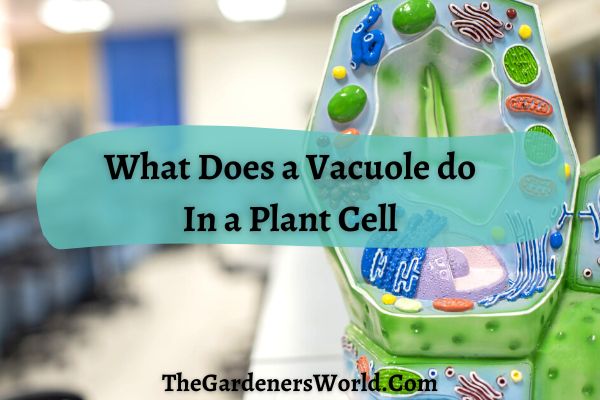
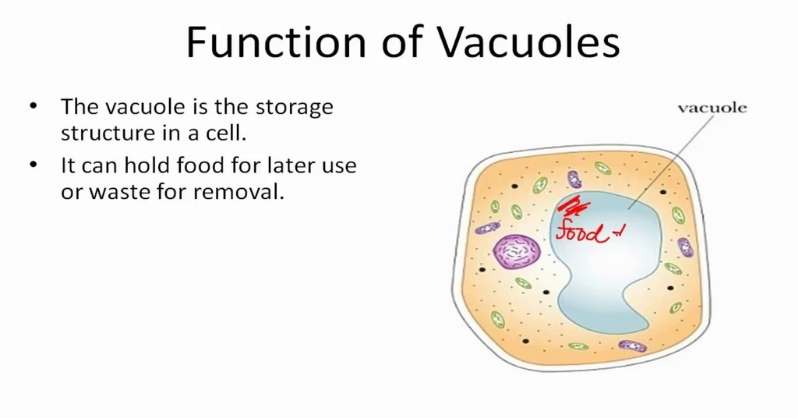
One of the organelles that function differently in plant cells is the cell vacuole. If you take diagrams of animal and plant cells side-by-side, you’ll find the vacuole is much bigger in plant cells.
Why’s that so? What does a vacuole do in a plant cell? Here, we’ll be answering all those questions. So, let’s jump right into it.
What is Vacuole
Vacuoles are organelles that float freely in the cytoplasm of cells. The permanent vacuoles contain cell sap and are bound by a membrane to keep the sap intact. In animal cells, vacuoles are very small and are usually used for storing materials temporarily.
On the other hand, they’re very large in plant cells. Most plant cells have a single vacuole. If they have more than one, only one vacuole is found large, and it’s called the central vacuole.
The membrane that surrounds the vacuole is called tonoplast, and it’s considered a component of the endomembrane system. Usually, there’s no large vacuole in a new cell.
As the cell matures, numerous small cell vacuoles merge to form the central vacuole. The smaller cell vacuoles usually emerge from the Golgi apparatus or endoplasmic reticulum.
What’s more interesting is that the items contained by the cell vacuole differ greatly from cell to cell. There might be water, chemicals, toxins, plant wastes, or even pigments. What the vacuole will contain depends greatly on its surrounding cytoplasm.
What Does it Do in a Plant Cell?
The functions of vacuoles in plant cells include providing rigidity to the cell, growth, disposal of waste, storage, protection, etc.
Experts theorize that vacuoles are specialized lysosomes because they handle waste products. In certain cases, water can also be a waste product. In these cases, the vacuole will absorb some water from the cell and maintain the pH of the cell.
Sometimes, vacuoles also absorb the toxins that float around the cells. In these cases, the toxins are first absorbed by the vacuole, and then they’re converted to compounds that can either be used or at least are safe for the cell.
Chlorophylls are mostly credited for giving flowers their colors. However, sometimes cell vacuoles also store colored pigments, and this allows them to give flowers colors as well.
One of the greatest structural functions of the cell vacuole is controlling the turgor pressure of the cell. The turgor pressure determines how rigid the cell will be. It’s essentially the difference between the pressure of osmosis outside and inside the cell.
When the cell contains adequate water, the vacuole swells up by collecting the liquid. This maintains the structure of the cell while preventing further water from rushing in.
In case of a water deficit, the vacuole shrinks. This reduces the turgor pressure and allows water to enter the cell.
Is Vacuole Present only in Plant Cell?
Cell vacuoles are found in both animal and plant cells. They are rarely found in human cells as well. However, vacuoles don’t play an as important role in animal cells as they do in plant cells.
So, it can be concluded that vacuoles are present in all sorts of cells. However, they aren’t as important for animal cells as they are for plant cells.
Is Vacuole Vital for a Plant Cell?
As we can see, vacuoles play a ton of important functions for plant cells. They’re sometimes responsible for giving flowers their colors. But it only starts there.
Without cell vacuoles, it would’ve been impossible to maintain osmotic pressure in cells. This would hamper the plant’s ability to intake nutrients and produce food.
Furthermore, cell vacuoles play important role in storage as well as waste management. Overall, they perform not one but multiple important functions in a plant cell.
So, it can be concluded that cell vacuoles are vital for a plant cell.
Conclusion
As you can see, cell vacuoles are interesting organelles that perform multiple vital functions.
So, we can say that a plant cell can’t function without a cell vacuole. However, animal cells can function without one.
Just like they are to animals, cells are the fundamental units of plants as well. However, plant cells are not the same as animal cells. In fact, they have a ton of unique characteristics. They not only have different organelles but a few different functions too.
In this article, we’ll take an in-depth look at each of the organelles present in plant cells. Stick with us and learn exactly whatorganelles are found in plant cells and how they differ from those of animal cells.
How Plant Cells Work: An Inside Look into the Organelles
Let’s take a look at each of the organelles found in plant cells and learn their function.
Cell Wall
Cell walls are rigid structures that surround each plant cell, and they’re mostly depicted as hexagons with long arms. However, they can be circular or rectangular as well. These are made of cellulose, and their main function is to provide structural support to the plant cells.
Although they are rigid and sturdy, the cell walls are perforated. Experts suggest that cork bottle caps are similar to cell walls. The perforations allow essential elements to pass between the cells while keeping the rest of the organelles intact.
Cell walls are found only in plant cells, and they’re completely absent in animal cells.
Chloroplasts
One of the key functions that differentiate plant cells from animal ones is the ability to produce food. While animals need consistent food intake for survival, plants produce food themselves.
The unique cell organelle that facilitates this food-making process is the chloroplast. Chloroplasts are full of green pigments known as chlorophylls. These small pigments absorb the light energy from the environment and use that to convert water and carbon dioxide into glucose.
Nucleus
The nucleus is called the “Command Center” of the cell, and this is equally true all cells as it’s common in both plant and animal cell structures. This is a large cell organelle, and it stores the deoxyribonucleic acid or DNA of the cell.
DNA consists of the genetic information of the plant. This means that whatever characteristic the plant shows or will show in the future depends on the DNA stored in the millions of cells throughout the plant.
It also controls important cell functions such as metabolism and growth. There’s a smaller organelle within the nucleus, known as the nucleolus. This store’s ribonucleic acid, also known as the RNA.
The key function of the RNA is to send the messages crafted by the DNA of one cell to the rest of the cells. This helps conduct the same actions over every cell across a plant body.
Cell Vacuole
While animal cells have cell vacuoles, they are very different from those of plant cells. Plant cell vacuoles are rather large, and there’s usually one vacuole per cell.
The vacuoles are essentially bubble-like structures filled with cell sap. One of the key functions of cell vacuoles is to maintain the shape of the cell. Secondly, it holds nutrients, salts, minerals, as well as water.
In the case of flower petals, the cell vacuole might also hold pigments that give the flower colors.
Smooth Endoplasmic Reticulum
The smooth endoplasmic reticulum produces steroids and lipid in a plant cell. Unlike its rough counterpart, the smooth ER isn’t covered in the ribosome. Hence, it doesn’t take part in protein synthesis.
Rough Endoplasmic Reticulum
An endoplasmic reticulum studded with ribosome is called the rough endoplasmic reticulum. These organelles take part in protein synthesis.
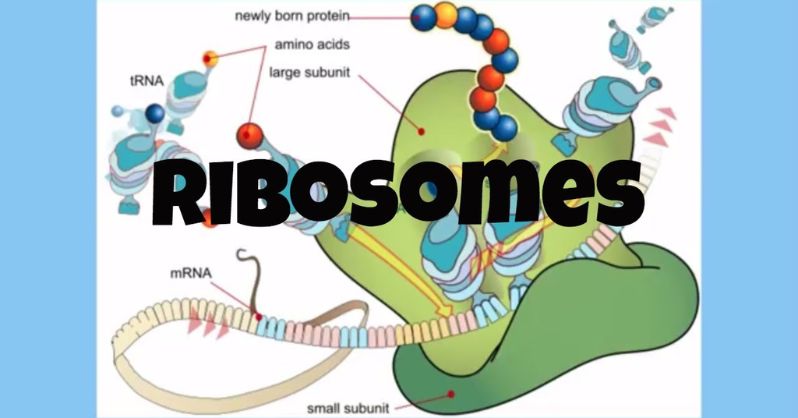
The ribosomes on the surface of the ER form a polypeptide chain which is later absorbed by the ER’s lumen. Depending on the type, the protein folds into a complex structure inside the ER.
Another complicated yet essential function of the RER is adding carbohydrates to the protein so they can be transported to the Golgi apparatus.
Golgi Apparatus
The Golgi apparatus, also known as the Golgi body, is a vessel for storing protein sent by the rough ER. Essentially, the Golgi apparatus is a collection of sacs that are bound by thin membranes. It’s also known as the mailroom of the cell as it sends protein out of the cell.
Once the protein is deposited and stored in the Golgi apparatus, it is then sent toward the cell wall. It eventually leaves the cell and becomes a part of the lipid layer.
Mitochondria
Also known as the powerhouse of the body, the Mitochondria are considered one of the most important organelles of a plant body.
The main function of this organelle is to release energy into the rest of the cell. The other organelles use this energy to conduct all the cellular functions. So, in a sentence, it’s not possible to run any living body without Mitochondria.
These organelles mainly function by cellular respiration. In this metabolic process, the Mitochondria break down glucose molecules to release energy. With that energy, adenosine triphosphate or ATP is produced.
ATP is later used by the rest of the organelles as fuel for conducting essential processes.
Ribosomes
Ribosomes are called the protein factory of cells. They are often found within the endoplasmic reticulum. Or they float freely within the cell. The main function of Ribosomes is to synthesize proteins based on the instructions provided by the RNA.
Lysosomes
Lysosomes are organelles that mainly break down extra or old cell portions. They also destroy invasive chemicals and trigger apoptosis. These store digestive enzymes that help carry out these processes.
As you can see, plant cells differ greatly from animal cells.
Plant cells have a rigid cell structure, and they have the ability to produce food through photosynthesis. The presence of unique organelles is what facilitates these.
Plants have fascinating reproductive systems, and the way that their reproduction systems function can be a matter of great interest. Unlike humans, plants can reproduce in slightly different ways. If you have looked into this matter, then you must have come across the term monoecious plants.
Now this word sounds complex, but we’re going to explain everything about them in a digestible way with examples of monoecious plants. We will talk in detail about this type of plant. Furthermore, we will be addressing some common confusion regarding this topic, so keep reading to learn everything you need to know about monoecious plants.
What are Monoecious Plants?
You may not have known this, but most plants have flowers that have both the male and female reproductive parts on them. This means that the flowers have stamens, which are the male reproductive part, and carpels, the female reproductive part. 90% of plants have flowers like this, and they are said to be bisexual.
Plants that have both the male and female parts on the same flower can also be called hermaphrodites.
What about the other 10%? Those plant species are called unisexual. This is because in these plants, the flower doesn’t have both the reproductive parts on the plant. In unisexual plants, there is also another division. They are divided into two categories: (1) Monoecious plants and (2) dioecious plants.
While we will discuss dioecious plants, our primary focus is going to be monoecious plants. Firstly, let’s look at the meaning of the term monoecious. Most of you probably know that mono represents one, so this term means “one house” To make things clearer, monoecious plants have both the male and female reproductive parts on the same plant, BUT they are on different flowers.
So, a plant that has separate male and female unisexual flowers is called monoecious. Monoecious plants can also be referred to as ‘perfect’ plants because they have both male and female reproductive parts on the same plant.
Can Monoecious Plants Self Pollinate?
You must already know that pollination is the process when the stigma of a plant receives pollen transferred from another. This is how plants fertilize flowers and reproduce. So, self-pollination means when a plant can pollinate and fertilize itself without needing pollen from another plant.
Since monoecious plants have both male and female flowers on the same plant, they do have the ability to self-pollinate. Such plants can successfully fertilize themselves.
Self-pollination can happen in many ways. Pollen can be transferred by a bee from the anther to the stigma of the plant. When a bee sits on the anther it unintentionally picks up pollen, and then when it goes and sits on the flower’s stigma, the flower may be fertilized. Pollination can be a result of the environment as well. For example, wind can blow the pollen from the anther to the stigma very easily.
Just because monoecious plants can self-pollinate, it does not mean that they don’t cross-pollinate. They cross-pollinate as well through the same ways they self-pollinate. Cross-pollination is the transfer of pollen to/from another plant.
Some Common Monoecious Plants Examples:
Although the percentage of monoecious plants is small, there are actually many of them which are very common plants. So, here is our list of some of the common monoecious plant examples and a brief description for each of them:
Birch
Scientific Name: Betula pendula (Silver birch)
Scientific Classifications:
Kingdom:Plantae
Clade:Angiosperms
Clade:Rosids
Order:Fagales
Family:Betulaceae
Subfamily:Betuloideae
Genus:Betula L.
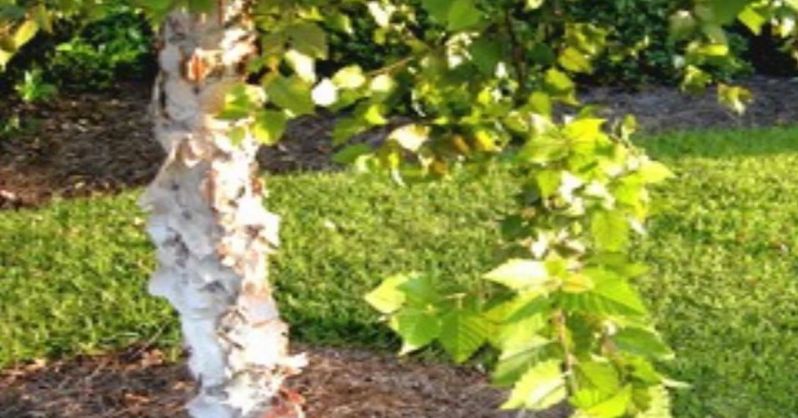
Birch is a medium-sized tree that is commonly seen around residential areas because they look gorgeous. This tree has bark with unique silver color and black details. It also has a lot of thin leaves which makes it look elegant.
It has monoecious flowers, which stay in groups of 3 on the scales of the tree’s catkins. The flowers have a calyx which contains the anther, that produces the pollen that is then transferred to the stigma.
Oak
Scientific Classifications:
Kingdom:Plantae
Clade:Tracheophytes
Clade:Eudicots
Order:Fagales
Family:Fagaceae
Subfamily:Quercoideae
Genus:Quercus L.
Oaks are very popular hardwood trees that have broad leaves, making them great for improving aesthetics. They have very small monoecious flowers. The female flowers are very small in size, so they cannot be easily noticed by the naked eye. The male part of the plant is the catkin which hangs down.
What mostly happens is that the wind blows the pollen from the drooping catkins to the stigma of the flowers.
Spruce
Scientific Classifications:
Kingdom:Plantae
(unranked):Gymnosperms
Division:Pinophyta
Class:Pinopsida
Order:Pinales
Family:Pinaceae
Genus:Picea
There are many variations of Spruce trees: white spruce, Norway spruce, Colorado spruce, etc. All spruce trees are monoecious, so they all have both separate male and female parts. They have male pollen cones and female seed-producing cones.
Pollination usually happens around June as the cones start to develop only in May.
These cones have an oblong cylindrical shape; they aren’t too big and have a reddish color.
Pine
Scientific Classifications:
Kingdom:Plantae
(unranked):Gymnosperms
Division:Pinophyta
Class:Pinopsida
Order:Pinales
Family:Pinaceae
Genus:Pinus L.
Most pine trees are monoecious, so they reproduce sexually. Pine trees also fall into the gymnosperm plant category. This means that their seeds are bare, and not inside an ovary.
Both male and female flowers of this tree turn into cones as they mature, but the male cones tend to be softer. Pollen grains are released from the microspores in the male yellow flowers. Then the wind takes them to the megaspores of the female.
Squash
Scientific Classifications:
Kingdom:Plantae
Clade:Angiosperms
Clade:Rosids
Order:Cucurbitales
Family:Cucurbitaceae
Genus:Cucurbita L.
If you have had a squash plant before then, you might have noticed that only about 50% of the flowers that bloom give you squash fruit. Well, this is because one half is male, and the other half is female.
However, not all squash plants are monoecious. They are all unisexual, but a large portion of them is dioecious.
Oil palm
Scientific name: Attalea speciosa
Classifications:
Kingdom:Plantae
Clade:Angiosperms
Clade:Monocots
Order:Arecales
Family:Arecaceae
Genus:Attalea
Species:A. speciosa
Like all other plants in this list, the oil palm plant is also monoecious. They produce clusters of male and female flowers by alternate cycles. This plant belongs to a family known as Arecoideae. One unique thing about them is that these trees have no branches.
One very important thing to note about oil palm plants is that they cross-pollinate more often than self-pollinating because male and female flowers are produced in alternate cycles. As a result, at the same time, both large amounts of female and male flowers aren’t present in the tree.
Walnuts
Scientific Name: Juglans regia
Scientific Classifications:
Kingdom:Plantae
Clade:Angiosperms
Clade:Eudicots
Order:Fagales
Family:Juglandaceae
Genus:Juglans
Species:J. Regia
There is a wide variety of walnut trees, and all of them are monoecious. Walnut trees self-pollinate for the most part, but some species of walnut trees cross-pollinate more. Producers will get the best quality nuts if you plant the same type of walnut trees together.
Cucumber
Scientific Name: Cucumis sativus
Scientific Classifications:
Kingdom:Plantae
Clade:Tracheophytes
Clade:Eudicots
Order:Cucurbitales
Family:Cucurbitaceae
Genus:Cucumis
Species:C. sativus
Known as Magnolia acuminata, the cucumber tree is monoecious. Self-pollination is not very common amongst these trees as the anthers of the male flowers begin to produce pollen before female flowers grow enough to become receptive.
Since the timing for the female and male flowers on this tree is not in sync, they primarily reproduce by cross-pollination.
Corn
Scientific Name: Zea Mays
Scientific Classifications:
Kingdom:Plantae
Clade:Angiosperms
Clade:Commelinids
Order:Poales
Family:Poaceae
Genus:Zea
Species:Z. mays
Corn has to be the most common example of monoecious plants. The male part of the corn is called the tassel, and the female part is called the ear. Since corn plants are usually planted together in corn fields and with such close proximity to each other, they are almost entirely cross-pollinated.
If you look at the numbers, you will see that even less than 5% of corn plants are produced from self-pollination. It’s also one of the plants that can be genetically modified. The ear that is at the top is generally only grown completely, and you may see another ear at the node below the uppermost node in some cases.
How Do Monoecious Plants Differ from Dioecious Plants?
Since both Monoecious and Dioecious plants are unisexual plants, people confuse them quite often. The main similarity between these two types of plants is that one flower does not have both male and female parts.
The difference between them is quite large: One monoecious plant has both separate male and female flowers, whereas dioicous plants have either just male or female parts. Therefore, dioecious plants can only cross-pollinate and cannot self-pollinate, while monoecious plants can do both.
This also means that female dioecious plants will need to have plants with male parts for them to be able to reproduce through cross-pollination. So monoecious plants do not have a set gender, whereas dioecious plants do.
You may wonder, how do you tell the gender of dioecious plants? If you buy it from a store, they will tell you the gender, and if not, you can find it easily. If you see that there is a stamen with a lot of pollen grains, then this means that the dioecious plant is male.
Are All Plants Either Monoecious or Dioecious Plants?
All plants are definitely not either monoecious or dioecious. As we have said in our first section, there are bisexual plants. We have already said that most plant species in the world are actually not monoecious or dioecious.
These plants, as we have mentioned, are hermaphrodites, meaning that they have both male and female parts on the same flower. Bisexual plants, as well as monoecious plants, are often called ‘perfect’ plants because they can usually reproduce without the help of another plant.
Can Monoecious Plants Avoid Self-Pollination?
There are mechanisms that monoecious plants can develop to avoid self-pollination. The most common structural mechanism that plants develop to avoid self-pollination is that they let the pollen be released before the stigma becomes receptive. Like Oil palm plants, some monoecious plants also produce male and female flowers in alternate cycles to avoid fertilizing themselves.
By varying the length of the flowers, the plant may also prevent self-pollination. This mostly prevents self-pollination by insects because it becomes extremely difficult for bees to transfer pollen grains from long style to short style flowers and vice versa. Primroses often use this structural technique to prevent self-fertilization.
There is also a chemical prevention method that is dependent on the genetics of the plant. Some plants produce a few chemicals which cause abnormal growth of the pollen tube, which makes the flower unsuitable for fertilization.
How do Monoecious Plants Pollinate?
If you have read the rest of the article, then you should be able to tell the answer to this question to some extent. Monoecious plants have both male and female parts, which means that they can self-pollinate. It’s important to remember that cross-pollination also occurs in these plants.
Pollination primarily happens in two ways. The first way is through insect pollination, where usually bees randomly collect up pollen grains when they sit on the pollen-loaded stamen of a male flower. Then, they drop the pollen on the stigma of a female flower.
The wind is a large contributor to pollination. It blows the pollen grains from the stamen/anther into the air, and then it carries it to the stigma, so the female flower is then fertilized.
The Evolution of Monoecious Plants
Firstly, more plants were bisexual with both male and female reproductive parts. Through andromonoecy, flowers of both sexes were produced from bisexual/ hermaphroditic flowers.
The evolution of monoecious plants is widely caused by genes of male and female sterility. Monoecious plants could be thought of as a middle ground between dioecious and hermaphrodite flowers. Diversifying selection of floral gender ratios has also made some dioecious plants evolve to monoecy.
However, for the most part, monoecy is considered to be a step from hermaphroditic plants to dioecious plants. Many consider that monoecious and dioecious flowers are related because they both are unisexual.
Conclusion
Now that we have come to the end of the article, you should ask yourself whether you truly understand now what monoecious plants are.
The variation amongst these monoecious plants and their different mechanisms through which they deal with the environment is very interesting. We would encourage you to be as enthusiastic as possible so you can absorb all the information that you read!
Science being the fascinating existence next to the entity itself explains how the universe plays out a blueprint of intricately molded activities to protect survival.
The reason for survival for every organism (including plants) stays the same at a primal level; that is, the maintenance of constancy and the ability to combat changes. Homeostasis is where all these begin.
And in this article, we’ll be explaining the entire process in detail.
What Is Homeostasis
Homeostasis- the word might sound intimidating the first time you hear it. But let’s break it down. Homeostasis is the maintenance of a constant state of harmony and peace in the internal environment of any organism.
Just like you’d want to maintain friendship and understanding with your friends and family, the extracellular space of a biological being wanted to sustain a productive and tranquil dynamic; homeostasis is the way to do that.
How Does Homeostasis Help Plants Maintain Their Internal Environment?
There are three main components through which a plant can be benefitted from homeostasis to maintain its internal environment or milieu interior.
Photosynthesis
Food or energy is the basic need for any organism. Photosynthesis is the process by which leaves of the plants can take up sunlight and convert light energy into heat energy.
This process is the initial stage of homeostasis since the mobilization of energy kick-starts all other homeostatic processes that are required.
Absorption
Photosynthesis deals with the abstract concept of energy. But plants deal with physical objects such as microminerals, microminerals, and water to enhance their physiological procedures.
Plants have minuscule innumerous capillaries to absorb microscopical objects from the soil and use it to synthesize chemical materials and organic components (one of them being glucose).
Transportation
The minerals and water that get inside the capillary cells, need the pull to be sent upwards and all around the body. Remember that energy production occurs in the leaves where there is chlorophyll, so no amount of mineral is going to be of any use in the trunk or branches.
To ensure the arrival of nutrients to the leaves, plants use a process called transpiratory pull. Now, to put it simply, you drink a large amount of water on a hot day because there is dehydration due to external causes.
Similarly, a hydration situation in the body of the plant causes it to transport the objects the capillary roots have invited inside by using intracellular communication.
How Do Plants Maintain Homeostasis
In the previous point, we talked about how homeostasis can be beneficial to plants. Now we will primarily focus on how plants maintain homeostasis.
Stomata
Stomata is somewhat of a window. On cool days, you let in sunlight and warmth through the window. A plant uses stomata to regulate its temperature and processes that are dependent on temperature.
Stomata is an oval-shaped microscopic opening found on the leaves, cuticles, and lenticels of plants. They allow adequate light and environmental stimuli to enter in a controlled manner.
Stomata is usually open during daylight (peak time being around 10 am) and closes with dusk (4 to 5 pm). However, this opening and closing can vary greatly depending on the climate. For example, dessert plants open their stomata at night since daytime sunlight in dessert is too harsh.
Transpiration
Transpiration is called the necessary evil, as it is an incredibly important process that can turn out to be dangerous. This is a process similar to bathing. Plants release some of their bodily water in the form of vapor. This release helps to lower the internal temperature of a plant and acts as a cooling effect.
Nevertheless, excess transpiration can cause a plant to get severely dehydrated and can even lead to death. House plants thus require increased watering practice in the summertime.
Examples Of Homeostasis In Plants
This has been a topic of great interest to many, thanks to the evidence of how unique and beautiful nature can be. Here are some examples to better demonstrate homeostasis in practice.
Shedding of leaves
Fall and winter bring with them dry leaves strewn about everywhere. Plants prevent excess transpiration in non-humid weather by shedding leaves to make sure dehydration doesn’t ensue.
Deciduous plants also shed their leaves at certain times of the year in tropical countries. Meanwhile, evergreen trees of rainforests don’t require shedding since rainforests are humid to begin with.
Desert plants such as cacti, therefore, have no leaves as it is dry all year round. Cacti keep the water to themselves by being a blob of flesh that has no route for water loss.
Color of leaves
Its common knowledge that white reflects light and black absorbs light. Since light and heat are fairly synonymous in the life of a plant, plants tend to change the color of their leaves to keep cool.
Plants in cold climates or shade thus change their leaves into brown, blue, or dark red to increase heat absorption. On the other hand, plants in hot climates change their leaves to white. Such an example is the dessert brittlebush that modifies its leaves into becoming silverish.
Heliotropism
Plants have movements as well. The ones placed in shade will grow their branches toward sunlight while the roots will face away from the sunlight, known as positive and negative phototropism, respectively.
Another amazing example is the behavior of the Arctic Poppy. It will grow in the axis of sunlight to increase heat absorption.
How Does Homeostasis Help Plants Survive In Changing External Environment?
Combating changes in the external environment is the greatest task of homeostasis. Since the external environment is changing every second, gyroscopic handling of such changes will ensure optimum well-being.
Vacuoles
The vacuole is an intracellular organ like mitochondria, centrally placed in the plant cell. Plant vacuoles are significantly larger than that of animals for valid purposes. The hydration gradient regulates the contraction or relaxation of the vacuole wall.
By becoming turgid and flaccid, vacuoles control the amount of water being absorbed inside the cells to carry out cellular functions.
Clogging
Nothing is good in excess. Water, the most beneficial agent for plants can be deadly when available in abnormally increased amounts. When there is excess water in the soil, the capillary roots can get clogged and fail to absorb oxygen and nutrients.
This phenomenon is greatly seen during floods when crops are destroyed. Mangrove trees are a classical example of how excess moisture is battled. These trees are drowned in seawater for at least half a year, and they continue respiration by using pneumatophores.
Plastid modification
Plastid is another intracellular organ exclusively found in plant cells. They are of three kinds- chloroplast, chromoplast, and leucoplast.
These are not specific to any plant species; rather any plant cell structure is capable of transforming into any of these three depending on the changes in the environment.
Chloroplast is found in leaves that are most potent for photosynthesis chlorophyll is present in them. Chromoplast usually makes the plant colorful and attractive, thus helping in pollination by vector. Leucoplast is white, found in parts of the plant away from sunlight, and is meant for carbohydrate storage.
What Challenges Does Homeostasis Present For Plants
Ion-mediated homeostasis presents a few challenges for plants. Iron, copper, and zinc are some of the chief nutrients that a plant requires. However, iron and zinc have toxic properties when absorbed in greater amounts. Most plants have an established system to adapt to the toxicity of these ions.
The electron transport chain of plant cells relies deeply on the oxidation-reduction properties of these ions. However, this very property can be harmful to aerobic cells because of oxidative stress.
This challenge is faced by creating a labile pool of free ions from which any ion can be mobilized depending on the need at that exact moment.
How Is Homeostasis Currently Being Studied
Homeostasis, despite being an integral part of biological science, is often neglected. Currently, few studies are being undertaken to understand the concept and challenges of homeostasis better. It’s the commonest practice to study homeostasis by integrating molecular and cellular biology and applying that information at the tissue level.
The feedback mechanism is another essential part of homeostasis that is being studied to explore the various methods of problem-solving from a biochemical point of view.
What Future Research Needs To Be Done On Homeostasis In Plants
Currently, the biggest issue for any scientific-minded person is combating climate change. It is important to remember that plants don’t have humans live, but the other way around.
With global warming causing arctic caps to melt and deforestation reducing the number of plants, it remains a growing concern as to how the plants are going to cope with the harsh and hostile changes in climate.
Future research on homeostasis in plants must focus on these aspects and might need to depend greatly on genetic engineering.
When you are studying the plant cell you must have come across the term mitochondria. For the uninitiated, mitochondria are a permanent feature of plant cells.
Now, most of you have probably heard the popular statement “mitochondria are the powerhouse of the cell”. While that does give you some idea about it, to understand what the mitochondria do in a plant cell, we will have to dig deeper.
The mitochondria have a very important role in the plant cell as plants are multicellular. So you need to know about it in great detail if you are studying a bit about botany.
What Are Mitochondria?
First of all, you need to know that mitochondria are cell organelles, and both animals and plants have them. If you didn’t know, organelle means smaller structures inside the cell that kind of work like organs in sync. Another thing is that mitochondrion is the singular of mitochondria, but we usually say mitochondria because there are a bunch of them together in cells.
Remember we mentioned that mitochondria are the powerhouse of the cell; by that, we mean it provides the plant with its required energy so the plant can carry out its regular functions. We will be explaining its function more elaborately in the next section.
The number of mitochondria in each cell varies depending on the need for energy in the cell. Some cells require more energy than others, so as a result, they have a greater number of mitochondria. To give you more context, muscle cells have the highest number of mitochondria because they need the most energy, whereas there are no mitochondria in red blood cells at all.
Inside the mitochondria, you have the mitochondria matrix, which consists of essential enzymes for cellular respiration. A very unique quality of mitochondria is that these organelles have DNA as well as ribosomes of their own this is because they create proteins. The mitochondria have two membranes, the outer membrane and the inner membrane, and the space inside this organelle is called the intermembrane space.
What is the Primary Function of Mitochondria in Plant Cells?
As we have mentioned before, mitochondria provide energy to the cell so it can do its job, which is why mitochondria are often referred to as the powerhouses of energy factories. They help create this energy for the rest of the cell by cellular respiration.
Plants need energy for photosynthesis and several other processes, such as absorbing water and transporting it to the required parts of the plant. They are also essential for the proper development of plants.
While providing the plant with energy is its primary function, there are a few other important things that this organelle does to keep the plant’s performance good.
How do Mitochondria Produce Energy in Plant Cells?
So, how is this energy produced? The entire process that provides this energy is called cellular respiration.
It all begins in the cytoplasm where the glucose from photosynthesis is converted to another smaller molecule called pyruvate. The process that glucose undergoes to transform into pyruvate is known as glycolysis. Such a large molecule like glucose can’t pass through the membranes of the mitochondria. However, once pyruvate is again transformed into another even smaller molecule called Acetyl-CoA it can get absorbed into the mitochondria.
Once this molecule gets into the mitochondria matrix, the second stage of cellular respiration begins which is the Krebs Cycle. After the Krebs cycle and glycolysis both have been completed, the cell gets a tiny bit of ATP, which is actually to complete the cellular respiration.
The very last stage is called oxidative phosphorylation, and it is when electrons are donated to the mitochondria’s inner membrane’s electron transport chain. By this step, ATP synthase produces ATP (Adenosine Triphosphate). This is the molecule that mostly carries the energy inside the cell, and you can think of it as somewhat like fuel for the cell.
What are the Consequences of Damaged or Dysfunctional Mitochondria in Plant Cells?
Your plant will not look in good shape if it has damaged or dysfunctional mitochondria. If a portion of the mitochondria is damaged, then the plant may survive otherwise, if your plant has full mitochondrial dysfunction, it might cause the death of the plant.
In the case, where your plant doesn’t die, it will have difficulty in carrying out most plant functions. This is because damaged mitochondria will not be able to produce the same amount of ATP, so the plant will have much less energy than it would usually have.
What research is currently being conducted on mitochondrial function in plant cells?
The main thing that researchers are focusing on with mitochondria in plant cells is something called mitochondrial dynamics. By doing further research on mitochondrial dynamics, researchers aim to understand how it makes mitochondrial functions more efficient as the energy needs for cells change.
Conclusion
Let’s do a final wrap-up on what the mitochondria do in a plant cell. This organelle is the powerhouse of the cell, as we have said plenty of times above, and this energy is provided by the range of processes that fall under cellular respiration. ATP is created which is the main energy-carrying molecule of the cell once cellular respiration is complete.
You can find more details about how the mitochondria carry out their primary function in plant cells, but our article is meant to give you a clear intermediate-level explanation. We hope you were able to grasp everything we have said about mitochondria in plant cells and keep learning!
Botany is much more interesting than most of you think; the amount of diversity in plant life is truly amazing. Take a look at rhizome plants; they are so unique and have such interesting characteristics that they get you thinking more about how they function.
A lot of you may not have a clear idea about what rhizome plants are since there is a lot of confusion around rhizomes. With examples of rhizome plants and taking a close look at the characteristics of rhizome plants, we aim to make you learn more about this type of plant.
What are Rhizome Plants?
So, what are rhizome plants? The answer is simple, plants that grow rhizomes. Well, we all know that, but what are rhizomes? Rhizome, often known as creeping rootstalk, is an underground plant stem that can grow both horizontally and vertically. They can produce roots and shoots for a completely new plant through their nodes.
Rhizomes can be thought of as a modification of plant stems that are below the ground. This stem-like structure has nodes through which they grow roots and shoots. The lower section of each node produces the shoot, while the top section produces the shoot.
Besides being able to give birth to root and shoot systems for new plants, another function rhizomes have is that they act as plant storage. A large amount of protein and starch can be stored in them, along with many more nutrients. By having this large storage of nutrients rhizome plants can survive through difficult environmental conditions.
It must be kept in mind that not all plants have rhizomes, and there are specific plants that fall into the category of rhizome plants. We will be taking a look at some of the common examples of this type of plant further in our article.
You will find that there are two types of rhizomes; one is dense, and the other is running. Rhizomes that grow in the vertical direction are called dense rhizomes. This kind of rhizome has short internodes, and as you can tell from their name, they grow in a compact space.
On the other hand, running rhizomes grow through a large area. We must also highlight that running rhizomes grow horizontally, and they have longer internodes when compared with those of dense rhizomes.
How do Rhizomes Help these Plants Survive?
As we have mentioned before, rhizomes store a large number of nutrients, including starch and protein. Plants that have rhizomes are hard to kill because they have a big store of energy underground when they can’t photosynthesize enough to provide energy to survive.
A lot of plants that grow in the winter or that can survive the water have rhizomes. The reason for this is clear, during winter, the plants do not get nearly enough sunlight, and the temperatures are not ideal for photosynthesis. So, they use energy stored in their rhizomes to carry out their regular plant functions. You will see that some rhizome plants can even survive freezing temperatures because they have so much energy stored. During droughts, the storage of energy in rhizomes also comes of great help for plants that have them since the lack of water lowers the rate of photosynthesis significantly.
New plants can grow by using the rhizomes of a plant, and that is why rhizomes are often seen growing a lot. A lot of the time, the growth will be so stealthy that you won’t even notice it. This expansion of the rhizome increases the intake of water and nutrients from the soil to the plant, which makes this type of plant even harder to kill.
Examples of Rhizome Plants
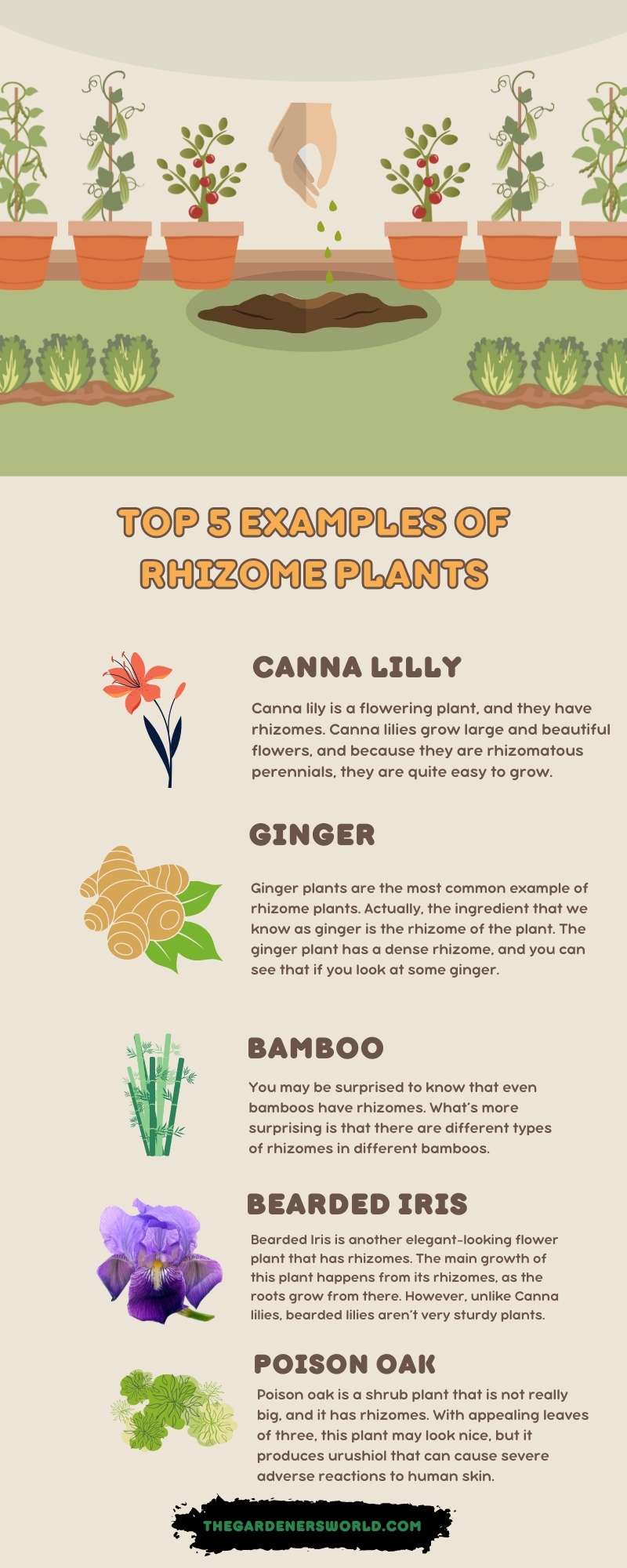
Several plants have rhizome, and there is a lot of variation in these plants. Starting from flower plants to something like ginger, there are many different types of rhizome plants.
Canna Lilly
Scientific Name: Canna indica
Scientific Classifications:
Kingdom:Plantae
Order:Zingiberales
Family:Cannaceae Juss.
Genus:Canna L.
Canna lily is a flowering plant, and they have rhizomes. Canna lilies grow large and beautiful flowers, and because they are rhizomatous perennials, they are quite easy to grow. The rhizome of this plant is called the Canna bulb, and it is often cured and stored, so it can be grown for several years.
This plant can survive the winter very well. It grows particularly well in the winter thanks to its extra store of energy. Moreover, Canna Lily pairs well with other plants like Begonias, and Caladiums.
Ginger
Scientific Name: Zingiber officinale
Scientific Classifications:
Kingdom:Plantae
Order:Zingiberales
Family:Zingiberaceae
Genus:Zingiber
Species:Z. officinale
Ginger plants are the most common example of rhizome plants. Actually, the ingredient that we know as ginger is the rhizome of the plant. The ginger plant has a dense rhizome, and you can see that if you look at some ginger.
The benefits of ginger are immeasurable. It is widely used in cooking, as we know, especially in Indian cuisine, and it can also be used to make countless home remedies for sore throats, cough, etc. If you were wondering, from one ginger plant you don’t get a single piece of ginger, they have multiple rhizomes.
Bamboo
Scientific Classifications:
Kingdom:Plantae
Order:Poales
Family:Poaceae
Subfamily:Bambusoideae Luerss.
You may be surprised to know that even bamboos have rhizomes. What’s more surprising is that there are different types of rhizomes in different bamboos. Bamboos that have thin running rhizomes that grow horizontally are called monopodial or running bamboos.
There are also sympodial bamboos, better known as clumping bamboos. This plant has more dense rhizomes with axillary buds. Growth occurs from these buds every year to produce new bamboo stems, but you should know that since the rhizome for this bamboo is dense, it doesn’t spread much. Also, the bamboo trees grow without any branches.
Bearded Iris
Scientific Name: Iris sibirica
Scientific Classifications:
Kingdom:Plantae
Order:Asparagales
Family:Iridaceae
Subfamily:Iridoideae
Tribe:Irideae
Genus:Iris L.
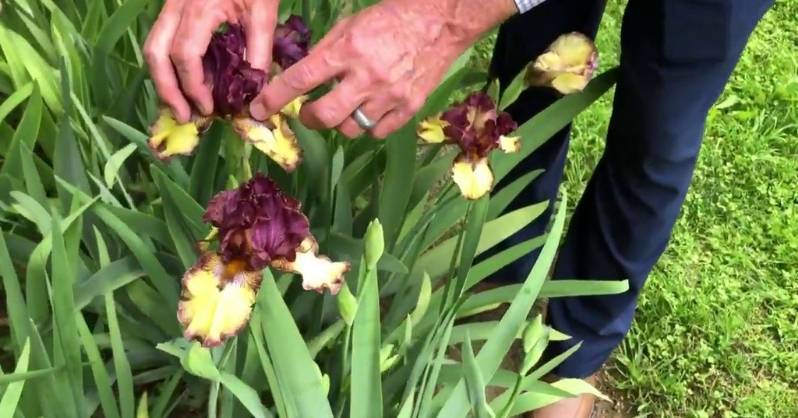
Bearded Iris is another elegant-looking flower plant that has rhizomes. The main growth of this plant happens from its rhizomes, as the roots grow from there. However, unlike Canna lilies, bearded lilies aren’t very sturdy plants. The rhizomes of this flowering plant can rot quite easily if ideal conditions are not met.
Rhizomes of bearded lilies are great for reproducing this plant. The stem-like structure should be placed about half an inch below moist soil so that the plant grows.
Poison Oak
Scientific Name: Toxicodendron diversilobum
Scientific Classifications:
Kingdom:Plantae
Order:Sapindales
Family:Anacardiaceae
Genus:Toxicodendron
Species:T. diversilobum
Poison oak is a shrub plant that is not really big, and it has rhizomes. With appealing leaves of three, this plant may look nice, but it produces urushiol that can cause severe adverse reactions to human skin.
The rhizome system of this plant falls under the running rhizome category, and it doesn’t dig deep into the ground and can be thought of as very surface level. The poison oak can sometimes grow extensively like vines over tall and thick trees in the woods.
How Can Gardeners Use Rhizomes to their Advantage?
Gardeners absolutely love plants with rhizomes because they come with numerous benefits. Most importantly, rhizomes are excellent for vegetation, and they can give growth to new plants very easily. For rhizome plants, gardeners usually use their own rhizomes to produce new plants.
This is because, as we have said before, rhizomes can give rise to new shoot and root systems for new plants. They can result in quicker growth of plants than seeds. Oftentimes, gardeners store rhizomes of plants under certain conditions so they can keep growing the plant for years ahead.
A good example of this is the bearded lily plant. By planting new plants in this way, gardeners will easily be able to get larger vegetation, and they can get a much fuller garden.
Depending on the rhizome plant, gardeners can get many more advantages. A lot of rhizome plants such as ginger, rhubarb, mint, and turmeric prove to be excellent ingredients when cooking and are often used to make natural medicine.
Are there any Drawbacks to Growing Rhizome Plants?
The main large drawback of growing rhizome plants is that it is very likely that you will be dealing with a lot of weeds in your garden. There are several types of weeds that grow with rhizome plants.
Some of these weeds are extremely invasive and can even grow from a compact rhizome to become a large plant. They are a nuisance, and getting rid of them is not a cakewalk. In some cases, you may not be able to remove the weeds completely unless your take out the rhizomes that they are growing from.
This is rare, but we should still point out that sometimes poison ivy can grow like weeds which is a very dangerous plant, so you should be careful.
Some rhizome plants are also prone to overgrow a lot, so you should be aware of that to prevent it from happening. Overgrowth is more often seen in plants with running rhizomes.
Which Pests and Disease Affect Rhizome Plants?
One of the most common diseases that affect Rhizome plants is Rhizome rot. It happens mostly in ginger and turmeric plants. The collar part of the plant gets affected first, and then it spreads throughout the plant. When a plant is affected by this disease the leaves turn yellow, and the roots start to rot eventually. You may also see that the rhizome of the plant will discolor to a dark brown color.
Pests aren’t usually the biggest issue with rhizome plants; you just need to be aware of basic pests that affect all other plants, such as shoot borer, white grubs, leaf roller, root-knot, etc.
What is the Difference between a Rhizome and Roots?
Since both rhizomes and roots are parts of the plant that grow underground, it is easy for people to confuse these two. However, we are here to tell you that these two things are actually not the same, and they do have differences.
In easy words, a rhizome is more of a modified stem structure that grows underground and produces shoots and roots from its internodes. Meanwhile, roots are thin fibrous structures that go into the ground to absorb water and nutrients from the soil.
The structure of these two things is also quite different. Roots have something called root caps that prevent delicate root tips from getting damaged, while rhizomes don’t have that.
In terms of functions, they both help in anchoring the plant to the ground. However, there are differences there as well; rhizomes can reproduce very well, whereas roots do a great job at absorbing water. Although roots can store nutrients, rhizomes have a much larger store of energy.
Can All Plants Produce Rhizomes?
No, all plants cannot produce rhizomes, and a lot of them do not need to have rhizomes. However, many plants do have rhizomes, and we have used many of them as examples in our article.
Where do Rhizomes Grow Best?
As you already know, rhizomes only grow underground, and for them to grow in the best way possible, they must be planted in moist soil. The environment in which rhizomes will grow best will also vary depending on their plant. For example, some rhizome plants require more fertilizer than others.
Exposure to sunlight can also cause faster growth of rhizomes generally, but the temperature is generally not an issue unless it is at extremes.
How do you Prevent the Overgrowth of Rhizomes?
Overgrowth of rhizomes is a genuine concern with a lot of rhizome plants. Hence, we are going to give you some tips on how you could control this overgrowth. If you are a gardener, then you could place your rhizome plant in a pot underground, so the rhizomes don’t spread too much.
The way you have to do this is that at first, you will take a large pot and then cut out the bottom part of it. Removing the bottom portion will allow more nutrients to be transferred. Dig a hole of about 10 inches, then place the pot inside, and put some soil inside the pot.
Put the rhizome of your plant at the depth at which it will grow best, and then cover it with soil, and make sure to water the area routinely for proper growth. This is a prevention method, so if you are just about to plant your rhizome plant, this could save you a lot of trouble!
Conclusion
Rhizome plants can be a great addition to your garden if you want to make your garden look more interesting. By taking a look at all the examples of rhizome plants that we have mentioned, and by reading our discussion about its characteristics, we hope you were able to gain more clarity about this type of plant. If you have found this article interesting, we would suggest you dig deeper into rhizome plants; you may be even more amazed by what you read!
Could pepper plants be perennial? Yes, they are an excellent example of perennial plants. In cold regions, they are mostly grown as annuals, even though they are perennials.
Do perennial pepper plants have a chance of growing in countries like the United States and the United Kingdom? Yes, they do.
We’ll discuss the topic in detail below for you.
Are All the Pepper Plants Perennial?
Many people wrongly assume that pepper plants are annuals. But in reality, they are perennials.
The reason behind the misconception is that most people only grow pepper plants for a single season, as they are not usually winter hardy in most regions. However, in warm regions, you can treat them as perennial without any issues.
That said, with proper care and protection, your pepper plants can survive for many years, even in cold regions. We’ll discuss more about that in our article.
How to Grow Pepper Plants in a Warm Climate
There are lots of perks of living in a warm zone if you love gardening. And if you want to grow pepper plants, then you won’t have to do any extra tasks to treat them as a perennial.
Now, the first thing you need to do is find some good and healthy seeds. Make sure the plant seed is insect resistant.
Next, you have to place them on the ground. There’s no need to use a pot or anything. Make sure there’s a good amount of spacing between the seeds. Ideally, it should be 18 inches.
Remember that they will be a minimum of 6 hours of sunlight. So, you have to keep them in place from where sunlight is easily accessible. If something is blocking the sunlight, remove it. Otherwise, you won’t get the desired results.
Another thing you will need to plant alongside the seed is a stake. It will be there to support the plant. One thing that bothers gardeners constantly is weeds. So, it’s better if you take some precautions against it.
For that, you can create a layer of mulch to ensure weed can’t grow properly. A 3-inch layer should do the job. It will also help with preserving the moisture for the plant.
The following steps are regular and nothing extraordinary.
Just like any plants, you’ll need to water them constantly. The fertilizer you use should be an all-purpose one. But don’t use them before you see the flowering on the plant.
What if I’m not Living in a Warm Climate
If you’re not living in a warm zone, you can still grow them as perennials with the help of overwintering.
But what is overwintering?
It’s a process of preparing your plant for the upcoming winter months. For this, you may need to bring the potted plants indoors and apply mulching around the base of trees and shrubs. You might even need to wrap tender vines in burlap.
The ultimate aim is to protect your plants from the cold in winter, as the cold winter can damage them or cause them to die.
What’s the Advantage of Overwintering
There are numerous advantages of overwintering, which we’ll list below for you.
You can grow pepper plants for longer
You’ll get an early start
Helps in dealing with pests and diseases
No need to buy new plants for the new season
How to Grow Pepper Plants as Perennials with the Help of Overwintering
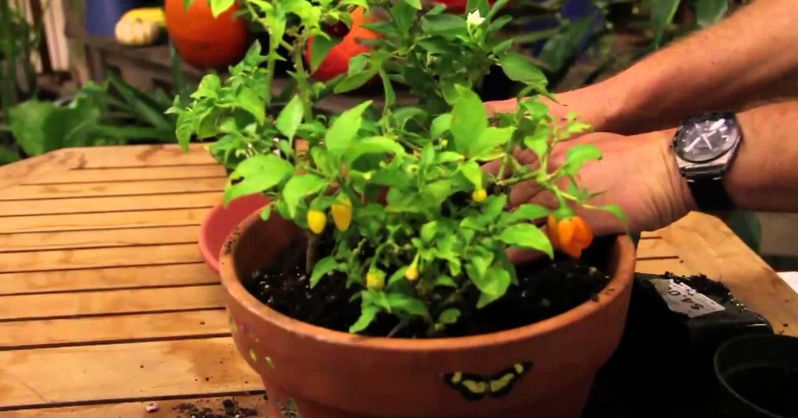
Uprooting pepper plants from the ground and potting them into the containers has a high chance of failure. Instead, you should try to work with the pepper plants that you’re already growing in the pots. That way, you’ll be able to avoid the unnecessary complications of dealing with roots.
Next, you might need to work on a bit on the length of the plants so that they become the right fit for the indoor space. Getting too big a plant can look odd in the room.
Regarding the place, keep the pepper plants where they’re not affected by the freezing temperature. It’s not like you have to keep them right beside the fireplace, but don’t keep them where they’re in direct contact with the frost. If you have conservatory, that would be perfect.
How often should you water them?
Unlike in the warm zones, here you won’t water them regularly. In fact, you won’t water them unless they’re on the verge of drying.
How do you resurrect these pepper plants?
It’s easy. About 45-50 days earlier of the final frost date, you’ll need to shift them to a new pot with multipurpose compose mixed. Then, you need to cut down on the old medium for about 3 inches. In the next step, you’ll need to shift it again to a bigger pot with fresh compost.
Then you wait for some signs of regrowth. Once you see that happening, start watering them more. Finally, move them out in the open space.