Author: Mohammed Rujel

  • What Is Azucena Flower? Origin, Uses, Care & Facts

    What Is Azucena Flower? Origin, Uses, Care & Facts

    Is the name Azucena throwing you off guard? This rarely used name may give you the impression that you’ve never heard of this flower, let alone seen it. However, you’ll be surprised to know what it’s commonly called.

    The Azucena flowers are commonly referred to as Lily, but they’re essentially only a genus of Lily. Lilum Candidum, or Madonna Lily, are called Azucena flowers. In this article, we’ll discuss this flower more. So, let’s get right to it and learn some interesting facts.

    What Is an Azucena Flower?

    What Is an Azucena Flower

    Azucena is the Spanish name for Madonna lilies. It is essentially herbaceous tuberose. They belong to the Lilium genus and Liliaceae family. These plants grow up to 50 cm or 1.5ft. long. Their bases grow up to 13mm in width.

    These tubular flowers have a 6cm tube that ends with six petals at the end. One of the striking characteristics of Azucena flowers is their fragrance. Other than that, these have six stamens protruding from the tube. The stigma is divided into three parts.

    The History of The Azucena Flower

    The History of The Azucena Flower

    Although much can’t be found about the history of this flower, certainly, they were first recorded about 3,000 years back. This makes Azucena flowers the first-ever documented lilies to exist. Although, that doesn’t necessarily mean that these are the most ancient ones. 

    The Meaning of The Azucena Flower

    Like every other flower, the Azucena flowers come with an identity of their own. The first part of their scientific name, which is Lilium, is made up of two Latin words. The first part, Li, is a Latin word for white. Secondly, Ilium is a Latin word for flower.

    The second word, Candidum, also carries a meaning. It means shining or dazzling white. So, Lilium Candidum stands for Shining white flower if put together.

    How To Grow This Flower?

    How To Grow Azucena Flower

    There are multiple steps to growing an Azucena flower. Moreover, caring for this is just as important as growing it. In this section, we’ll be going over all of those.

    Decide a Time for Plantation

    Firstly, you need to decide the right time for planting an Azucena flower. They can’t withstand winter, so it’s important to plant them right after winter. This will help them last the longest.

    One more thing to note is that Azucena flowers don’t do well in cold climates. Even in warm weather, they’ll require at least four months to mature. If you live in a cold climate, you can plant the flower indoors first. Once they’re mature enough, transfer them outside.

    Soil Preparation

    Azucena flowers need proper soil preparation for optimum growth. The first thing you should work on is ensuring proper drainage. Next up, work on adding as much nutrition to the soil as possible.

    To do this, you can add compost, manure, or moss into the soil. These organic fertilizers are best for nutrition supply. You need to apply a mixture of all the said items at least 3 cm thick above the soil. This also helps with the drainage solution.

    However, if you don’t want to raise the soil bed, you can use a draining pot instead. These flowers can adapt to different levels of pH. Although they can withstand down to 5.5 pH, it’s optimum to keep it around 6.5 or 7.

    Azucena Flowers Love the Sun

    Azucena is a long day flower and loves the sun. You need to plant them in an area that has sun exposure for at least six hours a day. As these are more suitable for warm climates, planting them in partial or complete shade will only dry them out.

    Water the Plant Appropriately

    Before the plant emerges from the seed, you should water it only when necessary. Overwatering in this stage will prevent germination. Once the plant appears above the soil, it’s an indication that it has a developed root system. Thus, it’ll be able to handle more water.

    Even during the growing season, it’s not necessary to water it too much. Ideally, filling the plant bed with 3cm of water every week would suffice. Instead of watering frequently, water it once a week.

    In case of heavy downpours, reduce the frequency of watering or don’t water at all. Overwatering will cause root rot as these plants are prone to such diseases.

    Fertilize As Per Necessity

    If you want your Azucena flowers to bloom with all of their glory, then it’s wise to fertilize them appropriately. We highly recommend applying 8-8-8 fertilizers on them. These come with an equal part of phosphorus, nitrogen, and potassium.

    The fertilizer needs to be applied around the plant once every 40 days. If it’s solid, you need to spread it on the soil around the plant. In the case of liquid fertilizers, you just need to follow the instructions.

    Prune Dead Flowers

    In the growing season, you will come across dead flowers. Pruning the dead flowers will facilitate the growth of new flowers. So, we highly recommend pruning dead flowers weekly.

    Facts About the Flower

    Here are some facts about Azucena flowers that might interest you:

    • These flowers have been grown since ancient times because of their adaptability. They aren’t particularly picky when it comes to soil pH or type. It’s also very easy to maintain or care for them.
    • Azucena flowers were used as medicinal items in ancient medical treatments.
    • These plant seeds don’t last if stored for a long time. This is due to the absence of a thin covering that’s present in every other bulbous plant.
    • There’s a ton of mention of Azucena flowers in religion and poems. They were mostly used to symbolize purity.
    • It’s scientifically proven that Azucena flowers have health benefits that help combat diabetes, cancer, and heart diseases.  

    What’s The Origin of This Flower?

    What’s The Origin of Azucena Flower

    It’s not possible to trace back the actual origin of Azucena flowers due to a lack of information. What we know is these beautiful lilies used to grow in Southern parts of Europe and Asia in abundance.

    Due to their beautiful appearance, low maintenance, and high adaptability, they became famous all across the globe.

    Conclusion

    As you can see, Azucena flowers have a glorious history, and since the ancient days, they have been hailed as the symbol of purity. Planting these in your backyard or your home would not only beautify your place but would also bring a sense of serenity.

    Related Posts:

    10 Examples of Flowering Plants

    What Is Nardos Flower? Origin, Uses, Care & Facts

    White Orchid: Learn Everything About the Elegant and Mysterious Flowers

    Blue Orchid: Everything About the Exotic Flower

    Red Orchid: All You Need to Know About the Fascinating Flower

  • Do Plant Cells Have Mitochondria? All You Need to Know

    Do Plant Cells Have Mitochondria? All You Need to Know

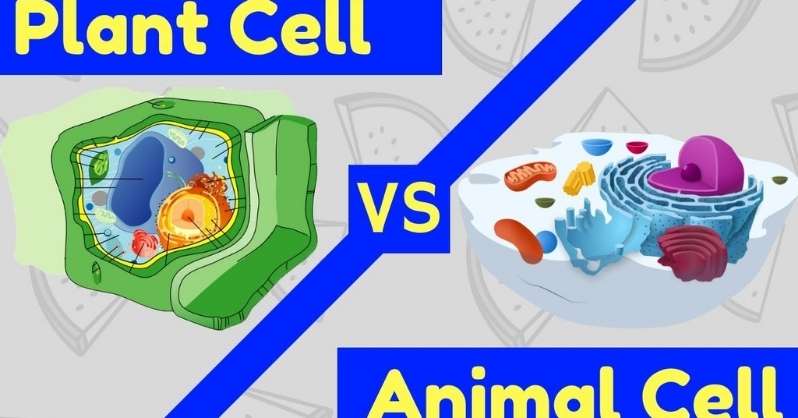
    The basic unit of all plants is the plant cell. And just like animal cells, plant cells are eukaryotic. That means that these have membrane-bound organelles and a nucleus. Now, when it comes to most eukaryotic organisms, there is something called the cell’s digestive system, which is mitochondria.

    So, do plant cells have mitochondria? Well, the answer can be pretty straightforward, considering the fact that the cells are eukaryotic. But is that the case? Also, even if they have mitochondria, what do the cells need them for? We will answer it all in this discussion!

    What is Mitochondria?

    What is Mitochondria, What are Mitochondria

    Mitochondria, popularly known as the “Powerhouse of the Cell,” are double-membrane-bound organelle. And as we have mentioned above, they are found in most eukaryotic organisms, including plant cells. 

    A mitochondrion, a singular form of mitochondria, generates most of the chemical energy the cell needs to power the biochemical reactions. That is exactly why mitochondria are known as the powerhouse of cells.

    The chemical energy a mitochondrion produces is usually stored in a small molecule. That molecule goes by the name of Adenosine Triphosphate, otherwise known as ATP. And this molecule is essential to drive all of the cellular functions and all the other biological processes.

    That said, mitochondria have their chromosomes. For that reason, the mitochondrial DNA they get is inherited from the mother. Now, you might be wondering how mitochondria produce energy. Well, mitochondria produce energy by making the chemicals within the cell go through pathways.

    As the ATP produced by mitochondria is a high-energy bond, it is more than capable of providing energy for other reactions within the cell. 

    Nonetheless, some cells might have different amounts of mitochondria. The reason behind that is that those cells require more energy than the others. And in comparison, plant cells have fewer mitochondria than animal cells. So, that translates to plant cells requiring less energy than animal cells.

    Different Parts of a Mitochondrion

    Different Parts of a Mitochondrion

    The mitochondrion has different compartments. Each of them carries out a specialized function. Some of the significant regions of a mitochondrion include:

    Outer Membrane

    The outer portion includes proteins that are called porins. These form channels that allow the proteins to cross. And that is not applicable for just proteins. Other small molecules can also freely pass through this outer membrane. This membrane also hosts a large number of enzymes that have different functions.

    Intermembrane Space and Inner Membrane

    Basically, the intermembrane space is the area that is between the outer membrane and inner membrane. And the inner membrane of mitochondria has loads of roles. As porins are not available in the inner membrane, it is not permeable for most molecules.

    Now, special membrane transporters come into action for the molecules to pass through the inner membrane. And the inner membrane is the region where mitochondrion forms most of the ATP.

    Cristae

    These are folds that are within the inner membrane. They are responsible for increasing the surface area of the membrane. And when the membrane has a large surface area, there will be enough space available for all of the chemical reactions.

    Matrix

    The matrix is another space within the inner membrane. It contains hundreds and hundreds of enzymes. All of these enzymes are crucial for the production of ATP. Also, the matrix holds the mitochondrial DNA. 

    Do Plant Cells Feature Mitochondria?

    Do Plant Cells Have Mitochondria

    Plant cells are eukaryotic. And just like most other eukaryotic organisms, you will find mitochondria inside the plant cells. Mitochondria, in plant cells, carry out loads of critical processes inside the plant. 

    Like animal cells, mitochondria have a significant role in synthesizing ATP through the coupling of a membrane in plant cells. That allows the transfer of electrons from NADH to O2. NADH is generally generated from the oxidation of organic acids. And they are generated through the tricarboxylic acid cycle.

    Along with that, mitochondria also perform loads of secondary functions, including the synthesis of amino acids, vitamins, lipids, and nucleotides.

    Do Plant Cells Need Mitochondria?

    Do Plant Cells Need Mitochondria

    One of the key differences between plant cells and animal cells is the chloroplast. It is an organelle that remains within the cells of the plants. And it is the site of photosynthesis. Now, photosynthesis is a process through which energy from the sun is converted into chemical energy. Plants use this chemical energy for growth.

    So, why do plants need mitochondria when they already have chloroplast? Well, mitochondria have their own genome. They undertake translation and transcription by some unique mechanism. And they actively import metabolites and proteins from the cytosol. Those are involved in programmed processes of cell death in plants.

    The metabolites and proteins are also involved in the functions of responding to different cellular stress conditions. In comparison, chloroplasts are plant cell organelles. They are responsible for converting light energy into chemical energy. And they create that relatively stable energy through the photosynthetic process.

    By carrying out the photosynthesis process, chloroplasts sustain life on earth. Along with that, Chloroplasts are also responsible for carrying out different metabolic activities in plant cells. That includes the synthesis of membrane lipids, fatty acids, tetrapyrroles, isoprenoids, and others.

    So, it goes without saying that plant cells require both mitochondria and chloroplasts as they both perform cell respiration and photosynthesis. While chloroplast converts solar energy into chemical energy, mitochondria produce ATP.

    What Would Happen If a Plant Cell Didn’t Have Mitochondria?

    In short, plants will not be capable of surviving without mitochondria. It is a vital cell organelle needed for the survival of all living. And although plant cells have chloroplasts, which produce chemical energy from light, without mitochondria, there will be no cellular respiration. That would eventually make the cell not function.

    The same thing is applicable to animal cells. In fact, any cell that requires mitochondria will not function without them.

    Related Posts:

    Do Plant Cells Have Centrosomes? A Detailed Answer

    Do Plant Cells Have Flagella for Movement? Learn the Facts

    Do Plant Cells Have Peroxisomes? A Complete Analysis

    Do Plant Cells Have A Permanent Vacuole? Learn About Its Role Here

    Do Plant Cells Have Cytoskeleton? Functions & Structure

    Conclusion

    So, in a nutshell, plant cells do have mitochondria. They are essential for cellular respiration and the production of energy. And without mitochondria, the plant cells will not function, even with chloroplast in them. 

    https://www.ncbi.nlm.nih.gov/pmc/articles/PMC4517925/

    https://pubmed.ncbi.nlm.nih.gov/18369896

    https://www.frontiersin.org/research-topics/5623/structure-and-function-of-chloroplasts

    https://byjus.com/neet-questions/why-plant-cells-need-both-chloroplasts-and-mitochondria/

    https://www.doubtnut.com/question-answer-biology/animal-cells-have-more-mitochondria-than-plant-cells-because-70059265

  • 7 Popular Deciduous Forest Plants You Should Know About

    7 Popular Deciduous Forest Plants You Should Know About

    If you happen to live in the eastern half of America, Europe, or Australia, you might have come across deciduous forests or heard of them. What’s so special about them? In this article, I’ll try to explain what deciduous forests are and also name some plants you might encounter in them. 

    Deciduous forest plants are quite varied, and the forests themselves can be an amazing thing to look at. Let’s learn more about them.

    What Is A Deciduous Forest?

    What Is A Deciduous Forest

    Deciduous forests are forests where the trees are deciduous type trees. Deciduous type trees, in contrast to evergreen trees, do not keep their leaves all year long. They are full of green leaves during the spring and summer, but when colder seasons come around, the leaves lose color and fall off. The trees enter a dormant state to preserve energy, and then the leaves begin to sprout again once Spring and Summer arrive.

    This cycle helps them survive much tougher conditions, but many of them require fertile soil to properly thrive. Deciduous forests are often comprised of five layers. The layers are divided by the height and the plant life found at that particular height. It starts from the ground layer containing mosses to the herb layer, shrub layer, small tree layer, and tree layer containing the biggest trees in the forest.

    What Kind Of Plants Live In A Deciduous Forest?

    Due to the shedding of leaves and later their decomposition, deciduous forests contain high mineral content in the soil. As a result, rich plant life can be found in deciduous forests owing to the soil. Most plants in deciduous forests prefer a temperate climate.

    In many deciduous forests, canopies can be formed by the largest trees resulting in smaller trees getting less sunlight. This promotes growth amongst trees as they all try to compete for sunlight resulting in deciduous forests having some of the largest trees. 

    As it has been stated, deciduous plants and trees primarily populate these forests. However, due to circumstances and adaptations, some breeds of conifer trees can also be seen in these forests. Their cone shape stands out amongst the tall trees.

    Shrubs and smaller plant life found in deciduous forests are generally characterized by big and wide leaves. Alternatively, some of them have distinct shapes, like maple leaves. 

    Examples Of Plants In A Deciduous Forest

    Now let’s look at a few plants that are commonly found in deciduous forests:

    Oak

    Oak trees

    Oak trees are often prevalent in deciduous forests. North American deciduous forests have the largest variety of oak species. These types of trees are identifiable by their spread-out, serrated leaves. They drop acorns which help with the germination and growth of other oak trees.

    Despite all this, some oak species are being endangered due to deforestation and climate change. Oak is a hardwood tree, and the wood sees a lot of use which is why it often gets cut and turned into lumber.

    Walnut

    Walnut plant trees

    Walnut trees can grow up to as high as 40 meters, and their dark brown bark is quite noticeable. These types of trees and their species are seen in North America and China. The walnut that many people eat simply refers to the seed inside the fruit from walnut trees. 

    Due to the textured bark that walnut trees possess, many of these trees get cut and used for constructing furniture. The tree leaves are long and thin, contrasting some other deciduous trees.

    Maple

    Maple tree plants

    Maple trees are popular deciduous trees, with them being the national tree of Canada. Outside Canada, they also heavily populate Asia. Maple trees can go up to 45 meters in height, and their roots are great at absorbing minerals, so, in many places, they are often found separate or alone due to inhibiting the growth of other plant life near them. 

    Maple leaves are veined, which helps identify them. While they are usually green, different shades of maple leaves exist, including brown and red. Maple trees are an important source of syrup and are often used in decoration. 

    Sycamore

    Sycamore tree plant

    In North America, Sycamore trees are usually the largest deciduous trees characterized by their mottled bark, which reveals both dark and light bark. The leaves are quite large and have serrated edges. These are very strong and durable trees and can withstand much harsher conditions. Due to how tall they are, they are often able to get the most sunlight since they stand above the other trees. 

    Pussywillow

    Pussywillow tree plant

    Pussywillows are a shorter species of willow trees that are found in upper North America. They are often the first trees to sprout during spring. They can survive in partial shade, so their shorter size does not pose an issue. The rich soil in many deciduous forests helps these willow trees grow faster. 

    They are generally only found in deciduous forests as they don’t take well to wind or snow. Colder climates make it extremely hard for them to thrive, and they prefer the temperate climate found in many deciduous forests.

    Bumald Spirea

    Bumald Spirea plant tree

    Bumald Spirea is a hybrid plant that is identifiable by its bright pink leaves during spring. They are usually found in clusters and prefer the temperate climate in many deciduous forests. Spirea plants can grow with partial sunlight and are often found in the shrub layers in many forests. These are mainly used for planting along the fence line.

    Cottoneaster

    Cottoneaster plant

    Cottoneaster is a deciduous shrub that is primarily found in many parts of Asia at higher altitude lands. They have numerous small leaves that often have tiny red fruits sprouting from them. Despite their small stature, they are quite resistant to harsh conditions, light droughts, and heavy winds and can survive many winters without too much trouble. 

    How Do These Plants Adapt To The Changing Environment?

    While the mechanisms differ depending on the species of plants, there are some common tactics they use. One way they survive changes in the environment is simply resilience. Some trees are strong enough to survive strong winds and other dangers meaning they simply continue to thrive even against difficult odds.

    As it has been said before, deciduous trees shed their leaves to enter a dormant state during winter. These leaves decompose into the ground, ensuring nutrients and mineral content remains high. Some trees also drop their seeds onto the ground, and due to the high-quality soil, these seeds have a high chance of maturing into trees. Through this many plants ensure their species continues to thrive, and spreading out seeds ensures their chances of survival.

    Recent studies show that through germination and their seeds getting carried, deciduous trees are moving towards the west and going into areas with more moisture. As a result, due to climate change, they are migrating toward newer areas, and in a couple of years, it might be possible to see newer deciduous forests sprout up. 

    What Threats Do Plants Face In A Deciduous Forest?

    Despite their ability to adapt to changes, deciduous forests still face threats. One of the most common threats is humans themselves. Deforestation for lumber is common in deciduous forests since the trees possess great lumber that is used for construction and furniture. Deforestation has driven some deciduous trees to near extinction, and some deciduous forests have died to forest fires. 

    Another threat is pests and diseases. The climate that most deciduous forests have often resulted in many different types of pests, which can spread diseases. Various larval worms can often start eating through many leaves and destroy trees. Invasive species being introduced can also end up devastating some species.

    Some forests in North America have been subjected to storms or hurricanes. Flooding can end up leveling forests, and there is very little many trees can do to protect themselves from such natural disasters. Flooding can also heavily affect the soil content meaning it can be impossible to grow the trees again for many years until soil content returns to normal.

    Where Can You Find Deciduous Forest?

    Deciduous forests can be found in areas with temperate climates. This is usually in the middle-latitude regions like Asia, Russia, Europe, and the eastern half Of North America. They prefer areas that have a large body or bodies of water around them and do not like snowy areas.

    Conclusion

    After reading this, you should have a better understanding of deciduous forests. They are quite interesting, and there are many more deciduous trees and plants than the ones we’ve covered due to a large amount of variety in these forests. 

    Article Sources:

    1. https://www.britannica.com/science/deciduous-forest
    2. https://www.exploringnature.org/db/view/Deciduous-Forests
    3. https://www.vedantu.com/biology/deciduous-forest
  • Do Plant Cells Have Lysosomes? Everything You Need to Know

    Do Plant Cells Have Lysosomes? Everything You Need to Know

    Plants intake a lot of different types of food. That includes proteins, carbohydrates, lipids, nucleic acids, and all other types of biological polymers. To break all of these down, plants require an array of enzymes. And lysosome, a membrane-enclosed organelle, contains precisely all of those enzymes.

    So, do plant cells have lysosomes? Or do they rely on other organelles to get the enzymes required for breaking down the polymers? Well, the answer is not a simple yes or no. You need to understand much about the topic to get to the bottom. And through this discussion, you can acquire them all.

    What Are Lysosomes?

    What Are Lysosomes

    As discussed earlier, lysosomes are basically membrane-enclosed organelles. They contain a wide range of enzymes that cells require to break down polymers. Basically, the lysosome acts as a digestive system of the cells. It plays a role in degrading the material taken from the outside.

    But that is not all! Lysosomes also play the role of making the cells digest the obsolete components. In the simple form, lysosomes can be visualized like a dense spherical vacuoles. However, they can also display numerous variables in shape and size.

    Now, the difference in size and shape will be because of the materials lysosomes are taking up for digestion. Considering that, you can define lysosomes are morphologically diverse organelles with a standard function. And that common function is to degrade the intracellular material.

    On that note, although lysosomes take part in degrading the materials taken from life-expired components in plant cells, they are not garbage disposal units, nor are suicide bags. They play no role in terms of identifying which of the cells are eliminated. That is the core function of phagocytosis or programmed cell death.

    Do Plant Cells Come With Lysosomes?

    Do Plant Cells Have Lysosomes

    The membrane-bounded organelles, lysosomes, are in animal cells. Yes, they are present in plant cells. However, the presence is not that common. The reason behind the absence of lysosomes in some plant cells is pretty unique. Some cells have a rigid cell wall. That prevents the foreign substance from entering the cell.

    So, as the foreign substances have no way of entering the cell, there is no need for a lysosome. For that reason, you will not find lysosomes in some plant cells. 

    How Do Lysosomes Help Plant Cells Function?

    lysosomes function in plant cell

    The critical function of the lysosome is to aid digestion and remove the waste from the cell. During endocytosis, plant cells can pull foreign particles or cellular debris into the cell. And lysosomes shine in that case. It will degrade all the material the plant cells take from the outside.

    Now, what is the endocytosis process? It is the process through which cells take substances from outside the cell. The process involves engulfing the materials from the outside into a vesicle. 

    When it comes to the substances that get in during the endocytosis process, it can include things such as nutrients or pathogens. The nutrients, in this case, will support the cell, while immune cells will engulf the pathogens and destroy them.

    Nonetheless, the endocytosis process occurs when a part of the cell membrane folds in on itself. That makes the cell membrane encircle the extracellular fluids and other microorganisms or molecules. Then, the resulting vesicle will break off and be transported within the cell.

    Implications of Plant Cells Lacking Lysosomes

    The plant cells that do not have lysosomes will rely on the thick cell wall. That wall will prevent waste materials or obsolete cell components from getting in. In other words, as the materials that lysosomes are responsible for handling do not enter the cell, some plant cells do not require lysosomes. 

    However, lysosomes also play a role in the digestive process. So, how do the plant cells without lysosomes manage that?

    The lytic vacuoles perform digestive functions in plants and yeast cells. The lytic vacuoles will detoxify the plant and ensure that the cell maintains the overall hemostasis. Without the process of lytic vacuoles, the plant cells will not grow to full maturity.

    What Is The Difference Between lysosomes in Plant Cells and Animal Cells?

    Difference Between lysosomes in Plant Cells and Animal Cells

    The main difference that lies between the lysosomes of plant and animal cells is their function. For an animal cell, the lysosome will act like a garbage disposal. Lysosomes will take on the foreign materials that come into the cell and take care of them.

    However, vacuoles take care of the garbage disposing function for plant cells. Lysosomes will not determine the cells that are eliminated. As discussed earlier, that function is for phagocytosis or programmed cell death.

    On the other hand, lysosomes in plant cells will have enzymes. These enzymes will help in breaking down the proteins, lipids, nucleic acids, polysaccharides, and worn-out organelles. The enzymes that are present in lysosomes will have a comparatively lower pH level than the ones that are in the cytoplasm.

    Due to having a low pH level, the enzymes have a higher acidity level when compared to the pH of the cytoplasm. Now, for having a relatively high pH level, a lot of the reactions will not occur in the cytoplasm.

    Types of Lysosomes

    Types of Lysosomes

    Recent studies suggest that are two types of lysosomes. The first one is the secretory lysosomes. These will usually be in the immune system’s cells. For example, the T Lymphocytes are derived from the hemopoietic cell line. However, that does not mean that secretory lysosomes are exclusive to different immune system cells. 

    The second type of lysosome is the conventional one. But what makes the conventional ones different from the secretory lysosomes? Well, the secretory lysosomes will have a cell’s particular secretory product. Again, take T Lymphocytes as an example. It will contain granzymes and perforin products.

    Those two secretory produces can attack the tumor and virus-infected cells. On that note, the ‘combi cells’ secretory lysosome contains membrane proteins and hydrolases. It will also have the right pH to regulate the facility of conventional lysosomes.

    How Are Lysosomes Formed?

    Lysosomes are formed through the fusion of transport vesicles. The vesicles are budded from the trans-Golgi network along with endosomes. And the endosomes will contain all of the molecules taken up by the endocytosis. Now, in this case, the molecules that will only come into play are the ones at the plasma membrane.

    That said, if you take a close look at the formation of lysosomes, it represents the intersection of the secretory pathway and endocytic pathway. The secretory pathway is where lysosomal proteins are processed. On the other hand, the endocytic pathway is where extracellular molecules are brought up to the cell surface.

    Conclusion

    Lysosomes are present in plant cells. However, they are not that common. 

    The plant cells that do not have lysosomes will rely on their thick cell wall. It performs the lysosome’s function in preventing foreign substances from getting in.

    Related Posts:

    Do Plant Cells Have Mitochondria? All You Need to Know

    Do Plant Cells Have Centrosomes? A Detailed Answer

    Do Plant Cells Have Flagella for Movement? Learn the Facts

    Do Plant Cells Have Peroxisomes? A Complete Analysis

    Do Plant Cells Have A Permanent Vacuole? Learn About Its Role Here

  • Do Plant Cells Have DNA? A Detailed Answer

    Do Plant Cells Have DNA? A Detailed Answer

    DNA is one of the most vital components of a cell. In an animal or human cell, the role of DNA is immense. Starting from cell survival to transmission of genetic information, everything in a cell depends on DNA. This is why DNA is called the code of life. 

    But do plant cells have DNA? Yes, the cells in plants have DNA. But what role does DNA play in a plant cell? 

    Keep reading to discover all about the functions of DNA in a plant cell.

    What is DNA, and what does it do? 

    What is DNA

    DNA, or deoxyribonucleic acid, is the genetic material in plants and animals. Almost all organisms contain DNA in their cells. It is located in the nucleus of every cell and is basically a macromolecule called nucleic acid.

    DNA is a self-replicating material which carries genetic information from one cell to another. Most of the DNA in a cell is housed inside the nucleus, but some mitochondria or chloroplasts in plant cells may contain trace amount of DNA.

    There are four chemical bases called adenine, guanine, cytosine, and thymine that store the information in DNA in the form of genetic code. These bases pair up with each to form base pairs. Adenine pairs with thymine, and cytosine pairs with guanine to form the base pairs. The bases are then united with a phosphate and sugar molecule to form a nucleotide. The nucleotides form a double helix pattern, which gives the shape of the DNA.

    Do Plant Cells Have Their Own DNA? 

    Do Plant Cells Have DNA? 

    Of course, plant cells have DNA. Anything living comprises of DNA. DNA is necessary for cellular development and maintenance. The nucleic acid DNA or deoxyribonucleic acid carries sets of instructions that bears the genetic code for life.

    Plant cells cannot survive without DNA. Without DNA, there would be no transmission of genetic information. As a result, plants would cease to exist, even the transgenic ones. There would be no replication of DNA and the genetic information from one plant to another.

    Besides, DNA allows the encoding of genetic information stored in a plant’s chromosome. This DNA undergoes replication and transcription and later paves the way for translation, which is necessary for cellular sustenance.

    How is DNA Relevant to plants?  

    DNA is relevant to plants because of its importance in plant life and its necessity to synthesize other components for cellular development. 

    This nucleic acid called DNA contains sets of genetic codes that are required to form other cellular components like RNA or proteins. Proteins are responsible for providing structure and support to the cell, taking part in physiological functions, catalyzing metabolic reactions, and providing protection against pathogens. These proteins are the end result of translation, where RNA takes part in the synthesis of proteins. RNA originates from DNA in the process of transcription. As a result, the entire plant cell is dependent on DNA for survival.

    The Function of plant DNA


    function of plant DNA

    Plant DNA has lots of functions. Just like the DNA of any living being, plant DNA performs similar functions.

    A plant cell uses this DNA as its genetic substance. This DNA bears a set of coded instructions for the synthesis of proteins, RNA and for the transmission of traits. This set of coded instructions will determine what the sex of the plant will be, what will be its height, color, shape, and so on.

    Besides, DNA is responsible for replication, which means copying of the genomic DNA into the respective cells. It is also necessary for transcription, which refers to the synthesis of RNA from DNA. This RNA, later on, forms proteins, which are necessary for cell survival. The coding regions in DNA code for genes which are basically the proteins.

    DNA also bears genetic information for cell growth and division. It also plays an active role in information transfer and storage. Every time a cell divides, all of the cell’s information is copied. Crossing over in DNA molecule is responsible for recombination.

    Overall, with so many functions, DNA can be called the blueprint or code of life.

    Where is DNA Found in Plant Cells 

    Where is DNA Found in Plant Cells 

    DNA or deoxyribonucleic acid is located in the structure called the nucleus of the cell. The nucleus is called the brain or the controller of the cell. This structure houses DNA which is responsible for encoding genetic information.

    The nucleus contains a bi-layered membrane and nuclear pores that are formed by protein complexes. DNA is located in the nuclear genome of a plant cell. However, some part of genetic material or DNA is located in the mitochondria, chromosome, and chloroplast.

    Is the Plant DNA and Animal DNA the Same 

    Although their functions are the same, plant and animal DNA is not the same. The main difference between plant and animal DNA is due to their base sequence arrangement. 

    Both plant and animal DNA molecules are formed from the same four nucleotides, but the only difference lies in the order of the base sequences. The sequence of the bases decides on the proteins to be synthesized. The arrangement of the nucleotides will determine how the plant or animal will turn out to be and what traits it will possess.

    Another differentiating point between plant and animal DNA is that plant DNA is slightly larger than animal DNA. Also, the isolation of plant DNA is more difficult than that of animal DNA.

    Despite being so different from each other, both plant and animal DNA perform the same function, which is expression of hereditary characteristics and cellular development.

    How Plant Cell DNA Grows Our Food 

    If you didn’t know, plant cell DNA is responsible for growing the food we eat. The process is called genetic engineering. Basically, the food we eat is called genetically engineered food, and it originates from plant cell DNA. 

    Genetically engineered (GE) foods are prepared using DNA from another plant or animal. The DNA in the food is modified using separate DNA. This separate DNA is obtained from a plant cell, according to a scientist’s opinion.

    The result is a genetically modified food. Genetic engineering is a very advanced process in the modern world, and it has opened the doors to a lot of opportunities. You can now add a gene possessing your desired trait to an existing cell and enjoy all the benefits you want. Instead of selective breeding, this process allows you to choose a plant cell with the desired characteristics and breed them to produce offspring with the same characteristics.

    An advantage of this process is that you can filter out all the unnecessary genes and only select the gene that you want to express. So, you can create more foods with selective traits at a faster pace.

    Foods grown through this process from plant cell DNA tend to be more nutritious and safer. Since they are genetically modified, so there is absolutely no risk of diseases being transmitted. The crops grown are drought-resistant and require less use of pesticides. The food supply is extended with longer shelf life, and it takes less time to produce the food compared to selective breeding.

    Overall, genetic engineering or genetic modification is an interesting process that can yield better results in food production from plant cell DNA in a limited amount of time. 

    Related Posts:

    Do Plant Cells Have Lysosomes? Everything You Need to Know

    Do Plant Cells Have Mitochondria? All You Need to Know

    Do Plant Cells Have Centrosomes? A Detailed Answer

    Do Plant Cells Have Flagella for Movement? Learn the Facts

    Do Plant Cells Have Peroxisomes? A Complete Analysis

    Conclusion  

    Bringing the discussion to the end, it can be said that plant DNA has a pivotal role in the transmission of hereditary characteristics. Plants use DNA as their genetic content, and this DNA is responsible for replication, transmission, and mutation.


    Article Sources:

    https://www.ancestry.com/c/dna-learning-hub/dna-function

    https://arthritis-research.biomedcentral.com/articles/10.1186/s13075-017-1464-0

    https://www.quora.com/Do-plants-have-DNA

  • Wetland Plants List: A Guide to the Flora of Wetlands

    Wetland Plants List: A Guide to the Flora of Wetlands

    Due to the unique circumstances of wetlands and the high presence of water, they have led to unique adaptations and species of plants. Even amongst wetlands, there are different types, all of which support various plants. So that now begs the question- what are some common wetland plants, and how do they go about supporting the environment?

    Today, in this article, I’ll give you a wetland plants list and talk about some of the common wetland plants you might encounter. We’ll also be looking at why they are important for the environment and how we can protect them from extinction. 

    Different Types Of Wetland Plants List

    While wetlands are characterized by a surplus of water, the definition is quite vague. This has led to the classification of many different types of wetlands based on their circumstances. 

    Depending on the type of wetland, there will usually be different wetland plant species. As a result, when we talk about various wetland plant species, we’re mostly talking about the different classifications of wetlands.

    These types of wetlands include:

    Aquatic

    Aquatic wetlands

    Aquatic wetlands are identifiable by their deep water. Water levels that are 1 meter deep are characteristic of aquatic wetlands. Plants that grow here are often submerged with only their flowers or leaves visible above the water surface.

    Emergent

    Emergent wetlands

    Emergent wetlands feature water levels lower than aquatic ones. Plants still often remain submerged in these types of wetlands, but more of their parts are visible.

    Saturated

    Saturated wetlands

    Saturated wetlands have wet soil. They are usually similar to marshes and retain this type of soil for the whole year. These types of wetlands usually present a challenge for plants as saturated soil has much lower oxygen content, leading to plants needing unique adaptations to survive.

    Moist

    Moist wetland

    Unlike saturated wetlands, moist wetlands do not retain their soil’s water content for the whole year. They experience drier and harder soil during summer, where the water content usually dries up before being refilled during the monsoon season.

    Common Wetland Plant 

    Now let’s look at some common wetland plants. These include:

    White Fir

    White Fir plant

    White Fir can be seen in the wetlands of Southern California. These are hardy trees that can withstand both high-temperature areas and areas that experience heavy rain. In the wetlands, they can be seen to dominate and thrive. While they generally prefer dryer soil as they can be found in mountain ranges too, white fir can also grow in areas with more moist soil. 

    Dark Green Bulrush

    Dark Green Bulrush

    Dark Green Bulrush is a common sight in many wetlands or marshlands as the conditions naturally favor it. The plant prefers cooler soil and the moist soil in many wetlands helps them thrive better. They are more frequently seen during Spring and fall seasons when the conditions are perfect for their growth.

    Cobra Plant

    Cobra Plant

    Cobra plants are plants that have uniquely adapted to survive in the wetlands. They can thrive even in saturated soil where they don’t receive as many nutrients due to their additional ability to attract and consume prey. The leaves of this plant resemble snakes and contain nectar that attracts unsuspecting prey. Due to this unique feature, they can be found even in bogs where the conditions aren’t ideal for most plants.

    Coneflower

    Coneflower plant

    Coneflowers aren’t found in every type of wetland. They require long hours of sunlight to thrive, so more open wetlands that are exposed to the sun make for a great breeding ground for coneflower. They can also be seen lining ponds and are quite visible due to their blooming red petals.

    Catberry

    Catberry plant

    Catberry is a species of shrubs found in moist wetlands. They fall under the category of Holly plants which prefer moist soil. Though like coneflower, they also prefer partial to full sunlight. Catberry is mostly relegated to wetlands and can be commonly found in the wetlands near Virginia America.

    Water Lilies

    Water Lily plant

    Water lilies are one of the most commonly seen or heard about wetland plants. They are usually found in wetlands that contain fresh water. Their stems burrow into the ground and can absorb various nutrients. Water lilies refer to a group of plants it consists of 58 species. These plants prefer tropical climates.

    Columbian Monkshood

    Columbian Monkshood plant

    You might encounter these plants in the wetlands or moist areas of North America. They are easily identifiable by their violet petals and long stems. Columbian Monkshood thrives in moist soil and is poisonous to deter predators or unsuspecting people. 

    Endangered Wetland Plants List

    Despite their unique adaptations to help combat the harsh situations in some wetlands, not all plants are thriving. There are some wetland plants on the brink of disappearing. They are:

    • Grape Fern
    • Bog Rose
    • Bog Sedge
    • Texas hatpins
    • Long-stalked holly
    • Bog asphodel

    How Wetland Plants Are Important To Wildlife

    In some wetlands, wetland plants are the only source of food for certain species of animals. As a result, they are part of a massive ecological balance. If the plants disappeared or became extinct, the animals would lose their food source. This would, in turn, affect their predators and result in an ecosystem being extremely damaged.

    These plants are also responsible for maintaining the water and nitrogen cycle in these areas. Without them, water erosion and later floods can occur in areas leading to loss of life.

    As you can see, in many wetlands, these plants are an important part that helps stabilize the area. An effect on these plants can lead to an avalanche of effects that can cause harm to areas around the wetlands like certain settlements.

    How To Protect Wetland Plants

    The protection methods for wetland plants can differ depending on the area and plants. Some commonly used ones include:

    Check The Streams

    Streams of water near wetlands can both help and harm plants. A steady stream of water will provide the plants with the necessary water needed to thrive; however, too much water can cause the plants to be damaged. Often buffers are used to control the water flow.

    Eliminate Or Prevent Invasive Species Introduction

    One of the most dangerous things to wetland plants is the invasive species. These species can quickly overtake an environment and upset it, leading to previous wetland species being decimated. Always be careful of what species are being introduced to wetlands.

    Avoid Excess Pesticide 

    Pests are often unavoidable in wetlands. However, due to the design of wetlands, the use of pesticides can be extremely harmful as they can go into the water, which can later kill aquatic animals or poison the water. This, in turn, will harm the plants. Make sure to limit your use or resort to other methods of pest control. 

    Conclusion

    Wetland plants are very important for the environment. I hope that this article has made you understand and better appreciate their role in the ecosystem. 

  • What Does a Stem Do For A Plant? Learn About Functions of Plant Stems

    What Does a Stem Do For A Plant? Learn About Functions of Plant Stems

    When you look at a plant, the first thing you notice is its leaves. While leaves are, in fact, the most prominent part of most plants, we tend to overlook the important qualities of the other components. 

    Consider the stem of a plant for a moment. It often goes unnoticed at first sight, but it serves as one of the prime units of the plant overall. But what does a stem do for a plant? Well, besides supporting the leaves, it moves the water and minerals to the leaves for photosynthesis.

    But there’s more! In this article, we will discuss them all, and you will be surprised to learn about all their crucial functions.

    What Are Stems?

    What are Stems

    Simply put, a stem is the thin, vertical structure that keeps the whole plant upright. Branches, fruits, flowers, and leaves are all attached to and extend from the plant’s stem. 

    Stems are relatively the tougher part of the overall plant formation. This is mainly because of the fact that it acts as the immediate brace after the base of the plant, which is the root. Cell arrangements and other biochemical activities within stems are what makes them stay in a straight and upstanding position.

    Plant stems have a lot of key roles to play in the inner workings of a plant. Let’s go ahead and see what those are. 

    What Do They Do For Plants? 

    What Does a Stem Do For A Plant

    The stem does a lot for the plant, including:

    Support the plant

    Stems consist of special types of cells called “collenchyma.” These cells are longer in shape compared to a typical plant or leaf cell. The outer walls of these collenchyma cells are also more sturdy and thick.

    The width of the cell walls is uneven in places. Such arrangement is what actually makes the build to be strong and tough. Thus, it is secure enough to support the whole plant.

    Transport water and nutrients

    Special types of tissue called “xylem” and “phloem” are present in stems. As the roots absorb water and minerals like nitrogen, phosphorus, and potassium from the soil, the xylem, and phloem work together as vessels and carry those up to the leaves. 

    Aside from transporting these essential nutrients, stems also store them for later use. It works as a great repository for plant food when water and minerals are not available in the soil for long periods of time. 

    Produce new leaves, flowers, and buds

    For a plant to get food and survive, it needs to have leaves. Flowers and fruits help to continue further reproduction. Stems have nodes at different gaps from which leaves can grow.

    The nodes allow the leaves to grow laterally from the stem so that they can absorb maximum sunlight for generating food (glucose). Eventually, buds and flowers grow from the leaf bases and nodes.

    Flowers are essential for the plant to continue to grow in new places and survive its species. And for that to happen, stems provide the necessary structure for buds to grow.

    Store energy for plant

    As mentioned earlier above, plant stems have special types of tissue and cells that store nutrients. Apart from water and minerals, stems also store energy for the plant. 

    For a plant to make food, it needs water, sunlight, and carbon dioxide. The resulting product is starch, a complex sugar that the plant uses as energy.

    Starch can be stored in different plants depending on the type of plant, but a majority of plants store them in the stem. If the stem is green, it can even produce food directly in that area and store it as well.

    Assist with reproduction

    Although stems are not directly involved with plant reproduction, they still play an important role in the process. If a plant does not have the necessary organs or components needed for sexual reproduction to occur, the stem can be used for vegetative reproduction.

    As a form of asexual reproduction, the stem can be cut and grafted into the soil for a new plant to grow from it. Vegetative reproduction using the stems of plants is a very popular and relatively fast way of growing new plants. 

    Different Types Of Stems

    Typically, the stems of plants are long and straight, but there are many different types of stems too. They can be long, short, and grow above the ground and even below the ground. 

    Iris flower buds, potato tubers, and onion bulbs are common examples of stems that grow underground. But because they have nodes and small leaves attached to them, they can be classified as stems.  

    Surprisingly, there are also some types of stems that grow horizontally and are very different from the typical upright ones. These are usually found on strawberry patches, cherry trees, and trees.

    Conclusion

    Who would have thought that the straight, vertical structure of the plant would be so important for its existence? As we have just seen, not all stems are even upright!

    Apart from just being the main support system, the stem does a lot for a plant. It helps carry food and even store it too. So, stems are more important than you thought they were.

    Related Posts:

    Do Plant Cells Have DNA? A Detailed Answer

    Do Plant Cells Have Lysosomes? Everything You Need to Know

    Do Plant Cells Have Mitochondria? All You Need to Know

    Do Plant Cells Have Centrosomes? A Detailed Answer

    Do Plant Cells Have Flagella for Movement? Learn the Facts

  • Do Plant Cells Have Chloroplasts? Everything You Need to Know

    Do Plant Cells Have Chloroplasts? Everything You Need to Know

    In cytology, there are only a handful of cell components that are as important as Chloroplasts. But it doesn’t belong to every type of cell out there. This begs the question, do plant cells have Chloroplasts?

    To get straight to the point, yes, plant cells contain Chloroplasts. If I’m to be more specific, only plant cells are able to host Chloroplasts in the first place.

    But why is that? In my article, I will go through all the details regarding Chloroplasts and their use & usefulness in the plant cell. 

    So, go through all the details thoroughly to find everything about Chloroplasts and their effect on plant cells.

    What are Chloroplasts?

    What are Chloroplasts

    Chloroplasts are cell organelles that belong to plant cells only. And the main purpose that it serves is to contain and transform light energy into chemical energy through photosynthesis.

    This component is actually traced back to pre-historic symbiosis during an engulfing of light-sensitive prokaryotes by nucleated variants of a cell.

    Many researchers have claimed that this component has been an evolved form of certain bacteria for more than three or four million years before. Back then, they used to be much bigger in size, but nowadays, Chloroplasts are nothing more than tiny circular genomes.

    That being said, there have been claims that chloroplasts are an evolved form of previous plant cells from the cataclysmic era. That was when trees needed another way of survival than consuming necessary chemicals from their roots.  

    Do Plant Cells Have Chloroplasts?

    Yes, plant cells exclusively have chloroplasts; no other type of cells have this component in them. Chloroplasts are the main difference between a plant cell and an animal cell, to be exact. Also, the cell wall can also be regarded as a major differentiator between plant & animal cells.

    Structure of Chloroplasts

    Structure of Chloroplasts

    Generally, Chloroplasts have an oval-like shape with only two similar membranes. The membranes are regarded as the inner & outer membranes. There are 8 to 20 nanometers of the gap between the membranes; it is defined as intermembrane space.

    This is also where stroma lies. Stroma is the fluid residing inside Chloroplasts that conducts the chemical conversion process of carbon dioxide into carbohydrates and water. 

    How Do Chloroplasts Help Plants?

    How Do Chloroplasts Help Plants

    Chloroplasts help the plant cell by providing food and conducting important chemical reactions, which leads to the generation of sugar and water. Making it the essential part of the plant cell. 

    Without the help of Chloroplasts, a plant won’t be able to create food for itself because it won’t be able to capture energy from the sun. 

    So, the plant won’t be able to get food and none of the necessary sugars. So, soon it will die out due to malnutrition. And this will affect not only the plant life but also the entire environment. 

    As photosynthesis is also the process from which oxygen is ultimately generated. So, animals won’t be able to obtain oxygen and not to mention fruits that plants bore with the extra glucose and sugar that it has after photosynthesis. 

    Helps in Production

    Therefore, it is safe to say that, Chloroplasts help plants to capture light energy and ensures the creation of sugar/glucose, oxygen, water, and a few other things. 

    Also, Chloroplasts do create certain amino acids & lipids, which work to strengthen the Chloroplasts membrane and a few other components of the plant cell.

    That’s why Chloroplasts are regarded by such high standards by every researcher & scientist across the world. Because without this small component, the entire plant is doomed!

    How Do Chloroplasts Capture Energy from the Sun?

    So, now you might be wondering, how do Chloroplasts capture energy in the first place?

    Well, the process is not that complicated.

    Through Chlorophyll

    Chloroplasts contain Chlorophyll. These chlorophylls come with various pigments which are able to absorb different forms of light. 

    In short, the chlorophyll pigments are able to interact and contain light of various wavelengths. 

    When sunlight falls upon plant cells (leaves, for example), the intermembrane space opens, allowing the stroma to interact with the light. Once stroma and light come into contact, it opens up and allows the chlorophyll pigments to absorb the light. 

    Through Photosynthesis

    This also triggers the photosynthesis process, and it immediately starts in the cytoplasm. Almost seventy to eighty percent of the entire photosynthesis process is done inside Chloroplasts. Only the electron transformation does it goes to the mitochondria and to the other parts of the plant cell. 

    And there you have it. This is how Chloroplasts capture energy directly from the sun. Do keep in mind that the photosynthesis process can continue even when sunlight is not available. 

    But during that period, the photosynthesis rate is very low, and some plants don’t even conduct photosynthesis at some times without the presence of light. 

    How do Plants Get Energy without Chloroplasts? 

    So, what happens to plants that don’t have Chloroplasts in their cells. Well, then the entire chemical breakdown process is conducted by mitochondria.

    The way they harness the energy can be divided into two parts:

    • From natural resources 
    • Or from other plants

    Gathering Energy from Natural Resources

    Plants without Chloroplasts use their roots to obtain chemical energy or the necessary sugar from the soil. These types of plants are very rare and only grow in extremely harsh conditions.

    Obtaining Energy from Other Plants

    Parasitic plants have no chlorophyll and don’t have roots that can reach the required depth to obtain food. So, they attach themselves to other healthy plants and gain energy from them. And then proceeds to photosynthesis.

    The process that occurs in the mitochondria of these types of plant cells is not complete photosynthesis, but it does the necessary work for the cell to generate the required chemical energy for its survival.

    There aren’t many plants that follow this form of photosynthesis, and it is mostly seen in single-cell organisms like bacteria. 

    An easy way to find out the plants that don’t get energy from chloroplasts is the ones that have no color in them. Chlorophylls ensure that plants have colors, and there are many types of Chlorophylls out there. The most potent one is the ones that are found in green plants.

    But if there isn’t any Chlorophyll inside a plant cell, then it will be white. A common example can be the roots of certain plants like ghost plants. 

    Where are Chloroplasts Found in the Cell?

    Chloroplasts Found in the Cell?

    Chloroplasts need to get in touch with sunlight in order to trigger photosynthesis and light absorption. That’s why it is located near the closest to the cell wall inside the mesophyll.

    This way, Chloroplasts will come directly in contact with sunlight without any trouble or resistance. And if we consider the position of Chloroplasts in the cytoplasm, then it is located inside the cytosol and is also protected by the cytoplasm thoroughly. 

    That’s why it doesn’t get damaged even with a long time of exposure to sunlight.

    Conclusion

    And that’s it. This is all the general information that you need to know about Chloroplasts and their role in a plant cell’s functionality and survival. 

    As described in this article, there is no doubt that Chloroplasts are arguably the most important component of a plant cell and one of the core reasons why plants provide us with oxygen and foods.

    Hopefully, this clears all of your questions and confusion regarding Chloroplasts.

    Related Posts:

    What Does a Stem Do For A Plant? Learn About Functions of Plant Stems

    Do Plant Cells Have DNA? A Detailed Answer

    Do Plant Cells Have Lysosomes? Everything You Need to Know

    Do Plant Cells Have Mitochondria? All You Need to Know

    Do Plant Cells Have Centrosomes? A Detailed Answer

  • Do Plant Cells Have Cytoplasm? Find The Answer Now

    Do Plant Cells Have Cytoplasm? Find The Answer Now

    Cells may be the smallest unit of a biological makeup, but a cell itself is made up of separate components. If you remember middle school biology, then you know that a cell is mainly made up of three parts.

    However, to refresh your memory, a general animal cell is basically made up of a nucleus, cell membrane, and cytoplasm. But do plant cells have cytoplasm too? Yes, they do! Let’s find out more about it.

    What is Cytoplasm? 

    What is Cytoplasm

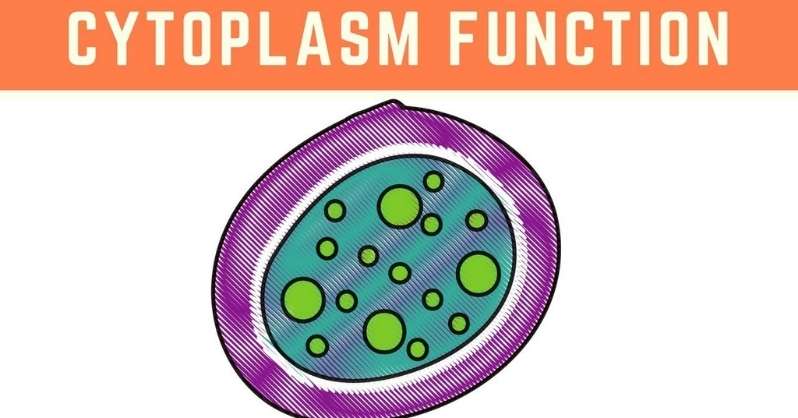
    The cytoplasm is a jelly-like substance within a cell that surrounds the nucleus and is enclosed by the cell membrane. A lot of other structures that help with cell functionality are present in the cytoplasm.

    It is common knowledge that a great portion of the cytoplasm is made up of water. Apart from that, different types of nutrients and minerals are also available within the cytoplasm of a cell. To break it down even further, a cytoplasm contains the following components:

    Cytosol

    A large portion of the cytoplasm is made up of a substance called cytosol. Water and complex protein structures are within this structure.

    Organelle

    Organelles are basically high-functioning, tiny organs within the cytoplasm. Mitochondria, more familiarly known as the “powerhouse of the cell”, are categorized as organelles and an important part of the cytoplasm. 

    Cytoplasmic inclusions

    As the name itself suggests, these are small compositions included in the cytoplasm. The inclusions usually don’t dissolve, which is why they are found to be floating around in the cytosol. 

    Along with proteins, other materials such as fat and starch lying on the cytosol are classified as inclusions. These are stored as energy repositories for the cell.

    Is cytoplasm present in plant cells? 

    Is cytoplasm present in plant cells

    Like typical animal cells, plant cells also have cytoplasm containing salts and minerals. Organelles are different in plant cells compared to animal cells, but they basically serve the same functions in the case of plants.

    The cytoplasm thus also acts as a medium for organelles and other substances to float around. It also provides overall structure to the plant cell along with other significant purposes. 

    Is cytoplasm important for plants?

    Considering all other cell structures and components, the cytoplasm is present in plant cells, which means it is very important for the plant itself. One of the most important reasons why cytoplasm is important for plants is the fact that it provides a rigid structure for the cells. 

    Without the cytoplasm, the cell would not have a proper structure, and plants would not be able to maintain their shape and stature. The cytoplasm is the prime channel and storage area for water transfer. And as water is a major factor in the growth and survivability of plants, you can already tell how important the cytoplasm is.

    What are the functions of cytoplasm? 

    What are the functions of cytoplasm

    Aside from providing the primary support structure for the cell and plants, the cytoplasm has various functions. Those include:

    1. Providing necessary enzymes 

    Digestion does not just occur in the human gut. All complex molecules need to be broken down into smaller units so that they can be assimilated for cell growth and function.

    Enzymes are certain proteins that facilitate the breakdown of such molecules. Both animal and plant cell cytoplasm contains essential enzymes that speed up chemical processes. 

    The watery make-up of the cytoplasm makes it the perfect holder for the enzymes without causing any interfering reactions. These protein structures are also necessary for breaking down waste substances, which would otherwise endanger the organism’s life.

    2. Housing organelles 

    Organelles require a soft area to stay on, and the cytoplasm provides that platform. Animal cells contain essential organelles, with the common ones being the nucleus, mitochondria, Golgi apparatus, vacuoles, and vesicles. These are all extremely important for various cell activities.

    Plant cells also contain vital organelles in the cytoplasm but are different from those in animal cells. The main organelles found here are chloroplasts, large vacuoles, cell wall, and plastids.

    For photosynthesis to occur, the green pigment found inside chloroplasts is required. The pigment called chlorophyll absorbs the sunlight, which in turn helps to make food for the plant.

    Plastids and the large vacuole are used to store sugar, which the plant later uses for energy. They also store other proteins and ions necessary for the growth of the plant.  

    So with the presence of cytoplasm, the organelles can stay properly in place and carry out their functions as needed. 

    3. Driving metabolic activities

    Most of the vital metabolic activities occur in the cytoplasm of the cell. As it holds all the structures containing important ions and enzymes, it is understandable why the cell’s chemical processes occur here. 

    4. Maintaining structure and gradient

    Even though this has been mentioned already, it is important to note it again. This is because being the support structure for cells is the main function of the cytoplasm. 

    From time to time, different ions are required to enter and leave the cell for nutrition. For this phenomenon to happen, the cytoplasm creates a difference in gradient for the in-house ions and the ones available outside the cell. As a result, the cell stays firm and taught, keeping the plant upright. 

    What would happen to plant cells without cytoplasm?

    Given the fact that cytoplasm provides structure and support to the overall cell, it is easy to guess what would happen if it were absent. Without the cytoplasm, the organelles would fall off, and the other essential nutrients will not be able to stay within the cell.

    How is the composition of plant cell cytoplasm different from that of other cell types? 

    The main difference in the cytoplasm composition of a plant cell versus an animal cell is the type of organelles they have. Due to the fact that a plant cell cytoplasm has different sets of organelles present, its metabolic and chemical activities are also different than others.

    Since osmosis occurs mostly in plant cells, the cytoplasm is enclosed by a cell wall, with permeability for water molecules. When there is variance in water molecule concentration inside and outside the cell, water has to enter or leave the cell by osmosis. The presence of the cell wall surrounding the cytoplasm is what makes this possible.

    Also, as a plant cell cytoplasm has different kinds of organelles compared to other cells, the nutrition they obtain is autotrophic. This means that plants can produce their own food with a mixture of chemicals and light. Other cells’ nutrition is heterotrophic, where external energy and food sources are needed.

    Conclusion 

    The cytoplasm is an essential part of the make-up of a cell, be it a plant or animal cell. The majority of the vital functions occur within the cytoplasm for plant cells, including providing a solid structure. So plant cells do not just have a cytoplasm but cannot exist without it!

    Related Posts:

    Do Plant Cells Have Chloroplasts? Everything You Need to Know

    What Does a Stem Do For A Plant? Learn About Functions of Plant Stems

    Do Plant Cells Have DNA? A Detailed Answer

    Do Plant Cells Have Lysosomes? Everything You Need to Know

    Do Plant Cells Have Mitochondria?

  • Do Plant Cells Have Ribosomes? Role & Importance

    Do Plant Cells Have Ribosomes? Role & Importance

    Ribosomes are an intercell complex structure that is created from protein & RNA and works as the protein synthesis center of cells. The main purpose of ribosomes is to produce & provide proteins from amino acids. 

    So, do plant cells have ribosomes? Yes, ribosomes can be found in both plant and animal cells. This is because all living creatures need protein to function, and there is no better protein production center than ribosomes. 

    And in this article, I will go through all the details regarding ribosomes in plant cells: what they are, how they are used, their location, importance, types of structures, and more.

    Therefore, stick to the very end of this article, and I am confident that you will know everything is concerting ribosomes’ impact on plant cells. 

    What are Ribosomes?

    What are Ribosomes

    A Ribosome is a macromolecular machine that can be found in prokaryotic & eukaryotic cells, meaning it is available in all living cells. 

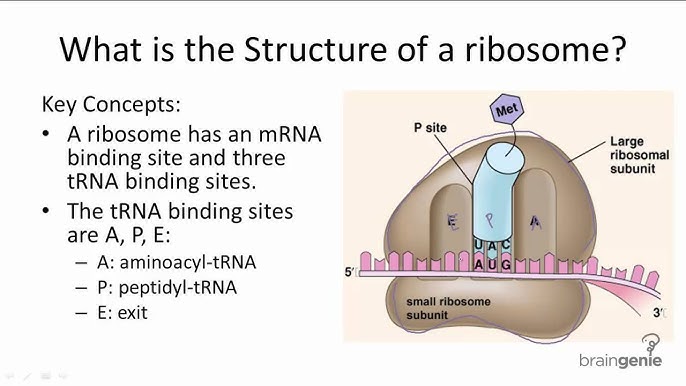
    The core function of ribosomes is to conduct biological protein generation through natural protein synthesis. Ribosomes do this by linking amino acids with each other with the synthesis order set by mRNA to create polypeptide chains. 

    There has been some debate about whether ribosomes can be regarded as organelles. Generally, organelles are mainly referred to as cellular component, which includes phospholipid membranes, but ribosomes don’t include such.

    That being said, this is very argumentative as there are other characteristics of organelles that ribosomes meet. That’s why ribosomes are labeled as non-membranous organelle to many. 

    The Types of Ribosomes

    There are quite a few variants of ribosomes out there. But mainly, ribosomes can be divided into two types in plant cells. They are:

    • 70S Ribosome 
    • 80s Ribosome

    70S Ribosomes

    70S Ribosomes

    These variants of ribosomes are mainly found in prokaryotic cells, mainly resembling structures of that of bacteria and green-blue algae. These are very small compared to other ribosomes and weights very low. It is also referred to as a eubacterial ribosome. 

    70S ribosomes consist of 30S sub-unit & 50S sub-unit. The smaller sub-unit or the 30S consists of twenty proteins & 16S rRNA. On the other hand, the bigger sub-unit consists of 30 proteins and 55 rRNA.

    This ribosome is mostly found in low-class fungi and bacteria.

    80S Ribosomes

    80S Ribosomes

    When I talk about plant cell ribosomes, I think of 80S ribosomes in general. They are bigger in size and weight compared to 70S ribosomes. It can also be divided into two subunits, 40S, and 60S. The protein quantity varies from one ribosome to the other. 

    Sometimes plant cells don’t have the complete 80S ribosome. For example: in chloroplasts, the number is 71S, while in mitochondria of fungi it is 77S. 

    But rest assured, ribosomes that are above the 70S are part of the 80S family and are found in every eukaryotic cell-based plant and animal cell.

    The Structure of Ribosomes

    Structure of Ribosomes

    Both 70S & 80S ribosomes share a similar structure. All of them are hydrated, porous, and consist of two subunits. One is larger than the other. For the 70S it is 50S & 30S, and for the 80S it is 60S & 40S.

    The subnets are narrowly separated from each other but not entirely divided. Well, the reason why they remain together without being completely separated is for the high concertation factors of Mg++. But when this concentration starts to lose its density, the ribosomes can be separated. 

    The ribosome is made of protein & RNA, which some refer to as ribonucleoprotein. Almost 60% of the ribosome consists of RNA.

    In all cells, structure ribosomes are found in the cytosol, and they can be scattered all across the cytoplasm. So, in short, the structure of ribosomes is free-flowing and can be found anywhere in the cell except for the nucleus.

    How Ribosomes Work

    How Ribosomes Work

    The main function of a ribosome is to conduct protein synthesis. This is the process where ribosomes naturally generate proteins from amino acids for the cell.

    Multiple ribosomes begin this process all at the same time. They engage on a single mRNA strand and will start creating polyribosomes. 

    Once they are done decoding the message from the mRNA, they proceed to format peptide bonds. This occurs as the tRNA starts to interact with the amino acid complex, just as mRNA provides the translation of genetic codes. 

    During this whole process, ribosomes also work as the protector for the entire production. It specifically protects the mRNA from the actions taken by the nucleus while shielding the polypeptide chains from digestive enzymes.

    Do Plant Cells Have Ribosomes?

    Plant cells are eukaryotic cells that have a functioning nucleus and require protein to properly function. Therefore, plant cells also consist of ribosomes so that it gains an ample amount of protein to survive and function optimally. 

    What’s the Location of Ribosomes in a Plant Cell?

    Ribosomes can be found in the cytosol or in anywhere in the cytoplasm of a plant cell. There isn’t any specific location of ribosomes in any cell structure. They can be anywhere in the cytoplasm. But they do not enter the nucleus. 

    The number of ribosomes in a plant cell can also be different depending on the type of plant we are considering. It can consist of one to ten or even ten million!

    How do Plant Cells Use Ribosomes?

    Plant cells utilize ribosomes the same way any other cell structure uses them. They use ribosomes for protein synthesis. There is no difference in the functionality too.

    The ribosomes get command from the nucleus and start to construct protein from the amino acids, which are delivered by the cytoplasm. There isn’t any sort of exception in different plant cells. The entire procedure will always remain the same under any conditions, as long as it is a eukaryotic cell.

    What Would Happen If A Plant Cell Didn’t Have Ribosomes?

    Thinking about what might happen if a plant cell was missing ribosomes? 

    That plant cell will die. Because if there aren’t any ribosomes in a plant cell, then the following will occur:

    No Repair of Cellular Damage

    If there isn’t any protein, then there won’t be any mitotic cellular division. This means your cells won’t be able to repair themselves, and any damage that the cell receives will be permanent. And there won’t be any available fix for it.

    Stalled Hormone Production

    The plant cell will stop producing hormones that control various functions of a plant-like producing food, oxygen & carbon dioxide, osmosis, and many others.

    And they will start to shut down as soon as the production of protein stops. So, if there aren’t any ribosomes then the cell won’t even grow up as it won’t have the necessary hormones to do so in the first place.

    Fall of Cellular Structure

    The plant cell’s overall structure will fall if there aren’t any ribosomes around. This is because ribosomes are a core part of a cell’s structure.

    No More Cellular Division

    If there are no ribosomes then there won’t be any kind of cellular division on that cell. This means not only that the mitosis division is stopped, miosis, which allows cells to produce new cells will stop as well. 

    So, the genetic information of that cell will be lost forever due to zero cellular division.

    Overall Stoppage of Cellular Functions

    The plant cell will stop functioning as a cell as ribosomes aren’t there. It won’t be beneficial for the plant will be treated as a completely useless cell to the rest of the cells of that plant.

    So, if there is no ribosome, the plant will eventually die, and there is no way around it. That’s why ribosomes are crucial for a plant cell’s proper functionality and survival. 

    Conclusion

    And there you have it. These are all the general information that you need to know about ribosomes and their effect on plant cells. 

    If you have come this far in the article, then you already know how invaluable ribosomes are to plant cells and why they are the key factor for the overall functionality of a plant cell.

    Related Posts:

    Do Plant Cells Have Cytoplasm? Find The Answer Now

    Do Plant Cells Have Chloroplasts? Everything You Need to Know

    What Does a Stem Do For A Plant? Learn About Functions of Plant Stems

    Do Plant Cells Have DNA? A Detailed Answer

    Do Plant Cells Have Lysosomes? Everything You Need to Know