Author: Mohammed Rujel

  • 15 Popular Perennial Plants to Plant In Your Garden

    15 Popular Perennial Plants to Plant In Your Garden

    Do you like plants that come back year after year without having to replant them? 

    If so, you’ll love perennial plants! Perennials are a great way to add some color and life to your garden without too much effort.

    There’s nothing quite like the sight of a beautiful perennial garden full of brightly colored flowers that seem to last forever. Here are just a few kinds of perennial plants that can brighten up any garden:

    What Are Perennial Plants
    What Are Perennial Plants

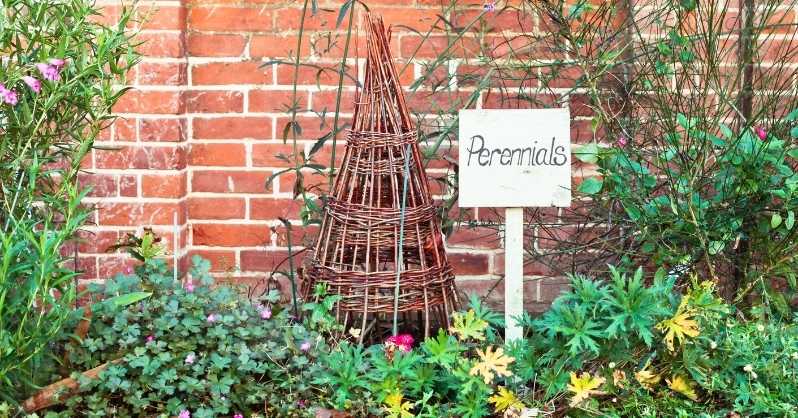
    A perennial plant is one that lives for more than two years. This is in contrast to annual plants, which live for just one growing season before dying, and biennial plants, which take two years to complete their life cycle. 

    Perennial plants are an important part of many gardens, as they provide a year-round dramatic display of color and texture. Some popular perennials include Amsonia, daylilies, Baptisia, and Foxglove. 

    Perennials can be either herbaceous or woody, meaning they have either non-woody stems (herbaceous) or woody stems (woody). 

    Herbaceous perennials die back to the ground each winter and resprout in the spring. 

    Woody perennials, on the other hand, retain their above-ground growth each year (although this growth may be dormant during the winter months). As a result, woody perennials are often used as foundation plantings or as accent plants in landscaping design. Also, many don’t know that pepper plants can be grown as perennial provided the right growing condition is present for the plant.

    An infographic of Top 5 Popular Perennial Plants to Plant In Your Garden

    1. Amsonia

    Amsonia Flower

    Scientific Name: Amsonia tabernaemontana

    Classifications

    Kingdom:    Plantae

    Order:    Gentianales

    Family:    Apocynaceae

    Subfamily:    Rauvolfioideae

    Tribe:    Amsonieae

    Genus:    Amsonia

    Amsonia is a genus of flowering plants that includes about 24 species. The plants are native to North and South America, and they are most commonly found in woodlands and prairies. Amsonia flowers are small and blue, and they typically bloom in the spring. 

    The plants are relatively easy to care for, and they are often used as ornamental plants in gardens. Amsonia is also known as Bluestar or dogbane, and it is sometimes confused with the similar-looking perennial hibiscus.

    2. Floss Flower
    Floss Flower

    Scientific Name: Ageratum houstonianum

    Kingdom:    Plantae

    Order:    Asterales

    Family:    Asteraceae

    Genus:    Ageratum

    Species:    A. houstonianum

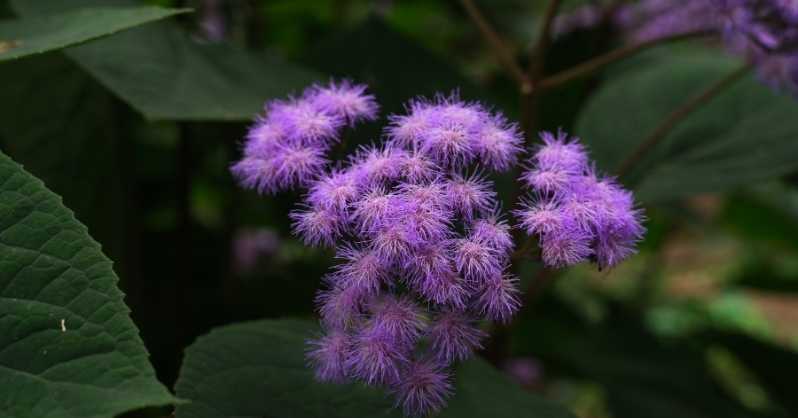
    It is a beautiful annual flower that adds color and interest to any garden. Also known as the bluemink, this plant gets its name from the long, silky tassels that adorn its flowers. 

    The flowers themselves are small and tubular, and they can be either white or shades of pink. The plant is native to Mexico, but it can be grown in many different climates. 

    In fact, it’s even drought-tolerant, making it a great choice for hot, dry summers. Best of all, the Floss Flower attracts bees and butterflies, making it an excellent addition to any pollinator garden. 

    3. Peruvian Day Lily

    Peruvian Day Lily

    Scientific Name: Alstroemeria aurea

    Classifications:

    Kingdom:    Plantae

    Clade:    Tracheophytes

    Clade:    Angiosperms

    Clade:    Monocots

    Order:    Liliales

    Family:    Alstroemeriaceae

    Genus:    Alstroemeria

    It is a beautiful flower that blooms in a variety of colors including white, yellow, pink, and red. Native to South America, it is a member of the Liliaceae family. The lily has a long history and has been used in a variety of traditional ceremonies. 

    It is a hardy plant that can be grown in a variety of climates. It is important to provide the plant with adequate moisture and well-drained soil. The plant will bloom from early summer to fall and can reach heights of up to six feet. 

    When planting the Peruvian Day Lily, it is important to space the bulbs 12-18 inches apart. 

    4. Baptisia

    Baptisia Flower

    Scientific Name: Baptisia australis

    Classifications

    Kingdom:   Plantae

    Clade:    Tracheophytes

    Clade:    Angiosperms

    Clade:    Eudicots

    Clade:    Rosids

    Order:    Fabales

    Family:    Fabaceae

    Subfamily:    Faboideae

    Tribe:    Sophoreae

    Genus: Baptisia

    Baptisia, also known as false indigo, is a beautiful and versatile plant that is native to North America. It grows best in full sun and prefers well-drained soil, but it is relatively drought-tolerant once established. Baptisia can be used as an ornamental plant or as part of a naturalized landscape. 

    It has long been loved by gardeners for its deep blue or purple flowers, which appear in mid to late spring. The flowers are followed by dark green leaves that remain attractive throughout the summer. 

    In fall, the leaves turn yellow, providing beautiful contrast to the flowers. Baptisia is a wonderful plant for attracting bees and butterflies, and it makes an excellent cut flower.

    5. Lavender

    Lavender flower

    Scientific Name: Lavandula angustifolia

    Classifications

    Kingdom:    Plantae

    Order:    Lamiales

    Family:    Lamiaceae

    Subfamily:    Nepetoideae

    Tribe: Ocimeae

    Genus: Lavandula

    Lavender is a popular herb that has been used for centuries for its aroma and medicinal properties. The plant is native to the Mediterranean region, but it is now grown around the world. 

    It can be used in a variety of ways, including in tea, as an essential oil, and in potpourris. The herb is also a popular ingredient in soaps and cosmetics. 

    Lavender has a wide range of benefits, including promoting relaxation, improving sleep quality, and reducing stress levels. 

    The herb is also said to have antimicrobial properties, making it an effective treatment for acne and other skin conditions. In addition to its many uses, lavender is also a beautiful plant that adds color and fragrance to any garden.

    6. Helenium

    Helenium flower

    Scientific Name: Helenium autumnale

    Classifications

    Kingdom:    Plantae

    Order:    Asterales

    Family:    Asteraceae

    Subfamily:    Asteroideae

    Tribe:    Helenieae

    Subtribe:    Gaillardiinae

    Genus:    Helenium

    The Helenium, also known as the sneezeweed, is a plant that has been used for centuries to treat a variety of ailments. The herb is used to relieve congestion and sinus pressure. It is also believed to have anti-inflammatory properties that can help to reduce swelling. 

    In addition, the Helenium is often used as a natural insecticide. The plant exudes a strong smell that repels many pests, making it an ideal way to keep your garden free of harmful insects. Whether you’re looking for a natural remedy for allergies or a way to keep your garden pest-free, the Helenium is a versatile and effective plant.

    7. Windflower

    Windflower

    Scientific name: Anemone coronaria

    Classifications: 

    Kingdom:    Plantae

    Order:    Ranunculales

    Family:    Ranunculaceae

    Genus:    Anemone

    Species:    A. coronaria

    The windflower (Anemone coronaria) is a beautiful flower that gets its name from the Greek word for “wind.” These flowers are native to the Mediterranean region, and they have been cultivated for centuries. The most commonly-grown variety is the red windflower, which features crimson petals and a yellow center.

    8. Penstemon

    Penstemon flower

    Scientific Name: Penstemon Palmeri

    Classifications

    Kingdom:    Plantae

    Order:    Lamiales

    Family:    Plantaginaceae

    Tribe:              Cheloneae

    Genus:    Penstemon 

    The name “penstemon” comes from the Greek words for “five” and “stamen,” referring to the five stamens that are characteristic of the flowers. Most penstemons are herbaceous perennials, although a few are shrubs or subshrubs. The flowers are tubular and come in a variety of colors, including white, pink, purple, and red. Penstemons are very popular with hummingbirds and bees, and they make excellent cut flowers.

    9. Foxglove

    Foxglove

    Scientific Name: Digitalis purpurea 

    Classifications: 

    Kingdom:    Plantae

    Order:    Lamiales

    Family:    Plantaginaceae

    Tribe:    Digitalideae

    Genus:    Digitalis

    The foxglove is a beautiful flower that grows in the wild. It gets its name from the fact that its blooms look like the gloves that foxes wear. The blooms are so striking, and they come in a wide range of colors. Foxgloves can be white, pink, purple, or even yellow. The flowers are very fragrant, and they attract bees and butterflies. 

    10. Hellebore
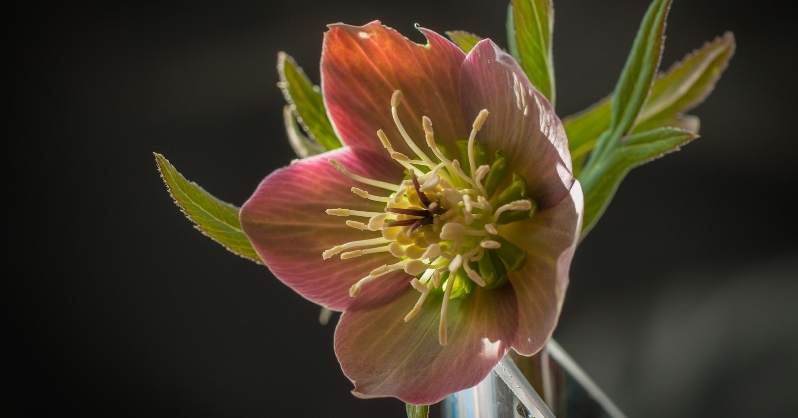
    Hellebore flower

    Scientific Name: Helleborus niger

    Classifications

    Kingdom:    Plantae

    Order:    Ranunculales

    Family:    Ranunculaceae

    Subfamily:    Ranunculoideae

    Tribe:    Helleboreae

    Genus:    Helleborus

    Also known as Lenten roses, they are widely cultivated as ornamentals. 

    The most common hellebore species is Helleborus niger, which is native to the Pyrenees mountains of southwestern Europe. Hellebores are evergreen or semi-evergreen perennials that typically bloom in late winter or early spring. 

    They have large basal leaves and produce clusters of 2-10 flowers on erect stems. The flowers range in color from white to pink, purple, and yellow, and they are often marked with darker spots.

    11. Primrose

    Primrose flower

    Scientific Name: Primula vulgaris

    Classifications:

    Kingdom:    Plantae

    Order:    Ericales

    Family:    Primulaceae

    Genus:    Primula

    Species:    P. Vulgaris

    Primroses are one of the first signs of spring, with their cheerful flowers adding a splash of color to the landscape after a long winter. They come in a wide range of colors, from vibrant oranges and yellows to more subdued shades of pink and purple. 

    Primroses can be planted in the ground or in containers, making them versatile additions to any garden.

    12. Four o’clock flower

    Four o'clock flower

    Scientific Name: Mirabilis jalapa

    Classifications

    Kingdom:    Plantae

    Order:    Caryophyllales

    Family:    Nyctaginaceae

    Genus:    Mirabilis

    Species:    M. Jalapa

    The four o’clock flower (Mirabilis jalapa) is a beautiful but often misunderstood plant. Native to Mexico and Central America, it has long been a favorite of gardeners in warm climates. 

    However, it has a reputation for being difficult to grow, and many people mistakenly believe that it is only suitable for arid regions. In reality, the four o’clock flower is quite adaptable and can be successfully grown in a variety of conditions. 

    It is an especially good choice for beginners, as it is relatively easy maintenance and tolerant of occasional neglect. With its brightly colored flowers that bloom in the late afternoon, the four o’clock flower is a welcome addition to any garden.

    13. Catmint

    Catmint flower

    Scientific Name: Anisomeles indica

    Classifications:

    Kingdom:    Plantae

    Order:    Lamiales

    Family:    Lamiaceae

    Genus:    Anisomeles

    Species:    A. indica

    Catmint is a perennial herb that belongs to the mint family. The name “catmint” comes from the fact that cats love it! They’re attracted to the plant’s strong, aromatic scent. 

    Catmint is often used in culinary dishes and as a decoration, but it also has a number of other uses. For example, it can be used to make tea, as a natural insect repellent, or even as a way to keep cats from scratching furniture. 

    14. Vervain

    Vervain flower

    Scientific Name: Verbena officinalis

    Classifications: 

    Kingdom:    Plantae

    Order:    Lamiales

    Family:    Verbenaceae

    Genus:    Verbena

    Species:        Verbena officinalis

    Vervain (Verbena Officinalis) is a perennial flowering plant that has a long history of use in traditional herbal medicine, and is still used today for its various medicinal properties. 

    Vervain is most commonly used as an herb for anxiety and stress relief, as it is thought to have calming and sedative effects. It is also used to treat digestive problems, such as indigestion, gas, and diarrhea. Additionally, vervain is sometimes used topically to treat skin problems, such as acne and eczema.

    15. Geraniums

    Geraniums flower

    Scientific Name: Geranium dissectum

    Classifications: 

    Kingdom:    Plantae

    Order:    Geraniales

    Family:    Geraniaceae

    Genus:    Geranium

    Geraniums are a type of flowering plant that belongs to the genus Geranium. There are over 400 species of geranium, which are native to regions all over the world, including Africa, Asia, Europe, and North and South America.

    Geraniums normally grow to be about 1-2 feet tall, and they have large, showy flowers that bloom from late spring to early summer. One of the most popular types of geranium is the scented-leaved geranium, which has aromatic leaves that can be used in potpourri or as an ingredient in essential oils. 

  • How To Make Heart Leaf Philodendron Fuller

    How To Make Heart Leaf Philodendron Fuller

    Heartleaf philodendron (Philodendron cordatum) is a fast-growing evergreen vine that can quickly cover a trellis or other support. The heart-shaped leaves are 2 to 6 inches long and have a glossy surface. The leafstalks are long, slender, and often red. The small, white flowers are borne in clusters and are followed by green fruits.

    If the plant doesn’t need to be repotted, then you can try fertilizing it. Use a balanced fertilizer that is low in nitrogen and higher in phosphorus and potassium. Fertilize every two weeks during the growing season and once a month during the winter. 

    Finally, make sure the plant is getting enough light. Heartleaf philodendrons like bright, indirect light. If the plant is getting too much direct sun, the leaves will start to scorch. If the plant isn’t getting enough light, it will become leggy and sparse. Move it to a brighter location and see if that helps it fill out. 

    An Infographic of 5 Tips For Making Your Heart Leaf Philodendron Fuller & Healthier

    5 Tips For Making Your Heart Leaf Philodendron Fuller & Healthier

    5 Tips For Making Your Heart Leaf Philodendron Fuller & Healthier

    1. Give It Some Sunshine 

    Heartleaf philodendrons appreciate a little bit of sunlight each day. If you can provide a spot near a window with indirect light, that would be ideal. Allowing your plant to get some sun will help it to grow fuller and healthier. 

    2. Feed It Regularly 

    Be sure to fertilize your heartleaf philodendron on a regular basis. Every two weeks or so, use a general-purpose fertilizer and follow the directions on the package. This will help your plant to grow fuller and lusher. 

    3. Prune It Regularly 

    Pruning your heartleaf philodendron will also help it to grow fuller. Every few weeks, trim back any yellow or brown leaves. This will encourage new growth, which will help your plant to look fuller and more vibrant. 

    4. Water It Properly 

    Heartleaf philodendrons need to be watered regularly, but be careful not to overwater them. Allow the soil to dry out somewhat between watering. Overwatering can lead to problems such as root rot, so be sure to monitor the moisture level of the soil. 

    5. Provide Good Drainage

     It is also important to provide good drainage for your heartleaf philodendron. Be sure to use a pot with a drainage hole and use a well-draining potting mix. This will help to prevent problems with overwatering and will help your plant to grow fuller and healthier.

    Remove Older Leaves From The Center of The Philodendron

    Remove Older Leaves From The Center of The Philodendron

     As your philodendron (Philodendron spp.) grows, it will produce new leaves at the tips of the stems. Older leaves will die and turn yellow or brown, and they will eventually drop off. If you want to keep your plant looking full and lush, you can remove the older leaves from the center of the plant.

    To do this, simply grab the leaf near the base of the stem and pull it away from the plant. You may need to use a little bit of force, but the leaf should come off easily. Once the leaf is removed, you can dispose of it. 

    Don’t worry about damaging the plant – philodendrons are very tough and can handle a little bit of leaf removal. In fact, removing the older leaves will actually help the plant to grow fuller and lusher. So go ahead and give it a try! 

    How To Propagate Heartleaf Philodendron

    How To Propagate Heartleaf Philodendron

    Heartleaf philodendron (Philodendron cordatum) is a fast-growing, easy-to-care-for houseplant. It can be propagated by stem cuttings or by division. 

    To propagate by stem cuttings, take a 4-6 inch cutting from a healthy plant. Remove the bottom leaves, and dip the cut end in rooting hormone. Stick the cutting in a pot of moistened potting mix. Keep the soil moist but not soggy, and in a few weeks, you should see new growth. 

    To propagate by division, carefully remove the plant from its pot. Gently pull the roots apart, being careful not to damage them. Replant each section in its own pot, and water well.

    Heart Leaf Philodendron Fuller Poisonous?

    Heart Leaf Philodendron Fuller Poisonous

    The Heart Leaf is another of the most widely used plants in indoor gardening. These attractive plants require little care, as long as their basic requirements are met. Philodendrons thrive in bright, indirect light, and like temperatures between 65 and 75 degrees Fahrenheit. These tropical plants prefer 50-70 percent humidity.

    Philodendron is a beautiful houseplant that is unfortunately poisonous to humans and pets. The plant contains a substance called oxalic acid, which can cause irritation to the skin, mouth, and throat. If ingested, the plant can cause vomiting, diarrhea, and difficulty breathing. If you suspect your child or pet has ingested the plant, seek medical attention immediately.

    Conclusion

    If you have a heart leaf philodendron that isn’t looking as full and lush as you’d like, there are a few things you can do to help it along. First, make sure it’s getting enough light – philodendrons thrive in bright, indirect sunlight. 

    Second, give it a regular watering schedule – letting the soil dry out completely between waterings. Third, fertilize it every few weeks with a half-strength solution of all-purpose plant food. With a little extra care, your heart leaf philodendron will soon be looking its best.

    Related Reads:

    Can You Use Cactus Soil For Snake Plants?

    Snake Plant Care: How Much Light And Water is Needed For a Snake Plant

    How Often Should You Water an Aloe Plant

    Caladium Strawberry Star: All You Need to Know

    Oregano Poleo: All You Need to Know

  • Snake Plant Care: How Much Light And Water is Needed For a Snake Plant

    Snake Plant Care: How Much Light And Water is Needed For a Snake Plant

    The snake plant (also known as Sansevieria trifaciata) is an East African succulent that is about 30 inches long and is drought tolerant under ideal conditions. These tropical plants are best for purifying the air in the house. Removes formaldehyde and nitrogen oxides from indoor air every night. Like all house trees, the snake tree improves mental health, enhances the feeling of mental well-being. This tree is very useful for the human mind and brain.

    It usually does not require much care. Since this plant is tropical, it needs more light. When the soil is almost dry, give the same amount of water. The leaves of the tree may turn yellow due to not eating for a long time.

    Here’s how to take care of a snake tree in your home with water and light!

    Does Snake Plant Need Sunlight?

    Does Snake Plant Need Sunlight?

    Native to South Africa, snake plants adapt well to conditions similar to those in the southern United States. For this reason, they may grow outside the USDA Zone 8 and for the rest of the warmer year. Snake plant is a CAM plant as it uses Crassulacean Acid Metabolism process.

    Snake plants can tolerate sunlight more than other succulent plants. You will find a huge difference in how well your snake plant will grow as a result of this sufficient light.

    Snake plants prefer bright, indirect light for at least 8-10 hours daily but can tolerate direct sunlight for up to 5-6 hours.

    Park them near the east window or use Grow Light for best results. Leg growth, small leaves, and abnormal leaf colour indicate a lack of light.

    In this discussion, I will show you exactly how much light is needed and how common lighting problems can be identified and fixed.

    You can see your snake plane by checking the light intensity. Hand Shadow Test This test is without a price.

    You will see a largely white part of the mail where your tree is parked. Hold your hand roughly (10 to 12 inches) above the position of your tree. Make sure your fingers are formed evenly and wide.

    Examine the shadow cast on the pair by your hand. The clearer or more defined the shadow of your hand, the brighter the more intense (or brighter) spots will report.

    Here’s how to read the Hand Shadow Test:

    Bright light – A space that receives bright light and casts a clear, well-defined shadow. You can easily and clearly create your numbers. If the light mentioned is filtered or indirect, your snake plant will feel right here at home.

    Medium-light – An area that receives moderate light produces hand shadows that are blurred, blurred or obscured. And yet it is still recognized.

    Low light – If you see a barely recognizable shadow or not at all, the spot gets less light. You don’t want to sit your snake tree in this fuzzy area.

    Most light is available if the windows are west and east-facing windows.

    Using a Lux Meter

    Using a Lux Meter

    If the snake plant grows in brightly lit areas, a meter reading between 10,000 and 20,000 lux would be ideal. But they can do well in medium-light in the 500 500 to 500 2,500-10,000 range.

    How Many Hours Of Sunlight?

    Then, the proposed number of hours of exposure will change with the pressure of the light intensity. Ideally, you should have 8-10 bright, indirect sunlight at the base of your snake tree.

    When the light intensity is high, the leaves and twigs of the tree turn brown in 5 to 6 hours

    How Much Artificial Light Does A Snake Plant Need?

    How Much Artificial Light Does A Snake Plant Need

    If sunlight cannot reach your home, it may be best to use LED lights. Be sure to use 12-14 hours of LED Grow Light per day for maximum leaf growth and colour. If you want to give them flowers, crank the exposure for 16+ hours.

    Another advantage is that you can place the snake plant wherever you want in your house while using LED lights.

    How Much Water Does A Snake Plant Need?

    How Much Water Does A Snake Plant Need

    Snake plants are the best among succulent plants. As a result, they store extra water in the leaf stems and roots and improve in a dry environment. They store extra water on their leaf stem roots. If you pull the snake out of the tree you can see that its roots have a lot of water stored and the fleshy, fleshy leaves also have a lot of water.

    It can handle some breaks in watering such a plant. And the first thing you will notice about the wet snake plant in the water is that the stem attached to the main structure starts to get wet.

    One of the most common problems with snake plants (and other succulents) is over-watering. These trees do not tolerate wet soil well: They tend to develop rotten roots. To avoid this, follow these watering rules:

    • The watering schedule depends on your home environment, soil mix type and pot size.
    • Carefully stick your finger or wooden chopstick a few inches to the ground. If you feel any moisture or see the soil sticking to the chopsticks, stop watering.
    • Make sure that water does not accumulate in the middle of the leaves.
    • Water your snake plant every 2-8 weeks.
    • In winter, when the plant is not actively growing, water less frequently than you do in spring and summer.
    • Arrange drainage under the leaves so that water does not accumulate.

    Frequently Asked Questions(FAQs):

    How often do you water a snake plant?

    Water the Snake Plant when the soil has dried out. The Snake Plant can flourish in low light conditions. The Snake Plant should be watered once the top one inch of soil is dry.

    How long does it take for a snake plant to root in water?

    Snake plants are easy to grow and can thrive in low-light environments. These plants can be propagated from division or from leaf cuttings. Snake plants prefer to be watered and allowed to dry out in between waterings.

    Is LED light enough for the snake plants?

    A snake plant is a low-maintenance houseplant and doesn’t require special care. It will grow well under fluorescent light.

    Why is my snake plant so light green?

    A snake plant can grow well in low light conditions, but it will be light green if it is not getting enough light.

    Last Word

    In short, snake trees prefer moderate light, but they can also handle low light. They grow best in indirect light and in bright, indirect light. They can tolerate less light, so if you have low or even no light, you can still plant a snake tree. All you have to do is make sure to keep your snake plant in the shade if it is really bright outside.

    You can read this article on

    Can You Use Cactus Soil For Snake Plants?

    How To Make Heart Leaf Philodendron Fuller

    How Often Should You Water an Aloe Plant

    Caladium Strawberry Star: All You Need to Know

    Oregano Poleo: All You Need to Know

    https://m.youtube.com/watch?v=dcTuqj3F2Lo
  • How To Maintain pH Balance In Pots

    How To Maintain pH Balance In Pots

    Like our home, our outdoor pots can be damaged by exposure to extreme temperatures. Exposure to frozen temperatures can inhibit root growth, reduce flower production and even cause brown root tips. Heat can reduce moisture from pot walls and lead to malnutrition. If the soil does not like the pH of the pot, your plant will not grow properly.

    The general scale goes up to 14, and 7 is the neutral point. Maintaining proper soil pH levels provides a favourable environment for healthy plant growth. Fortunately, you can maintain soil pH.

    if you would like to learn more about the benefits of growing houseplants, please consider reading our article on keeping indoor plants. 

    Soil pH Scale

    Look at the soil pH scale to know the acidity or alkalinity of the soil.

    Ultra-acidicbelow 3.5 pH
    Extremely acidic3.5-4-4 pH
    Very strongly acidic4.5-5 pH
    Moderately acidic5.6-6 pH
    Strongly acidic5.1-5.5 pH
    Slightly acidic6.1–6.5
    Neutral6.6-7.3 pH
    Slightly alkaline7.4-7.8 pH
    Moderately alkaline7.9-8.4 pH
    Strongly alkaline8.5-9 pH
    Extremely alkalineAbove 9 pH

    Factors Affecting Soil pH

    The pH value of the soil depends on the soil-forming material. Depending on your soil mix. Soil developed from basic rocks generally has a higher pH value than soils formed from acid rocks.

    Rainfall affects soil pH. Water passing through the soil removes basic nutrients like calcium and magnesium from the soil. 

    These are replaced by acidic elements such as aluminium and iron. For this reason, soils formed in conditions of high rainfall are more acidic than those formed in dry (dry) conditions. Applying ammonium or urea fertilizer increases the rate of acidity increase. Decomposition of organic matter also increases soil acidity.

    Increasing The Soil pH

    To make the soil less acidic, apply an ingredient that contains some strong lime. The centre is the most agricultural limestone. The finer the limestone particles, the faster it will be effective. In order to adjust the pH of the soil, lime is required in different soils. For example, to change the same pH requires less lime in clay-less soils.

    Wood ash: Cut ash can be used to increase soil pH. They are not as effective as limestone but with repeated use, they can seriously increase soil pH, especially if the soil is sandy in texture.

    Time of application and placement of lime

    The demand for lime should be determined through soil testing. For more information on soil testing, see HGIC 1652, Soil Testing. Soil samples should be taken in autumn for next year’s garden. If the test results indicate the need for limestone, it can be applied in the autumn or winter months.

    Decreasing The Soil pH

    Aluminium sulfate and sulfur are the building blocks for lowering the pH of common soil. These can be found in a garden supply centre. Aluminium will change the pH of the soil because aluminium creates acidity with dissolution in the soil. Farr, however, requires some things to convert sulfuric actin to soil bacteria.

    You can use AN tables to calculate the loss of application for both alumina sulfate and sulfur. Rate per 10 square feet per pound for loamy soil. Slightly reduce the rate to one-third for sandy soils and increase one-half for clay.

    Steps To Take to Maintain pH Balance

    Steps To Take to Maintain pH Balance

    The detrimental solution for gardeners is to support the soil in which your garden grows naturally, increasing the demand for special plants such as oak, gardenia, blueberry, azalea

    and rhododendron (which are among the properties that give the most 4.5 to 5.5) invaluable pH). . That way, you only have to change the soil.

    Walking along streams is sometimes the best strategy for successfully growing plants in alkaline soils (or any soil). Grow plants that are naturally alkaline so that you do not have to work hard to improve soil pH.

    Frequently Asked Questions(FAQs):

    How to lower ph in soil naturally?

    One way of maintaining the soil’s ph balance is to simply add a piece of limestone rock to the soil.

    Why does it need to be fixed overnight?

    Keeping your ph balance in the pots balanced overnight is crucial to promote healthy growth.

    How to lower ph in soil naturally?

     One way of maintaining the soil’s ph balance is to simply add a piece of limestone rock to the soil.

    How do I lower the pH in my water naturally?

    To lower the pH in your water naturally, first use a water softener to remove any mineral buildup. Then, you can use muriatic acid to lower your pH level.

    Last Word

    In conclusion, if you would like to learn more about the benefits of growing houseplants, please consider reading our article on keeping indoor plants. It is essential that you keep your plants healthy so you can enjoy them for many years.

  • Can You Use Cactus Soil For Snake Plants?

    Can You Use Cactus Soil For Snake Plants?

    Snake plants have pretty, trailing, succulent leaves that come in a whole range of colors. These plants are perfect for brightening up a space and are easy to care for. But do you know how a cactus plant is different from a snake plant? And, can you use cactus soil for snake plants?  Yes! Cactus soil is a great potting mix for snake plants. It’s light and sandy, and it helps to keep the soil around the roots dry. This is perfect for snake plants, which prefer to dry out between waterings.

    Is Cactus Soil Good for Snake Plants?

    Is Cactus Soil Good for Snake Plants

    Cactus soil is actually a good choice for snake plants because it drains well and has a neutral pH level.

    Snake plants (Sansevieria trifasciata) are popular houseplants because they are easy to care for and tolerate low light levels. They are also known as mother-in-law’s tongues because of their sharp leaves. Snake plants do best in a potting mix that drains well, such as cactus soil. Cactus soil is a special soil mix that is designed to drain well and provide the correct nutrients for cactus and other succulents. 
    It is available at most garden centers. It is a good idea to mix cactus soil with other potting mix ingredients to create a custom potting mix for your snake plants. Cactus soil is not necessary for snake plants, but it is a good option if you want to make sure your plants have the best possible growing conditions.

    What is The Best Soil For a Snake Plant?

    What is The Best Soil For a Snake Plant

    The answer is cactus soil! Cactus soil is a great potting mix for snake plants. It drains well and has a neutral pH level, which is perfect for snake plants.

    Below about best soil for snake plants:

    • The best soil for a snake plant is a sandy loam with a pH of 6.0 to 7.5.
    • Must be watered in a sufficient manner and after that dry them out before spraying water again. 
    • The plant should be fertilized with a balanced fertilizer every two weeks. 
    • Keep the plants in a sunny location. 
    • Make sure to repot every two years.

    How Do I Make My Snake Plant Soil?

    How Do I Make My Snake Plant Soil

    simple! You can make your own snake plant soil by mixing cactus soil with perlite. Cactus soil is light and sandy, which helps to keep the soil around the roots dry. Perlite is a volcanic rock that helps to keep the soil loose and well-drained. By combining these two ingredients, you’ll create a perfect soil mix for your snake plant.

    Here you simply know how do you make snake plant soil:

    • Mixing Snake Plant Soil
    • Snake Plant Light
    • Snake Plant Watering
    • Snake Plant Repotting
    • Snake Plant Fertilizer
    • Snake Plant Pests

    How Much Soil Does A Snake Plant Need?

    How Much Soil Does A Snake Plant Need

    not a lot! Snake plants only need a small pot with a few inches of soil. This will help to keep the roots of the plant healthy and allow the soil to dry out between waterings.

    So, how much soil does a snake plant need? Not a lot! A small pot with a few inches of soil is all the plant needs. This will help to keep the roots healthy and the soil dries between waterings.

    Frequently Asked Questions (FAQs)

    can I use loam soil for the snake plants?

    Yes. You would want to use fine loam soil. The reason is that they need to be able to drain the water out of the soil quickly or they will rot.

    can you plant two snake plants together?

    Snake plants are also commonly known as mother-in-law’s tongue or sansevieria. These plants need to have the appropriate temperature to grow. In the right environment, snake plants will grow outside, but they will not last forever.

    Do snake plants like coffee grounds?

    It’s on the fence whether or not to use coffee grounds as a soil additive to the potting soil mixture. While they may look nice, they’re only good for one thing – helping to acidify the soil. Coffee grounds have a pH level of between 5.8 and 6.3. A properly balanced potting soil mixture for a snake plant should have a pH level of between 5.5 and 6.5.

    Conclusion

    There is no definitive answer to this question as each gardener’s needs and preferences will differ. Some gardeners may find that cactus soil is a good option for their snake plants, while others may prefer to mix their own soil or use a different type of soil altogether. Ultimately, it is up to the individual gardener to decide what works best for them and their plants.

    You can also read:

    Snake Plant Care: How Much Light And Water is Needed For a Snake Plant

    How To Make Heart Leaf Philodendron Fuller

    How Often Should You Water an Aloe Plant

    Caladium Strawberry Star: All You Need to Know

  • The Difference Between Snake Plant and Air Purifier: Which Is Better?

    The Difference Between Snake Plant and Air Purifier: Which Is Better?

    When we think of purifying the air in our house, we think of indoor plants and air purifiers.

    Air purifiers can be great for removing toxins from the air, but for a long time, people have been using plants as air filters because these two plants seem to be very different and are just as effective in removing unwanted toxins from the air. If you have trouble sleeping, if you wake up at night with a stuffy nose, then plant a snake tree in your house. They create oxygen on the first night, they help you sleep more easily.

    Snake trees are great for removing certain toxins from the air, while they also remove other toxins from the trees, they cannot filter out toxins for humans. There is no place to plant trees in your house, lots of dust in the house you can use air purifiers to filter toxins and chemicals including formaldehyde, benzene and trichloroethylene.

    In this post, I will discuss the difference between Snake Plant and Air purifiers. Hopefully, in the end, you will be able to choose the best option for you.

    What is a Snake Plant?

    What is a Snake Plant

    If the amount of air in your home office is not good. A snake is a tree that you can consider easy to care for. This will help to increase the quality of air in your room

    Snake Plantae makes a great addition to your office at home.

    There are several species of snake plants, all of which fall under the Sanchevian botanical name. Most species are known by the full botanical name Sansevieria triphasic.

    They can be easily cared for in low light. This tree is right for you.

    In this post, you will find a detailed discussion on How To Grow And Care For The Snake Plant

    Indoor Snake Plant Benefits 

    If you can understand the benefits of snake plants in your home then you too will be encouraged to become a snake plant.

    It produces oxygen

    An abstract study published in the journal Harvard University shows that snake plants produce the most oxygen.

    Allergy-Reducing

    Snake plants improve the air in the home. They create their effects on allergens. This plant releases plenty of oxygen and adds moisture to the air, which reduces the effects of airborne allergens such as dust and dandruff.

    If you have gum problems, a sore throat or a stuffy nose that keeps you awake at night, consider planting a snake tree in your bedroom. Most of the time they produce oxygen at night., which helps you breathe more easily as you fall asleep.

    It removes air pollutants:

    It is a well-known fact that various types of harmful pollutants are harmful to our health. It can absorb benzene, palladium, xylene and toluene. 1989 NASA experiments on the same number of indoor plants show that fruit-bearing plants (leafy and large) are good air purifiers and clean plants in terms of leaf exposure.

    How Air Purifiers Purify the Air

    How Air Purifiers Purify the Air

    There are four basic types of air purifiers available. Works to purify the air inside different rooms but in different ways.

    1) HEPA Fire: An air purifier conducts home air through the user’s optional filler inside the machine through the HEPA figure. Filters labelled as “True-HEPA” are by far the best type, and can remove up to 99.97% of contaminants up to 0.3 microns. These include mould, dust, pollen and pet dandruff-like particles.

    2) Activated Carbon Fire: An air purifier with activated carbon filler specializes in removing airborne odors and volatile organic compounds (VOCs). It absorbs cigarette smoke, cooking odors and pet odors, as well as odors such as tanning agents, chemicals and paint vapors.

    3) UV Filtering: In a UV filtering purifier you can use bacteria and contrast in your healthy air. It uses non-lethal radiation for molecular bacteria and alternatives from within the machine.

    Which Should You Choose: Air Purifier or snake plant?

    Air Purifier or snake plant

    You know that air purifiers and plants purify the air, so which side should you lean towards in this debate? Which one do you need, Air Purifier vs. Snake Plant?

    Here are tips to help you see

    An Air Purifier is Better for:

    1. Those who use mechanical air filtration do not mind anything
    2. People with mild to severe allergies or asthma
    3. Those who want to remove the biggest types of pollutants from the air (such as dust, allergens, bacteria, mold, pet dandruff, smoke, etc.)
    4. Homes that have a lot of dust or pet dandruff
    5. In that house there is no space for extra room to accommodate many plants
    6. Those plants are not good at keeping alive and healthy

    Snake Plant are Better for:

    1. Those who prefer natural air purification
    2. In that house more dust or pets do not get dandruff
    3. Enough room to accommodate information plants
    4. Those are good at growing and maintaining house plants
    5. Those who ask compulsory questions to build a pollution-free home (living the mind)
    6. Those who can enjoy the beautiful environment

    Frequently Asked Questions(FAQs):

    How to reduce dust in the house?

    Plants such as the snake plant, aloe vera, and others are excellent at reducing airborne dust and dirt.

    How to make a snake plant flower?

    Size and light intensity will determine the length of the snake plant’s (Sansevieria trifasciata)’s bloom time.

    Do air purifiers work for covid?

    Air purifiers do not work for covering. Air purifiers work by filtering out harmful particles from your air.

    Which plants attract snakes?

    The snake plant ( Sansevieria trifasciata ) is a type of succulent plant that is venomous to snakes.

    Summery

    In short, both the snake plant and the air purifier are good for your health. If you do not have time to care for plants, you can choose an air purifier.

    Air purifiers, however, are more effective in removing allergens and pollutants from the air.

  • The Complete Guide to Planting Sedums and Succulents Together

    The Complete Guide to Planting Sedums and Succulents Together

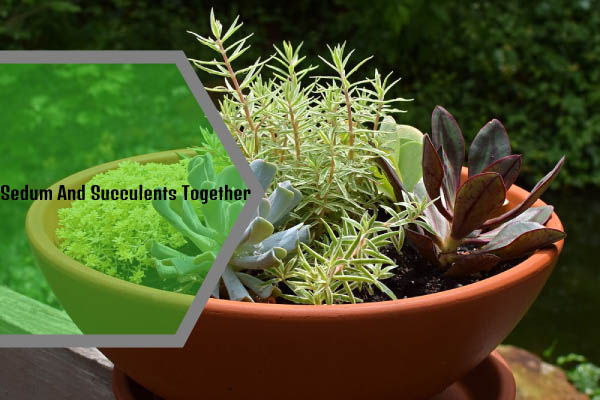
    Planting sedums and succulents together is a great way to spruce up a dull corner of your garden, making it look like a colourful explosion of flowers. One of the easiest ways to propagate these plants is by allowing their roots to grow in a cactus-potting mix.

    But, there are some things you need to know before planting succulents and sedums together.

    Which Succulents Can Be Planted Together?

    Which Succulents Can Be Planted Together

    The succulent variety is the transformation of many tree saplings into succulent soil.

     There are many types of succulents. Trees need to be converted depending on the season. The type of tree that can be planted together with succulents should be planted. They will live in harmony and maintain the look of the whole set for a long time.

    For example, Crassula (Jade) is a winter farmer and Graptosedum California Sunset is a summer farmer. So it would not be a good idea to plant them together. When it comes to juicy combinations, you should consider the need for their growing season, water, light and soil.

    If you want to plant trees succulents together with sedums. Then you can read our discussions below

    What is Sedums?

    What is Sedums

    If you need a sedum or rock crop, one of the easiest plants to grow in your garden, you need fertile soil. These perennial succulents require well-drained soil and very little water. They are also easy to propagate, have colourful flowers and although they spread quickly, they are not aggressive. The beauty of using their different coloured leaves. Before planting trees along a path in the garden, make sure that they are suitable for that condition.

    To be fair to the species, sedums typically grow in USDA zones 3 through 9. Sedums bloom from summer to autumn depending on the range. On the clamping variety, the flowers are on top of the leaves and are preferred. So many flowers can bloom for a creeping nation that they can turn a garden into a colourful carpet.

    The Complete Guide to Planting Sedums and Succulents Together

    The Complete Guide to Planting Sedums and Succulents Together

    Succulents can be planted together in the same container and the juicy colours are just fine, but they will look better if they are planted in different colours. The colours are going to complement each other and they will look beautiful.

    The two most popular types of trees that people like to grow at home are annuals and perennials. But there is a third option: annual which is perennial. Annuals that are perennials are incredibly easy to keep alive and can be a great choice to decorate around the house or as a gift. They require very little maintenance and do not require soil for growth. They come in a variety of leaf shapes and colours and with a wide range of patterns, making them a perfect choice for design.

    Care Requirements

    One of the best ways to handle this is to collect quality pots. If you have a good drainage system in your backyard, it is also common to plant sedum from leaf cuttings, however, it is a much slower way to increase sedum in the landscape.

    Sedum is juicy and drought tolerant. In the first case, place with prepared water. There is no need to give extra water as the tree grows. In fact, excessive water can cause rot and sedum stalks and roots to die. That is why well-drained soil is essential for keeping sedum healthy.

    Moisture Completely fertile soil is suitable for their food. Need to be extracted

    So that the roots of the tree do not rot.

    Sedum likes very well-drained soil with neutral to slightly alkaline pH.

    Plant sedum in spring after the risk of frost has subsided. In the northern region, you can continue transplanting until the end of summer. Plant in warm areas, spring or autumn

    Pests/ Disease: 

    Landscape sedum is less susceptible to disease than other plants. Drain the soil well and keep the soil moisture at a secondary level. Diseases like moist, rich soil, anthracnose and blight can cause moisture and stem rot. Once infected, you can do nothing but cultivate to help the soil dry out.

    To increase the amount of air in the tree, thin the crowns of crowded sedums

    Frequently Asked Questions(FAQs):

    what succulents go well together?

    If you are looking for a good succulent combination, there are a few things to keep in mind. First, you have to make sure that the plants all have the same watering needs. You should also consider the amount of space you have.

    what is a group of succulents called?

    A collection of cacti and succulents is known as a xerophytic landscape.

    what does my succulent need?

    The succulent needs the right amount of sunlight, water, and nutrients: sunlight: Succulents need at least 6 hours of sunlight daily. Water: The succulent needs water regularly. Fertilizer: The succulent needs fertilizer only when it grows.
    The secret to a happy succulent is a sunny place, loose potting mix or soil, and careful watering.

    why is my succulent turning brown?

    If your succulent is turning brown, you may be overwatering it.

    Conclusion

    Sedums and succulents can grow well in the same pot. They both like to be in soil with excellent drainage and need the sun to grow. So, if you’re looking for a low-maintenance pairing, why not give succulents and sedums a try?

  • How Long For Plants To Recover From Overwatering

    How Long For Plants To Recover From Overwatering

    Many people think that overwatering is the best way to protect plants from going thirsty, but in fact, it can do more harm than good. Excess water can cause the roots to rot, leading to the plant’s death. It can also create an environment in which fungus and mold can thrive, damaging the plant. How long it takes for a plant to recover from overwatering depends on the severity of the watering and the type of plant. Some plants may only take a day or two to bounce back, while others may take weeks or even months. The best way to avoid overwatering is to check the soil regularly and water only when the top layer is dry to the touch.

    Most plants can handle a short period of overwatering, but prolonged periods can cause fungal infections, root rot, and a loss of vigor. Here’s some advice on How Long For Plants To Recover From Overwatering and what to do if overwatering becomes a problem.

    What is Overwatering?

    What is Overwatering

    Overwatering is one of the most common problems indoor gardeners face. It occurs when you give your plants too much water, either through frequent watering or watering too deeply. Overwatering can kill your plants, so it’s important to learn how to spot the signs and take corrective action.

    f you’ve overwatered, you’ve probably noticed that your plant leaves feel limp or simply don’t grow new leaves at all. The dead, withered leaves are an indication that the plant needs to be watered again. This is a very common problem that can occur when people don’t know how to water their plants correctly.

    How To Tell If Your Plant is Overwatered

    How To Tell If Your Plant is Overwatered

    There are a few key ways to tell if your plant is overwatered. The first is to check the soil. If it’s wet or soggy, your plant is most likely overwatered. Another sign is wilting leaves. If your leaves are wilting, it could be a sign that your plant isn’t getting enough water, but it could also be a sign that your plant is overwatered. Finally, you can also look for mold or fungus on your plant. This is a sure sign that your plant has been overwatered and is in danger of dying.

    What To Do When Your Plant is Overwatered

    What To Do When Your Plant is Overwatered

    If you think your plant might be overwatered, the best thing to do is take it out of the pot and check the roots. If the roots are brown or black, soft, mushy, or smelly, your plant has root rot and is in danger of dying. If the roots are white or green, your plant may be able to recover if you take corrective action right away.

    To correct overwatering, you’ll need to water your plant less often and/or water it less deeply. You may also need to report your plant in a pot with drainage holes so the water can escape. If your plant has root rot, you may need to remove the rotting roots and replace them with fresh soil. Finally, you can use a fungicide to kill the fungus and save your plant.

    How Long For Plants To Recover From Overwatering ( A Detailed disscusion)

    How Long For Plants To Recover From Overwatering

    Watering your houseplants too much can cause them to lose their leaves. Overwatering a plant is when there is too much water and the plant is unable to absorb it. This results in the lack of oxygenation of the roots and leaves. The roots may have become too wet and may not be able to absorb the water. If this occurs, the roots can rot and the plant will become weak. The stomata will close and the plant will lose the ability to photosynthesize. The plant will die.

    How To Avoid Overwatering

    Overwatering is something that we all do at one time or another. It’s probably the most common water-related problem we face, and it’s not uncommon to see plants that have grown in such a way that they’ve been overwatered. While there’s no real hard and fast rule as to how long a plant should take to recover from overwaters, here are some general guidelines.

    • The faster you do the fix, the more likely the plant will recover
    • Start by removing the plants from their pots
    • Water the pot, not the plant: let the excess water drain out
    • Try to figure out what caused the overwatering
    • Once you know what went wrong, you can avoid it in the future
    • If the cause was overwatering, and the plant is still alive, you can bring it back
    • Let the plant rest and recover
    • Overwatering can cause root rot, but so can underwatering, so always keep the soil lightly moist
    • Water the plant’s soil, not the plant’s leaves
    • A good rule

    Proper Watering Techniques

    Plants are fragile. They can wilt, curl, droop or even die if water is not regularly applied. Watering plants improperly can also lead to poor growth or disease. There are a few things to keep in mind when watering your plants:

    • Improper watering can result in stunted and yellowing plants
    • When you water your plants, you should make sure that you spray the soil, not the leaves and stems
    • Water potted plants that have drainage holes in the bottom whenever the soil feels dry about 1 inch deep
    • Water hanging plants regularly until water starts dripping from the bottom of the container.
    • The first thing to do is to act fast
    • Mix a solution of 1 teaspoon of salt to 1 quart of water
    • Water the plant thoroughly with the saltwater solution
    • Keep the plant in a shady spot
    • Flush out the soil with clear water
    • Place the pot in a container of water to keep it wet at all times
    • Remove all the dead leaves
    • Wait for a few weeks and then spray the plant with a mixture of water, fish emulsion, and molasses

    Conclusion

    Overwatering is one of the most common problems indoor gardeners face. It occurs when you give your plants too much water, either through frequent watering or watering too deeply. Overwatering can kill your plants, so it’s important to learn how to spot the signs and take corrective action.

    If you’ve overwatered, you’ve probably noticed that your plant leaves feel limp or simply don’t grow new leaves at all. The dead, withered leaves are an indication that the plant needs to be watered again. This is a very common problem that can occur when people don’t know how to water their plants correctly.

    The best way to prevent overwatering is to check the soil regularly and water only when the top layer is dry to the touch. By following these simple tips, you can help your plants stay healthy and avoid the dangers of overwatering.

  • What Are Some Dicot Plants Examples?

    What Are Some Dicot Plants Examples?

    Dicots

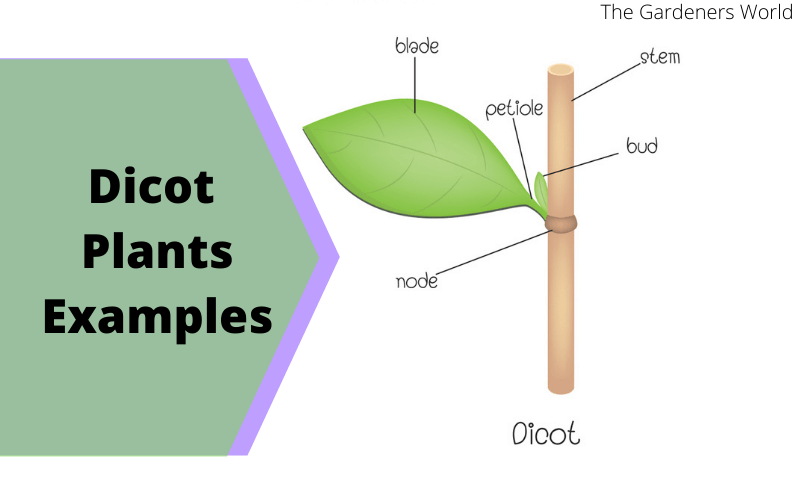
    Plants can be separated into two categories. One is Monocots and the other is Dicots. Many common gardens plants and trees are called Dicots. Dicot is a category of flowering plants or angiosperm with a pair of leaves. Dicot is also known as cotyledons. 

    Monocots

    Plants that having seeds and contain a single leaf are known as Monocots. 

    Join us and check 13 dicot plants examples:

    An infographic of Top 5 Examples of Dicot Plants

    Oak trees

    Oak Tree

    Oak trees are a type of dicot plant, which means that they have two cotyledons, or seed leaves. This is in contrast to monocot plants, which only have one cotyledon. Oak trees are also characterized by their deep roots, which helps them to anchor themselves in the ground and withstand strong winds.

    There are many different species of oak tree, but they all share some common characteristics, such as alternately arranged leaves and acorns. Oak trees are an important source of food for many animals, including squirrels, deer, and birds.

    Classification

    Kingdom: Plantae

    Clade: Tracheophytes

    Order: Fagales

    Family: Fagaceae

    Subfamily: Quercoideae

    Genus: Quercus L.

    Daisies

    Daisy

    Daisies belong to the dicots class of plants. So, daisies have two seed leaves, when they germinate. They also tend to have flowers with four or five petals, and their leaves are usually arranged in pairs along the stem.

    Daisies are a very popular type of flower, and you’ll find them in various colors, including white, yellow, pink, and purple. You”ll see them being used in bouquets and floral arrangements, and they are also a popular choice for gardens.

    Scientific name: Bellis perennis

    Higher classification: Bellis

    Rank: Species

    Family: Asteraceae

    Kingdom: Plantae

    Order: Asterales

    Peas

    Peas

    Most people are familiar with peas as a tasty addition to their dinner plate. However very few people know that they are actually a dicot plant.

    Peas belong to the legume family, which includes other well-known plants such as beans and peanuts. Now, legumes are unique as they’re able to form a symbiotic relationship with nitrogen-fixing bacteria.

    That means they’re able to convert atmospheric nitrogen into a form that can be used by plants. That will enrich the soil and improve plant growth. 

    Classification 

    Kingdom: Plantae

    Clade: Tracheophytes

    Order: Fabales

    Family: Fabaceae

    Genus: Pisum

    Species: P. sativum

    Binomial name: Pisum sativum L.

    Asiatic pennywort

    Asiatic Pennywort

    Asiatic pennywort (Centella Asiatica) is a fast-growing, creeping dicot plant. It is native to tropical wetlands in Asia and has small, round leaves, and produces white or pink flowers. You can use it in containers or hanging baskets. Pennywort prefers moist soil and does not tolerate drought.

    You should fertilize it monthly during the growing season. You have to remember that Pennywort is susceptible to several diseases, including root rot, leaf spot, and powdery mildew. It is also attractive to slugs and snails.

    The health benefits of Asiatic pennyworth are numerous. Many Asian legends were associated with Asiatic pennywort. This is also used on skincare products as it makes the skin smooth and strengthens. Asiatic pennywort can protect our immune system from high blood pressure. 

    Scientific classification:

    Kingdom: Plantae

    Clade: Tracheophytes

    Order: Apiales

    Family: Apiaceae

    Genus: Centella

    Species: C. asiatica

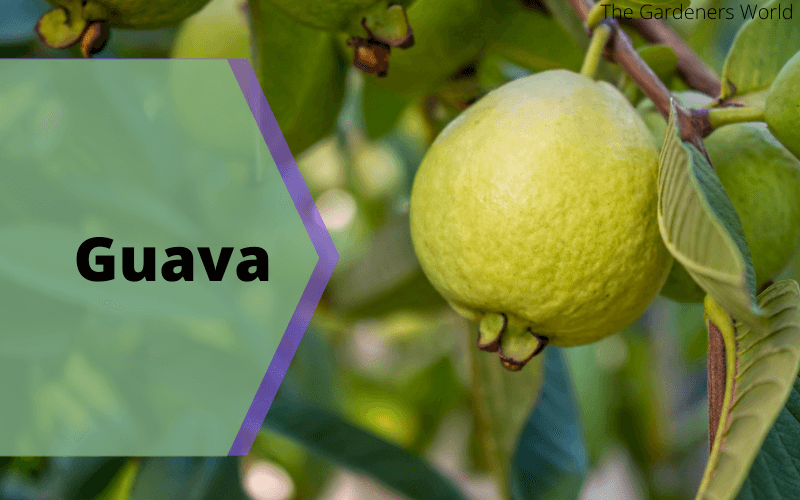
    Guava

    Guava

    You’ll find this dicot plant in many home gardens. You can easily take care of it and it’s amazing that it produces an abundance of fruit. Guava is a great addition to any garden, because it provides both beauty and delicious fruit. The tree is small to medium in size and has dark green leaves.

    The flowers are white and have a strong fragrance. The fruit is oval-shaped and can be either green or yellow when ripe. The flesh of the fruit contains small seeds that are edible.  

    Scientific classification: 

    Kingdom: Plantae

    Clade: Tracheophytes

    Order: Myrtales

    Family: Myrtaceae

    Genus: Psidium

    Species:P. guajava

    Scientific name: Psidium guajava L

    Sunflower

    Sunflower

    This one’s my personal favorite. They’re big and beautiful, and they always make me think of summer. Did you know that sunflowers are classified as a dicot? yes, they are as they have two seed leaves.

    Though dicots are typically more difficult to grow than monocots, but sunflowers an exception and easy maintenance. Just make sure you plant them in a sunny spot and give them plenty of room to grow. 

    Classification:

    Scientific name: Helianthus

    Kingdom: Plantae 

    Order: Asterales 

    Family: Asteraceae 

    Subfamily: Asteroidea 

    Genus: Helianthus

    Maple Trees

    Apart from being dicot, most maple trees are deciduous, which means that they lose their leaves in the fall.

    There are more than 100 species of a maple tree, and you’ll find them in countries all over the world. Maple trees are popular because of their beautiful leaves, and because they produce a sweet syrup. The syrup is made by tapping the tree and collecting the sap.

    The sap is then boiled to remove water, and it is ready to eat. You can use the syrup on pancakes, waffles, oatmeal, and more.

    Scientific classification:

    Kingdom: Plantae

    Clade: Tracheophytes

    Order: Sapindales

    Family: Sapindaceae

    Subfamily: Hippocastanoideae

    Genus: Acer L.

    Clover

    Clover

    Classified as dicot, the clover plant is a low-growing herbaceous plant that you can use as a  green manure crop. You’ll find them susceptible to drought and may need occasional irrigation during dry periods.

    Many mistake it for weeds, but they can actually be quite attractive in the right setting. As they also fall into the category of C3 plants, they can be beneficial for the garden as they can attract bees and other useful insects with their bloom. Clovers can grow 4 to 8 inches. 

    Scientific classification:

    Kingdom: Plantae

    Clade: Tracheophytes

    Order: Fabales

    Family: Fabaceae

    Subfamily: Faboideae

    Tribe: Trifolieae

    Genus: Trifolium L.

    Hollyhocks

    Hollyhocks

    Is it possible to not love their big, dramatic blooms in shades of pink, red, and purple? And they’re so easy to grow! Just give them some sun and well-drained soil, and they’ll do the rest. Now, these dicot plants can get pretty tall, so please give them plenty of space.

    Also, these plants make a great backdrop for shorter plants in the garden. And if you cut some of the flowers and bring them inside, they’ll light up your home as well.

    Scientific classification:

    Kingdom: Plantae

    Clade: Tracheophytes

    Order: Malvales

    Family: Malvaceae

    Subfamily: Malvoideae

    Tribe: Malveae

    Genus: Alcea L.

    Mango

    Mango

    With its large, bright green leaves and its sweet-smelling fruit, it’s no wonder that the mango is such a beloved dicot tree. In America, there are the most common five varieties of mango widely available. They are Alphonse, Edward, Kesar, Manila, Palmer .

    The fruit of the mango tree is delicious, and you can make use of in a variety of ways – from eating fresh to using in juices, jams, and chutneys. The wood of the mango tree is also valuable, and can be used to make furniture and other wood products.

    Scientific classification:

    Kingdom: Plantae

    Clade: Tracheophytes

    Order: Sapindales

    Family: Anacardiaceae

    Genus: Mangifera

    Species: M. indica

    Papaya

    Papaya

    The papaya tree is actually a member of the dicot family. And like the other members of the same family, they have two cotyledons, when they sprout from their seed.

    You’ll love the fact that the papaya tree grows quickly and can reach up to 20 feet tall. It has large, palm-like leaves and a trunk that is filled in brownish-orange bark. The fruit itself is spherical or pear-shaped and has a soft, fleshy texture. Papaya is native to Mexico but it can be found all over the world nowadays. Papaya contains:

    • Calories
    • Carbohydrates
    • Fiber
    • Protein
    • Vitamin C
    • Vitamin A
    • Folate 
    • Potassium

    Classification:

    Scientific name: Carica papaya

    Kingdom: Plantae 

    Clade: Tracheophytes 

    Order: Brassicales 

    Family: Caricaceae 

    Genus: Carica 

    Species: C. papaya

    Almond

    Almond

    Almonds are examples of dicot plants that are native to the middle east, but almonds are the most popular nut all over the US. Almonds are popular for their health benefits. They contain vitamins, minerals, protein, and fiber which are very beneficial for the human body. Almonds are high in fat, but it is unsaturated fat which does not increase the risk of LDL (low-density lipoprotein). Almond can reduce the risk of heart disease and cancer. Almonds contain:

    • Calories
    • Carbohydrates
    • Fiber
    • Protein
    • Calcium
    • Iron

    Classification: 

    Scientific name: Prunus amygdalus

    Kingdom: Plantae 

    Clade: Tracheophytes 

    Order: Rosales 

    Family: Rosaceae 

    Genus: Prunus 

    Species:P. amygdalus

    Plum

    Plum

    Plums are extremely nutritious and they contain many nutrients such as vitamins, minerals, fiber, and many other nutritious elements. I especially love European plums, like the Italian prune plum. They are so sweet and flavorful. I also like to use them in baking.

    Plums contain vitamins and minerals such as:

    • Calories
    • Carbs 
    • Fibe
    • Sugars
    • Vitamin A
    • Vitamin C
    • Vitamin K
    • Potassium

    Classification:

    Scientific name: Prunus domestica

    Kingdom: Plantae 

    Clade: Tracheophytes 

    Order: Rosales 

    Family: Rosaceae 

    Genus: Prunus

    Conclusion

    In this article, we have discussed 13 plants. Hope that this was very helpful for you. If you are confused about any other plants if they are dicot or not let me know in the comment. I will try to reply to them.