Category: Blog

  • Are Plants Asexual? A Complete Discussion

    Are Plants Asexual? A Complete Discussion

    Like all other living beings, plants also need to reproduce to perpetuate their species. But they don’t always need fertilization by the fusion of two different parent. So, are plants asexual? Not all of them. Plants can reproduce both sexually and asexually. 

    But a question might arise in your mind how would plants reproduce without fertilization. Well, in asexual reproduction, plants replicate their species or, simply put, make clones of themselves. The mother plant and its offspring are always genetically identical, unlike the sexually produced plants.

    Let’s know more about how plants reproduce asexually and what type of plants can produce asexually and sometimes both sexually and asexually.

    What is Asexual Reproduction?

    What is asexual reproduction

    Asexual reproduction can be termed as a mode of reproduction which does not need fertilization or fusion of male and female cells to produce offspring, rather, it produces genetically identical offspring. Both multicellular and unicellular species can reproduce asexually. 

    There will be no gamete fusion involved in this procedure, and the number of chromosomes will remain the same. With the exception of specific situations where there is a possibility that a rare mutation will occur, it will acquire the same genetic traits as the parent.

    Some of the common characteristics observed in asexual reproduction are:

    • No fertilization or fusion of male and female gametes is required.
    • Only a single parent is involved in the whole reproduction process.
    • The mother plant produces genetically identical offspring.
    • There will be no change in the number of chromosomes.
    • The process does not take a very long time.
    • The growth of the offspring is very high.

    As no fertilization or fusion of male and female cells occurs, there is no formation of the seed in asexual reproduction. They produce through the different parts of their bodies like roots, stems, and leaves. Using these parts of their bodies, the parent plant usually regenerates itself.

    Why Plants are asexual?

    Why Plants are asexual

    Other than a few exceptions, you will notice that all the plants which reproduce asexually are invertebrates. 

    They reproduce asexually because they do not have the well-formed reproductive system which a plant must have in order to reproduce sexually. These plants do not form or propagate any seed, which is why they need to reproduce asexually.

    Another reason for these plants to reproduce asexually is the changing environmental conditions. 

    The offsprings of sexually reproductive plants have the ability to survive changing environments, which the asexually reproduced plants lack. That is why they are cloned so that they would not need to adapt to the changing environment.

    If you look into some of the plants that reproduce asexually, like a hydra, sponge, honeybees, etc., you will find that these invertebrates do not have well-formed structures, and so they reproduce asexually to replicate and perpetuate their species. 

    How Do Plants Reproduce Asexually?

    How Do Plants Reproduce Asexually

    Asexual reproduction can be both in natural and artificial methods. There are different kinds of methods through which plants reproduce asexually. The main four types of asexual reproduction process are

    • Fission
    • Budding
    • Fragmentation
    • Parthenogenesis

    Let us see a brief description of each type of asexual reproduction method of plants to understand their functions better.

    Fission

    The meaning of the word ‘Fission’ is to divide. In this process of asexual reproduction, plants divide their bodies into two separate entities to create genetically identical offspring. 

    The parent nucleus first undergoes mitotic division, producing identical entities with two genetic materials in each. The newly created body is subsequently divided by the cytoplasm through cytokinesis. Fission can be both binary or multiple. 

    In the binary fission process, plants divide their bodies into two parts as their new individuals. Whereas in multiple fission, they divide themselves into numerous parts.

    Budding

    The process of budding means that the plant will separate a part from its body to create a new genetically identical individual of its own. A bud first develops as a little lump on the parent’s body wall. 

    The bulge then extends to create a stalk that sprouts some features, like tentacles extended from the body. When the cavity reaches maturity, it separates and begins to live on its own. A bud may occasionally stay connected to its parent while relying less on it or perhaps thriving totally on its own.

    Fragmentation

    In the process of fragmentation, the parts of a plant’s body split into several pieces to reproduce. These separated pieces then form the other missing pieces which did not separate from the body through regeneration. Animals’ fragmentation aids in their ability to regenerate any damaged or broken body parts. 

    There are some plants that have the capacity to split into two or more pieces, with each new piece developing into a distinct, new individual. They grow quickly and in a short amount of time. Few plants have the ability to develop adventitious plantlets that eventually separate to grow into separate plants, and the other organisms produce organs.

    Parthenogenesis

    Parthenogenesis is a unique process of asexual reproduction in plants that develops an embryo without being fertilized by male sperm. 

    They develop some unfertilized eggs, which turn into genetically identical offspring of the plant. Some plants undergo the process of parthenogenesis for reproduction needs, whereas some plants are simply propelled by the condition and its challenges around them. 

    One good example of this can be aphids which simply undergo parthenogenesis because it has an excess amount of nutrients forming inside them and not because it has to reproduce offspring.

    How Asexual Reproduction Benefits Plants
    How Asexual Reproduction Benefits Plants

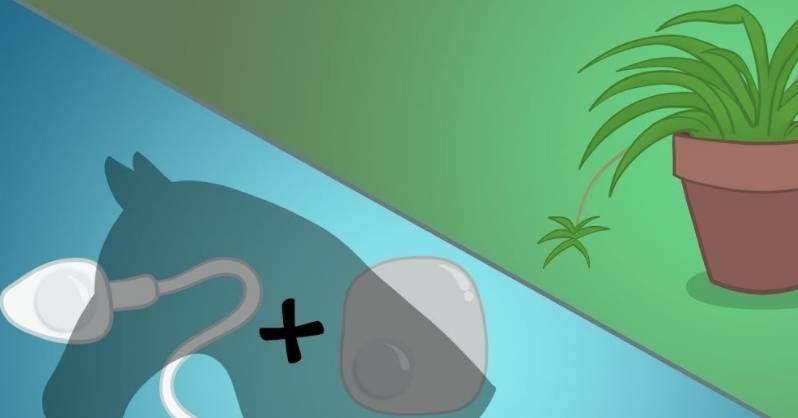
    Asexual reproduction in plants may only seem like a way of reproducing the plants, but they come with some benefits as well. Some of the benefits or big advantages are mentioned below.

    • Asexual reproduction helps in the preservation of different genetical characteristics of the plants.
    • It is not dependent on parents of different genders to mate in order to reproduce.
    • The process of asexual reproduction has fast growth and reproduces in very less time.
    • Propagating plants that have no means of seeds to produce offspring.

    Drawbacks Of Asexual Reproduction In Plants

    Although there are plenty of advantages seen from the asexual reproduction of plants, they certainly come with some drawbacks as well. Let us find out the disadvantages or limitations of asexual reproduction.

    • As genetically identical offspring is produced, diversity is not seen in these plants.
    • They face many difficulties adapting to the ever-changing environment
    • A minute change in the habitats of the plants might destroy the entire species.

    Conclusion

    It is quite fascinating to see plants reproduce asexually in such unique ways without being fertilized or fused by two parent trees. But as their adaptability to the changing environments is very, it might destroy a single line of species entirely. With the alarmingly rising concerns of global warming, these plants might soon.

    Resources:

  • Are Plants Sentient? An In-Depth Analysis

    Are Plants Sentient? An In-Depth Analysis

    Plants have always been portrayed as inanimate being for us. Plants are thought not to have feelings or intelligence to function or feel as they do not have brains, which generate all sorts of intelligence and emotions or reflexes. 

    But if that is the case, how do plants survive independently even in the most challenging situations? 

    While ancient studies tell us that a living being requires a well-formed brain to possess feelings or intelligence, recent studies say otherwise. 

    So, are plants sentient? There is still an ongoing debate on that, but plants show the signs of being sentient in many different ways. Let’s learn more about it. 

    What Does It Mean for a Plant To be Sentient?

    What Does It Mean for a Plant To be Sentient

    For a plant, being sentient means to be capable of having feelings or a level of awareness of the surroundings and to have some cognitive abilities as well. Since ancient times, we have had this misconception regarding the ability to have feelings with the ability to respond. 

    It is not necessary to respond; you can also react to show how you feel. This is what exactly the plants do. They react to their surroundings, but they don’t respond actively to them.

    Another way of being sentient is having a certain level of intelligence. The research used to claim that plants do not have the intelligence which is required to be proven as sentient. 

    But if such is true, plants would not have been able to sustain themselves. Plants make their own food with the help of photosynthesis and its organelles; they control the atmosphere accordingly and also store food for future needs. It not only keeps surviving itself but also helps us survive.

    Evidence That Plants Are Sentient

    Evidence That Plants Are Sentient

    There is plenty of evidence that proves plants are sentient as well. Sometimes they are considered even more sentient than a few animals. Following are the characteristics or nature of plants which make them sentient.

    Maintaining Order of Response

    One of the characteristics of being sentient is being able to prioritize the order in which one should respond. In recent studies, it has been figured out that plants do maintain the order of response, and that too with prioritization. 

    Despite the fact that plants do not now possess a mental state to prioritize their needs, they still employ coordinated physiological activity groups to respond to specific environmental conditions. 

    In this whole process, phloem plays the main role of working as a channel for the plants to establish electrical communication. 

    Activities Like A Nervous System

    Plants were initially the subject of not being sentient because they lack in having a nervous system, which is the main thing that makes an animal sentient. 

    It was established that without a brain or a nervous system, a living being cannot be sentient. But recent studies have shown that plants do project features like the neurons of a nervous system present in animals.

    Plants project a lot of action potentials and electrical transmissions, which are quite similar to the neurons present in the animal nervous system. Here phloem acts as a phytoneurone that can transmit impulses, and reflexes are noticed in plants.

    Visible Action Potentials

    If you ever observe a plant, you would always notice that the leaves are always directed in the direction of sunlight. 

    As they make their food through the process of photosynthesis from sunlight, it needs to position themselves towards the sun. This is a similar kind of action potential of the leaf blades of a plant, acting like a motor nerve found in animals.

    Another interesting action potential shown by the plants is aiding or protecting themselves from different insects. 

    When insects harm the plants, just like our motor nerves, the glutamate receptors of the plants transmit it to different parts of the plants, and they aid themselves in different ways like increasing the circulation of salicylate or emitting ethylene.

    Does it Affect our Relation with the Plants?

    Does Sentient Affect our Relation with the Plants

    It does not affect the relationship of plants with us. Rather, it would be a good way to start prioritizing their immense importance in our lives. 

    It is yet to be confirmed if plants react or respond actively to our behavior towards them or not, but they definitely react to our presence. 

    So we should be aware of acknowledging their conscience more than we do now.

    One thing for sure is that they are not inanimate, and we are dependent on them for our survival. So, we should increase our care, affection, and gratitude towards them as we do to other animals or pets we have around us. The notion of ‘Plant Blindness’ should be removed from society. 

    Final Words

    Even if not sentient, plants do help us a lot. Ignoring their presence and not taking measures to take care of them would not only affect their lives but ours as well. 

    Animals and plants are inter-connected and interdependent. The more we give to the plants, the more we will receive. 

    Although it is yet to be firmly established whether plants are sentient or not, the ignorance shown towards the plants should be taken care of.

    Related Posts:

    Are Plants Asexual? An In-Depth Analysis

  • 4 Plants That Don’t Have Branches

    4 Plants That Don’t Have Branches

    What image does a tree or plant conjure up in your head when you visualize it in your mind? Typically, we depict a tall stem with numerous large and small branches, all of which are covered in leaves. But do all the plants have branches?

    No, many plants do not have branches, and throughout their lifetime, they survive like this. 

    Although branches are supposed to support the structure of a plant also its stems, there are many kinds of plants which are either dependent entirely on their stem or are monocytes with no wooden structure in them.

    Plants That Have No Branches

    Palm Tree

    Palm tree

    Palm trees are monoecious and are straight, unbranched, and have large green leaves, which are arranged in a spiral form at the top of their trunk. Unlike most plants, palm trees survive through the protection of their big spiny leaves. It does not bother them, for having no branches. 

    Although their leaves are not as strong as well-formed branches, it forms palm canopies which protect the plant and cause less damage to the plant. 

    It also has this rare quality to fold up its leaves to protect the plant from external damage from heavy storms or Hurricanes. With its sturdy leaves, it can easily protect itself from strong winds by folding up.

    Banana Tree

    Banana Tree Plant

    Banana trees are monocots, which means it has neither a strong wooden stem nor branches, and it dies after producing their fruits once. 

    It does not have a wooden stem; rather, it has hemicellulose stems giving the plant a structure to stand on. This hemicellulose inside the stem of the banana trees helps it complete its life cycle without a wooden stem. 

    Banana trees have several layers of leaves, and just like grass, it has no hard stem or core inside them. It intakes a high amount of potassium, with 75% of it composed of water which helps the plant to survive in adverse weather as well.

    Bamboo

    Bamboo plants

    Bamboo is another example of plants not having branches. Although bamboo cannot be considered a tree as it has no bark or any other part to separate it from the main body. 

    It is known or classified as a modified grass which grows leaves from its stem. The stem of bamboo is really sturdy and often used as a sustainable resource to build infrastructures. 

    Bamboo is a colony plant that has special requirements for soil to grow and would grow slowly and gradually into enormous plants reaching heights.

    Turmeric

    Turmeric plant

    Turmeric is a perennial herb that has cylindrical rhizomes and two-rowed leaves which are altered from its stem. It has branch-like structures coming out of its body, but they are too tender to be classified as branches. 

    Turmeric is technically not a plant, but they do have characteristics of a plant as it can be classified into the stem, branches, and leaf sheaths. 

    Turmeric is widely used as spices in South Asian countries like India, Nepal, China, etc. They are also hugely beneficial for medical uses worldwide. 

    Having no sturdy structures, its roots are what keep it protected from any damage or at least prevent it to some degree.

    Asparagus

    Asparagus plant

    Aspagaruses are kind of similar in nature to turmeric trees when it comes to their structure. It has no wooden stem, and it only stands on its main body, which is its stems. 

    The stems grow some pseudo branches which cannot be called well-formed branches due to their tenderness. It also has leaves, which are in nature reduced branches. Asparagus is widely used in cooking worldwide. 

    Final Word

    Branches are not always a must for a plant to survive in its habitat or form support for its stem. Every plant, with or without branches, has some unique qualities to survive adversities.

  • Do Plant Cells Have Cytoskeleton? Functions & Structure

    Do Plant Cells Have Cytoskeleton? Functions & Structure

    Movement or locomotion is an integral part of life. The plant kingdom is not bestowed with the ability to move, per se, but all of its species have an established system of intercellular contact and intercellular communication. 

    And all of these movements are done by the cytoskeleton. The cytoskeleton is the chief organelle of the cell interior involved with these functions.

    What Is The Cytoskeleton

    What Is The Cytoskeleton

    ‘Cyto’ means cell/cell-like, so cytoskeleton refers to a complex network of proteins that constitute the skeletal system of a cell. Now, this is different from what we usually know as a skeleton in a literal form and is more of a physical skeleton than an anatomical one. 

    The cytoskeleton is practically comprised of three components, namely- microtubules, intermediate filament, and microfilament. Each of these is assigned with unique activities and has a different structural constitution. 

    Their location in a cell can be detected in an interspersed manner, extending from the cell wall to the nucleus.

    Does Cytoskeleton Exist In Plant Cell

    Does Cytoskeleton Exist In Plant Cell

    Cytoskeleton exists in plant cells. It exists in all eukaryotic cells except for bacteria. Plant cells’ cytoskeleton differs from that of the animal cell in terms of the building block. The cytoskeleton of plant cells originates greatly from cellulose while the animal cytoskeleton is mostly actin filaments.

    Another important thing to remember for the plant cell cytoskeleton is its three constituents (mentioned above). Meanwhile, animal cell cytoskeleton is grouped under centrosome and centriole (later turned into astral rays during cell division).

    Structure And Function Of Cytoskeleton

    Structure And Function Of Cytoskeleton

    The cytoskeleton is rather versatile and multipurpose when it comes to its properties. Some of the basic structure and functions are discussed briefly:

    Microtubules

    Structure: Microtubules are microscopic structures visualized under an electron microscope. These are tubular and straw shaped, made up of thirteen protofilaments. The protofilaments are made up of alpha and beta tubulins. 

    This is the largest component of the cytoskeleton triad and ranges in size from 23 nm to 27 nm (average 24 nm) in diameter, and their length can be of unlimited value. 

    The cross-section of a microtubule confirms the arrangement of alpha and beta subunits due to polymerization assembly. 

    Functions:

    • Microtubules are meant to provide mechanical support and strengthen the shape of a cell. They protect against the distortion of the cells under mechanical and thermal injuries. 
    • Microtubules have a plus-end and a minus-end. The minus-end is anchored inside the cell while the plus-end is free and is responsible for signal transduction and cell signaling, regarded with endocrine functions.
    • Plant cell cytoskeleton is exclusive for intercellular movement of the component. This happens as it doesn’t have cilia, flagella, and centriole like an animal cell. The intercellular movement includes vesicles, vacuoles, and sometimes the entire organelle. 

    Intermediate Filaments

    Structure:

    Intermediate filaments are a molecular aggregation of actin protein filaments bound together by hydrophobic interactions. Two blocks of proteins make up the building block of intermediate filaments, named as coiled-coil structure. The helical structure consists of 1A, 1B, 2A, and 2B subunits separated by linker regions.

    These subunits in turn, form a twisted helix called a dimer, two dimers make a tetramer. (Di: 2, tetra: 4). The tetramers then form protofilaments (previously discussed under microtubules). Its diameter is 10 nm, making it an in-between the other two components.

    Functions:

    • Intermediate filaments are known to be involved with axoplasmic transport of signal molecules and chemical mediators as a slow component. Axoplasm is the part of the neuronal process under cover of axolemma.
    • This functions as an essential component in the contraction of smooth muscle. Since plant cells are devoid of muscle, this is implied under the sense of cellular contraction and movement.
    • Filaments are concerned with the movement of pigment granules across cells, as well as provide strength to and contact among neighboring cells. This ensures the exchange of materials to and fro.
    • The junctional complex structural element ensures the proper cell spreading of chemical and biophysical components, the junctional components can be replaced by tight junctions instead of gap junctions to prevent the spreading and movement of substances when required.

    Microfilaments

    Structure:

    Initially, actin filaments make up the central building block of microfilaments. But in the cellular environment, the microfilaments can react with other sorts of proteins. 

    Actin subunits aggregate to form globular subunits that will condense later on to form longer chains by the process of polymerization. This will give rise to the filamentous structure of microfilaments. 

    These are about only 7 nm in diameter, have polarity, and possess the flexibility and tensile elasticity. This is also the smallest component of the cytoskeleton.

    Functions:

    • As the structure suggests the abundance of actin (one of the essential proteins of muscle contraction, another being the myosin), it performs greatly in muscle contraction from a cellular level. (Or in terms of the plant cell, cellular locomotion).
    • This is locomotory, that is, it is concerned with the movement and shifting of cytoplasmic components within and among cells.
    • The actin filaments provide a structural framework to the cytoskeleton of the cell, being the thinnest and finely dispersed all over the cytoplasm.
    • These can polarize rapidly, causing the shape-shifting of cells. This feature protects the cell from external factors and thus prevents premature destruction. 

    How The Cytoskeleton Helps Plants To Grow And Develop

    How The Cytoskeleton Helps Plants To Grow And Develop

    Cytoskeleton influences the growth and development of a plant by means of internal organization and cell division (to be discussed later).

    Internal organization:

    • The cytoskeleton components are known to interact with the plasma membrane of the cell. It creates a pathway for external substances to permeate inside and for waste materials and debris from the inside to leave the extracellular space.
    • The intracellular organelles are commanded to move in the desired direction to perform certain activities. This formation, destruction, and rearrangement of vacuoles and enzymatic vesicles is an essential part of plant growth since these acts heavily regulate the development process.
    • Chromosomal aggregation and cellular polarity are another way the cytoskeleton affects growth in plants by enhancing proliferation.

    What Role Does Cytoskeleton Play In Plant Cell Division

    Plant cell division is vastly mitotic for the division of somatic cells that determines physiological growth. On the other hand, meiosis cell division converts sporophytes to gametophytes for reproduction. The cytoskeleton helps in both of these processes.

    Mitosis

    • The initial step is the formation of the preprophase band, which is a ring of cortical microtubules and actin filaments exclusive to plant cells. It determines the axis and planes in the cell division that will take place. (For example, meiosis 1 and meiosis 2 take place in altered planes).
    • Spindle formation is the next necessary step. The spindle apparatus is a framework formed by a cytoskeleton extending from one pole of the cell to the other. Then, the sister chromatids are fused to the spindle apparatus throughout the mitosis.
    • Cytoskeleton is involved in the formation of the phragmoplast, which is the guiding agent of chromosomes during mitosis. This instructs the movement of an equal number of chromosomes to each pole, preventing disjunction. This step ensures the equational division that maintains the integrity of each plant species.

    Meiosis

    • Just as found in mitosis, the spindle apparatus of meiosis is formed by the cytoskeleton. The cytoskeleton also determines the chromatin movement and specific dynamics of chromosomes.
    • Cytoskeleton also influences genetic inheritance and transmission and modification of information of the genetic blueprint. 

    Conclusion

    The cytoskeleton is one of the significant organelles of a cell, although not discussed as frequently as others. All the functions and contributions of the cytoskeleton to the life cycle of a plant are seen from the very beginning till the last cell deceases. 

    Recent studies show the possible presence of cytoskeleton in species and sub-species that were previously considered to not have any cytoplasm. This discovery may play a role in developing advanced horizons in genetic engineering in plants to increase food production.

    Related Posts:

    Are Plants Sentient? An In-Depth Analysis

    Are Plants Asexual? An In-Depth Analysis

  • Do Plant Cells Have A Permanent Vacuole? Learn About Its Role Here

    Do Plant Cells Have A Permanent Vacuole? Learn About Its Role Here

    A vacuole might be misinterpreted as a practically useless vacuum. In reality, nature doesn’t leave things to sit idle. Hence, a vacuole is an essential element in the intracellular environment of a plant cell with its unique functions to carry and responsibilities to fulfill.

    So, do plant cells come with a permanent vacuole? Yes, they do! But before we go more into details, let’s first discuss-

    What Is A Plant Cell Vacuole

    What Is A Plant Cell Vacuole

    The vacuole is a somewhat spherical, membrane-bound cellular organelle. Plant cell vacuoles are significantly larger than that of animal cells and can be large enough to occupy the major central portion of the cell. 

    It helps push the remaining organelles to the periphery. The function of plant cell vacuole is lysosomal.

    Are There Permanent Vacuole in Plant Cells?

    Do Plant Cells Have A Permanent Vacuole

    Indeed, plant cells are one of the only ones to have permanent vacuoles due to their assigned functions of storage and metabolism. Contrarily, animal cells have small, peripherally placed vacuoles that function temporarily, only under certain requirements.

    What Is The Use Of Vacuole In A Plant Cell

    The great size of the vacuole implies its manifold purpose in the cell, some of which can be demonstrated in the following discussion:

    Lysosomal

    The lysosome is an enzyme-filled pocket that is membrane-bound and occasionally releases hydrolytic enzymes to carry out catabolic metabolism of the cell as well as phagocytosis. Plant vacuole functions similarly to a lysosome in such a way that it is considered the trash chute of a cell. 

    Vacuole takes up metabolic waste products, processes those wastes, and finally excretes them. The fact that it rids intracellular water in this way signifies the maintenance of water balance and heat regulation through the vacuole.

    Detoxification and metabolism

    Vacuoles take up toxic substances and handle them to prevent their detrimental effects on the plant body. Toxic chemicals or biological components that make their way into the cell are usually converted into more soluble, safer compounds. They are then either excreted or made inactivated to minimize their harm.

    Vacuoles are the metabolic unit of plant cells as it regulates anabolism and catabolism. Furthermore, they retain the end products of metabolism, such as pigment, ions, salts, minerals, and organic constituents.

    Structural integrity

    Vacuoles are an essential component in maintaining the structural integrity of a cell by exerting centrifugal pressure from the center toward the cell wall. This enables the cell to become significantly larger without the necessity to synthesize more amount of structural materials.

    The vacuole also influences the import and export of salts and salts. Thus regulating the osmotic gradient across the cell wall that dictates the movement of water in both directions.

    Turgidity

    Plant vacuole is capable of taking and releasing fluid depending on the physiological condition of the cell. The turgor pressure of the cell is controlled by this organelle. When there is excess fluid permeating through the cell wall, the vacuole takes up the fluid and swells up to the brim.

    The opposite happens in dehydration, where the vacuole loses water to make up for the water demand of the plant. That is when wilting and necrosis takes place, as we see in neglected house plants.

    Storage 

    As hinted above, the storage of metabolic end-products the products are also of great importance. For example, human beings are benefitted from using rubber, gum, opioids, honey antiseptic, and medicinal items extracted from plants, which are practically the chief stored products of the vacuole.

    Pigment makes the plant more attractive, making it more susceptible to vector-based pollination. Bitter or harsh materials are used to protect the plants from external invasion.  

    What’s The Function Of Permanent Vacuole In A Plant Cell

    The permanent vacuole of a plant cell carries out some functions that are specific to this organelle, not possible to be achieved by other substitutes, such as:

    Storage of cell sap

    As already mentioned, the vacuole of a plant cell is specialized to store a variety of substances, it also acts to store cell sap. Cell sap is little pockets filled with liquids that are storehouse to the storage materials in question.

    The cell sap of a permanent vacuole not only provides structural integrity to the cell but also mobilizes ions and molecules whenever required.

    Xylem formation

    Xylem is one of the transport tissues of plants that carry raw materials for food synthesis from roots to the leaves. This xylem system is formed from the meristematic cells (cambium and pericambium). 

    The vacuoles of the pluripotent cells that form these elements bind together to form the xylem system. Therefore, a permanent vacuole plays an important role in ion transport as well.

    Can You Find Vacuole In All Plant Cells

    Vacuole must be present in all living cells for it to be able to carry out cellular functions. Since the cells of cambium, capillary, and sieve cells are living, they all have vacuoles.

    The only dead cells of a plant are the xylem. After its formation, the xylem loses its protoplasm and cell membrane. The xylem cells remain in close contact with one another without any distinct boundary. Since the loss of protoplasm is equivalent to death in plant cells, the xylem is considered dead. 

    Hence, all plant cells except for xylem cells have vacuoles. If the vacuoles were to be lost or degraded due to any cause, the cells would eventually die from unregulated ion and water balance.

    Conclusion

    The vacuole is an intramembranous intracellular organelle found in the cells of plants and fungi. They are designated to carry out functions that are indispensable for life. Without the aid of vacuoles, plant cells could not flourish. 

    Vacuoles differ from cell to cell within the same plant to execute tasks particular to that cell and might vary greatly in morphology and life span. However, the core purpose of protecting the anatomy and physiology of the plant remains the same for all types of vacuoles.

    Related Posts:

    Do Plant Cells Have Cytoskeleton? Functions & Structure

    Are Plants Sentient? An In-Depth Analysis

    Are Plants Asexual? An In-Depth Analysis

  • Do Plant Cells Have Peroxisomes? A Complete Analysis

    Do Plant Cells Have Peroxisomes? A Complete Analysis

    Peroxisomes are one of the most important parts of a cell. These are found in all eukaryotic cells, be they small unicellular organisms or multicellular ones. The single membrane-enclosed organelles are also called microbodies. 

    Now you might be asking, do these cells of plants have peroxisomes? The answer is yes.

    If you have noticed the small vesicles floating around the plant cell in the cytoplasm, they are the peroxisomes. Their diameter ranges from 0.1 to 1 micrometer. Despite their small size compared to the size of the entire cell, they’re a major part.

    The reason they are named peroxisomes is that they produce hydrogen peroxide. It also has enzymes for the pentose phosphate shunt.

    Are Peroxisomes Present in the Plant Cells?

    Are Peroxisomes Present in the Plant Cells

    The answer is yes, plant cells have peroxisomes—and it is one of the most crucial parts of the plant cell.

    They act to store Beta-oxidation fatty acid in the plant cells. Besides, they are also responsible for the production of two phytohormones, namely Indole-3-acetic acid or IAA and Jasmonic Acid or JA. These conjuncts with mitochondria and chloroplasts to boost their functions.

    What Do They Do in Plant Cells?

    What Do Peroxisome Do in Plant Cells

    Since it is one of the major parts of the plant cell, it has many functions to keep the cell robust and working at its best. Their primary role is to break down organic molecules inside of the cell by oxidation process to produce hydrogen peroxide.

    Hydrogen peroxide or H2O2 is then converted into water and oxygen. The peroxisome encloses about 50 different enzymes inside itself. None of it has any contact with the cytoplasm as it is isolated by the lipid bilayer single membrane.

    Lipid catabolism takes place by the enzymes of the peroxisome. It basically means the long-chain fatty acid is broken down by the oxidation process. The fatty acid is broken down in the chemical Acetyl Coenzyme A (CoA), which is responsible for the production of a large amount of metabolic energy.

    There is also another type of enzyme that is produced by the peroxisome which is responsible for the breaking down of Hydrogen peroxide or H2O2. Peroxisomes are also responsible for the production of phospholipids in the cell. 

    Are they necessary for plant cell function?

    peroxisome plant cell function, Are they necessary for plant cell function

    The peroxisome, just like most other major—or even minor organelles in the cell, is very important for the cell to function properly. This, in turn, allows the entire plant to grow by creating a fully functioning system.

    For the fixation of carbon into sugar, carbon dioxide or CO2 is needed. But Chloroplast cannot produce Co2 directly. Instead, it produces Glycolate. And peroxisome comes into play here.

    This Glycolate is passed through peroxisome for the production of glyoxylate. The Glyoxylate is again converted into Glycine in the peroxisome. Lastly, this Glycine is turned into Serine, and Co2 is produced in this process.

    In the presence of sunlight, photorespiration takes place. And that takes place with the help of peroxisomes as well.

    Peroxisome produces catalase, which again helps in breaking down the H2O2, which is produced during the conversion of Glycolate into Glyoxylate. A high concentration of H2O2 can be really harmful to the cell, causing an imbalance in the entire system.

    That is why peroxisome is a must for the conversion of Glycolate into Glyoxylate, because, without catalase—which is produced only in the peroxisome, the H2O2 will end up damaging the cell. This is the detoxification step of the peroxisome in plant cells.

    How do peroxisomes benefit plants?

    If the plant cells are benefitted from the presence of peroxisomes in themselves—it automatically means that the entire plant is being benefitted. And plants are hugely benefitted from the existence of these organelles.

    Due to allowing all the processes, including Beta-oxidation, helping in the production of Co2, photorespiration in leaves, and so on, glycolates play a significant role in ensuring that the plant is growing and functioning normally.

    IAA is responsible for the growth regulation of the plant and the development of the cell. It is responsible for the proper division of cells, differentiation of tissue, and so on. All these make sure the plant is strong and grown. JA is also a growth-regulating substance in the plant’s body.

    Conversion of Glycolate and ultimately producing Co2 by the mitochondria takes the help of peroxisomes. And this is one of the most important functions of the peroxisomes. It boosts the metabolism of the plants helping them to grow and fight anything coming in their way to growth.

    In higher plants, photorespiration is also a very important process allowing it to respire. This process is also known as oxidative photosynthesis.

    Basically, the role of peroxisomes in a plant body is immense. Without the metabolism provided by the peroxisome, it will be impossible for the plant to fight back against anything, and eventually, it will wither away.

    Related Posts:

    Do Plant Cells Have A Permanent Vacuole? Learn About Its Role Here

    Do Plant Cells Have Cytoskeleton? Functions & Structure

    Are Plants Sentient? An In-Depth Analysis

    Are Plants Asexual? An In-Depth Analysis

    How do plant cells compare to other cell types in terms of peroxisome presence and function?

    Peroxisomes are not exclusive to plant cells. As mentioned above, these organelles are found in all eukaryotic cells, be it animal cells, plant cells, or the cell of a fungus. But of course, it does not function exactly the same in all cells.

    When it comes to planting cells, the function of peroxisome mainly lies in providing a solid metabolic system. And it is done by the conversion of carbon into sugar and providing a proper energy source for the plants to live off of. This is vital for the health of the plant and its parts.

    On the other hand, the functions are very different when it comes to animal cells. Here, they work also work in breaking down cholesterol and bile acids helping in the digestion of food. 

    They also partake in the synthesis of lipids which are used to make myelin. Also, the reason our body is able to handle ethanol is because of peroxisome. Lastly, peroxisomes break down purines to uric acid in the animal body.

    Conclusion

    Plant cells surely have peroxisomes. And not only that, it is one of the most important parts of the entire cell—keeping balance in the entire body of the plant. Without the proper functioning of the peroxisome, the plant will have a poor metabolic system and eventually die.

    Related Resources:

    https://www.frontiersin.org/articles/10.3389/fpls.2019.00705/full

    https://www.sciencedirect.com/topics/agricultural-and-biological-sciences/peroxisome

    https://www.ncbi.nlm.nih.gov/pmc/articles/PMC3406917/#:~:text=Peroxisomes%20are%20the%20sole%20site,conjunction%20with%20mitochondria%20and%20chloroplasts.

  • Examples of Herbaceous Plants That You Can Plant In Garden

    Examples of Herbaceous Plants That You Can Plant In Garden

    In our everyday cooking, herbs are an inseparable part. Be it seasonings or garnish, for aroma, or simply for a healthy diet, herbs are always there with us. But do we ever wonder if we could grow them at home instead of buying them from the stores? 

    Before we answer that, we need to dive deeper into the characteristics and examples of herbaceous plants. We will list all of the details in this guide so you can get started without any delay!

    What Are Herbaceous Plants?

    What Are Herbaceous Plants

    Herbaceous plants are those soft and usually small members of the flora AKA the plant kingdom that does not have a wooden stem above the ground. They can be classified into three types depending on their lifespan and growth habit- annual, biennial, and perennial.

    Annual Herbs

    Annual herbs are plants that die both above and below the ground when their growing season ends. They complete their entire life within a year when they flower, germinate, and bear fruits before dying off. 

    Some of these plants can have their dead part on the ground and still be used as decorations if they suit a designer or homeowner’s aesthetics. Basil, cilantro, etc., are some commonly known annual herbs.

    Biennial Herbs

    Biennial herbaceous plants complete their life cycles in two years. They grow and flower in the first year, and by developing a root system and sometimes underground foliage, they survive adverse seasons. In the second year of their growing season, they germinate and bear fruits. Spinach is a widely consumed biennial herb.

    Perennial Herbs

    Perennial herbs have quite a long lifespan. They grow for years and keep producing flowers, fruits, and seeds. These herbs shed their old parts, foliage in particular, every year and regenerate them. 

    Dahlia is an example of a perennial herbaceous plant that grows during northern spring and tropical winter to spring. 

    https://m.youtube.com/watch?v=2BAOcNUoymg

    Herbaceous Plants Examples

    Pansy- Viola x wittrockiana

    Pansy- Viola x wittrockiana

    Kingdom:    Plantae

    Clade:    Rosids

    Order:    Malpighiales

    Family:    Violaceae

    Genus:    Viola

    Species:    V. x wittrockiana

    Pansies are flowers that look like a cheerful man with thick brows and a mustache. These brightly colored flowers have overlapping petals that are heart-shaped. 

    Pansies prefer cooler weather, and they can either be annual, biennial, or perennial, depending on the climate they are raised in. Mostly, they become fragile in the summer heat.

    Pansies grow 6-9 inches tall and 9-12 inches wide. Plant them in early spring and fall to get the most charming outcome. Partial sun is needed; in other words, the morning sun is good for its growth, whereas the afternoon sun is harmful. 

    Pansies can even survive the frosty weather. Plant them with 7-12 inches gaps and never use fertilizers with too much nitrogen in them.

    Zinnia- Zinnia elegans

    Zinnia- Zinnia elegans

    Kingdom:    Plantae

    Clade:    Eudicots

    Order:    Asterales

    Family:    Asteraceae

    Subfamily:    Asteroideae

    Tribe:    Heliantheae

    Subtribe:    Zinniinae

    Genus:    Zinnia

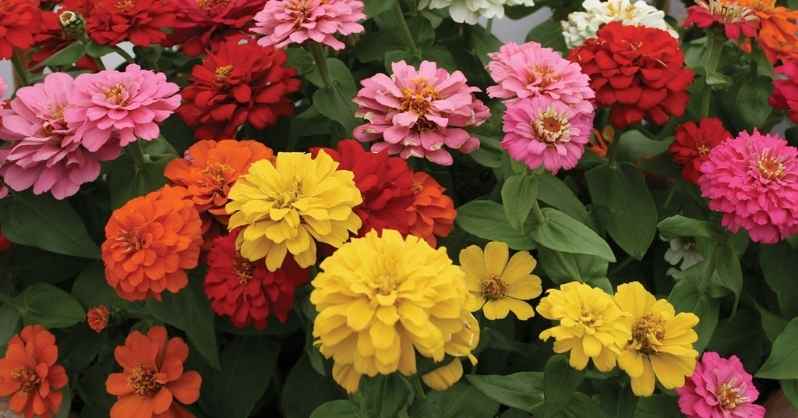
    Zinnia comes from the same family as daisy does, and most of the species originate from North America, some from Central America. While this annual shrub-like herbaceous plant can bear low temperatures, it cannot survive a heavy winter. 

    Zinnia is a butterfly magnet and also attracts other useful insects and pollinators. It is a colorful addition to your garden as the species vary in appearance- some look like Dahlias, some like daisies, and others, like cacti. They come in purple, red, white, yellow, orange, pink, and whatnot. 

    The leaves are narrow, and the flowers are often dried and used in crafts. The more you cut a Zinnia, the more it grows.  

    Giant Fleece Flower- Persicaria polymorpha 

    Giant Fleece Flower- Persicaria polymorpha

    Kingdom:    Plantae

    Clade:    Angiosperms

    Order:    Caryophyllales

    Family:    Polygonaceae

    Subfamily:    Polygonoideae

    Genus:    Persicaria

    Giant fleece flowers are perennial herbs that can grow up to 5 feet, making themselves appear like shrubs. They get 3-4 feet wide. With white flowers and deep green, pointed leaves, these plants bloom in summer and die out in winter. 

    You’ll need to provide external support for their stems during spring. Giant fleece flowers originated in Asia, and being adaptable, they require little maintenance and are popular among butterflies. 

    Their seed heads in the late season are delightful to look at. The best time to plant them is in early spring.

    Leopard Plant- Farfugium japonicum 

    Leopard Plant- Farfugium japonicum 

    Kingdom:    Plantae

    Clade:    Angiosperms

    Order:    Asterales

    Family:    Asteraceae

    Genus:    Farfugium

    Species:    F. japonicum

    The coastal warm-humid region of Japan, Korea, and Taiwan is known to be the habitat of leopard plants. These little chrome-yellow flowers with large leaves grow along riverbanks, streams, and anywhere near natural water bodies. 

    The flowers grow in groups, and the heart-shaped leaves have yellow spots on them. This perennial herb grows 1-2 feet in length and spreads. Summer is the best time for its growth and thus, planting it in early spring gives you the best results. 

    The toxicity, however, should be taken into account before planting it.

    Oriental Poppies- Papaver orientale 

    Oriental Poppies- Papaver orientale

    Kingdom:    Plantae

    Clade:    Angiosperms

    Order:    Ranunculales

    Family:    Papaveraceae

    Genus:    Papaver

    Species:    P. orientale

    Out of all the beautiful species of poppies, we chose oriental poppies due to their vibrant red and orange bloom. These herbaceous perennials have lovely deep green thistle-like foliage in spring, but the flowers still take the spotlight. 

    Oriental poppies can also have white, peach, maroon, and salmon variations. But no matter what shade they are, they look like ‘origami’ AKA folded paper crafts. The stiff hairy-stemmed flower pods are inclined towards the ground but raise their head as they reach full bloom.

    Remember, the best time to grow oriental poppies is in fall and spring as they’re fast growers, adding oriental value to your garden. However, they die out in winter, so make sure you choose catmint or phlox, or similar plants to fill your flower beds. Poppies can be used in ikebana and can also be dried to use for several other crafts. 1-3 feet tall and 1-2 feet wide, these plants are toxic to humans, cats, and dogs.  

    Japanese Knotweed- Polygonum cuspidatum

    Japanese Knotweed- Polygonum cuspidatum

    Kingdom:    Plantae

    Clade:    Angiosperms

    Order:    Caryophyllales

    Family:    Polygonaceae

    Subfamily:    Polygonoideae

    Genus:    Polygonum L.

    Japanese knotweed, as its name suggests, is a native herbaceous perennial of Japan that was later on cultivated in the UK and the USA as ornamental plants in the 19th century. 

    These plants grow up to 9 feet, with their roots reaching 65 feet underground. The semi-woody bamboo-like stems might almost make one think that they’re shrubs. Their rapid growth and the ability to spread through stone masonry make it quite difficult to control.

    The Japanese knotweed is from the same family as the buckwheat plant in the kdrama ‘Goblin’ that fans moon over. It requires warm and moist weather, but the soil needs to be crumbly to prevent the crazy spread. 

    The plant dies in winter, leaving the roots buried in the ground. For this plant, the best time for its growth is from spring to summer. 

    Basil- Oscimum basilicum 

    Basil- Oscimum basilicum 

    Kingdom:    Plantae

    Clade:    Eudicots

    Order:    Lamiales

    Family:    Lamiaceae

    Genus:    Ocimum

    Species:    O. basilicum

    One of the core ingredients of Italian cuisine, basil is a universally loved herb known for its versatility and aroma. It has several variations such as sweet basil, lemon basil, red Rubin basil, etc. And you’d always find it in Mediterranean, South Asian, and South-East Asian cooking. 

    In Europe, basil is believed to bring wealth. In Hindu culture, holy basil is considered to be the habitat of gods. 

    Basil is an annual herbaceous plant that thrives in warm climates. It dies in the cold season and thus needs to be planted every year. Basil sometimes reseeds itself. 

    The flowers grow and produce seeds that can, later on, be preserved until the next season for replanting. Basil leaves can also be stored frozen to use during the off-season. 

    Characteristics of Herbaceous Plants

    Most herbaceous plants are annual, but of course, there are biennial and perennial herbs too. Also, not all herbs are small in size. They vary in spread, foliage, roots, stem lengths, and size. However, there are two common properties they carry-

    • Green, non-woody stems
    • Delicate root structures

    A Few Tips on Taking Care of herbaceous plants

    Whether or not you’re an expert plant parent or a beginner in this journey, we are here to guide you with our useful nuggets of knowledge. 

    Most annual herbs are fragile and die quickly if they’re not taken care of properly. Few annual herbaceous plants are grown in winter in the northern regions. Other than those, most prefer spring and summer warmth. 

    Fennel, lemongrass, and scented geranium are some of the perennial herbs that can’t live in the frost. So they’re grown as annuals in colder regions.

    Since herbaceous plants have non-woody stems, they can require external support to grow and spread their foliage. You must also keep track of the time you let it absorb sunlight and heat. Too much sun exposure can make your herbs sick or even cause death.

    Biennials and perennials can survive off-seasons through their roots, leaves, or other parts, but some annual herbs need to be replanted. So, do store seeds when the flowers bear fruits. Anise, dill, garlic, etc are hardy annuals that can survive the snow. Basil, sesame, cumin, etc., tender ones that cannot bear with the frost. 

    To keep your flower beds appealing, you’ll need to refill the empty spaces left by the annuals with plants that grow in the cold.

    Harvest the annual herbaceous plants before they wear off. Some of them have dead parts you can use for decoration and crafting. 

    Common Pests and Diseases of Herbaceous Plants (and How to Treat Them)

    • Aphids- Preying on tender leaves, these pests are seen on fast-growing herbs. Use horticultural soaps or neem oil to eradicate them.
    • Spider mites- Tiny, almost microscopic spider sucking on leaves, causing yellow patches, which turn red and sickens the herb. Use steamy water. 
    • Japanese beetles- These grow mostly on basil. Remove the infected leaves or dump soapy water on them.
    • Parsley worms- Caterpillars who simply eat your herbs, causing no disease to your precious plants.
    • Flea beetles- They create pinholes on leaves but no serious damage.
    • Spittlebugs- These pests leave scars that look like spit on leaves. Just wash them off with water.

    Apart from these, there are leafhoppers, weevils, whiteflies, leaf miners, etc. are commonly seen on herbs but hardly ever cause serious issues.

    Can You Eat Herbaceous plants?

    Absolutely yes! Herbaceous plants offer a variety of options. Some herbs offer fresh leaves, while some others offer fruits. Some can provide flowers, and some can give you nutritious seeds. 

    Garlic, fennel, lemongrass, basil, parsley, dill, coriander, rosemary, etc. are the most common herbaceous plants that we consume almost every day, in one form or another. You can grow a herb garden for the sole purpose of using them in your cooking. 

    Also, let’s admit it, the satisfaction of growing fresh herbs at your home successfully hits different. 

  • Do Plant Cells Have Flagella for Movement? Learn the Facts

    Do Plant Cells Have Flagella for Movement? Learn the Facts

    Plant cells share a lot of similarities and dissimilarities with animal cells. Some structures are present equally in both plant and animal cells. However, there are some structures which are exclusive only to animal cells or plant cells. 

    One such structure is flagella. Flagella is the structure in cells that helps with motility and progression in a favorable environment. But do plant cells have flagella? Is there any role of flagella in plant cells?

    Let’s find out what flagella is and how it functions in the discussion below.

    What are flagella, and What Do they Do?

    What are flagella, and What Do they Do, flagella structure and function

    Flagella are one of the most important attributes in a cell. They can be defined as hair-like or lash-like structures of the cell. They are also known as the ‘organ of locomotion. As their name suggests, flagella assist in locomotion and accumulation of food. They also have an active role in circulation. 

    Flagella are usually located at the terminal ends or poles of the cells. They may be one in number or maybe several in number, depending on the organism and species.

    So, where did the name ‘flagella’ come from? 

    It originated from the Latin word ‘flagellum,’ which denotes a whip. Since it resembles a whip and is long and slender in appearance, it received the name flagella.

    Flagella may be present in certain organisms like bacteria, protozoa, algae, fungi, and some animals. It is usually a notable feature of the Mastigophora group but may be present in a wide range of species.

    The main function of flagella is to help in locomotion. In bacterial cells, flagella help in proceeding towards their destination. Flagella also has an active role in motility and fertilization. Spermatic cells contain flagella at the end of their structures which helps them to move towards the ovum and engage in fertilization, which later undergoes implantation. So, flagella are known to have an important role in the progression of zygotes. 

    Besides, flagella also play role in the colonization of host tissue surfaces, which prepares for invasion. They also take part in the exchange of essential nutrients and waste substances in certain bacteria. 

    Flagella also has an active role in maintaining the cytoplasmic pH in any cell. This locomotory organ helps in the adaptation of certain organisms to their respective environmental conditions.

    Do Plant cells have flagella?

    Do Plant cells have flagella

    Despite being such an essential organ for locomotion, plant cells lack flagella. Since plant cells do not have to move like bacteria or animal cells, there are no flagella present within them.

    However, plant sperm cells bear one or more flagella at the ends of their cells. This is because plant sperm cells have to take part in fertilization and zygote formation. So, even though there are no flagella in plant cells, plant sperm cells are always flagellated. 

    Flagella is an exclusive structure for eukaryotic cells that consist of membrane-bound organelles. Most bacteria, algae, and fungi are included in this category. Animal cells also bear flagella for the purpose of passage.

    How Do Flagella Help Cells Move?

    Flagella helps cells move from one position to another with the help of bacterial chemotaxis. This kind of chemotaxis involves the movement of bacteria towards environmental conditions that have the optimum amount of beneficial chemicals and a low amount of toxins.

    Flagella assist in cellular movement by conducting a corkscrew motion to impel the cell. Cilia is another hair-like extension of the cell which acts in a similar way to aid in motility and locomotion.

    Different Types of Flagella 

    Flagella in cells are mostly of three types- bacterial, archaeal, and eukaryotic flagella. Let’s have a look at what each type looks like-

    Bacterial flagella

    This type of flagella is probably the longest type of flagella available. It surpasses the eukaryotic and archaeal flagella in size and consistency. Usually, this type of flagella is very thin and measures about 20 nm in diameter.

    They have a helical shape which sets them apart from eukaryotic or archaeal flagella. The basal bodies of the bacteria consist of a rotary motor which has total control over the movement of the bacterial flagella. There are almost 30 proteins in this type of flagella.

    Archaeal flagella

    Archaeal flagella

    On the other hand, archaeal flagella are thinner in consistency and bear hooks that vary from one species to another in terms of length. This type of flagella has exceptional speed and is organized in a right-handed helix. 

    Eukaryotic flagella

    Eukaryotic flagella

    Eukaryotic flagella are a characteristic structure of eukaryotic cells, mostly the cells containing membrane-bound organelles. Animal cells like sperms, algae, fungi etc., contain eukaryotic flagella.

    This type of flagella contains hundreds of proteins in its structure and has to depend on microtubules sliding for locomotion. Their main functions include assisting in fertilization, cell feeding, and progression to a favorable environment.

    Conclusion

    Bringing it to the end, it can be said that the importance of flagella in locomotion and motility is immense. In bacterial cells and different animal cells, flagella play a very crucial role in helping them adapt to a favorable environment. However, since plants do not require any means for movement, flagella are absent in plant cells.

    Related Posts:

    Do Plant Cells Have Peroxisomes? A Complete Analysis

    Do Plant Cells Have A Permanent Vacuole? Learn About Its Role Here

    Do Plant Cells Have Cytoskeleton? Functions & Structure

    Are Plants Sentient? An In-Depth Analysis

    Are Plants Asexual? A Complete Discussion

  • Do Plant Cells Have Centrosomes? A Detailed Answer

    Do Plant Cells Have Centrosomes? A Detailed Answer

    Plants are eukaryotic organisms that are made up of millions of cells. Every cell has a definite nucleus, a cell wall, and a lot of different organelles. Some of these organelles set plant cells apart from animal cells. On the other hand, there are some organelles that are only found in animal cells, and plant cells usually lack these organelles.

    Centrosomes are one of the most important organelles in a cell. But do plant cells have centrosomes? Or is it just exclusive to animal cells?

    Keep reading to find out everything about this unique organelle and whether plant cells possess this organelle.

    What is a centrosome, and what does it do?

    What is a centrosome, and what does it do

    A centrosome is a cytoplasmic organelle of a cell that resides in close proximity to the nucleus. During cell division, this organelle moves to the opposite poles of the cell to form a structure called the mitotic spindle. Centrosome plays an active role in mitosis cell division and influences the advancement of the cell cycle. Besides, it also has a positive effect on accumulating microtubules. By organizing microtubules, centrosomes play a role in coordinating the motility and adhesion within cells.

    Centrosome also has active responsibilities in conducting embryogenesis and locomotion within the cell. Cell division cannot proceed completely without the help of a centrosome. It has distinct roles in each phase of the cell cycle. 

    On the other hand, an uncontrolled number of centrosomes in the cell may precipitate an abnormal cell division, leading to production of cancer cells. This is why centrosomes have a crucial role in the cell cycle. Irregularity in centrosome number and function also causes genomic instability to some extent.

    Are Centrosomes Present in Plant Cells?

    Do plant cells have centrosomes

    Although centrosomes are important organelles for cell division, they are only found in animal cells. Plant cells lack centrosomes, but they can take part in cell division in a different way.

    Although there are no centrosomes in plant cells, the spindle formation in plants takes place through the microtubules arranged by the rigid cell wall. The microtubule organizing region in plant cells undergoes polarization in the metaphase stage of cell division. In this way, cell division is actively conducted in plant cells even without the help of centrosomes.

    Besides, there are specific enzymes within the plant cells that are responsible for the separation of the chromosomes during the anaphase stage of mitosis cell division. The combination of microtubule-organizing regions and these specific enzymes makes cell division take place smoothly despite lacking centrosomes or centrioles in plant cells.

    Motor proteins like γ-tubulin ring complex in plants also facilitate the cell division process in plants by allowing the formation of microtubules in different regions. In the absence of centrosomes, directional mitosis takes place in plants through the reorganization of microtubules. Besides, actin filaments and phragmoplast of microtubules also play a role in the progression of cell cycle and cell division in plants.

    With so many interesting features, plant cells face no difficulty in taking part in cell division. 

    What is its role in cell division?

    centrosome role in cell division

    The centrosome is a non-membrane bound organelle that has an important role in cell division. Especially in animal cells, cell division may fail to exist without the presence of centrosomes. Animal cells do not possess protein complexes or self-organizing microtubules like plants to facilitate cell division. So, animal cells have to depend solely on centrosomes to execute cell division smoothly.

    The main role of the centrosome is to help in the formation of the mitotic spindle that plays an active function in mitosis cell division. It also helps to maintain the constant chromosome number during cell division. 

    Besides, centrosomes are involved in controlling the movement of different cytoskeletal structures, including microtubules. They have an additional role in modifying the different membranes of animal cells, including cell membranes through phagocytosis.

    Two perpendicular centrioles form a centrosome in an animal cell. One of them is a mother centriole, and the other one is a daughter centriole. Both the mother and daughter centriole are arranged in an orthogonal configuration. There are different protein complexes within the centrosome and a matrix surrounding it. The matrix is known as pericentriolar material. During cell division, the centrosome from the parent cell is segregated to the daughter cell. These centrosomes take part in the formation of the mitotic spindle.

    Centrosomes also play a role in the organization of aster rays in the interphase stage pf the cell cycle. Aster rays have a notable effect on the polarity and adhesion of the cells.

    Besides, centrosomes can direct the cellular protein traffic and nucleate the microtubules. However, this nucleation process depends on the movement of the associated protein and the polarity. 

    The function of the centrosome can be controlled in different phases of the cell cycle according to motility, adhesion, signaling, and polarity. It also coordinates the protein trafficking and organizing of the microtubules. In this way, centrosomes in animal cells play a vital role in the cell cycle.

    How many centrosomes are in a cell?

    How many centrosomes are in a cell

    Animal cells contain two centrosomes. These two centrosomes move to two opposite poles during cell division. Later, a spindle is formed between the two centrosomes that assist in transferring the replicated chromosomes to the respective daughter cells.

    So, two centrosomes in an animal cell take an active part in duplicating and assisting in mitosis cell division.

    When do centrosomes replicate?

    Replication of centrosomes takes place during the S phase of the cell cycle. Centrosomes replicate once in each cell cycle. The result is the separation of two centrosomes in each daughter cell which move to two separate poles to form mitotic spindle. The division of centrosomes in a cell cycle is exactly similar to the division of DNA. Centrosomes also anchor the microtubules and shape the microtubule cytoskeleton system.

    Conclusion

    Bringing the discussion to the end, it can be said that although centrosomes are necessary organelles for cell division, plants lack this organelle. Even though centrosomes are absent in plants, cell division can still occur smoothly in plants. With the help of complex proteins and an organized microtubule system, cell division can still take place in plants without a centrosome. 

    Related Posts:

    Do Plant Cells Have Flagella for Movement? Learn the Facts

    Do Plant Cells Have Peroxisomes? A Complete Analysis

    Do Plant Cells Have A Permanent Vacuole? Learn About Its Role Here

    Do Plant Cells Have Cytoskeleton? Functions & Structure

    Are Plants Sentient? An In-Depth Analysis

  • Euphorbia Briar Patch: A Complete Guide

    Euphorbia Briar Patch: A Complete Guide

    The Euphorbia genus is very large and encompasses many species. As a result, it’s not uncommon for a certain species or two to go fly under the radar for many people. One such species is the Euphorbia briar patch.

    In this article, I’ll primarily be talking about the Euphorbia briar patch species. This article will include the characteristics and use of this species and, finally the conditions you need to properly grow it should you wish to.

    What Is Euphorbia Briar Patch?

    What Is Euphorbia Briar Patch

    Euphorbia briar patch is a hybrid species born of two other euphorbia species. Though they are from Africa, they can be grown in other parts of the planet, provided the areas meet their growing conditions.  They are succulent plants which refer to them having thick parts that help prevent water loss.

    The Latin or scientific name for this species is Euphorbia (tirucalli x stenoclada). This refers to its status as a hybrid species, and the two names refer to its parent plants.

    Characteristics Of Euphorbia Briar Patch

    Characteristics Of Euphorbia Briar Patch

    Euphorbia briar patch is a small shrub-like plant that can grow into a 3-meter-tall tree. It prefers tropical climates with a hint of dryness. Africa in general, is a great place for them to grow due to their climate and temperature being preferable.

    Despite preferring tropical climates, the briar patch does not handle too much dry weather very well. It does not have the best means of retaining water and, as a result, cannot handle dry spells for very long. They also don’t take well to cold or frost. So they are impossible to grow in colder climates or colder areas.

    Euphorbia Briar Patch does not prefer soggy soil. Moist soil can often have too much water for the plant to absorb, and this over-exposure to water can cause wood rot. As a result, your plant can quickly die from the wood rot.

    As you can see, Euphorbia Briar Patch is a sensitive plant that needs a good deal of care for it to bloom perfectly.

    What Are The Uses Of It?

    Euphorbia Briar Patch is primarily used as a house plant and sometimes as a garden plant. It has a unique look that often people describe as “coral in a pot,” so, despite some of the difficulties in raising them, they see them used as house plants. They can be placed near windows as they prefer the sun.

    How To Care For Your Euphorbia Briar Patch?

    How To Care For Your Euphorbia Briar Patch

    To properly care for your Euphorbia Briar Patch, you will need to make sure you have the proper conditions to ensure its growth. I’ll guide you on the conditions one by one:

    The Briar patch prefers tropical climates but can survive in temperate climates, albeit with some difficulty. The exact temperatures needed often vary, but on average, 18 to 20 degrees Celsius temperatures will suffice. They bloom during summer.

    This species of Euphorbia prefers normal humidity. High humidity or soggy weather can hinder the plant’s ability to grow as it won’t be able to absorb enough water. As a result, excess water can build up and cause parts of the plant to start rotting.

    On the other hand, too low of humidity can make it very tough to grow. Very dry weather is not at all preferred for them as they have a tough time dealing with it.

    Also, Euphorbia briar patch requires a good deal of watering. As it has been mentioned, they don’t handle dry weather or spells very well, and one of the main causes of declining health for them is lack of watering. In general, you will want to perform watering weekly, especially during summer. You can reduce the watering amount if your area experiences rain and your plant is exposed to it.

    However, in the case of rain, it is important to check the water level in the soil. Too much rain can cause the soil to get waterlogged, and the soil in the pot won’t be able to absorb all the water. There will be a good deal of water left on the surface. If it isn’t removed, it can cause the plant to rot, so be sure to check the water in the soil from time to time.

    Regular soil is often enough for this species. Neutral or slightly acidic soil (a pH rating from 6.0-8.0) is usually recommended. The main thing you need to worry about when considering soil is making sure you either drain the water or have a means of removing water from the soil.

    Water getting clogged will cause the plant to decay. Terracotta pots are recommended since they can absorb some of the moisture and, over time, help to drain the water from the soil.

    Euphorbia briar patch prefers sunlight. You will mostly see the plant being placed near windows during winter to gain as much sunlight as it can. Sometimes during summer, some shade is used in the case of excessive sunlight, although it is not a huge problem for it.

    How To Propagate A Euphorbia Briar Patch?

    How To Propagate A Euphorbia Briar Patch

    For propagation of this species, you will need to grow them from seeds during the summer. This can be difficult and might not always succeed, so be prepared for that. The basic process is to obtain a sapling from a grown plant and cultivate it in root hormone. Then ensure moist conditions and monitor the growth to see if the propagation is successful or not.

    Conclusion

    While it can be a bit daunting to grow briar patches in your house, with time and some guidance, you’ll be able to properly take care of them in no time. Alongside these tips, make sure to be on the lookout for rare pests in your garden.

    Read More: Bengal Rose: Learn Everything About the Mysterious Flower

    Read More: Piper Crocatum | Uses, Origin & Propagation