Category: Different Types of Plants

  • Leucophyllum Compacta: Overview, Uses & Care

    Leucophyllum Compacta: Overview, Uses & Care

    The Leucophyllum Compacta, or compact Texas Sage, is a plant that loves heat and is grown perfectly in zone 8 to 11. As they are desert shrubs, these plants require almost no maintenance. However, a bit of maintenance can take them a long way. 

    In this comprehensive guide, we’ll share a brief overview of the plant, how to care for it, and much more. Upon going through this, you’ll be better at handling these plants. So, let’s get right to it!

    Overview Of The Plant

    Leucophyllum Compacta

    Belonging to the Scrophulariaceae family, the Leucophyllum Compacta is known by many names. Some common names for this plant are Texas Sage, Texas Rain Sage, Silverleaf, Barometer Bush, Purple Sage, and Wild Lilac. 

    They mostly grow on slopes and are found in areas with alkaline soil rich in Calcium Carbonate. These are natively found in Texas and Mexico, and that’s where they get their name from.

    Although shrubs, these can grow up to 2.4 meters, which is rather tall for plants of this type. They can spread up to 1.8 meters across. However, most of these shrubs will grow only up to 1.5 meters if left unattended. 

    One of the main reasons why people grow these is their foliage. These plants not only have beautiful purple flowers but beautiful leaves as well. Their leaves are usually green with a lining of silver, and they can grow up to 2.5 cm in length. The level of silver on the leaves varies from variety to variety. 

    Leucophyllum Compacta, which is the “Compact” variety, grows up to 1.5 meters and has purple flowers and silver-green leaves.

    Care Guide

    No matter what the soil type is, loamy, clay, or sandy, you can grow Leucophyllum Compacta perfectly on it. The only thing you need to focus on in this aspect is water drainage. 

    These plants don’t fare well in muddy soil. So, ensure proper drainage, so water doesn’t clog the soil bed. 

    Another strong aspect of the Leucophyllum Compacta is that it doesn’t require any specific lighting conditions for growth. You can plant it in the shade, partial shade, or in full sun, and there won’t be any difference in the output. 

    This will help you greatly in combining areas of different lighting conditions in your garden. Plus, the plant will also look very different based on the amount of light it’s exposed to. 

    It’s one of those plants that require minimal watering for survival. If you live in a rainy area, you don’t have to water it at all. Instead, you may have to facilitate proper drainage so water doesn’t clog. 

    If you live in a dry climate, you’ll need to water this three to four times a month. You can get away with not watering these in case of a drought. 

    However, we recommend frequent watering before the plant is well-established as a shrub. 

    These plants mainly grow on dry soils on the rocky slopes of Texas. So, in most cases, you won’t have to fertilize them. 

    However, if you find that the plants aren’t flowering, you should get the soil checked by a professional. In most cases, soil with phosphorus deficiency can prevent these from blooming. However, this situation can be fixed easily with a phosphorus-rich fertilizer. 

    These plants are heat tolerant as they’re native to regions with warm climates. So, these will grow up pretty well in dry and warm climates. However, they aren’t resistant to cold, so it’s not a good idea to plant them in a gold climate. 

    You can grow these plants easily in USDA zones 6 to 10 without much effort. 

    Pests And Diseases

    Leucophyllum Compacta is a very hardy flower

    Leucophyllum Compacta is a very hardy flower, so it’s unlikely to suffer from pest or disease attacks. However, they may suffer from attacks by aphids or mealybugs, or other common garden pests. These can be dealt with easily with weak pesticides.

    Also, if you fail to provide adequate drainage depending on the area you live in, the plants may develop mildew. You may also experience this in case of inadequate airflow or space. 

    What Are The Uses Of This Plant?

    Uses Of Leucophyllum Compacta

    There are multiple uses of the Texas Sage. Let’s go through them in the following sections. 

    Beautification

    If well maintained through pruning, the Leucophyllum Compacta plants can serve well as a hedge. 

    These plants also look great when they’re planted around a border or in small containers. However, you’ll have to prune them regularly to maintain a regular shape. 

    Attracts Wildlife

    The colorful flowers of these plants can attract bees, butterflies, and hummingbirds, all of which can help pollinate them even further. Also, they’re deer-resistant, so they can also protect your garden!

    Is It Toxic?

    No, Leucophyllum Compacta isn’t toxic for human beings or pets. ASPCA has recognized this plant as non-toxic for pets. 

    Is It Drought Tolerant?

    Yes, Leucophyllum Compacta is a drought tolerant plant. However, there’s a catch to it. This plant becomes drought tolerant only when it matures properly, but it takes a long time to mature. 

    It takes at least two years for Compact Texas Sage to mature properly. Through this period, you’ll have to ensure adequate water for the plants to grow. 

    Conclusion

    Leucophyllum Compacta is one of the best plants for decorating your garden or backyard. If you live in a region with a warm and dry climate, growing these will be a breeze for you. Even if you live in a place where it rains often, you can grow these by facilitating adequate drainage. 

    Related Posts:

    Bengal Rose: Learn Everything About the Mysterious Flower

  • Pedilanthus Bracteatus: Overview, Uses & Care

    Pedilanthus Bracteatus: Overview, Uses & Care

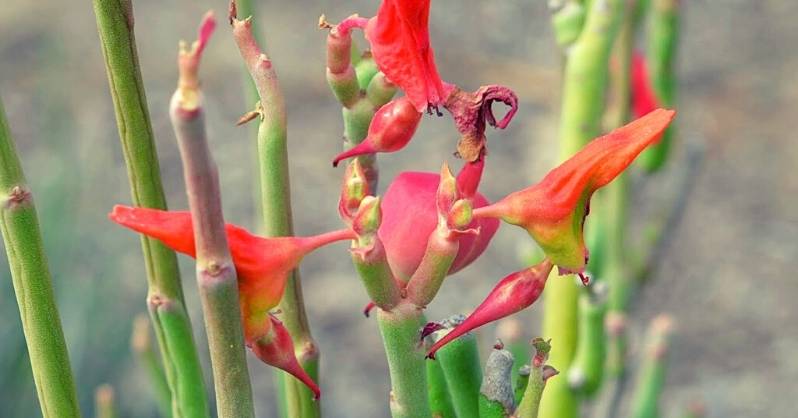
    Also known as the slipper plant or the Tropic-Trillo, the Pedilanthus Bracteatus is a succulent plant that can brighten up any hot summer environment without much effort. 

    Yet, it’s rarely found because not many gardeners bother to know about it. Although it’s a relatively easy plant to grow, you may find its cultivation difficult if you don’t know the right methods. 

    Here, we’ll discuss how to grow Pedilanthus Bracteatus in detail.

    Overview of the Plant

    overview of Pedilanthus Bracteatu

    Native to the Caribbean Basin and Mexico, the Pedilanthus Bracteatus is a succulent plant that can grow to be four feet in width and eight feet in height. The plant branches from the very beginning, so each branch of it looks like a separate plant. 

    The branches are rather thin, and they branch further off after a certain height. It’s got green stems, and they also bloom with red flowers in the summer and spring. 

    It may also have leaves that grow to be up to four inches in length. However, the leaves start to shed as the climate gets cooler. Also, when the leaves are shed, the plant looks a lot similar to a thornless Ocotillo. 

    Overall, it’s a great choice for those who want to add some verticality to their garden. 

    Care Guide

    how to care pedilanthus bracteatus

    The Pedilanthus Bracteatus is a perennial plant, and it doesn’t care much about the soil it’s planted in. This gives the gardener the flexibility to plant this in soil with any pH level. Also, the soil bed must have a good drainage system capable of preventing water clogging. 

    These plants require full sun to bloom the beautiful red flowers in summer and spring. The more sunlight you expose it to, the more flowers it’ll produce. 

    It’s a succulent plant, which means it’s rather fleshy inside and can store a lot of water. So, it shouldn’t be planted in wet soil as the plant won’t intake much water. This will lead to muddy water as well as root rot and fungal infection. 

    This plant can thrive even in the desert, and by that, you know it doesn’t require much watering. It’ll be enough to water this 3-4 times a month. In fact, even if you don’t water it, it’s likely to grow just as well because it’s drought tolerant. 

    You won’t have to fertilize it. As a desert-dweller, this plant can thrive in soil with low nutrients. 

    One of the best things about the Pedilanthus Bracteatus is its temperature tolerance. You already know that it’s a desert-dweller, so it can tolerate hot and humid climates. 

    However, it’s also very good at tolerating cold. It can survive in a climate that gets as close as minus 20 degrees. Also, it’s drought-tolerant, so humidity doesn’t affect its growth at all. 

    Pests And Diseases

    These plants are very hardy, so they rarely have any pests and diseases. However strong they may be, overwatering can lead to root rot as well as fungal outbreaks. So, refrain from watering it often. 

    Also, some of the more common bugs, such as spider mites, white flies, or mealy bugs, may attack these plants if uncared for. You can prevent these easily by using regular garden pesticides. 

    What are the Uses of this Plant?

    Pedilanthus Bracteatus aren’t particularly useful. Even then, there are two ways these plants can help you. These are discussed as follows. 

    Vertical Accentuation

    If you want to add some high vegetation to your garden, then these plants may be a good choice for you. These plants can grow up to eight feet in height, and they are quite wide as well. So, you’ll be able to cover a lot of ground with only a handful of these. 

    Water-Friendly Landscaping

    Moreover, Pedilanthus Bracteatus doesn’t require much water for cultivation or growth. Watering these only thrice or four times a month will be more than enough to help these mature. 

    This is why these are considered one of the best choices for water-friendly landscaping. This means that by cultivating these, you’re actually participating in making the world a greener place. 

    Is it Toxic?

    These plants are rather fleshy inside. They store water, and through different chemical reactions, they produce milky white saps. Upon contact, these saps can cause skin irritation and may upset your stomach upon consumption. 

    Not only human beings but also animals may be affected by these saps. So, we don’t recommend planting these if you have a pet dog or cat. 

    Is it Drought Tolerant?

    Yes, it’s a drought-tolerant plant. The Pedilanthus Bracteatus plant originates from regions with high temperatures and humidity, and they can also survive very well in the desert. So, planting these may be a good idea if you’re short of water, as they can survive very well without any, thanks to their succulent nature. 

    How Big does it Get?

    A mature Pedilanthus Bracteatus can grow up to eight feet in height, which is rather big considering the stems aren’t that thick. Also, each plant branches off and spreads up to four feet in width. 

    Conclusion

    The Pedilanthus Bracteatus is a perennial plant that can grow and mature without much maintenance. They can be planted almost anywhere in the world, will let you add some vertical accents to your garden, and are considered eco-friendly. 

    So, unless you have kids or pets in your home who may be vulnerable to the toxicity of these plants, you may benefit from planting these. 

  • Underwater Flowers in Ocean & Freshwater 

    Underwater Flowers in Ocean & Freshwater 

    For the most part, flower plants are seen growing on the ground. However, many flower species also grow underwater in oceans. Because these flowers are not as common as a lot of the popular flowers, such as sunflowers and roses, which are grown in fields, a lot of you may know little about underwater flowers. 

    To teach you a little more about them, we have listed 8 underwater flowers found in ocean and freshwater. Moreover, we have added a brief description of each of these flowers so you can take away more knowledge from this article.

    Flowers That Bloom in Ocean

    Kelp 

    Kelp plant

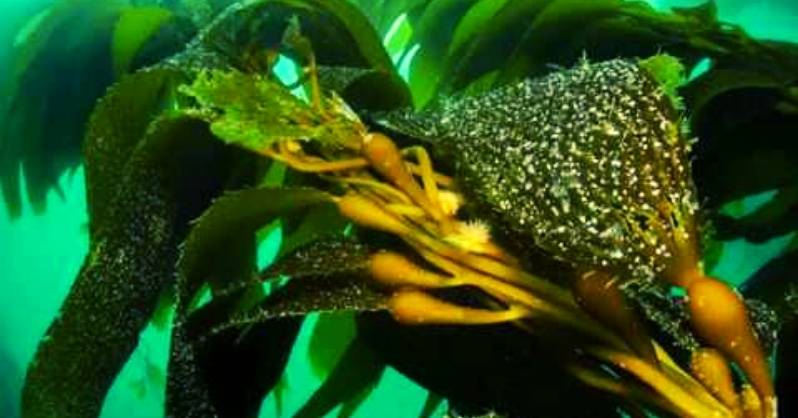
    Anyone who has gone sea diving before may have seen kelp before because it is an extremely common underwater plant. Kelps are a type of algae seaweed, and they are brown. They are widely known for being very long, and a lot of the time, they are responsible for making underwater forests. 

    It turns out that kelp is very nutritious, contains high iodine content, and has several health benefits. Hence, humans also incorporate kelp into their diets by cooking it or even eating it raw. Moreover, kelp often acts as an important part of fishes’ and other herbivores’ diets. 

    Anemone

    Anemone plant

    Anemones can be grown on the ground as well, but here we are talking about sea anemones. Sea anemones look like flowers usually, but they are predatory animals. They are thought to be cousins of jellyfish and coral. 

    The reason behind this is that it is a polyp that stings fishes with its poisonous tentacles. When sea anemones are resting, they look just like flowers because their venomous tentacles surround their mouth like petals. The tentacles are very sensitive, so any slight movement around them will cause the other creature to be paralyzed with its poison. 

    Milfoil 

    Milfoil Plant

    Milfoil is not a plant with a good reputation because it is an invasive species ruining the water quality. This species comes from Asia, Northern Africa, and Europe. Generally, they grow in shallow water, but the roots can sometimes grow up to 10m deep. 

    The stem of this plant is circled by feathery green leaves in multiple segments. The blooms of Milfoil are small, and they are usually red or white. These flowers come afloat around when summer ends. 

    Flowers That Bloom in Freshwater

    Eelgrass

    Eelgrass plant

    The formal name of eelgrass is Vallisneria Americana, and it is considered to be a freshwater plant. They are also often known as subaquatic vegetation (SAV). These plants grow in relatively shallow water of about 3-9 feet in depth, and they grow to about 3 feet in length. 

    Eelgrass helps with water clarity because it holds down the mud and silt underwater. A lot of marine herbivores also feed on eelgrass. They form beds that can act as a safe spot for newborn marine animals to take shelter in. This plant is crucial to a healthy aquatic system. 

    Duckweed

    Duckweed

    If you have seen a garden with floating plants, then you may have seen duckweed there because this tiny floating plant is very popular for gardening these days. They are very small, and they float on freshwater with their simple body structure, which looks like tiny oval-shaped leaves.

    This plant is seen in a large portion of lakes, ponds, and any freshwater bodies in the world. There are many species of duckweed, and they are in the Lemna genus. Duckweeds grow together on a freshwater surface, and they form a beautiful green mat. They only have minuscule unisexual flowers that either have one pistil or stamen. 

    Lotus

    Lotus plant

    Lotus is a very well-known aquatic plant, so you may have seen it in real life or must have at least seen pictures of it before. Also known by its formal name Nelumbo nucifera, this flower is highly valued in cultures and religions across the world. 

    This flowering plant grows and floats on the surface of freshwater bodies. They are seen to be blooming a lot in slow-moving rivers quite often. Flowers blooming from this plant are white or pink and make for a very appealing water feature. The flowers float on their rounded leaves, close up at night and bloom again in the morning. 

    Hornwort

    Hornwort

    Often seen in aquariums, hornwort is a bright green aquatic plant that can be both submerged and free-floating. The formal name of this plant is Ceratophyllum demersum. And it also goes by the names coon’s tail, coontail, and rigid hornwort. This plant can grow anywhere from 1 to 3 feet in length and has several side shoots which give it its bushy appearance. 

    The flowers of this flower are very tiny, 2mm in length to exact, and have over 8 petals that are a greenish shade of brown. Since they form in the leaf axils, they are covered by the bushy and brittle leaves and can’t be seen. 

    Water Lily

    Water Lily plant

    Water lilies are undoubtedly one of the most beautiful floating flowers that you will ever see. They look a lot like lotus but have some distinct features. They have rounded waxy leaves, and the stems go into the mud underwater. This plant also grows at a ridiculously fast rate, and the leaves can grow to be as much as 3 meters in width. 

    The flowers usually have pink or white petals spirally arranged the yellow central stamens. Like the lotus, some water lilies also close during the night and open in the morning. 

    Resources:

    https://www.floweraura.com/blog/about-these-beautiful-underwater-flowers

    https://www.nationalgeographic.com/animals/invertebrates/facts/sea-anemones

    https://en.wikipedia.org/wiki/Sea_anemone

    https://en.wikipedia.org/wiki/Kelp

    https://www.encyclopedia.com/plants-and-animals/plants/plants/duckweed

    https://www.allthingsnature.org/what-is-a-lotus.htm

    https://en.wikipedia.org/wiki/Ceratophyllum_demersum#Invasive_status

    http://www.invadingspecies.com/invaders/aquatic-plants/eurasian-water-milfoil/

    https://www.britannica.com/plant/water-lily#ref347239

  • What Flowers Can You Find in the Ocean?

    What Flowers Can You Find in the Ocean?

    The oceans are teeming with unexplored terrain, and breath-taking natural treasures that appear as a part of Heaven found on Earth. The aquatic plants and creatures make them more vibrant and wonderfully surreal to look at. 

    However, are there flowers in the ocean? Yes, you will find some beautiful collections of flowers under the depths of the oceans, forming a kaleidoscopic view like a garden full of flowers. 

    Can You Find Flowers In The Ocean?

    Can You Find Flowers In The Ocean

    Yes, there are underwater sea flowers gracefully growing in the ocean depth. The ones considered the beautiful flowers of oceans are either algae or corals, which are considered animals looking like plants. 

    Although they have a completely different mechanism than the plants inland to survive. 

    Not only are these underwater flowers beautiful, but some of them are also useful in preserving the ecosystem’s equilibrium and are even utilized as medicines.

    Some Common Flowers That You’ll Find in Ocean

    The ocean beds have a huge mine of treasures still untapped and yet to be discovered. From the ones discovered so far, here are some fascinating living organisms or flowers living in the depths of the oceans.

    Kelp

    Kelp ocean flower

    Kelps are the most common living beings living in the depth of the oceans. It forms a dense forest-like ambiance in the ocean as if there is an underwater forest lying in the beds of the ocean. 

    It is mostly seen in the Pacific Ocean. Neither a plant nor an animal, Kelps are the ornaments of an ocean that enhance the scenic beauty.

    Red Algae

    Red Algae Flower

    For more than 500 million years, red algae have lived in the warm, tropical oceans of the world. 

    The Phycoerythrin inside it reflects the radiant red light and absorbs the blue light, which makes it look so elegant. It is also widely taken as food by many Asian countries, and it is very high in protein.

    Purple Coral

    Purple Coral

    The bright and vibrant lilac texture of the purple corals is the most attractive and striking feature, which leaves us awestruck. 

    The purple corals are animals which look like plants and do not have advanced features like most animals do. The color might be a striking feature, but it is also famous for providing shelter to other corals as a reef-building species.

    Coral Reefs

    Coral Reefs

    Coral Reefs are really gorgeous to look at. It adds colour to the ocean bed and is admired for its vegetation process. 

    They have different photosynthetic pigments and non-fluorescent and fluorescent proteins, which gives them such radiant and bright colors.

    Final Words

    Apart from these few plants, there are thousands of plants living underwater, yet to be discovered. Although these organisms are getting highly threatened due to the alarmingly increasing global warming.

    Related Posts:
    Underwater Flowers in Ocean & Freshwater 

  • 5 Most Rare And Exotic African Flowers

    5 Most Rare And Exotic African Flowers

    Africa is filled with unique and mystical flowers that you won’t find anywhere else. There are flowers of different colors, shapes, sizes, etc. Form their appearance; you can immediately tell that they are not any regular flowers you’ll find in the market.

    It is a shame that these rare flowers often go underappreciated by most people. So that more of you are educated and aware of these rare African flowers, we have come up with a list of 6 of these beautiful flowers!

    African Flowers That Are Rare to Find

    We do not just want to provide a bullet point list of the names of these flowers, which is why we have also attached a brief but informative description of each of these flowers.

    African Violets

    African Violets

    Scientific Name: Saintpaulia

    Scientific Classifications:

    Kingdom:  Plantae

    Clade:        Eudicots

    Clade:        Asterids

    Order:        Lamiales

    Family:       Gesneriaceae

    Genus:        Streptocarpus

    Section:      S. Saintpaulia

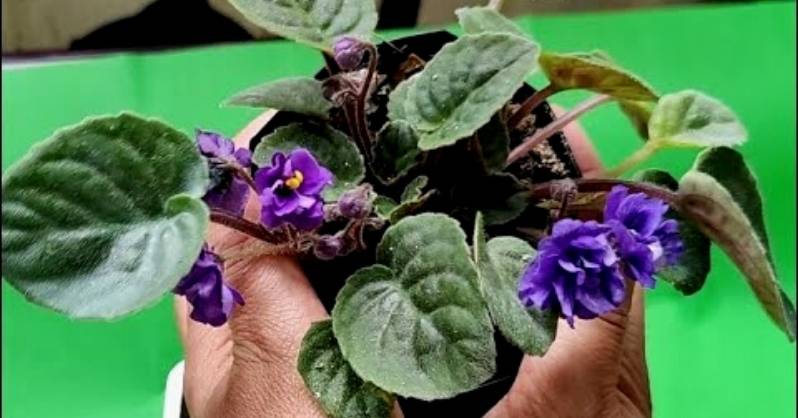
    Amongst all the flowers on our list, this is the most appreciated one as they are kept as houseplants sometimes. However, we still think it deserves more recognition. This flowering plant is a perennial and grows well in both the wild and in houses. The petals of these flowers can vary between any shade of violet.

    What’s more interesting is that it can even become white in the wild. The leaves of this flower are slightly hairy and fleshy. They grow well in tropical weather and are native to Kenya as well as Tanzania. It grows the best in places with indirect sunlight and moist but well-drained soil.

    Ethiopian Roses

    Ethiopian Roses plant

    Scientific Name: Rosa abyssinica

    Scientific Classifications:

    Kingdom:  Plantae

    Clade:        Tracheophytes

    Clade:        Rosids

    Order:        Rosales

    Family:       Rosaceae

    Genus:        Rosa

    Species:      R. abyssinica

    If you want to get one of the most luxurious-looking roses, then your eyes should be set on Ethiopian roses. They look very elegant and have velvety petals. You can get the classic red color with this rose, but there are plenty of other colors that this flower grows as.

    This flower is grown in Northwestern Africa, but now it is being grown more in some regions in Asia as well. What sets this rose apart is its size. They are huge! To put it into numbers, the bud can grow as large as 15 cm in diameter. Hence, when it blooms, it looks stunning. We must also add that the Ethiopian rose’s scent also has much more depth than that of regular roses.

    Blue Water Lily

    Blue Water Lily

    Scientific Name: Nymphaea nouchali var. caerulea

    Scientific Classifications:

    Kingdom:  Plantae

    Clade:        Tracheophytes

    Order:        Nymphaeales

    Family:       Nymphaeaceae

    Genus:        Nymphaea

    Species:      N. nouchali

    Variety:      N. n. var. caerulea

    Blue water lily, also known as Egyptian lotus, Nymphae carulea, or blue Egyptian lotus, among many other names, is an aquatic flower plant that grows in freshwater bodies. This flower is found abundantly in the Eastern regions of Africa. It has a tuberous rhizome which allows the plant to survive through some tough conditions.

    These flowers have a diameter of about 8 to 12 cm and come in many colors, including white, blue, pink, or even mauve. The most common color that this flower grows in is a light blue or mauve. The yellow center in the middle of the 14 to 20 colorful petals makes the flower look even more beautiful.

    Fire Lily

    Fire Lily plant

    Scientific Name: Gloriosa superba

    Scientific Classifications:

    Kingdom:  Plantae

    Clade:        Tracheophytes

    Clade:        Angiosperms

    Clade:        Monocots

    Order:        Liliales

    Family:       Colchicaceae

    Genus:        Gloriosa

    By looking at the Fire lily, we can see why it was given this name. With petals that have a gradient from orange to red, this flower looks a lot like a fire. It grows on straight stems with a height of about 20 cm. The actual reason behind this flower’s name is because it grows after the wildfires in the summer ends.

    This plant is native to South Africa; sometimes, it can grow in clusters. The flowers have a funnel shape, and they have large deep green leaves right below them, which can cause a dense. Several hybrids of this flower have been created, and they have varying traits.

    Bird of Paradise Flower

    Bird of Paradise Flower

    Scientific Name: Strelitzia reginae

    Scientific Classifications:

    Kingdom:  Plantae

    Clade:        Monocots

    Clade:        Commelinids

    Order:        Zingiberales

    Family:       Strelitziaceae

    Genus:        Strelitzia

    Species: Strelitzia reginae

    Seeing the bird of paradise flower puts into perspective how magnificent mother nature is. Named because of its uncanny resemblance with the forest bird species called birds of paradise, this flower is native to South Africa. It is also known as Strelitzia reginae and comes from the Strelitziaceae family.

    The flower has two pointy petals and five stamens, and it is colored orange and blue. Two-edged petals form a boat-like flower bract that looks like a bird’s body, and the stamens look like its wings. The leaves of this plant feel a lot like leather and are oblong.

    It also has underground stems, better known as rhizomes, which can grow up to 5 feet in height. Overall, this flower species has many rare features, and it is difficult to get hold of one of these stunning flowers.

    Related Posts:

    What Flowers Can You Find in the Ocean?

    Underwater Flowers in Ocean & Freshwater 

    Leucophyllum Compacta: Overview, Uses & Care

    Resources:

    http://www.flowers.org.uk/plants/plants-by-name/a-c/african-violet/

    https://www.selinawamucii.com/produce/flowers/ethiopia-fresh-cut-roses/

    https://www.kew.org/plants/fire-lily

    https://www.southernliving.com/plants/fire-lily

    https://www.britannica.com/plant/bird-of-paradise-flower

  • Are Artichoke Plants Perennials?

    Are Artichoke Plants Perennials?

    Artichokes are part of the thistle family and are known mostly as a very healthy vegetables. If you haven’t studied much botany, then it’s very normal for you to not know what kind of plants artichokes are. 

    As these plants can seem to be very hardy, you might wonder are artichoke plants perennial? Today, we are going to be answering that question and along with that, we will also be providing a reasonable explanation for you. We also have to let you know about this plant’s uses, so let’s quickly get into the real discussion!

    Why Are Artichoke Plants Perennial?

    Why Are Artichoke Plants Perennial

    For a plant to be considered a perennial it needs to have an average lifetime of more than 2 years. Turns out that when grown in the right climate artichoke plants can live as much as 6 years. During early spring, these plants grow rapidly to a decent size. 

    Plants that do not have woody growth also often fall in the perennial category, and since artichokes don’t have woody stems, they can be called perennials just like pepper and mint are perennials. These plants aren’t tall at all, they usually grow only up to 3 feet in height, and have a diameter of about 7 inches. 

    What are the Uses of Artichoke?

    It has been proven that artichokes are beneficial plants in many ways that you may not have known before. Below, we have discussed some common uses of artichokes. 

    Can be Eaten as a Regular Dish 

    Artichokes have been eaten as vegetables from the time of Romans till now. They actually can be a great side vegetable dish because they have a slightly nutty taste and can be used as an alternative for asparagus. Most importantly, there are many great nutrients that you get by eating this vegetable. 

    Used as Garden Ornaments

    Although this plant is usually harvested for its vegetable, it also blooms these beautiful purple flowers. These distinctive flowers can make your garden look more gorgeous, so you should consider planting artichokes. 

    Helps Treat Many Health Issues

    Some studies have shown that artichoke may help with liver issues, and can make a substantial improvement with cholesterol problems as well. 

    Artichoke extract is sometimes ingested by patients dealing with indigestion problems and nausea. It is supposed to help in reducing stomach aches, nausea, and vomiting. 

    https://m.youtube.com/watch?v=SX0oYcizxro&t=63s

  • Why Mint Plants Are Perennial? All the Reasons

    Why Mint Plants Are Perennial? All the Reasons

    Mint is one of the most popular herbs, and they are used in many different things from cooking to making home remedies. Have you ever wondered what kind of plants mint plants are? There are some characteristics of mint plants that indicate that they may be perennials. So, are mint plants perennial? Yes, they are!

    In this article, we are going to be elaborating on the answer to this question, and we will also be looking at all the different uses of mint. Without further ado, let us get into discussing why are mint plants perennials. 

    Why Are Mint Plants Perennial?

    Why Are Mint Plants Perennial

    So that we can go into explain why mint plants are perennials, you will have to know what perennial plants are. A plant that can live over 2 years can be classified as a perennial plant. The term perennial essentially means ‘through the years’ so it is a word to describe plants that aren’t short-lived. 

    Since mint plants live for about 5 to 10 years on average they can easily be classified as perennials. Mint plants will especially live a very long life if they are potted, and taken care of. Like other perennials like artichoke, mint is quite easy to grow and has the tendency to overgrow at times. 

    The plant becomes dormant during winter, but it still stays very much alive. There are many variations in mint plants, and all of them are perennials. 

    What Are the Uses of Mint?

    What Are the Uses of Mint

    As you know, mint is a very useful herb, and is used in households across the world for a variety of reasons. 

    Food and Drinks

    Mint adds a very refreshing taste when added to dishes. You can chop some of it and add it to a salad or even add it to your curry dishes for a unique flavor. Summer seems to be incomplete with cooling mint drinks. This herb makes cold mojitos taste even more refreshing on a hot summer day!

    Mouth Cleaning Products

    The cooling sensation from natural mouthwashes comes from the mint in them. They are great for freshening up your breath and making you smell clean. 

    Hair and Skincare

    A lot of shampoos that leave a cooling effect on your scalp have mint ingredients in them, and you may use them to condition your hair as well. Companies also add mint to some skincare products to make your face feel fresher after your care routine!

  • Purple Orchid Flower | Meaning, Origin, Uses & Propagation

    Purple Orchid Flower | Meaning, Origin, Uses & Propagation

    Orchids are diverse and the largest group among all the angiosperms. Other than the beautiful outlook and economic uses, each and every orchid comes with certain symbolizations and meanings. 

    Let us talk about the purple orchid flowers and get to know what it symbolizes and other interesting facts about them.

    What Is The Purple Orchid Flower? 

    What Is The Purple Orchid Flower

    The purple orchid flower is one of the least common species alongside the Naked Man, that belongs to the orchid family. 

    From ancient times, it also has been a sign of royalty as the royal families used to decorate using purple orchids. It is common as a species of orchid but rare in general, like all the orchids. That is why its prices are comparatively high.

    Purple orchids are mostly found in tropical forests or semi-deserted areas. They also grow in woodlands and meadows. 

    You can grow your own purple orchids by maintaining the same habitat it has in the wildlife. It might sound challenging, but you can earn how to grow it with some useful tips and tricks.

    The Meaning Of The Purple Orchid Flower 

    The Meaning Of The Purple Orchid Flower 

    The purple orchid flowers truly symbolize respect and admiration. Again, in ancient times, it traditionally symbolized royalty and luxury for the royal families. Some people also say that the purple orchid flower represents or symbolizes forgiving peacefully without any chaos, a sign of peace in society.

    From ancient times, the purple orchid flowers were used to signify honorable and dignified personals. 

    They were used to decorate any event or occasion which were prestigious. Like the coronation ceremony, or the marriage ceremonies of royal families. 

    That is why the purple orchid flowers were sent to make a person feel dignified and special.

    From these trends and habits, today, you can see purple orchids being a sign of something elegant and luxurious. 

    All luxurious hotels nowadays have these purple orchid flowers as decoration to their worth and send a message that you are being honoured by them to a there highest degree of appreciation. 

    Some weddings also have orchid flowers as decorations, especially purple ones. The colour of the purple orchids also looks elegant when decorated.

    How To Grow The Flower

    How To Grow Purple orchid flower

    Growing purple orchid flowers is not rocket science. Although it is a bit challenging as maintaining the temperature and everything else just like its usual habitat is not that easy. 

    You just need to know the right tips and tricks to grow the purple orchids.

    Start with the pot you are going to use to plant it. It does not grow well in low lands. So start by taking a pot which has adequate holes to drain the water out. Orchids are damaged if water remains accumulated in the roots of the plant.

    Now the next important thing is the soil you are using to plant it. You are suggested to use moss-based soil, which quickly dries out the water. You can also use bark-based soil, which dries out the water quicker than moss-based soil.

    Another important part is watering the plants. You don’t need to water the plant for a long time. 

    Water it with a moderate amount of water regularly. It would also depend on what type of soil you are using for the plant. For moss-based soil, less water is needed as it can retain some water.

    For bark-based soil, you need to water them a bit longer than usual as it dries out very fast.

    Last but not least, make sure to give it some sunlight but not too much. Too much heat would damage the flowers. So, make some arrangements where the plant can get partial sunlight.

    Maintenance Tips

    The purple orchid flower blooms and lasts for 6-8 weeks depending on how good you are taking care of it. That is why maintaining plant care is really important.

    • You can also clean the pots every 3-4 weeks with warm water for them to remain hydrated. Follow this only if your pot has a drainage system. For a pot with no drainage system, you can use iced water while watering the plant to keep it hydrated.
    • You should also maintain a temperature of 60-80 degrees, especially when it’s blooming season for your purple orchid.
    • Sometimes, it becomes difficult for you to maintain an adequate amount of sunlight for your orchid. So, you can use any semi-transparent cloth or curtain in front of it to protect it from the heat.

    Different Ways You Can Use The Purple Orchid Flower

    Different Ways You Can Use The Purple Orchid Flower

    Decorations

    As mentioned before, purple orchids were always used for decorating events and ceremonies since ancient times. You can see households decorating their spaces with orchids, using them for different events, and also cherishing loved ones by buying them a few of these flowers.

    Decorating any event using purple orchid flowers is still thought of as an elegant way to represent the event or festival, or occasion. The honor and dignity represented by the purple orchid flowers still remain in vogue.

    Healthcare

    Apart from its elegancy and beauty, the purple orchids also work as great medications. Ancient people used to consume the flowers as an aphrodisiac medication. It also cures skin irritations like red orchids. Mostly, it was famous as an aphrodisiac medication and healing various virility problems in men.

    Food

    Another usefulness of the purple orchid is that it can be made into a drink or beverage, The flowers are dried out to make flour or powder out of it. This was consumed as a drink, and the drink or beverage is called “Salep”.

    Can You Eat The Purple Orchid?

    Purple orchids can be eaten. It is mostly used as garnishes because of its radiant purple color. 

    Although it does not taste that good, it looks so good when used for garnishing. Some also eat it like we eat vegetables. 

    It tastes sort of like cabbage. Some consume it as a drink called “salep” again some drink it as a coffee substitute. The powder is also used to make the famous beverage, Turkish Delight.

    What Are The Benefits Of Eating Purple Orchids?

    There are a lot of benefits of eating purple orchids. It is believed to serve as a good medication for a lot of problems like indigestion, skin irritations, gastric, and even cancer.

    It is a good healer for gastric patients. The roots of the plant are also very nutritious and often consumed by people as an aphrodisiac.

    https://m.youtube.com/watch?v=THK3nCce3pw

    Conclusion

    The purple orchid flowers are mesmerizing to look at and even a good medication to use. Although growing and maintaining it in your own garden might not work out on the first try, you will get to master it if you keep trying. 

    As the saying goes, ‘No Pain, No Gain’, you also need to have a lot of patience before gaining the beautiful purple orchid flowers to grow and bloom in your garden.

    Related Posts:

    Naked Man Orchid | Origin, Uses & Propagation

    Blue Orchid: Everything About the Exotic Flower

    Bengal Rose: Learn Everything About the Mysterious Flower
    5 Most Rare And Exotic African Flowers

    What Flowers Can You Find in the Ocean?

  • Naked Man Orchid | Origin, Uses & Propagation

    Naked Man Orchid | Origin, Uses & Propagation

    Nature is full of interesting and beautiful things to look at, and one of its interesting and peculiar creations is the Naked Man Orchid. 

    The catch is in its name and how it earned such an interesting name. Let’s know some facts about the rarely found orchid species, the Orchis Italia, which is widely known as the Naked Man Orchid.

    What Is A Naked Man Orchid?

    What Is A Naked Man Orchid

    The Orchis Italica, widely known as the Naked Man Orchid, is a species of the Orchid Family, Orchidaceae Juss, found in the Mediterranean Regions. 

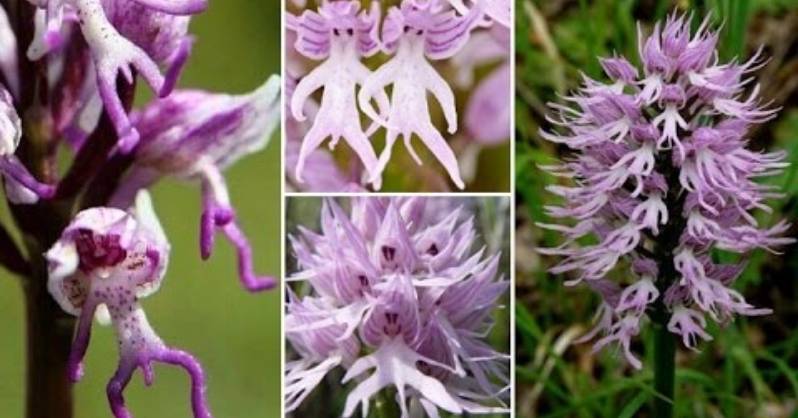
    The medium petal of this flower is modified and is called its lip or labellum. The shape of this petal looks like a naked man standing. That is why the orchid was named the Naked Man Orchid.

    It is listed as a “Species of Least Concern” with the IUNC, unlike many other species having similar characteristics to this one. Having a sufficient population saved it from listing with the endangered species, but it might change over a small period of time.

    Is it rare?

    Is it rare to find naked orchid flower

    Orchids are, in general, rare to find, especially species of orchids with such peculiar features. Although not endangered or extinct, Naked Man Orchids are hard to find as it grows only in the Mediterranean Region and too in dense colonies.

    The situation might change in the near future, and these could become endangered or extinct. Due to climate changes and many things, their habitats are getting destroyed, and they are becoming harder to find.

    What does the naked man orchid symbolize?

    The Naken Man Orchid resembles a naked man standing and symbolizes nothing particular. And no, this one can’t be a good option for making proposals. If you have love in mind, go for the beautiful red orchids or purple ones.

    Usually, these orchids have three petals and sepals. The petals have three sizes-small, medium, and large. The medium petals of these Naked Man Orchids elongated and turned into a modified petal which is denoted as the lip of the flower or the labellum. 

    This takes a particular shape of a man, and a little elongated part of the petal makes it look like the genitals of a man who’s wearing a hat. That is why the Orchid Italica is named the “Naked Man Orchid”.

    How To Grow and Care for the Plant?

    How To Grow and care naked orchid flower

    Taking care of orchids, in general, is not an easy task to do. It takes a lot of patience, proper knowledge, and skills to maintain and grow the orchids. The same goes for the Naked Man Orchids. Keeping some tips and tricks in mind would help you take care of a Naked Man Orchid.

    As a sensitive plant, Naked Man Orchids must be planted when the temperature is tolerable for this. Autumn serves as the best month to start planting these orchids at your home. It prefers a temperature of 75°F. Maintaining the temperature is very important for the growth of these plants.

    This species of orchid does not require watering regularly. You have to water it occasionally. Only regular watering is required during dry weather. As it prefers moist and drained soil to grow, the water must be minimal and not overflowing from the pots where you will plant them.

    The Naked Man Orchids require a moderate amount of sunlight to grow properly. The flowers would be able to bloom properly and in time if it remains in partial shades. Too much sunlight can harm these plants, and flowers won’t bloom. These plants are so sensitive that a slight deviation in their care might disrupt the plant from blooming flowers properly.

    What Are The Uses Of The Naked Man Orchid?

    The Naked Man Orchids have many beneficial uses. Besides its beautiful outlook gifted as a natural beauty for us to look at, these species of the Orchid provide us with different medication and nutritious benefits. 

    Use As A Medicine

    These orchids are widely known as reliable medication for virility problems in men. From the ancient period, people used to believe that a plant shaped like a human body could cure any disease, especially the ones related to virility problems. The Naked Man Orchid is also used or consumed as an aphrodisiac since ancient times. 

    It doesn’t end here; the plant has some more clinical advantages. It helps in the proper digestion of humans through its anti-flatulent properties. Again, it also is beneficial for your skin and can smoothen it through its properties.

    Use As A Food

    Apart from medical uses, the Naked Man Orchids are also nutritious. The roots of the plant are very nutritious and can be dried to eat. The dried plant is processed into some sort of flour, which is similar to arrowroot. These are called Salep.

    Where Can You Find Naked Man Orchids? 

    Usually, these species are found located near the Mediterranean region in dense colonies. It can also be found in Middle East countries, Spain, Turkey, etc., countries with kinda similar weather and temperature like the Mediterranean Basin.

    Other than these locations, you can order these flowers or plants and their seeds from online platforms like Etsy, Amazon, etc.

    How Does it Reproduce?

    A very interesting fact about the Naked Man Orchid is that these plants are hermaphrodites. That means the species has both male and female reproductive organs inside them. So, the reproduction process of these plants is carried out through pollination inside the same pant.

    Usually, the insects help in the pollination process of the species. The insects carry the pollen grains and place them in the reproductive organ of the plant to reproduce. Another interesting fact about this species is that it produces hybrid flowers which give a hat-like shape to the middle petal of the flower by enclosing the flower top and giving it a hood-like structure. This hood makes the petals look like a naked man wearing a hood.

    Can You Eat A Naked Man Orchid?

    Of course, the plant can be eaten by us. Apart from consuming it as medication, the plants are also used in beverages. The flowers of this plant are dried into flour, and this powder is used as coffee. A Turkish drink named Turkish Delight is also made of this powder.

    Problems You Will Face While Growing The Flower

    The Naked Man Orchids are very sensitive and delicate. That is why growing them in your garden can become a bit challenging for you. You may face many types of difficulties. 

    The weather may become an issue for the plant to grow. Its flowering season is usually from March-April, and it should be planted in Autumn to get the best results. If the weather is not favorable, it might cause problems for the flower to grow.

    Another problem is the temperature. This plant is so delicate that not having the correct temperature would cause a problem for the flower to bloom. Its ideal temperature to grow and bloom is 75°F.

    Another issue can be caused by the soil you are using to grow the plant. The soil must be moist and draining for the plant to grow. Too dry or too watery can cause the plant to slog and not grow properly.

    Conclusion 

    Naked Man Orchids are very interesting and sort of rare plants to find. Other than its interesting looks, it also serves as a great source of nutrition for the human body. 

    This species is on the verge of getting endangered. It will be a great loss if such a species having so much economical and nutritious value disappears from the surfaces of Earth. We should take steps to preserve these orchids.

    Related Posts:

    Leucophyllum Compacta: Overview, Uses & Care

    Purple Orchid Flower | Meaning, Origin, Uses & Propagation

    Red Orchid: All You Need to Know About the Fascinating Flower

    White Orchid: Learn Everything About the Elegant and Mysterious Flowers

    Bengal Rose: Learn Everything About the Mysterious Flower

    Resources:

  • Bengal Rose: Learn Everything About the Mysterious Flower

    Bengal Rose: Learn Everything About the Mysterious Flower

    Whenever there is a special occasion where you have to give someone something to make them feel special, flowers probably pop up in your head. Whenever you think of flowers, one of the first ones that come across in most people’s minds is a rose. 

    People don’t usually think much about the type of rose and just focus on the color, so they get the right message across. What if we told you there is a unique type of rose that is not seen that often? That rose is the Bengal rose, and it is truly a sight for sore eyes. Come and take a look at this beautiful flower with us!

    What is the Bengal Rose?

    What is the Bengal Rose

    The Bengal Rose is rather uncommon and is nowhere near the regular rose that you are used to seeing everywhere. This flower goes by multiple names, including China rose, Bengal Beauty, Bengal Crimson, Rose Chinensis, etc. 

    It turns out that this flower comes from the genus Rosa family. Regardless of the Bengal in its name, the Bengal Rose is native in Hubei, Sichuan, and Guizhou, which are all parts of Southwestern China. 

    A rise in popularity for this flower was observed around the late 18th century when they were being cultivated in Western Europe. However, cultivation has been taking place in East Asia for an even longer period. 

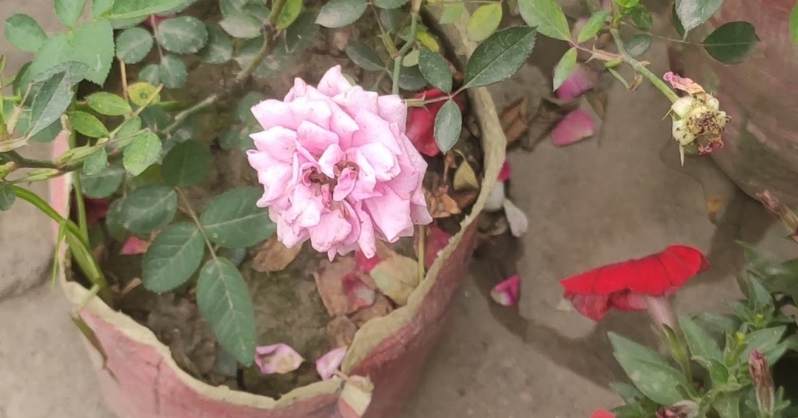
    The flower is a shrub plant that thrives in hedges with a height of about 1 to 2 meters. This rose is considered to be a wild flower, and that is why it is a bit rarer than regular roses. When it comes to the color of the petals, they can be anything from red to pink. A vibrant crimson is often seen in the Bengal rose. Sometimes they can also grow white petals. 

    Each flower has 5 petals, but in some cases, they might have 6. There are about 3 to 5 leaflets on each flower. The flower is not too big, just about 4-5 cm in diameter, but it can be bigger. It also forms kind of like a cup form. However, the cross-sectional shape can be shaped like anything amongst a circle, pear, or egg. 

    The length of the leaflets is about 3 to 6 cm, while the width sits anywhere between 1 to 3 cm. The leaves on this plant are divided pinnately, and their length can range from 12 cm up to 27 cm. The branches supporting everything have a unique bark with a purple to brown hue. Be careful when handling a Bengal Rose plant because the barks have some spikes that you don’t want to cut you. 

    Long stamens can be seen on the flowers, and there are a lot of them. There is also a decent amount of hair on this plant which is invisible even through the naked eye. 

    Lastly, Bengal roses produce red fruits anywhere between June to November, and they come in egg and pear-like shapes. 

    How to Grow Bengal Rose Flower

    Growing flower plants is something not everyone can do because they do need to take good care of the plant before the flowers begin to bloom. The same applies to Bengal Roses. However, these flowers do not require a large amount of maintenance since they grow on their own in the wild quite often. 

    Below, we are going to be discussing the amount of water, sunlight, and fertilizer this flowering plant will need to achieve full bloom. 

    The size of your pot should not be too large because that will be just unnecessary. A medium-sized pot, either made of plastic or clay, will do just fine. Like all other roses, the Bengal rose can also grow in bushes, so you can plant it outside in your garden as well. However, when you are planting it, you need to keep a few things in mind. 

    A very helpful tip would be to get your roses in small containers; it makes planting them much simpler. 

    These roses need a great amount of sunlight for about 6 to 8 hours of the day. If you are planting this flower inside, then your best bet would be to keep it on a West or East facing balcony. 

    However, the sunlight during the afternoon can be too harsh, which can scorch the petals of the rose.  So, you want it to be in an area with a lot of indirect sunlight. 

    Be ready to take a bucket of water to your Bengal Rose plant every two days. This plant needs quite a bit of water for its beautiful bloom. Don’t forget to water it or else the plant and flowers will start to wilt very quickly. 

    While this plant does need a lot of water, make sure you’re not overwatering it either because that can cause severe damage to it as well. Good soil drainage is also essential for the growth of Bengal Roses. 

    Maintenance Tips 

    How to care Bengal Rose Flower

    Maintaining the Bengal Rose is not particularly difficult, but it’s not the strongest plant either so it does require some care, as we have said before.

    Cut off bits of roots that have become rotten 

    While planting your Bengal Rose, you may see that some parts of the roots look discolored. The wise decision would be to carefully cut those parts so it doesn’t inhibit the growth of the flowers. 

    Slow-release fertilizer should be used from time to time

    Too much fertilizer can cause damage to the plant, but using slow-release fertilizer sparingly but routinely will give you the best yield of roses. The fertilizer should be used more during the growing season because then it will promote healthy growth. 

    Clean up your roses

    By ‘cleaning up’ here, we mean to remove any dead parts of the plant that looks unappealing. This can be anything from damaged wood, odd-looking stems, suckers, etc. 

    Different Ways you can Use the Bengal Rose.

    The Bengal Rose has great ornamental value with their beautiful colors, from a light pink to a deep crimson. There are several forms of this plant with slight variations, so it can be used for many different ornamental purposes. 

    Besides decorating, this flower can be used in some unique ways as well. The buds of Bengal roses and even the whole flowers can be boiled and used as a kitchen herb to cook dishes like soups. That is not the only edible part of the plant. The flesh around the seeds of this plant can be consumed after removing the seed hairs. 

    This flesh from the seeds provides beneficial nutrients like Vitamin E, and they are usually consumed by grounding them with flour. 

    https://youtu.be/BUjybQUGV-w

    Final Words

    Flowers are very fascinating things when you start taking a deeper look into them. The Bengal Rose is no exception. It is quite a unique rose, so you may not have seen it in real life before. However, you can try to find this Bengal beauty and add it to your garden, so your garden looks more unique!

    Related Posts:

    Purple Orchid Flower | Meaning, Origin, Uses & Propagation

    What Is Nardos Flower? Origin, Uses, Care & Facts

    5 Most Rare And Exotic African Flowers

    Leucophyllum Compacta: Overview, Uses & Care

    Resources:

    https://www.gardendesign.com/roses/care.html

    https://myplantin.com/plant/830

    https://en.wikipedia.org/wiki/Rosa_chinensis

    https://www.dummies.com/article/home-auto-hobbies/garden-green-living/gardening/general-gardening/how-to-take-care-of-roses-142980/