Category: Different Types of Plants

  • Red Orchid: All You Need to Know About the Fascinating Flower      

    Red Orchid: All You Need to Know About the Fascinating Flower      

    Orchid flowers are quite beautiful, and they have many species such as blue orchids, white orchids, and red orchids. Some of these species are used as house plants. Out of the species, red orchid flowers often stand out and are a popular pick. They often have cultural significance.

    In this article, I’ll be talking about the red orchid flower- their meaning and significance, as well as how to grow them properly. I’ll also be discussing the benefits and uses of keeping orchid flowers.

    3 Orchids That Are Of Red Colour

    3 Orchids That Are Of Red Colour

    There are several species of orchids that are either red or burgundy. I’ll be talking about three particularly common species. However, outside of these three, there are many more red or burgundy orchid species available due to how huge the orchid family is.

    The three Orchids we’ll be talking about include:

    • Cymbidium
    • Phalaenopsis
    • Dendrobium

    Cymbidium

    Alternatively, they are known as boat orchids. Cymbidium is characterized by its large leaves on its pseudobulb. There are usually three leaves for most cymbidium variants, and they feature thin stems.

    Some hybrids of cymbidium possess a bright red shade or a burgundy shade. These hybrid variants include Cymbidium bicolor and Cymbidium aloifolium. Bicolor can be found in many Asian countries such as China, Vietnam, and the Philippines. Aloifolium can be found in Hong Kong and Thailand.

    Cymbidium has a long history in horticulture, dating back to ancient China. This was because of how easy it was to raise Cymbidium, and they remain popular to this day. They are not demanding and aren’t as susceptible to pests and diseases compared to other variants.

    Phalaenopsis
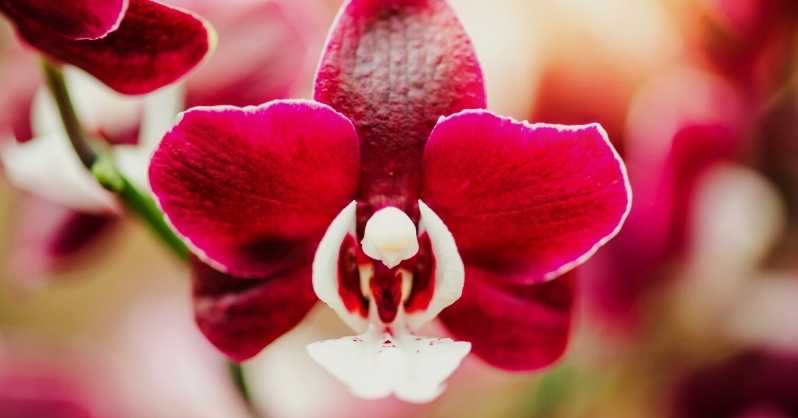
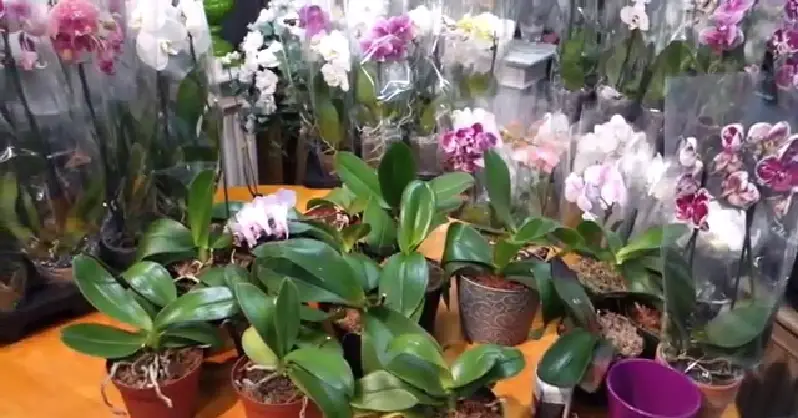
    Found in mostly China and India, the Phalaenopsis or moth orchids have red to pinkish variants. Their leaves are quite large compared to their shorter stems and often have a leather feel when touching them.

    Similar to the previous species, they are popular indoor plants. However, they are slightly more difficult to raise than Cymbidium.

    Some variants of this flower are endangered, and protective measures are being taken in some places to ensure that they do not go extinct. Their pollination and propagation depend heavily on bees.

    Dendrobium

    Dendrobium is a large populating species that can be found in many areas such as China, Japan, India, and Australia. They are used as both house and decorative plants, with some variants seeing use in medicine due to their healing properties.

    While they generally have a pinkish hue, red-colored versions of Dendrobium do exist. They are characterized by their tuft of leaves and cylindrical roots. They are quite adaptive and, as a result, grow in both cold and dry environments ranging from mountaintops to even some deserts.

    Dendrobium orchids have been featured in many symbols across the world, primarily in Australia and Singapore.

    Red Orchid Flower Meaning

    Red Orchid Flower Meaning

    Over time, certain flowers have had meanings attached to them. In general, orchids signify love and beauty. This is due to their exotic appearance and how they appear in various hues. Orchids stand out a lot in many gardens due to their unique look.

    In addition to that, red orchids have a deeper meaning. Red orchids are considered symbols of determination and perseverance. The red signifies courage in the face of adversity. Alternatively, they can also be considered symbols of love, but white orchids tend to be better known as that.

    Red orchids get gifted to people during trying times and are often seen as a very personal gift. This is to encourage them not to give up and continue on their path.

    Significance Of The Red Orchid Flower In Chinese Culture

    Orchids are held in high regard in Chinese culture and are often associated with the Chinese thinker Confucius, especially the cymbidium variant. Confucius refers to the ability of the orchid flower to grow in a multitude of different regions and areas. Orchid flowers are usually seen as a symbol of beauty, elegance, and admiration in China.

    They are less seen as a symbol of love and are often given strictly to friends or colleagues. This shows a great deal of respect or admiration towards the recipient. Red orchid flowers, particularly the cymbidium, are also seen as symbols of great friendship, whereas Confucius refers to being surrounded by the good company to be akin to an orchid patch.

    Red Orchid Flower Care

    One of the main reasons why orchids see used as house plants is simply because of how easy it is to take care of them. You only need to keep in mind a few things to ensure proper growth.

    Orchids require a decent amount of water. Watering them weekly will prove sufficient unless it is extremely hot and dry where you live.

    You will usually want orchids to face towards windows since they prefer sunlight. However, if your area experiences harsh sunlight, leaves can get burnt. As a result, you will want to provide some shade to reduce the amount of incoming sunlight towards the plant.

    You will want well-drained soil. While orchids do prefer ample water, too much water can hamper growth instead. Ensuring the soil is well-drained will prevent water from clogging up and won’t result in any plant decay.

    Temperatures of 15 degrees Celsius are adequate for orchid flowers. To ensure they bloom properly, temperature control is important, and you will want cooler temperatures during the night. They also appreciate humidity, so for indoors, consider using a humidifier to achieve sufficient humidity levels inside the house.

    Benefits Of Orchid For Skin

    The orchid extract can be used as a skincare product. Alongside being able to reduce lines and wrinkles, it has anti-oxidant properties, so it can reduce the chances of skin cancer. Additionally, they can moisturize the skin. Overall, the orchid extract is incredibly beneficial for the skin, and there are many more benefits that are being looked into as of now.

    Conclusion

    Red orchid flowers are quite interesting, and I hope this article has taught you more about them. They are very easy to raise, so consider adding them to your home to spruce it up.

    Related Posts:

    Bengal Rose: Learn Everything About the Mysterious Flower

    Naked Man Orchid | Origin, Uses & Propagation

    Purple Orchid Flower | Meaning, Origin, Uses & Propagation

    5 Most Rare And Exotic African Flowers

    What Is Azucena Flower? Origin, Uses, Care & Facts

    Article Sources:

  • Blue Orchid: Everything About the Exotic Flower

    Blue Orchid: Everything About the Exotic Flower

    If you do some research about orchids, you will get to know that there are 25,000 different types of them! These flowers vary in many ways in their appearance, and you may also know that there are many different colors of orchids that are available.

    While white, pink, and red orchids are the most commonly seen ones, blue orchid flowers are more of a rarity. When you think of blue orchids, you might be met with a great number of questions such as, are they natural? How many types are there? Etc. Today must be a good day for you because we will be answering all the questions you could have about blue orchids.

    What is the Blue Orchid Flower?

    Orchids are very popular flowers, and they are used on various occasions. Their color plays a large role in determining where they are used and what they are used for. Unlike white orchid flowers, Blue is a very rare color in nature, and it is seen even less in flowers. Hence, blue orchids are considered to be very valuable flowers.

    Although orchids have been around for hundreds of millions of years, and they were discovered about 4000 years ago, you could say that blue orchids are more of a recent discovery.

    William Griffith, who was a botanist, was the first person to discover beautiful blue orchids in 1837. These wonderful flowers were found in Northeastern India, more specifically in the Khasia Hills of Assam. However, the botanist tried to transport the blue orchids to England, but they died at that time.

    What Does It Symbolize?

    What Does the Blue Orchid Symbolize

    Orchids can mean symbolize different things depending on their color. When you are gifting someone orchids, you want to choose the right color, so you can pass an accurate and wonderful message to the recipient.

    While Orchids are popular, they are not the most common type of flower. Moreover, as blue is so rare in nature, blue orchids are considered to be even more of a rarity. That is why blue orchids symbolize uniqueness, as well as rarity.

    If the giver is well-aware of the meaning behind this flower, then they are trying to tell the recipient that they are one of a kind. Additionally, blue orchids can also symbolize hope, eternal peace, and luxury. Blue orchids are not very common gifts because they are very hard to find sometimes, and can also be costly.

    Keeping blue orchids around your space could you help you attain a bit of peace if you are stressed because that is what they represent, and their appearance is truly a wonderful sight.

    Is it Possible to Grow It Naturally?

    Because of its unique color, people often assume that blue orchids are made only artificially. But is that true? The answer is both a yes and a no. So, blue orchids do grow naturally, yes, but most of the blue orchids that you see in shops are usually artificially dyed.

    The reason why natural blue orchids are not that available is that they are seen quite rarely in the wild. Hence, their cost is also high, which encourages florists to make them artificially. So, yes, most of the blue orchids you see in the stores are real orchids, but they are just dyed blue.

    Natural Blue Orchids You Can Grow

    After saying all that, we must come back to the point that there are still a few orchids that have the natural blue gene, and they are Boella Coelestis, Thelymitra Crinite, and Blue Vanda. We will be talking about each of these natural blue orchids, in brief, so you can see which one you like the most. So, then maybe you can choose to grow one!

    Boella Coelestis

    Boella Coelestis or natural blue orchid

    You could say that the Boella Coelestis is close to what would be called a natural blue orchid, but the petals are more of a shade of violet. You can also see that the petals on this flower have white tips, and the inner portion of it is often lavender. A vibrant yellow crest can also be seen on the lip of the flower.

    The size of this flower is about 3 and a half inches, so it’s neither small nor large, and the petals are arranged in a fan shape. The Boella Coelestis is held by light green foot-long leaves, which make the color of the flower pop even more. This type of orchid is native to Colombia and Ecuador and can be grown in both warm and cool climates.

    Thelymitra Crinite

    Thelymitra Crinite

    The Thelymitra Crinite is a very rare flower, and you can think of it as the true blue orchid. This flower goes by many names, including queen orchid, lily orchid, and blue lady orchid.

    This flower is a perennial herb and has one dark green leaf with it, which can be anywhere from 2 to 6 inches in length. The flower is about small to medium-sized, with the petals being about 0.6 to 0.9 inches in length and 0.2 to 0.4 inches in width.

    What stands out the most is the eye-striking blue color of the petals; it is truly a rarity in nature. The shade of blue can vary between a paler and a more vibrant color. Thelymitra Crinites have a blue column which also has a yellow crest. That is not the only yellow thing they have; the anther of this flower is covered completely with tiny yellow glands.

    Blue Vanda

    Blue Vanda blue orchid

    Amongst natural blue orchids, the Blue Vanda is seen more often. This is the blue orchid species that William Griffith had found all the way back in 1837 in Assam. You may know this flower by the name autumn lady’s tresses or vanda coerulea.

    Although this flower is the most common natural blue orchid, its petals are not exactly a true blue color. The color can be described as a bluish lilac color. They bloom in a fan shape with their 5 petals. This flower is still native to the Northeastern part of India, but it is also grown in abundance in Southern Yunnan, China.

    How to Make Your Orchids Blue Artificially

    As we have said in our previous sections, most of the blue orchids that you see in the market are artificially dyed and are not natural blue orchids. Most of the time, florists get phalaenopsis orchids which are easy to find, and then they dye them blue.

    So, how are these orchids artificially turned blue? There are a few methods, and we will be talking about 2 of them in our article.

    Injecting the Dye

    First of all, you can inject blue water-soluble dye such as food coloring into the stem of the orchids. Then you will have to place the flowers in a container with water.

    As the plant causes the uptake of water, the blue dye will be transported to the petals, and after waiting for some time, your white orchid should now look like a rare blue orchid.

    Placing White Orchids in a Solution of Blue Food Dye

    In a vase, pour in some lukewarm water, and then add your required amount of blue food dye. The measurement is that for each cup of water that you add, you will need about 50 drops of blue food dye.

    Cut your white orchids’ stems in a slant direction, and then place them in the solution and wait. You will just need to wait around for some time, and then your white orchids will be artificially blue!

    What are the Uses of the Blue Orchid Flower?

    Since blue orchids are such beautiful flowers to look at, it is a must to use them for decorative purposes. You can try to include them in your garden to beautify your home, or you can put them in an elegant vase and place it in your living room to add a pop of color.

    Besides its aesthetics, natural blue orchids actually have a few other good uses. The Blue Vanda, which we have discussed above, has some medicinal uses. The liquid extracted from this flower can be used to make eye drops which have proved to be useful in helping with cataracts, glaucoma, and even blindness!

    Oil from some blue orchids can be beneficial for the skin. Blue orchid oil can be used to hydrate and bring back the radiance to dry skin.

    Maintenance Tips

    Maintenance Tips for Blue Orchid

    If you are planning to grow blue orchids in your home, then you don’t need to worry very much about maintenance because they are tough plants. However, this doesn’t mean that they don’t need proper care.

    Keep your blue orchid plant in a place with bright but indirect light from the sun, so a South or East facing window would be a good place to keep it close to. Water them once every week, and try to keep the air humid. Getting a humidifier can help you maintain the humidity at 60 to 70%, which is great for the flower’s growth.

    Add fertilizer to your potting mixture once every two weeks when the plant is showing new growth, but as the plant gets older, fertilize it every two months.

    For those of you who will be just keeping their orchids in a vase, there’s not much you can do. Just make sure they get some light and change the water every other day.

    Where Can I Buy It?

    The answer to this question depends greatly on one factor: do you want natural or artificially dyed blue orchids? If you are fine with the former option, then you will be pleased to hear that you will find them in almost any big flower shop.

    However, it will be very challenging to find natural blue orchids like Thelymitra Crinites. You will have to contact special vendors who grow these flowers. People residing in Australia or the Northeast of India will find it easier to get their hands on the natural ones.

    Natural blue orchids are extremely expensive in comparison to artificial ones, but they are also more beautiful.

    Interesting Facts You Should Know

    • Blue Orchids were first discovered in 1837 in Northeast India by the botanist called William Griffith.
    • A blue orchid plant may be able to survive up to a whole century.
    • They have very small seeds, which can make cultivation difficult.
    • Once a blue orchid plant has enough blooms, it will hang and grow upside down.
    • It may take up to 7 years for the first flowers to grow after orchid seeds have germinated.
    • There are only mainly 3 types of naturally blue orchids, regardless of there being over 25,000 documented species of orchids in the world!

    Common Issues To Be Aware Of

    There are no major issues with the blue orchid flower or growing them. However, we would like to discuss a few things that you may want to know if you want to get blue orchids.

    Struggle to find a Real Blue Orchid

    Unfortunately, it is very common for vendors to sell artificially dyed blue orchids at a very high price by saying they are natural. Upon close examination, you should be able to tell which one is fake because the coloring on the artificially dyed one will not be uniform.

    Tend to be Very Expensive

    Since natural blue orchids are very rare, they are also quite pricey. If you want to buy a bunch of real blue orchids, then you will definitely be making your wallet a tad bit lighter.

    Waiting for the Flowers to Grow

    If you decide to grow blue orchids, then be prepared to be very patient because once your blue orchid seeds have germinated, it can take about 5 – 7 years for the first flowers to even show.

    https://www.youtube.com/watch?v=yVEls5kVJ6U

    What Are Some Creative Uses for the Blue Orchid Flower?

    There are many ways how you can use blue orchid flowers besides leaving them in a vase.

    • Make floral ornaments with them. The unique blue color will definitely be an eye-catcher whether you use it in making earrings, a bracelet, or even a necklace.
    • Use it to make a floral curtain for special events, but that would be one expensive curtain.
    • Decorating a wedding stage with blue orchid floral arrangements.
    • Juice of the Blue Vanda can be used to make a very potent eye drop.

    Conclusion

    Blue orchid flowers are truly one-of-a-kind flowers, and if someone gives you a bouquet of them, you should know that they are also signifying that you are a unique person.

    Not many people have seen natural blue orchids because of how rare they are. So, if you have the opportunity and can afford to get them, do not miss out. If you are getting artificially dyed blue orchids, that is also great because all of them are just beautiful!

    Related Posts:

    White Orchid: Learn Everything About the Elegant and Mysterious Flowers

    Red Orchid: All You Need to Know About the Fascinating Flower  

    Naked Man Orchid | Origin, Uses & Propagation

    Purple Orchid Flower | Meaning, Origin, Uses & Propagation

    What Is Azucena Flower? Origin, Uses, Care & Facts

  • White Orchid: Learn Everything About the Elegant and Mysterious Flowers

    White Orchid: Learn Everything About the Elegant and Mysterious Flowers

    Flowers are arguably one of the most beautiful things in the world. They are so beautiful that they are usually involved in every large event in our lives, from funerals to weddings. Orchids are particularly very popular, and if you know a thing or two about them, you must have seen that they are sold in different colors.

    However, today our primary focus will be white orchid flowers. We will be talking about the meaning and value that this flower holds as well as ways on how you can grow this wonderful white flower! Keep reading to know more about white orchid flowers!

    What is White Orchid Flower?

    What is White Orchid Flower

    White orchids are not rare flowers unlike blue orchid flowers. They are made readily available by florists because of their high demand, so we are sure you have seen them before. Common white orchid flowers also go by the name phalaenopsis orchids. While there are many types of orchids in the world, this variation is by far the most popular, and rightfully so.

    Phalaenopsis orchids are often white, but they also come in different colors. Another common name for them would be moth orchids, and the abbreviation for this flower is Phal. They come from the Orchidaceae family, and their subfamily is called Epidendroideae.

    White orchids also have hundreds of tribes, but Phalaenopsis orchids, which is the most popular type, are from the Vandeae tribe. Most white orchids grow in a single direction and have one stem. So, most of them are monopodial. Some other common orchids are Cymbidium white and yellow overnight orchids and Dendrobium White orchids.

    As you can tell from the name, the Cymbidium white and yellow overnight orchid does have a slight yellow to it, but it is quite subtle, so looks quite pretty. If you are looking for the whitest orchid, then the Dendrobium white orchid would be a great option for you to consider.

    Orchids have been around for thousands of years, and humans have been using them for different purposes. Yes, you read that right, THOUSANDS! These flowers were first mentioned somewhere around 300 B.C. The Chinese were the first to cultivate orchids approximately 4,000 years ago.

    However, after doing some research, scientists have concluded that the origin of this flower dates back to 120 MILLION years ago!

    The Meaning

    The Meaning of White Orchid Flower

    You may be surprised to know that there is a lot of meaning behind the white orchid flower, and it represents many things. While orchids come in various colors, the pristine white color allows you to appreciate the beauty of the flower completely and not be overwhelmed by the color itself.

    This white color represents many things, and among them, purity stands out the most. The white colors, along with the flower’s lovely structure, look simple yet lovely and elegant. This beauty in the simplicity of the flower represents innocence and purity. White orchids are also often associated with beauty and humility.

    You may have come across the phrase ‘the wisdom of the white orchid’ once or twice in your life. This phrase emphasizes the thought that these flowers bring wisdom to our world by making our souls purer. A lot of people consider white orchid flowers to be one of the most beautiful flowers in the world because of their wonderful meaning.

    Are White Orchids Natural?

    Orchids come in a variety of colors, but the truth is sometimes they are not natural. The flower plants’ stems are placed in a concentrated dye solution, and the dye then travels up to the petals and changes their color.

    Hearing this might lead you to wonder whether white orchids are natural. White orchids are natural flowers, and as we have said, they have been around for millions and millions of years.

    Although there are many types of white orchids that you may find, the most common three, as we have mentioned before, are Phalaenopsis orchids, Cymbidium white and yellow overnight orchids, and Dendrobium White orchids. No one makes artificial white orchids because, considering how easy it is to naturally grow them, there is no logic behind it.

    How Can You Grow It?

    How Can You Grow White Orchid Flowers

    Regardless of looking very pristine and delicate, these flowers are quite sturdy, which is why they are not very difficult to grow. They bloom all year round and are found on every continent besides Antarctica, where the weather is freezing cold.

    Since Phalaenopsis orchids are the most popular type, we will give our advice to you in regards to that you will also be planting them. However, the following advice can be applied to other types of orchids as well.

    Step 1: Remove the Orchid plant from the pot you bought it in

    Most people buy their orchid plants from a store, and they usually come in a very small plastic pot. Therefore, you will most probably be re-potting it. When you are removing the plant from its original pot, be careful so you don’t damage it in any way. Try your best to get rid of the moss that may be on the plant.

    Once you have removed the plant, you should see sturdy-looking white roots. Take a good look at the roots, and if you see any rotten parts that have blackened, make sure to snip them off with a pair of scissors.

    Step 2: Re-pot the Plant

     We actually would suggest you keep your orchid plant in a plastic pot because if you decide to change its pots again, then removing it will be much easier. Place the plant in the partially soil-covered pot, and then fill it up with soil.

    The orchid plant should feel sturdy but not completely anchored. You don’t have to worry about that because as the roots grow, they will anchor the plant. After that, all you have to do is take good care of the plant so that orchids bloom.

    Step 3: Place the Orchid plant in a Well-lit Spot and Water it Routinely

    Orchids bloom well in brightly light spots, but extremely aggressive sunlight is not suitable. Hence, it would be recommended to place the orchid plant near an east-facing window.

    This plant can handle drought much better than you would expect, so underwatering would not be the biggest concern. Instead, overwatering it would cause its roots to rot quickly and would stop the plant’s growth.

    You should be watering your orchid plant once a week so that the soil is moist and the orchids thrive properly.

    How to Care for the Flower

    How to Care White Orchid Flowers

    Now that you know how to grow white orchids, it’s time for you to know how to take care of them, so they bloom year after year. We will be giving you some general tips in this section that can be applied to all types of white orchids.

    Keep it in a Brightly Lit Spot.

    We’ve said this before in the previous section, but a bright environment is essential for the growth of white orchids. Keep them near East facing windows, and you should be fine. Remember to keep them out of harsh lighting because that can damage the flowers.

    Water them Once every Week

    Orchid plants do not need to be watered a lot, and watering them too much can cause their roots to rot. So, sparingly watering them once every week is perfect.

    Try to Keep the Environment Humid

    It turns out that orchids grow the best in humidity levels from 60 – 80%. So, if you live in a place where the air is dry, consider getting a humidifier. The humidifier will be great for the plant, especially in winter because that is when the humidity levels usually fall the most.

    Change the Pot and Potting Mixture Every Other Year

    You don’t have to get a huge pot for your white orchid plant, just make sure it’s a decent size, and if it’s plastic then it’s even better. Use a potting mixture that is manufactured for orchids, or else you won’t get the beautiful bloom you want.

    Make sure to re-pot your orchid every other year along with the potting mix, so the plant blooms for several years.

    Occasions where you can Give White Orchids as Gifts

    There is a lot of symbolism that goes behind gifting someone white orchids. The gift-giver is showing affection and admiration for the gift recipient as they give them these flowers. It also means that you are wishing them peace and love and are showing them your pure intentions.

    Oftentimes, white orchids are given to people outside of a romantic relationship. You may give them to your friends or family members as a token of admiration as well.

    Because this flower has such a deep and lovely meaning, they are often used in wedding decorations. They show a sign of sophistication, and more importantly, they represent the purity, beauty, and harmony of souls.

    Why do People Like White Orchids?

    After reading so much about white orchids, this answer should be partially answered for you. Most certainly, people appreciate the beauty of simplicity that white orchids hold. If you have a bunch of blooming white orchids in your room, it will elevate the aesthetics of the place.

    However, people like this flower more for the symbolism behind it. When someone is giving you white orchids, and as the recipient, if you know the meaning behind it, you will feel good when you get them because you will know the giver admires you.

    Conclusion

    As we conclude, we must agree with the statement that white orchid flowers are one of the most beautiful flowers in the world. Everything about it, starting from its appearance to its meaning, holds so much beauty.

    We hope you have found our tips on how to grow orchids useful, so now you can make your house more beautiful with your own orchids. Since you know so much about this flower now, we hope you understand what it means the next time someone gives you white orchids!

    Related Posts:

    What Is Nardos Flower? Origin, Uses, Care & Facts

    White Orchid: Learn Everything About the Elegant and Mysterious Flowers

    Blue Orchid: Everything About the Exotic Flower

    Red Orchid: All You Need to Know About the Fascinating Flower 

    Naked Man Orchid | Origin, Uses & Propagation

    Sources for the Article:

    https://www.verdissimo.com/en/news/the-wisdom-of-the-white-orchid

    https://orchidrepublic.com/blogs/news/top-10-types-white-flowers

    https://orchidrepublic.com/blogs/about-orchids/phalaenopsis-orchid

    https://www.gardeners.com/how-to/growing-orchids/5072.html

    https://www.thespruce.com/grow-orchids-indoors-1902818

  • What Is Nardos Flower? Origin, Uses, Care & Facts

    What Is Nardos Flower? Origin, Uses, Care & Facts

    Nardos flowers, commonly known as Tuberose, are very commonly found. They’re also one of the most widely used flowers in making bouquets. Sadly, despite their popularity, most people don’t know them well.

    In this article, we’ll discuss the morphology, history, and key facts about Nardos flowers. We’ll also discuss how you can grow and use these flowers. So, let’s get started!

    What Is Nardos Flower?

    What Is Nardos Flower

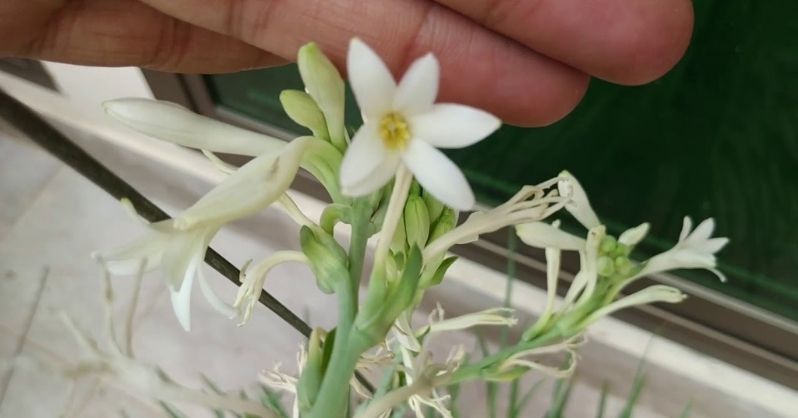
    Scientifically known as Polianthes tuberosa, the Nardos is a very beautiful flower. Although it’s called Tuberose commonly, it’s also called by beautiful names such as Nardo, Nardos, Amoles or Vara de San Jose, meaning St. Joseph’s staff. In South Asia, it’s called Rajanigandha, meaning “Fragrance of night”.

    The genus of this flower is Polianthes under the class Monocot, which in turn, falls under Amaryllidaceae.

    Although the plant can be up to a meter in height, certain variants are known to grow taller. Each stalk of Nardos comes with a cluster of flowers, and each flower can grow up to 30 cm in height. In some cases, the flowers grow as long as 45 cm. Nardos flowers can be either white or pink, depending on the sub-species.

    Where Does Nardos Flower Come From?

    These flowers originate from Mexico. These plants grow well in cool and tropical climates, and Mexico provides the perfect environment for them to grow.

    Other than Mexico, these flowers are known to grow well in the Indian sub-continent as well. Although the climate is a bit different than that of Mexico, it’s suitable enough for Nardos. Hence, this flower is abundantly used in these regions.

    How Can You Use the Nardos Flower?

    How Can You Use the Nardos Flower

    Nardos flowers are mainly used for decorative purposes. One of the prime features of these flowers is that they aren’t only pretty, but they have a beautiful scent as well. Due to their strong fragrance, they’re used for making perfume as well.

    One lesser-known side of this flower is its medicinal characteristics. It can help those afflicted by insomnia. Furthermore, it helps reduce stress. Consumption of Nardos is proven to be beneficial for the immune system, and it can also help with infections.

    Not only that, but these flowers are beneficial for reproductive health as well. Consumption of Nardo stem can reduce menstrual disorders. Furthermore, they are also great for fighting fungi.

    Despite these health benefits, it’s important to note that excessive use of these flowers can create adverse effects. So, they must be used or consumed in moderation if someone wishes to enjoy their health benefits.

    How To Grow Nardos Flower

    How To Grow and care and Nardos Flower

    Nardos flowers have high adaptability, and they can be grown equally well in tropical and cold climates. In this article, we’ll discuss all the factors that’ll help you grow Nardos flowers with the least hassle.

    Choose the Right Location

    Choose the Right Location for tuberose flower

    Nardos flowers are grown from their bulbs. To ensure the flower grows properly, you need to ensure an optimum environment for its growth. Start by picking the right location and season.

    As for choosing the right spot, you need to pick a space that gets adequate sun and has good soil for the development of roots. While you plant the bulbs, make sure there’s at least a 20cm gap between each of them.

    When to Plant?

    The best time for planting Nardos would be early spring. To be precise, the temperature must be warm when you plant the bulbs, and it’s best if the humidity ranges from 60% to 70%. If planted in early spring, you can see the flowers blooming in late spring.

    Soil Condition

    Nardos flowers aren’t particularly adaptive in terms of soil pH, so it’s best if the pH is kept at 7. Plus, the soil must have essential nutrients for the growth of the flowers. To ensure proper nutrition, you can fertilize the soil using organic fertilizer.

    Drainage System

    While Nardos flowers can grow without a perfect drainage system, it’s important to make sure water doesn’t stagnate on the bed. Accumulation of excess water will make the bed muddy, thus leading to root rot and bacterial and fungal growth.

    Fertilizer

    As we’ve discussed earlier, the soil must be fertilized for optimum growth of the Nardos flowers. To ensure proper fertilization, we highly recommend using the 8-8-8 fertilizer.

    These fertilizer packs come with equal parts of phosphorus, nitrogen, and potassium. This combination is very healthy for bulbous plants like Nardos. Moreover, you can ask the local nursery for fertilizers specially made for this kind of plant.

    You don’t have to fertilize these flowers regularly. Doing them once every six months will be more than enough.

    Prune Dead Stalks and Flowers

    If you ever come across a dead flower or stalk, we recommend pruning it instantly. Even if you find the stalk yellowing out, it’s recommended that you prune it. Pruning the dying or dead components will encourage healthy growth. This is especially true for the growing season.

    So, we recommend you get a set of scissors every morning and tend to the flowers. This will help you achieve a garden full of healthy Nardos flowers.

    Key Facts About Nardos Flower

    • These are perennial plants, which is why they’re highly preferred by people who’re looking for long-term plants.
    • These flowers can withstand down to -2 degrees Celsius, making them appropriate for cold climates as well.
    • These flowers can help with insomnia, stress, digestive problems, menstrual cramps, and much more.
    • Due to their strong fragrance, they’re often used for the preparation of perfume and fresheners.

    Conclusion

    Nardos flowers aren’t rare by any means, but the layers of benefit they offer isn’t common knowledge. Hopefully, this article provided all the information necessary to grow and care for Nardos flowers.

    Furthermore, we’ve also tried to delineate the benefits of these flowers and how you can use them. With this information at hand, we hope that you’ll be able to put these flowers to the best use!

    Related Posts:

    10 Examples of Flowering Plants

    What Is Azucena Flower? Origin, Uses, Care & Facts

    White Orchid: Learn Everything About the Elegant and Mysterious Flowers

    Blue Orchid: Everything About the Exotic Flower

    Red Orchid: All You Need to Know About the Fascinating Flower   

  • What Is Azucena Flower? Origin, Uses, Care & Facts

    What Is Azucena Flower? Origin, Uses, Care & Facts

    Is the name Azucena throwing you off guard? This rarely used name may give you the impression that you’ve never heard of this flower, let alone seen it. However, you’ll be surprised to know what it’s commonly called.

    The Azucena flowers are commonly referred to as Lily, but they’re essentially only a genus of Lily. Lilum Candidum, or Madonna Lily, are called Azucena flowers. In this article, we’ll discuss this flower more. So, let’s get right to it and learn some interesting facts.

    What Is an Azucena Flower?

    What Is an Azucena Flower

    Azucena is the Spanish name for Madonna lilies. It is essentially herbaceous tuberose. They belong to the Lilium genus and Liliaceae family. These plants grow up to 50 cm or 1.5ft. long. Their bases grow up to 13mm in width.

    These tubular flowers have a 6cm tube that ends with six petals at the end. One of the striking characteristics of Azucena flowers is their fragrance. Other than that, these have six stamens protruding from the tube. The stigma is divided into three parts.

    The History of The Azucena Flower

    The History of The Azucena Flower

    Although much can’t be found about the history of this flower, certainly, they were first recorded about 3,000 years back. This makes Azucena flowers the first-ever documented lilies to exist. Although, that doesn’t necessarily mean that these are the most ancient ones. 

    The Meaning of The Azucena Flower

    Like every other flower, the Azucena flowers come with an identity of their own. The first part of their scientific name, which is Lilium, is made up of two Latin words. The first part, Li, is a Latin word for white. Secondly, Ilium is a Latin word for flower.

    The second word, Candidum, also carries a meaning. It means shining or dazzling white. So, Lilium Candidum stands for Shining white flower if put together.

    How To Grow This Flower?

    How To Grow Azucena Flower

    There are multiple steps to growing an Azucena flower. Moreover, caring for this is just as important as growing it. In this section, we’ll be going over all of those.

    Decide a Time for Plantation

    Firstly, you need to decide the right time for planting an Azucena flower. They can’t withstand winter, so it’s important to plant them right after winter. This will help them last the longest.

    One more thing to note is that Azucena flowers don’t do well in cold climates. Even in warm weather, they’ll require at least four months to mature. If you live in a cold climate, you can plant the flower indoors first. Once they’re mature enough, transfer them outside.

    Soil Preparation

    Azucena flowers need proper soil preparation for optimum growth. The first thing you should work on is ensuring proper drainage. Next up, work on adding as much nutrition to the soil as possible.

    To do this, you can add compost, manure, or moss into the soil. These organic fertilizers are best for nutrition supply. You need to apply a mixture of all the said items at least 3 cm thick above the soil. This also helps with the drainage solution.

    However, if you don’t want to raise the soil bed, you can use a draining pot instead. These flowers can adapt to different levels of pH. Although they can withstand down to 5.5 pH, it’s optimum to keep it around 6.5 or 7.

    Azucena Flowers Love the Sun

    Azucena is a long day flower and loves the sun. You need to plant them in an area that has sun exposure for at least six hours a day. As these are more suitable for warm climates, planting them in partial or complete shade will only dry them out.

    Water the Plant Appropriately

    Before the plant emerges from the seed, you should water it only when necessary. Overwatering in this stage will prevent germination. Once the plant appears above the soil, it’s an indication that it has a developed root system. Thus, it’ll be able to handle more water.

    Even during the growing season, it’s not necessary to water it too much. Ideally, filling the plant bed with 3cm of water every week would suffice. Instead of watering frequently, water it once a week.

    In case of heavy downpours, reduce the frequency of watering or don’t water at all. Overwatering will cause root rot as these plants are prone to such diseases.

    Fertilize As Per Necessity

    If you want your Azucena flowers to bloom with all of their glory, then it’s wise to fertilize them appropriately. We highly recommend applying 8-8-8 fertilizers on them. These come with an equal part of phosphorus, nitrogen, and potassium.

    The fertilizer needs to be applied around the plant once every 40 days. If it’s solid, you need to spread it on the soil around the plant. In the case of liquid fertilizers, you just need to follow the instructions.

    Prune Dead Flowers

    In the growing season, you will come across dead flowers. Pruning the dead flowers will facilitate the growth of new flowers. So, we highly recommend pruning dead flowers weekly.

    Facts About the Flower

    Here are some facts about Azucena flowers that might interest you:

    • These flowers have been grown since ancient times because of their adaptability. They aren’t particularly picky when it comes to soil pH or type. It’s also very easy to maintain or care for them.
    • Azucena flowers were used as medicinal items in ancient medical treatments.
    • These plant seeds don’t last if stored for a long time. This is due to the absence of a thin covering that’s present in every other bulbous plant.
    • There’s a ton of mention of Azucena flowers in religion and poems. They were mostly used to symbolize purity.
    • It’s scientifically proven that Azucena flowers have health benefits that help combat diabetes, cancer, and heart diseases.  

    What’s The Origin of This Flower?

    What’s The Origin of Azucena Flower

    It’s not possible to trace back the actual origin of Azucena flowers due to a lack of information. What we know is these beautiful lilies used to grow in Southern parts of Europe and Asia in abundance.

    Due to their beautiful appearance, low maintenance, and high adaptability, they became famous all across the globe.

    Conclusion

    As you can see, Azucena flowers have a glorious history, and since the ancient days, they have been hailed as the symbol of purity. Planting these in your backyard or your home would not only beautify your place but would also bring a sense of serenity.

    Related Posts:

    10 Examples of Flowering Plants

    What Is Nardos Flower? Origin, Uses, Care & Facts

    White Orchid: Learn Everything About the Elegant and Mysterious Flowers

    Blue Orchid: Everything About the Exotic Flower

    Red Orchid: All You Need to Know About the Fascinating Flower

  • Is Your Favourite Pepper Plant Perennial?

    Is Your Favourite Pepper Plant Perennial?

    Could pepper plants be perennial? Yes, they are an excellent example of perennial plants. In cold regions, they are mostly grown as annuals, even though they are perennials.

    Do perennial pepper plants have a chance of growing in countries like the United States and the United Kingdom? Yes, they do.

    We’ll discuss the topic in detail below for you.

    Are All the Pepper Plants Perennial?

    Are Pepper Plants Perennial

    Many people wrongly assume that pepper plants are annuals. But in reality, they are perennials. 

    The reason behind the misconception is that most people only grow pepper plants for a single season, as they are not usually winter hardy in most regions. However, in warm regions, you can treat them as perennial without any issues. 

    That said, with proper care and protection, your pepper plants can survive for many years, even in cold regions. We’ll discuss more about that in our article. 

    How to Grow Pepper Plants in a Warm Climate

    How to Grow Pepper Plants in a Warm Climate

    There are lots of perks of living in a warm zone if you love gardening. And if you want to grow pepper plants, then you won’t have to do any extra tasks to treat them as a perennial. 

    Now, the first thing you need to do is find some good and healthy seeds. Make sure the plant seed is insect resistant.

    Next, you have to place them on the ground. There’s no need to use a pot or anything. Make sure there’s a good amount of spacing between the seeds. Ideally, it should be 18 inches. 

    Remember that they will be a minimum of 6 hours of sunlight. So, you have to keep them in place from where sunlight is easily accessible. If something is blocking the sunlight, remove it. Otherwise, you won’t get the desired results.

    Another thing you will need to plant alongside the seed is a stake. It will be there to support the plant. One thing that bothers gardeners constantly is weeds. So, it’s better if you take some precautions against it. 

    For that, you can create a layer of mulch to ensure weed can’t grow properly. A 3-inch layer should do the job. It will also help with preserving the moisture for the plant. 

    The following steps are regular and nothing extraordinary.

    Just like any plants, you’ll need to water them constantly. The fertilizer you use should be an all-purpose one. But don’t use them before you see the flowering on the plant.

    What if I’m not Living in a Warm Climate

    What if I'm not Living in a Warm Climate

    If you’re not living in a warm zone, you can still grow them as perennials with the help of overwintering.

    But what is overwintering?

    It’s a process of preparing your plant for the upcoming winter months. For this, you may need to bring the potted plants indoors and apply mulching around the base of trees and shrubs. You might even need to wrap tender vines in burlap. 

    The ultimate aim is to protect your plants from the cold in winter, as the cold winter can damage them or cause them to die. 

    What’s the Advantage of Overwintering

    What’s the Advantage of Overwintering

    There are numerous advantages of overwintering, which we’ll list below for you.

    • You can grow pepper plants for longer
    • You’ll get an early start 
    • Helps in dealing with pests and diseases
    • No need to buy new plants for the new season

    How to Grow Pepper Plants as Perennials with the Help of Overwintering

    How to Grow Pepper Plants as Perennials with the Help of Overwintering

    Uprooting pepper plants from the ground and potting them into the containers has a high chance of failure. Instead, you should try to work with the pepper plants that you’re already growing in the pots. That way, you’ll be able to avoid the unnecessary complications of dealing with roots. 

    Next, you might need to work on a bit on the length of the plants so that they become the right fit for the indoor space. Getting too big a plant can look odd in the room. 

    Regarding the place, keep the pepper plants where they’re not affected by the freezing temperature. It’s not like you have to keep them right beside the fireplace, but don’t keep them where they’re in direct contact with the frost. If you have conservatory, that would be perfect.

    How often should you water them?

    Unlike in the warm zones, here you won’t water them regularly. In fact, you won’t water them unless they’re on the verge of drying. 

    How do you resurrect these pepper plants?

    It’s easy. About 45-50 days earlier of the final frost date, you’ll need to shift them to a new pot with multipurpose compose mixed. Then, you need to cut down on the old medium for about 3 inches. In the next step, you’ll need to shift it again to a bigger pot with fresh compost. 

    Then you wait for some signs of regrowth. Once you see that happening, start watering them more. Finally, move them out in the open space.

  • 15 Popular Perennial Plants to Plant In Your Garden

    15 Popular Perennial Plants to Plant In Your Garden

    Do you like plants that come back year after year without having to replant them? 

    If so, you’ll love perennial plants! Perennials are a great way to add some color and life to your garden without too much effort.

    There’s nothing quite like the sight of a beautiful perennial garden full of brightly colored flowers that seem to last forever. Here are just a few kinds of perennial plants that can brighten up any garden:

    What Are Perennial Plants

    What Are Perennial Plants

    A perennial plant is one that lives for more than two years. This is in contrast to annual plants, which live for just one growing season before dying, and biennial plants, which take two years to complete their life cycle. 

    Perennial plants are an important part of many gardens, as they provide a year-round dramatic display of color and texture. Some popular perennials include Amsonia, daylilies, Baptisia, and Foxglove. 

    Perennials can be either herbaceous or woody, meaning they have either non-woody stems (herbaceous) or woody stems (woody). 

    Herbaceous perennials die back to the ground each winter and resprout in the spring. 

    Woody perennials, on the other hand, retain their above-ground growth each year (although this growth may be dormant during the winter months). As a result, woody perennials are often used as foundation plantings or as accent plants in landscaping design. Also, many don’t know that pepper plants can be grown as perennial provided the right growing condition is present for the plant.

    An infographic of Top 5 Popular Perennial Plants to Plant In Your Garden

    1. Amsonia

    Amsonia Flower

    Scientific Name: Amsonia tabernaemontana

    Classifications

    Kingdom:    Plantae

    Order:    Gentianales

    Family:    Apocynaceae

    Subfamily:    Rauvolfioideae

    Tribe:    Amsonieae

    Genus:    Amsonia

    Amsonia is a genus of flowering plants that includes about 24 species. The plants are native to North and South America, and they are most commonly found in woodlands and prairies. Amsonia flowers are small and blue, and they typically bloom in the spring. 

    The plants are relatively easy to care for, and they are often used as ornamental plants in gardens. Amsonia is also known as Bluestar or dogbane, and it is sometimes confused with the similar-looking perennial hibiscus.

    2. Floss Flower

    Floss Flower

    Scientific Name: Ageratum houstonianum

    Kingdom:    Plantae

    Order:    Asterales

    Family:    Asteraceae

    Genus:    Ageratum

    Species:    A. houstonianum

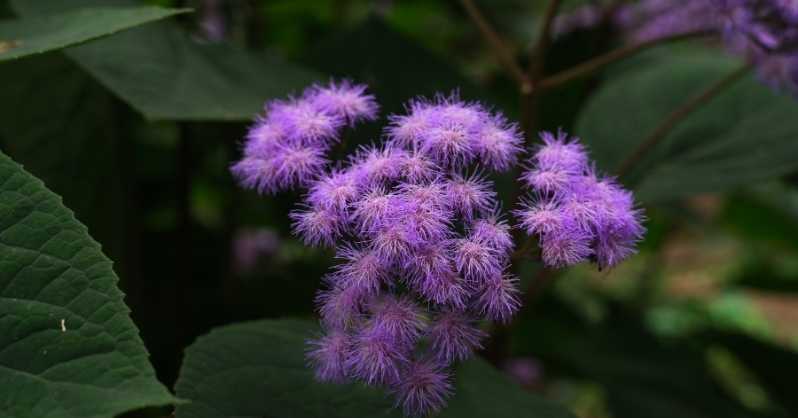
    It is a beautiful annual flower that adds color and interest to any garden. Also known as the bluemink, this plant gets its name from the long, silky tassels that adorn its flowers. 

    The flowers themselves are small and tubular, and they can be either white or shades of pink. The plant is native to Mexico, but it can be grown in many different climates. 

    In fact, it’s even drought-tolerant, making it a great choice for hot, dry summers. Best of all, the Floss Flower attracts bees and butterflies, making it an excellent addition to any pollinator garden. 

    3. Peruvian Day Lily

    Peruvian Day Lily

    Scientific Name: Alstroemeria aurea

    Classifications:

    Kingdom:    Plantae

    Clade:    Tracheophytes

    Clade:    Angiosperms

    Clade:    Monocots

    Order:    Liliales

    Family:    Alstroemeriaceae

    Genus:    Alstroemeria

    It is a beautiful flower that blooms in a variety of colors including white, yellow, pink, and red. Native to South America, it is a member of the Liliaceae family. The lily has a long history and has been used in a variety of traditional ceremonies. 

    It is a hardy plant that can be grown in a variety of climates. It is important to provide the plant with adequate moisture and well-drained soil. The plant will bloom from early summer to fall and can reach heights of up to six feet. 

    When planting the Peruvian Day Lily, it is important to space the bulbs 12-18 inches apart. 

    4. Baptisia

    Baptisia Flower

    Scientific Name: Baptisia australis

    Classifications

    Kingdom:   Plantae

    Clade:    Tracheophytes

    Clade:    Angiosperms

    Clade:    Eudicots

    Clade:    Rosids

    Order:    Fabales

    Family:    Fabaceae

    Subfamily:    Faboideae

    Tribe:    Sophoreae

    Genus: Baptisia

    Baptisia, also known as false indigo, is a beautiful and versatile plant that is native to North America. It grows best in full sun and prefers well-drained soil, but it is relatively drought-tolerant once established. Baptisia can be used as an ornamental plant or as part of a naturalized landscape. 

    It has long been loved by gardeners for its deep blue or purple flowers, which appear in mid to late spring. The flowers are followed by dark green leaves that remain attractive throughout the summer. 

    In fall, the leaves turn yellow, providing beautiful contrast to the flowers. Baptisia is a wonderful plant for attracting bees and butterflies, and it makes an excellent cut flower.

    5. Lavender

    Lavender flower

    Scientific Name: Lavandula angustifolia

    Classifications

    Kingdom:    Plantae

    Order:    Lamiales

    Family:    Lamiaceae

    Subfamily:    Nepetoideae

    Tribe: Ocimeae

    Genus: Lavandula

    Lavender is a popular herb that has been used for centuries for its aroma and medicinal properties. The plant is native to the Mediterranean region, but it is now grown around the world. 

    It can be used in a variety of ways, including in tea, as an essential oil, and in potpourris. The herb is also a popular ingredient in soaps and cosmetics. 

    Lavender has a wide range of benefits, including promoting relaxation, improving sleep quality, and reducing stress levels. 

    The herb is also said to have antimicrobial properties, making it an effective treatment for acne and other skin conditions. In addition to its many uses, lavender is also a beautiful plant that adds color and fragrance to any garden.

    6. Helenium

    Helenium flower

    Scientific Name: Helenium autumnale

    Classifications

    Kingdom:    Plantae

    Order:    Asterales

    Family:    Asteraceae

    Subfamily:    Asteroideae

    Tribe:    Helenieae

    Subtribe:    Gaillardiinae

    Genus:    Helenium

    The Helenium, also known as the sneezeweed, is a plant that has been used for centuries to treat a variety of ailments. The herb is used to relieve congestion and sinus pressure. It is also believed to have anti-inflammatory properties that can help to reduce swelling. 

    In addition, the Helenium is often used as a natural insecticide. The plant exudes a strong smell that repels many pests, making it an ideal way to keep your garden free of harmful insects. Whether you’re looking for a natural remedy for allergies or a way to keep your garden pest-free, the Helenium is a versatile and effective plant.

    7. Windflower

    Windflower

    Scientific name: Anemone coronaria

    Classifications: 

    Kingdom:    Plantae

    Order:    Ranunculales

    Family:    Ranunculaceae

    Genus:    Anemone

    Species:    A. coronaria

    The windflower (Anemone coronaria) is a beautiful flower that gets its name from the Greek word for “wind.” These flowers are native to the Mediterranean region, and they have been cultivated for centuries. The most commonly-grown variety is the red windflower, which features crimson petals and a yellow center.

    8. Penstemon

    Penstemon flower

    Scientific Name: Penstemon Palmeri

    Classifications

    Kingdom:    Plantae

    Order:    Lamiales

    Family:    Plantaginaceae

    Tribe:              Cheloneae

    Genus:    Penstemon 

    The name “penstemon” comes from the Greek words for “five” and “stamen,” referring to the five stamens that are characteristic of the flowers. Most penstemons are herbaceous perennials, although a few are shrubs or subshrubs. The flowers are tubular and come in a variety of colors, including white, pink, purple, and red. Penstemons are very popular with hummingbirds and bees, and they make excellent cut flowers.

    9. Foxglove

    Foxglove

    Scientific Name: Digitalis purpurea 

    Classifications: 

    Kingdom:    Plantae

    Order:    Lamiales

    Family:    Plantaginaceae

    Tribe:    Digitalideae

    Genus:    Digitalis

    The foxglove is a beautiful flower that grows in the wild. It gets its name from the fact that its blooms look like the gloves that foxes wear. The blooms are so striking, and they come in a wide range of colors. Foxgloves can be white, pink, purple, or even yellow. The flowers are very fragrant, and they attract bees and butterflies. 

    10. Hellebore

    Hellebore flower

    Scientific Name: Helleborus niger

    Classifications

    Kingdom:    Plantae

    Order:    Ranunculales

    Family:    Ranunculaceae

    Subfamily:    Ranunculoideae

    Tribe:    Helleboreae

    Genus:    Helleborus

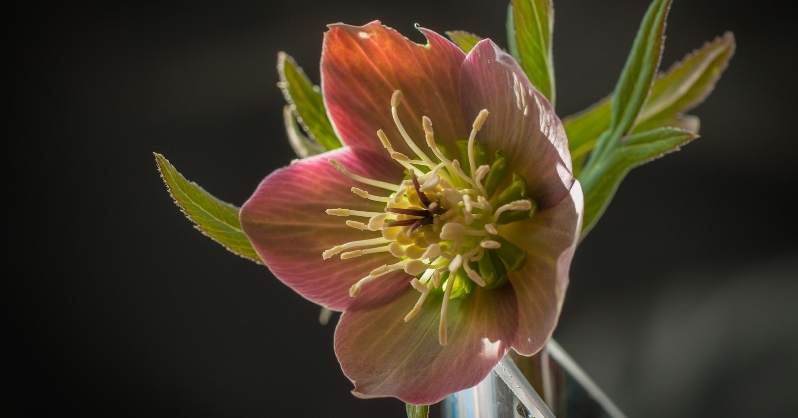
    Also known as Lenten roses, they are widely cultivated as ornamentals. 

    The most common hellebore species is Helleborus niger, which is native to the Pyrenees mountains of southwestern Europe. Hellebores are evergreen or semi-evergreen perennials that typically bloom in late winter or early spring. 

    They have large basal leaves and produce clusters of 2-10 flowers on erect stems. The flowers range in color from white to pink, purple, and yellow, and they are often marked with darker spots.

    11. Primrose

    Primrose flower

    Scientific Name: Primula vulgaris

    Classifications:

    Kingdom:    Plantae

    Order:    Ericales

    Family:    Primulaceae

    Genus:    Primula

    Species:    P. Vulgaris

    Primroses are one of the first signs of spring, with their cheerful flowers adding a splash of color to the landscape after a long winter. They come in a wide range of colors, from vibrant oranges and yellows to more subdued shades of pink and purple. 

    Primroses can be planted in the ground or in containers, making them versatile additions to any garden.

    12. Four o’clock flower

    Four o'clock flower

    Scientific Name: Mirabilis jalapa

    Classifications

    Kingdom:    Plantae

    Order:    Caryophyllales

    Family:    Nyctaginaceae

    Genus:    Mirabilis

    Species:    M. Jalapa

    The four o’clock flower (Mirabilis jalapa) is a beautiful but often misunderstood plant. Native to Mexico and Central America, it has long been a favorite of gardeners in warm climates. 

    However, it has a reputation for being difficult to grow, and many people mistakenly believe that it is only suitable for arid regions. In reality, the four o’clock flower is quite adaptable and can be successfully grown in a variety of conditions. 

    It is an especially good choice for beginners, as it is relatively easy maintenance and tolerant of occasional neglect. With its brightly colored flowers that bloom in the late afternoon, the four o’clock flower is a welcome addition to any garden.

    13. Catmint

    Catmint flower

    Scientific Name: Anisomeles indica

    Classifications:

    Kingdom:    Plantae

    Order:    Lamiales

    Family:    Lamiaceae

    Genus:    Anisomeles

    Species:    A. indica

    Catmint is a perennial herb that belongs to the mint family. The name “catmint” comes from the fact that cats love it! They’re attracted to the plant’s strong, aromatic scent. 

    Catmint is often used in culinary dishes and as a decoration, but it also has a number of other uses. For example, it can be used to make tea, as a natural insect repellent, or even as a way to keep cats from scratching furniture. 

    14. Vervain

    Vervain flower

    Scientific Name: Verbena officinalis

    Classifications: 

    Kingdom:    Plantae

    Order:    Lamiales

    Family:    Verbenaceae

    Genus:    Verbena

    Species:        Verbena officinalis

    Vervain (Verbena Officinalis) is a perennial flowering plant that has a long history of use in traditional herbal medicine, and is still used today for its various medicinal properties. 

    Vervain is most commonly used as an herb for anxiety and stress relief, as it is thought to have calming and sedative effects. It is also used to treat digestive problems, such as indigestion, gas, and diarrhea. Additionally, vervain is sometimes used topically to treat skin problems, such as acne and eczema.

    15. Geraniums

    Geraniums flower

    Scientific Name: Geranium dissectum

    Classifications: 

    Kingdom:    Plantae

    Order:    Geraniales

    Family:    Geraniaceae

    Genus:    Geranium

    Geraniums are a type of flowering plant that belongs to the genus Geranium. There are over 400 species of geranium, which are native to regions all over the world, including Africa, Asia, Europe, and North and South America.

    Geraniums normally grow to be about 1-2 feet tall, and they have large, showy flowers that bloom from late spring to early summer. One of the most popular types of geranium is the scented-leaved geranium, which has aromatic leaves that can be used in potpourri or as an ingredient in essential oils. 

  • 10 Examples of Flowering Plants

    10 Examples of Flowering Plants

    Every morning, When I step into my garden, I am welcomed by an extravagance of color. You can’t imagine the joy I find when I look at my flowering plants. And no matter what I’m going through, these flowers never fail to bring a smile to my face.

    So, if you want to start a garden, it’s important that you learn about some beautiful flowers, and today I’ll introduce you to some beautiful examples of flowering plants.

    You might not be familiar with some of them. But we’ll give all the key info about these flowers here for you.

    Flowering Plants

    If your plant bears flowers, it can be called a flowering plant AKA angiosperm. The main job of a flower is to help the plant reproduce. And a plant will produce flowers only during the flowering season. While some flowers can be eaten as vegetables, most of them are produced due to their mesmerizing beauty and the ability to liven up one’s mood.

    Nonflowering plants

    As it’s easy to guess from the name, any plant that fails to come up with flowers & seeds, they can be termed as nonflowering plants. You may see a few nonflowering plants producing seeds by using spores.

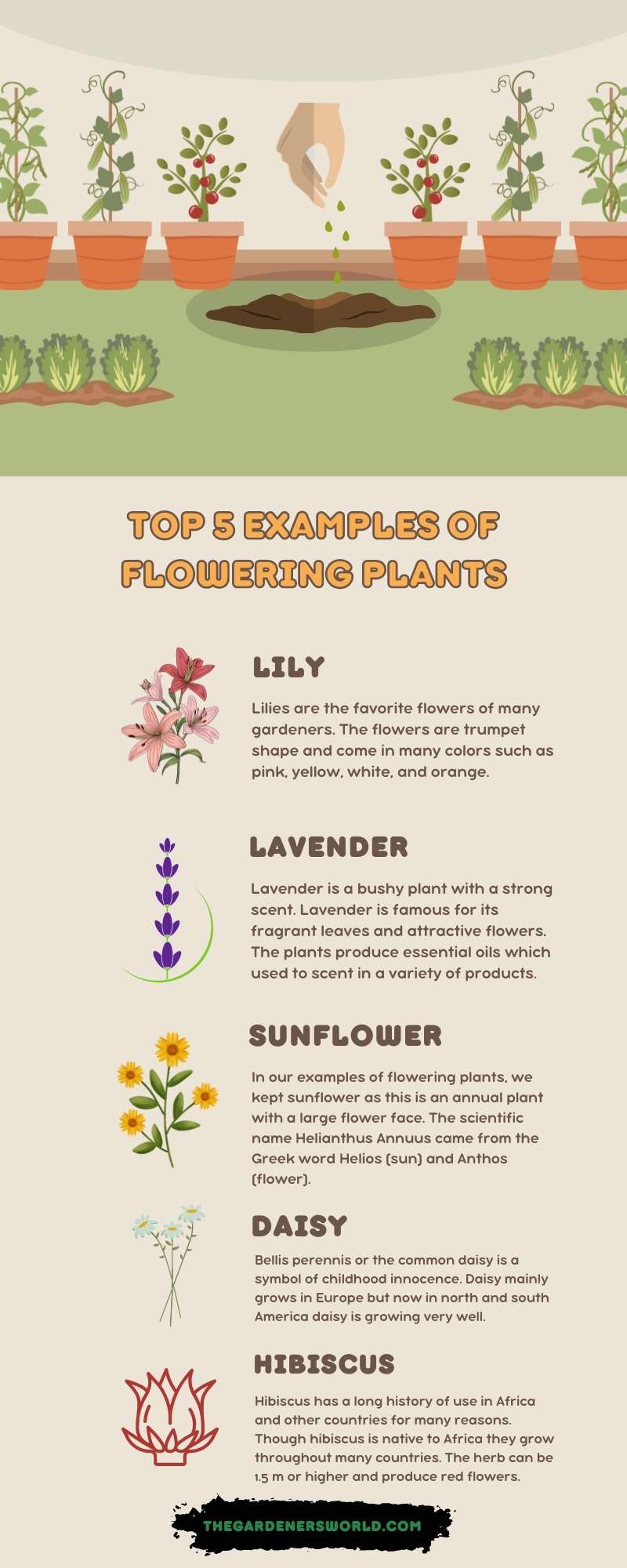
    An infographic of Top 5 Examples of Flowering Plants

    10 Examples of flowering plants

    1: Lily

    2: Lavender

    3: Sunflower

    4: Daisy

    5: Hibiscus

    6: Jasmine

    7: Water Lily

    8: Orchid

    9: Ixora

    10: Mango

    1. Lily

    Lily

    Classifications:

    Scientific name: Lilium

    kingdom: Plantae 

    Clade: Monocots 

    Order: Liliales 

    Family: Liliaceae 

    Subfamily: Lilioideae 

    Genus: Lilium

    Ask any gardener for their favorite pick, and they will choose lily first. From the first look, you’ll notice that the flowers are of trumpet shape and come in many colors such as pink, yellow, white, and orange. They are large dazzling flowers that come with a sweet scent like no other. Lilies have almost 100 species and hundreds of hybrids.

    I like that the stems of the flower are very sturdy and can be 2 to 6 feet. Lilies have six plain or strikingly marked tepals. Lilies are hard to identify, the true lily grows in from onion-like bulbs, are true perennials, and share characteristics of their flowers. 

    2. Lavender

     Lavender

    Classifications:

    Kingdom: Plantae 

    Clade: Tracheophytes 

    Order: Lamiales 

    Family: Lamiaceae

    Subfamily: Nepetoideae 

    Genus: Lavandula 

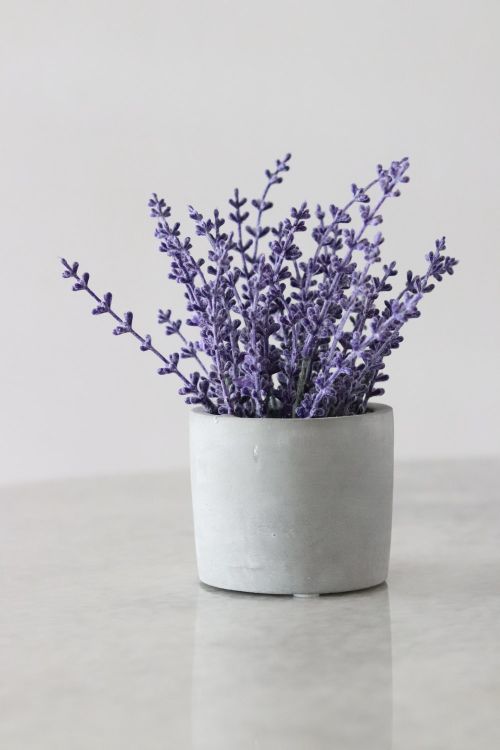
    Lavender is a bushy plant with a strong scent. Lavender is famous for its fragrant leaves and attractive flowers. The plants produce essential oils which used to scent in a variety of products. The ancient Romans used lavender in their bath for fragrance. Lavender can survive in a wide range of solids, even they can grow in poor soil. They required lots of sunlight and good water drainage. Lavender also has some health benefits such as insomnia, skin treatment, reduced blood pressure, hair growth, etc.

    3. Sunflower

    Sunflower

    Classifications:

    Scientific name: Helianthus

    Kingdom: Plantae 

    Order: Asterales 

    Family: Asteraceae 

    Subfamily: Asteroidea 

    Genus: Helianthus

    When I began planning for my garden, there was no doubt about my first plant. It’s no other than sunflowers. It’s breathtakingly beautiful and can make any garden brighter. They also attract a lot of pollinators.

    Also, you can eat the seeds of these flowers by roasting them.

    When I first found out that, sunflowers are around 5000 years old, I was really surprised. But this annual plant hasn’t lost any charm over the years. Apart from the famous yellow, you can find them in red, white, orange, or bronze.

    4. Daisy

    Daisy

    Classifications:

    Scientific name: Bellis perennis

    Higher classification: Bellis

    Rank: Species

    Family: Asteraceae

    Kingdom: Plantae

    Order: Asterales

    If I ask you to imagine Bellis, what image would you conjecture in mind? White petals surrounding a yellow center? Then your imagination is pretty perfect. If you look beyond the beauty of this flower, you’ll get to notice many interesting stuff. For example the flower is a combination of lots of small flowers. They are called florets.

    And thanks to these small flowers, they don’t require any pollinators for reproduction.

    Another thing that should be brought to your notice is that Bellis is a member of the aster family, which is famous for producing a lot of toxic plants. This flower is also seen as a sign of innocence.


    5. Hibiscus

    Hibiscus

    Classifications:

    Scientific name: Hibiscus rosa-sinensis

    Kingdom: Plantae

    Order: Malvales

    Family: Malvaceae

    Subfamily: Malvoideae

    Genus: Hibiscus 

    When you first look at the Hibiscus, the first thing that attracts your attention is its big flower. And I’m certainly not complaining as I’m personally a huge lover of big flowers. There’s no shortage of options when it comes to colors, so, you can easily make your pick. Some are of the opinion that it has properties helpful to medical issues and thus often used for treating minor diseases

    6. Jasmine

    Jasmine

    Classifications:

    Scientific name: Jasminum

    Kingdom: Plantae

    Order: Lamiales 

    Family: Oleaceae

    Genus:  Jasminum L. 

    Jesmin is an exotic source of fragrance around the world. Jesmin needs full sunlight to grow. All jasmine isn’t fragrant but the most common jasmine produces fragrance. Flowering in jasmines takes six months after planting. Jasmines grow well in moist, well-drained, sandy, garden soil.

     7. Water Lily

    Water Lily

    Classifications:

    Scientific name: Nymphaeaceae

    Kingdom: Plantae

    Clade: Angiosperms

    Order: Nymphaeales

    Family: Nymphaeaceae

    Genus: Nymphaea L.

    Water lily is a floating plant with large, fragrant, white, or pink flowers. The leaves are round and floating as well. The leaves are bright green with long stems. You can see the water lily flower from morning until noon. Water lily is very beneficial for fish, they provide food for fish. The flowers are mostly 7.5-12.5 cm. The center has one pistil with bright yellow stamens. The water lily can be found on 5-7 feet deep water like ponds and other water sources with silty and, mucky beds.

    8. Orchid

    Orchid

    Classifications:

    Scientific name: Orchidaceae

    Higher classification: Asparagales

    Rank: Family

    Family: Orchidaceae; Juss.

    Kingdom: Plantae

    It’s believed by many that the orchid represents luxury, beauty, and strength. The Greek women of pre-historic times were of the opinion that if they consumed mini orchid tubers, they would be blessed with a girl. Also if the father ate large orchid tubers the child will be a boy. Obviously, they have no scientific basis and have been proven false.

    You’ll find no less that 20000 species of orchids all over the world. Orchid is the biggest family in the flowering plants  Orchid is also known as Orchidaceae which is the scientific name of orchid. Orchid is diverse, having a variety of colors, shapes, and sizes.

    Cattleya, cymbidium, dendrobiums, phalaenopsis, and vanda are some of the common orchids. Few types of orchids are grown for consumption vanilla, the extracts are made into a food flavoring.

    9. Ixora

    Ixora

    Classifications:

    Scientific name: Ixora

    Kingdom: Plantae

    Order: Gentianales

    Family: Rubiaceae

    Subfamily: Ixoroideae

    Genus: Ixora L.

    I wanted a flowering plant that didn’t occupy all my time for maintenance. And Ixora fit the bill perfectly, as it’s a very low-maintenance plant. With bare minimum care, it will grow and take your garden’s aesthetics to the next level.

    The flower comes from the Rubiaceae family and is readily available in sub-tropical countries. Most of them grow 6-8 ft, but some of them can reach as much as 13 ft.

    10. Mango

    Mango

    Classifications:

    Mangifera indica

    Kingdom: Plantae

    Order: Sapindales

    Family: Anacardiaceae

    Genus: Mangifera

    Species: M. indica

    Is it possible to not love mango? certainly not. But you might not be aware that the mango tree produces some amazing flowers that are beautiful to look at. So, before it starts producing the mangoes, make sure you enjoy the flowers of the tree.