Category: Garden Plants

  • Arbutus Marina: Origin, Characteristics & Care

    Arbutus Marina: Origin, Characteristics & Care

    Today, we’ll learn about the wonderful Arbutus Marina tree. We’ll be looking at some of the characteristics, where you can find the tree as well as how to take care of it. If you’ve been curious about this tree, then you might find this article informative.

    What Is Arbutus Marina?

    What Is Arbutus Marina

    Arbutus Marina is a tree belonging to the Arbutus family of trees. Arbutus is the scientific name, and you might be more familiar with them as strawberry trees. They were discovered in 1917 and are often identifiable by their pink or red-hued flowers. They are considered garden trees due to their height and ease of growth.

    Where Is It Found Naturally?

    The Arbutus Marina originated first in Southern Europe. Now they are found primarily around the Mediterranean region and British islands. They can also be found in some nurseries in California and the western areas of the United States of America.

    Physical Characteristics 

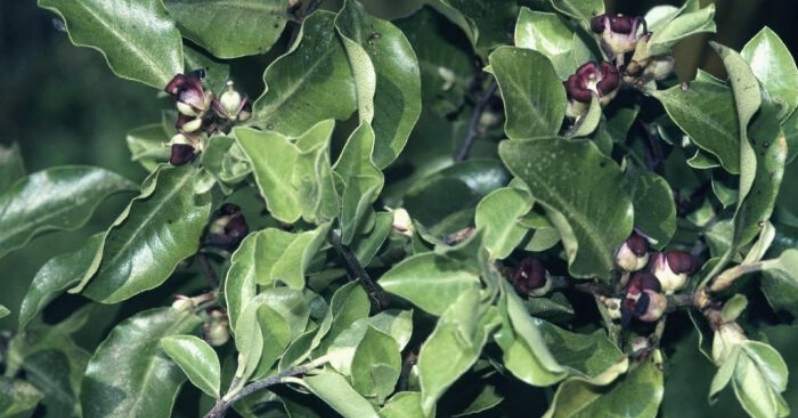
    The Arbutus Marina tree is considered an evergreen tree, and as a result, they retain its green leaves throughout the year, even during the winter. Fully grown Arbutus Marina trees can reach heights up to 50 feet. As it has been said before, bright red or pink flowers can bloom on the tree during Spring. They form a large and dense canopy when they fully mature.

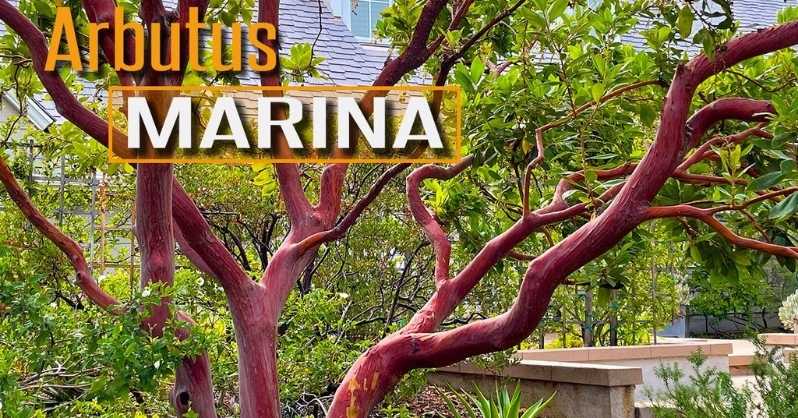
    They have tough bark and are quite strong trees. Arbutus Marina trees can withstand dry spells, further adding to their strength. These trees can shed their bark over time which can reveal bark that is a beautiful shade of red. 

    These trees can also bear fruit. However, unlike strawberries, they aren’t as enjoyable to eat as they lack a sweet taste. The fruits are safe to eat, so you don’t have to worry about your pets or kids eating them. 

    What Kind Of Climate Does It Need To Survive?
    What Kind Of Climate Does It Need To Survive

    The Arbutus Marina is a hardy tree and can survive well in most climates unless it is extremely cold. They generally prefer cooler environments like that present in the British islands. However, once properly planted, they can better survive harsh changes in weather.

    Generally, temperate climates are what they prefer. You want to grow them during spring or summer so that they can grow and become stable by the time fall or winter arrives.

    Common Problems With The Plant

    common problems with arbutus marina

    For the most part, Arbutus Marina is easy enough to grow. However, it is not without some problems that you will need to tend to. These problems include:

    Pests And Fungus

    While the Arbutus Marina is a strong tree, it is not immune to pests. The pests that attack it are rarer variants, but if they are not taken care of can kill your plants. Aphids are ones that you need to be aware of for the most part, especially during the early stages of growth.

    A certain variant of fungus can be known to infect the Arbutus tree. This can cause the tree to decay over time. There is not much in the way of healing trees infected by this fungus other than separating infected parts and disposing of them.

    Messy

    Arbutus Marina trees can be messy. They can shed bark and twigs, which can result in the ground around them being full of stray wood. The fruits can also fall and be crushed, leading to a bigger mess. As a result, this can lead to extra maintenance on your part. 

    Another thing to note is that due to the large canopy of these types of trees, they can block off sunlight from other smaller plants, which can end up inhibiting their growth. Due to these, these trees can take up a lot of space in your garden leading you to properly plan around them.

    Wood Rot

    One thing that this tree is susceptible to is wood rot. When excess water is present around the tree, it can cause decay. This can lead to the tree getting sick and eventually dying off if water is not properly drained from time to time. 

    How To Propagate It?

    How To Propagate Arbutus Marina

    Arbutus plants can be propagated by taking cuttings of the tree or plant and then cultivating it. When taking a cut, make sure to make a slanted cut to increase the chances of cultivating it properly. They are generally easy enough to propagate. 

    Maintenance Tips

    Here are some tips to help grow your Arbutus trees properly. These tips are:

    • Create proper drainage channels. This will help remove water near the roots and prevent wood rot from occurring.
    • Do not plant the roots too deep or make use of compacted soil. This can promote a higher amount of water absorption by the roots, which can stunt growth.
    • Ensure full sunshine for the tree. Arbutus trees need to grow tall and strong so plant them in areas with little to no shade.
    • Take protective measures against pests and make sure to inspect for any fungal infections.

    How Is It Used?

    Arbutus trees aren’t used much aside from decorating gardens. Their fruits aren’t commonly eaten due to their taste, and they don’t have many useful properties outside of being used as garden plants.

    Conclusion

    Has this article on Arbutus Marina trees proved informative for you? They can enhance the look of your gardens and aren’t very difficult to maintain aside from a few things. 

  • Ceanothus Yankee Point: Overview, Uses, & Care

    Ceanothus Yankee Point: Overview, Uses, & Care

    For those of you living in California, you might be familiar with the plant we are covering today- the Ceanothus Yankee Point. We’ll be looking at some of the characteristics of this plant and also provide some tips on how to properly care for it for those who want to successfully grow it. 

    Overview Of The Plant

    Overview of Ceanothus Yankee Point

    The Ceanothus Yankee Point is a fast-growing evergreen shrub. It retains the green leaves all year round, and fully grown ones can reach up to two or three feet in height. Alongside the green leaves, the shrub also has blue flowers that can bloom profusely and envelop the shrub if properly taken care of.

    It can grow ten feet wide which can help it cover a good deal of ground. The shrub is surprisingly durable and has strong roots that help stabilize it. It can survive in a variety of climates other than extremely cold areas.

    They are known to attract various small birds as well as numerous butterflies. These shrubs are quite low maintenance and, due to their showy nature, are quite popular for gardens.

    Care Guide

    how to care Ceanothus Yankee Point

    Ceanothus Yankee Point is not too difficult to take care of. The main difficulty lies in establishing the plant itself. After that, there isn’t much maintenance needed to ensure it properly grows to maturity and the flowers bloom. 

    The first step to ensuring the shrub establishes properly is making sure you grow it in the right place. Ceanothus Yankee Point is a native American plant, and while it can be grown in other regions, you will have the easiest time growing it in its native region. You will also have an easier time growing it during Spring or Summer.

    Here are some tips to keep in mind about taking care of the plant:

    Watering

    While some plants have regular watering schedules, that are not the case for the Ceanothus Yankee Point. The shrub requires more water during the start when you’re growing it but requires less water when it has matured. 

    However, like many plants, too much water is bad and can hurt the shrub when it is matured. Too much water content can cause wood rot. The general rule of thumb is to make sure the soil is moist when you’re growing the plant, as it means there is a decent amount of water in the soil. Dip your finger to test if the soil is moist or not.

    If there is water left on the soil, it means it is clogged. You want to avoid this.

    Soil

    The key thing you need to remember about the soil for this type of shrub is that they need to have drainage channels. This prevents water from clogging and can remove extra water, so maintenance becomes easier. 

    Neutral soil with clay and some shallow rocks will give the shrubs enough stability as well as allow them to drain water. You don’t need to worry about any alternations in the soil mix once the plant has fully matured. 

    Light

    Ceanothus Yankee Point prefers full sunlight. Generally, 6 hours of sunlight is good enough for this plant. 6 plus hours isn’t bad but not recommended. So you can put it in partial shade for the best results.

    Pests And Diseases

    While the shrub is easy enough to grow, it is susceptible to attacks by pests and diseases. Alongside attracting butterflies and birds, it can attract certain insects which can eat the leaves and sometimes damage the flowers. It is also susceptible to certain variants of fungal infections, which can cause decay.

    For insects, you want to make use of pesticides to be aware of other plants in your garden in case the pesticide damages them. There’s very little to do against fungal infections other than separate the infected leaves to stop the infection.

    What Are The Uses Of This Plant?

    What Are The Uses Of Ceanothus Yankee Point

    This plant has two main uses. These are briefly listed below:

    Use In Gardens

    These plants are popular for use by gardeners. They are quite easy to maintain and add a nice flourish to many gardens with their blue flowers. The shrubs also attract butterflies which is quite favorable. 

    Bank Stabilization

    The shrubs can help stabilize banks and prevent erosion from water. This is due to their roots and uses as ground cover, which helps them be used near rivers.

    Conclusion

    If you’re planning on working on a garden, the Ceanothus Yankee Point is a good plant to start with due to how easy it is to grow. It also adds a very nice look to your garden, so it is quite noteworthy. 

  • Pittosporum Tenuifolium: All You Need to Know

    Pittosporum Tenuifolium: All You Need to Know

    Pittosporum tenuifolium is a plant that’s worth knowing about. We’ll be looking at its origins, physical characteristics, uses and finally provide some pointers on how to care for it. If you’ve been meaning to grow a Pittosporum Tenuifolium but weren’t sure how to, this article has you covered.

    What Is Pittosporum Tenuifolium?

    What Is Pittosporum Tenuifolium

    Pittosporum tenuifolium is a type of evergreen tree that is generally smaller in size than other evergreen trees. Mature Pittosporum Tenuifolium grows up to around 33 feet in height. The Tenuifolium in its name refers to the thin leaves it possesses. Alternative names for this tree include kōhūhū and black matipo, which are names that originate from its native land of New Zealand.

    Where Does It Come From?

    The tree, Pittosporum tenuifolium, originates and is primarily found all over New Zealand. You’ll see it almost everywhere in New Zealand outside of the Southern Alps. You can find tree inhabiting coastal lands and forests. They are also used to fence the gardens.

    Over time, there have been Pittosporum Tenuifolium spotted in areas of Australia and California. They are mostly located in the coastal sections of said areas. 

    Physical Characteristics

    The physical appearance of the Pittosporum tenuifolium can be somewhat determined by its namesakes. It has slender or thin leaves, with the leaves generally being oval-shaped. Leaves are generally darker on the upper face and have a lighter hue on the lower face that is not exposed. 

    Due to the leaves, it might be hard to spot the small dark red flowers sprouting. Inside these flowers, you can spot the dark seeds that are encapsulated by the flower petals. The black matipo name originates from these highly visible black seeds present in the flowers. 

    These petals have a distinct aroma to them but only during the night. This scent is of the honey nectar contained within them, and the Pittosporum tenuifolium can be seen to attract bees.

    The Pittosporum Tenuifolium tree grows quite fast and can be seen to bloom in Spring. They have shallow roots and, despite their small stature are quite strong. 

    What Are Its Uses?

    What Are Uses of Pittosporum Tenuifolium

    Pittosporum Tenuifolium has some unique uses. Some of the common ones are detailed below:

    Stabilizing Water Flow

    Due to how the roots of this particular tree are, they can help control water flow in areas. Due to them being found in coastal areas, they can be seen to slow down water flow. Properly planting them can help control water flow in an area preventing water from flowing into the land.

    Preventing Water Pollution

    Continuing from the previous point, Pittosporum tenuifolium can additionally help with preventing water pollution. They primarily do this by preventing water erosion which can lead to foreign objects entering a water stream. 

    Resin And Oil Extracts

    The resin and oil can be extracted from the Pittosporum tenuifolium. They are scented and can be used as fragrances. The oil has slight medicinal properties, and this is primarily used by the Maori people in New Zealand.

    Garden Plant

    Finally, Pittosporum tenuifolium can be used as a garden plant. Their unique look can suit well to certain gardens, and they are often used as bushes. They are hardy plants that can grow in tough conditions, so as a result, they are looked at favorably by gardeners. 

    Maintenance And Care Tips

    Maintenance And Care Tips for Pittosporum Tenuifolium

    Pittosporum tenuifolium isn’t too difficult to take care of, but there are a few things you should keep in mind. Here are two tips that you should try to incorporate to ensure the best growth for your Pittosporum Tenuifolium:

    • Getting the soil’s water content is the most important part of ensuring that this plant grows properly. The balance can be difficult to strike since you want the soil to be moist, but you don’t want water to overflow as it can cause decay.
    • Sunlight is essential for this plant. You want to ensure it gets a good degree of sunlight, and due to its height, you should not put it near other taller plants. Partial shade is fine but not always recommended.

    Common Problems With The Plant

    Common problem with Pittosporum Tenuifolium

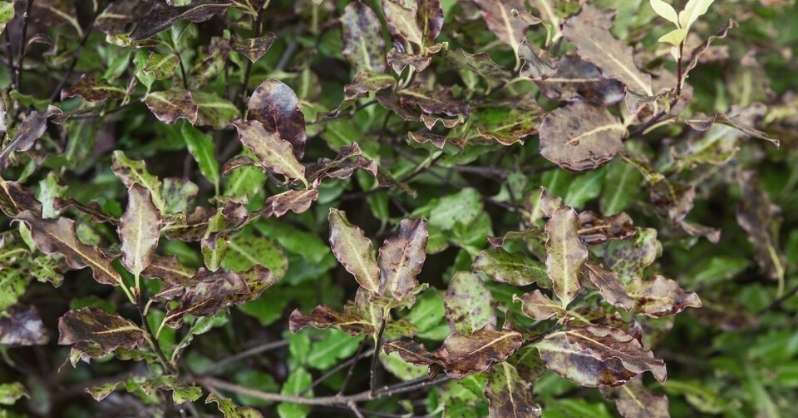
    The primary problem you will encounter with the Pittosporum Tenuifolium is an attack from insects and fungus. Several insect species prey on this plant, so you’ll need to take proper care and place preventative measures to ensure your plant does not die from pest attacks.

    Fungal infections can cause the plant to rot. There isn’t any remedy for this, and you should spot early signs of infection as fast as possible and remove the infected parts.

    Conclusion

    Hopefully, this article has given you a bigger insight into the Pittosporum tenuifolium plant. It is a very useful plant and if you plan to grow it in your garden, be on the lookout for insects that prey on it. 

  • 5 Plants That Resemble Wisteria

    5 Plants That Resemble Wisteria

    Wisteria is a plant with almost incomparable and truly beautiful flowers. This vining plant blooms in large clusters of hanging flowers that range from shades of blue to purple to lilac. If you already have this plant in your house or can’t find it anywhere, then you might want suggestions for plants like Wisteria.

    Luckily, we have a few fantastic alternatives to Wisteria that you may find suitable for your garden. We have added 5 options to our list, so you have the liberty to choose whichever one you find to be more eye-striking.

    Plants That Are Similar to Wisteria

    Below, there are 5 plants like Wisteria, and a short description attached for each of them:

    Actinidia

    Actinidia plant

    Scientific Classifications:

    Kingdom:  Plantae

    Clade:        Angiosperms

    Clade:        Asterids

    Order:        Ericales

    Family:       Actinidiaceae

    Genus:        Actinidia

    Type species: Actinidia callosa

    This is essentially a genus, and plants of this genus grow mostly in the Eastern part of Asia. For an alternative to Wisteria, you could get the Actinidia plants that grow tall and sturdy vines.

    In terms of the vines, it will give you a very similar look to that of wisteria. Although it does not have lilac flowers, the white flowers that come before the kiwi fruits in the plant are also nice.

    Ampelopsis

    Ampelopsis plant

    Scientific Classifications:

    Kingdom:  Plantae

    Clade:        Angiosperms

    Clade:        Eudicots

    Order:        Vitales

    Family:       Vitaceae

    Subfamily: Vitoideae

    Genus:        Ampelopsis

    Ampelopsis is a climbing herbs genus. This plant also goes by the names porcelain berry and pepper vine.

    Species of this genus can grow quite tall shrubs. If you plant it next to a wall, it will cover a large portion of your wall and give a similar look to vines of Wisteria.

    Clematis

    Clematis plant

    Scientific Classifications:

    Kingdom:  Plantae

    Clade:        Angiosperms

    Order:        Ranunculales

    Family:       Ranunculaceae

    Subfamily: Ranunculoideae

    Tribe:         Anemoneae

    Genus:        Clematis

    Genus of plants from the buttercup family, Clematis genus contains plants with a lot of varieties. However, if we had to pick one similar to Wisteria, we would suggest taking a look at Clematis Montana.

    It grows vines and has wonderful light pink blooms which smell like vanilla!

    Hedera

    Hedera plant

    Scientific Classifications:

    Kingdom:  Plantae

    Clade:        Angiosperms

    Clade:        Asterids

    Order:        Apiales

    Family:       Araliaceae

    Subfamily: Aralioideae

    Genus:        Hedera L.

    You may have heard of Hedera before with a different name – ivy.

    While plants from this genus do not have remarkable blooms, their foliage can create a wonderful display by covering the exterior walls of buildings. It is a very hardy plant, so you can easily grow it.

    Humulus

    Humulus plant

    Scientific Classifications:

    Kingdom:  Plantae

    Clade:        Angiosperms

    Clade:        Rosids

    Order:        Rosales

    Family:       Cannabaceae

    Genus:        Humulus

    The Humulus genus is very small. There are two species that are similar to wisteria as they are climbing perennials.

    Their foliage is very appealing to the eye, and it also has beautiful flowers known as hops.
    Resources:

    https://en.wikipedia.org/wiki/Actinidia

    https://en.wikipedia.org/wiki/Ampelopsis

    https://en.wikipedia.org/wiki/Clematis

    https://www.gardenia.net/plant-variety/clematis-montana-group

    https://shop.holex.com/en_US/greens-foliage-wholesale-guide

  • Which Plants like Horse Manure? Learn Now

    Which Plants like Horse Manure? Learn Now

    We have all heard of cow manure being widely used as a soil fertilizer for various crops. On the other hand, the use of horse manure as a fertilizer is seen much more seldom. However, it turns out that some properties of horse manure can actually be beneficial for growing some plants.

    In today’s article, we will be exploring plants like horse manure. Along with that, we will also be briefly taking a look at what plants don’t prefer.

    Plants That Like Horse Manure

    The reason why horse manure can be helpful in the growth of some plants is that they provide a boost of nitrogen in the soil. Not only that, but it also contains good amounts of phosphorus and potassium, which are all essential nutrients for a plant’s healthy growth.

    Kale

    Kale plant

    Scientific Classifications:

    Kingdom:  Plantae

    Clade:        Angiosperms

    Clade:        Eudicots

    Order:        Brassicales

    Family:       Brassicaceae

    Genus:        Brassica

    Kale is quite quickly becoming one of the most popular leafy vegetables in the world, as people are finding more and more delicious healthy recipes with it. Using well-rotted horse manure can really help farmers to get the best yield when growing kale.

    Pak Choi

    Pak Choi plant

    Pak choi is a vegetable that is used in Asian cuisines the most. They make great side dishes, or you can chop some up and add them to your main dish. Organic horse manure can be amazing for making the soil richer with the three most important nutrients the Pak choi plant needs.

    Spinach

    Spinach plant

    Scientific Classifications:

    Kingdom:  Plantae

    Clade:        Angiosperms

    Order:        Caryophyllales

    Family:       Amaranthaceae

    Genus:        Spinacia

    Species:      S. oleracea

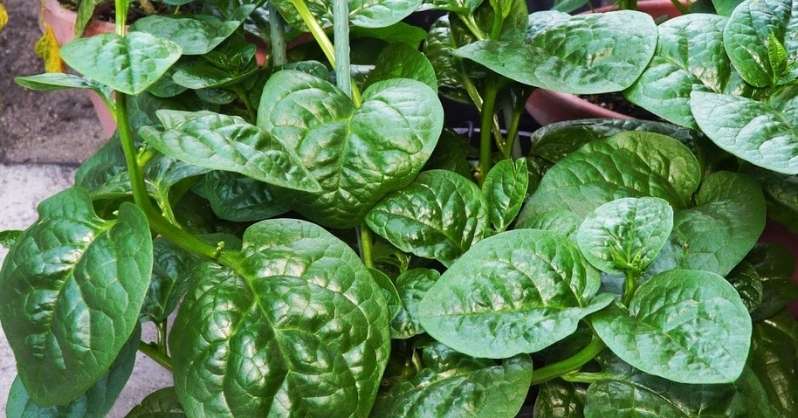
    Used in all countries and cuisines across the world, spinach is a versatile vegetable in high demand because of all its packed nutrients. It turns out that horse manure is fantastic for leafy vegetable Herbaceous plants since they require a high amount of nitrogen. Hence, it works well for spinach.

    Mustard 

    Scientific Classifications:         

    Kingdom: Plantae

    Subkingdom: Viridiplantae   

    Class: Magnoliopsida    

    Order: Brassicales          

    Family: Brassicaceae     

    Genus: Brassica L

    From making condiments to oils, mustard is a very useful crop that farmers want to grow. Studies have shown linking the use of horse manure as organic fertilizer for mustard plants to higher protein content and oil in mustard crops!

    Lettuce

    Lettuce flower plant

    Scientific Classifications:

    Kingdom:  Plantae

    Clade:        Eudicots

    Order:        Asterales

    Family:       Asteraceae

    Species:      L. Sativa

    Lettuce is also a leafy plant which is why horse manure greatly helps in its growth. It has been found that the best effect for lettuce can be achieved when the manure is mixed with lime and then used as fertilizer.

    What Plants Don’t Like Horse Manure

    Using horse manure is just not the best option for flowering plants. Because horses don’t digest everything very well, oftentimes, weeds can be found with manure. So, when the weed-containing manure is used as a fertilizer, it can result in weeds being grown all around your flower plant.

    Resources:

    https://outpostbuildings.co.nz/blogs/news/what-is-horse-manure-good-for

    https://www.sciencedirect.com/topics/agricultural-and-biological-sciences/horse-manure

  • What to Plant with Knockout Roses for a Picture-Perfect Garden

    What to Plant with Knockout Roses for a Picture-Perfect Garden

    With their arresting beauty, enchanting fragrance and numerous color, size and shape variations, roses are the darling of any garden. However, they are also highly sensitive plants, requiring specific conditions and constant upkeep.

    Therefore, plant breeders have been trying to produce roses that are easier to grow. In 2000, rose breeder William Radler introduced to the U.S. his Knock Out Rose. Since then, this breed has become extremely popular among gardeners of all skill levels. Knock Out Roses grow easily when supplied with full sun and fertile, well-drained soil.

    Wondering what to plant with knockout roses to really make their beauty come alive? Find our list below.

    9 Perfect Companion Plants for Knockout Roses

    Knock Out Roses grow well with many annual and perennial flowers. Here are 9 of the best companion plants to knockout roses.

    1. Daylily

    Daylily plant

    Scientific Name: Hemerocallis lilioasphodelus

    Scientific Classifications:

    Kingdom:    Plantae

    Clade:    Tracheophytes

    Clade:    Angiosperms

    Clade:    Monocots

    Order:    Asparagales

    Family:    Asphodelaceae

    Subfamily:    Hemerocallidoideae

    Genus:    Hemerocallis L.

    Just like knockout roses, daylilies also thrive in full sun. These are hardy, adaptable perennials which don’t require a lot of upkeep; in fact, sometimes they don’t need any care whatsoever. Furthermore, the flowers seem to be virtually immune to disease or pests.

    Yellow to orange in color, daylilies grow from 1 to 4 feet high and make a great backdrop to other plants. If you’re using your knockout roses for your perennial flower border, daylilies are a great companion.

    2. Lavenders

    Lavender flower plant

    Scientific Name: Lavandula angustifolia

    Scientific Classifications:

    Kingdom:    Plantae

    Clade:    Eudicots

    Order:    Lamiales

    Family:    Lamiaceae

    Subfamily:    Nepetoideae

    Tribe:    Ocimeae

    Genus:    Lavandula L.

    Of all of the various knockout roses available, only Sunny is fragrant. So unless you’re planting Sunnies, it might be a good idea to plant lavenders to add fragrance. The gorgeous purple-blue lavenders are hardy flowers, blooming from late spring and throughout the summer. 

    The most fragrant variety of lavender is Grosso, which usually grows up to 2.5 feet. The flower readily attracts bees, butterflies and other pollinators. Grosso lavenders might even repeat their summer blooming cycle in the early fall or late summer.

    3. Mexican Blue Sage

    Mexican Blue Sage

    Scientific Name: Salvia chamaedryoides

    Scientific Classifications:

    Kingdom:    Plantae

    Clade:    Asterids

    Order:    Lamiales

    Family:    Lamiaceae

    Genus:    Salvia

    Species:    S. chamaedryoides

    Mexican blue sage (Salvia chamaedryoides), or Germander as they are called sometimes, are small sky-blue flowers that grow prolifically. 

    Mexican blue sage is hardy in USDA zones 7 through 11 and starts blooming in early summer, lasting until the fall. Mexican blue sage will readily bring in butterflies and hummingbirds. This is a low-maintenance plant requiring routine care and will thrive nicely alongside your knockout roses.

    4. Marigolds

    Marigold flower plant

    Scientific Name: Tagetes erecta

    Scientific Classifications:

    Kingdom:    Plantae

    Clade:    Tracheophytes

    Order:    Asterales

    Family:    Asteraceae

    Subfamily:    Asteroideae

    Tribe:    Tageteae

    Genus:    Tagetes L.

    Marigolds are another breed of flower that warmly welcome the glow of full sunlight. Their crepe-like golden blooms make wonderful companions to knockout roses with their warmth and texture. Another reason to love marigolds beside knockout roses is their high draw of pollinators. Plus, they make it easy to prevent pests.

    And, since marigolds are hardy in USDA zones 2 through 11, they can easily produce summer blooms in many areas. As far as maintenance goes, marigolds require full sun and weekly watering during the growing season.

    5. Creeping Thyme

    Creeping Thyme

    Scientific Name: Thymus serpyllum

    Scientific Classifications:

    Kingdom:    Plantae

    Clade:    Asterids

    Order:    Lamiales

    Family:    Lamiaceae

    Genus:    Thymus

    Species:    T. serpyllum

    Creeping thyme is perennial in USDA zones 5 through 9. In these areas, the plant works perfectly as a complementary ground cover for your knockout roses. The plant also naturally resists pests like aphids and Japanese beetles. 

    The hardy plant basks in full sun, just like knockout roses, and produces delicate blooms which attract pollinators, as well.

    6. Alliums

    Scientific Name: Allium sativum

    Scientific Classifications:

    Kingdom:    Plantae

    Clade:    Monocots

    Order:    Asparagales

    Family:    Amaryllidaceae

    Subfamily:    Allioideae

    Tribe:    Allieae

    Genus:    Allium L.

    When we say alliums, we mean the beloved kitchen ingredients such as chive, onions, shallots, scallions, garlic and leek. 

    You might be confused as to how the pungent smell of these plants pairs with knockout roses, but in reality they easily prevent rose diseases like black spot disease and ward off pests like aphids. 

    If planted in well-drained soil and exposed to full sun, alliums do wonderfully, and what’s more, they’ll also give you wonderful e that look gorgeous beside knockout roses.

    7. Verbenas

    Verbenas plant

    Scientific Name: Verbena bonariensis

    Scientific Classifications:

    Kingdom:    Plantae

    Clade:    Eudicots

    Clade:    Asterids

    Order:    Lamiales

    Family:    Verbenaceae

    Genus:    Verbena L

    Low-growing plants and flowers are the ideal companions of knockout roses, and of these, the verbena is a great choice. They do well in USDA zones 5 through 10, and easily hide the leggy lower branches of knockout roses. 

    Their beautiful purple and blue blooms last all throughout summer, and look great beside summer and spring Knock Out roses. Well-drained soil and full sun, once again, are the friends of verbenas, so they’re primed to be the perfect companion of your knockout roses.

    8. Zinnias

    Zinnias plant

    Scientific Name: Zinnia flower

    Scientific Classifications:

    Kingdom:    Plantae

    Clade:    Asterids

    Order:    Asterales

    Family:    Asteraceae

    Subfamily:    Asteroideae

    Tribe:    Heliantheae

    Genus:    Zinnia L.

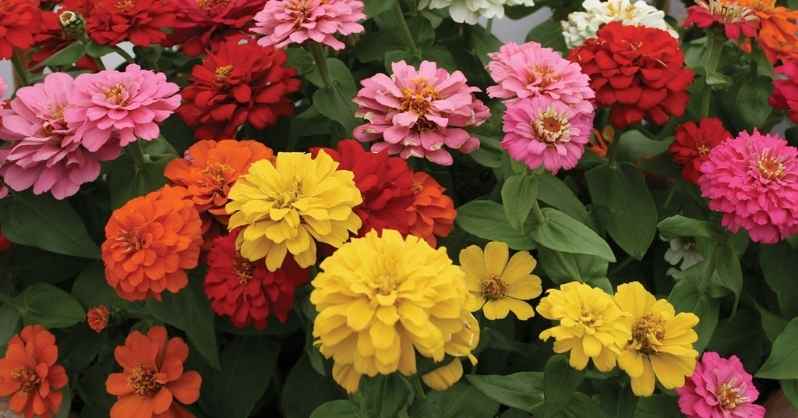
    Another highly prolific bloomer is the zinnia. This flowering plant is popular in annual gardens, as they thrive in full sun and when planted in well-drained soil. They attract pollinators very easily, especially butterflies. 

    They come in various shapes and sizes, from tall to bushy or to having a singular stalk. They are also available in multiple colors, such as pink, red and yellow, so no matter the shade of your knockout roses, you’re likely to find a zinnia companion for them!

    9. Petunias

    Petunias plant

    Scientific Name: Petunia exserta 

    Scientific Classifications:

    Kingdom:    Plantae

    Clade:    Tracheophytes

    Order:    Solanales

    Family:    Solanaceae

    Subfamily:    Petunioideae

    Genus:    Petunia Juss.

    One of our most favorite companions for knockout roses are petunias. These amazing flowers are vividly colored and bright, lighting up any garden in which they are planted. 

    Like roses, they love full sun, and rarely need much maintenance except weekly watering. They’re easy to grow and come in seemingly endless colors, so you’ll have a wide range to choose from!

    What Not to Plant Near Knock Out Roses

    So now you know what flowers to plant with your knockout roses. But what plants should you avoid? This is an important distinction to make. Although knockout roses resist disease more easily than other rose species, they do need some special conditions in order to grow and thrive.

    To begin with, knockout roses need a lot of space, so you should avoid planting them beside aggressive growers like wildflowers. Next, although roses love being deeply watered in the summer, they are still sensitive to wet feet. So don’t place them beside plants with moisture-retentive soil. You should also never plant them beside vegetables, as they will most definitely compete for moisture.

    With all that in mind, here are some plants not to plant beside your knockout roses.

    Hydrangeas

    The blue-and-purple beauty of hydrangeas may seem like a perfect visual companion to roses. However, because they need lots of moist soil, they will compete with your roses. Not to mention, hydrangeas love shade, and roses love sun!

    Fuchsias

    With their lively hanging blooms, fuchsias are undeniably beautiful. However, fuschias, like hydrangeas, require a lot of moisture and shade. And so, they’re incompatible companions for roses. 

    Shrubs and Large Trees

    We love a healthy garden with shrubs and trees. They look welcoming, and undeniably add dimension to any garden. However, shrubs and large trees require large amounts of water and nutrients, and planting them near knockout roses is a sure-fire way to keep them in the shade. 

    Instead, consider growing a compact hedge like boxwood shrubs. These can make your knockout roses look very elegant indeed.

  • What To Plant Along The Fence Line? Beautiful Fenceline Flowers & Shrubs

    What To Plant Along The Fence Line? Beautiful Fenceline Flowers & Shrubs

    Trees can make the environment so much better. It has functions ranging from beautification and making the world that much better to solving catastrophes like global warming and drought.

    So, planting trees has become a responsibility for us. And for that, one of the best spots is along the fence line. Today you will know what to plant along the fence line and why the fence line is a great spot for plantation.

    Why Go For Fence Line Plantings?

    Why Go For Fence Line Planting

    There are many good reasons why you should choose to plant trees along the fence line of your home out of all the other locations. 

    Protects privacy

    Plants along the fence line can strengthen the fence of your home and yard. They will block the view of your property from any outsider, including the passersby and the neighbors—giving you all the privacy you need.

    They can also play a role as the borders of your yards and home, making sure that no stranger is getting unknowingly. Overall, trees on the line of the fence are great for security and privacy purposes.

    Windbreaker

    One of the best windbreakers that you can get for your time and money are the plants you can grow on your fence line. They will protect your home and yard from the high-speed wind coming toward.

    They will also act as a guard against dust and unexpected chemical particles that will be coming with the wind—giving your home a much safer environment for you to be in.

    It needs no telling that the city roads are full of noise and racket. And plants along the fence line can hugely decrease that noise by blocking it. 

    Increases aesthetic appeal

    Last but certainly not least, plants can be an excellent adornment for your house and increase the aesthetics of your home to a great degree.

    However, the increase in aesthetic appeal is just the cherry on top when it comes to all the reasons that you might want plants along the line of your fence. There’s no reason why anyone would not want a house with privacy and beauty both.

    What Kind Of Plants Are Best For Fence?

    What Kind Of Plants Are Best For This Purpose

    There are many types of plants that you can choose from when it comes to planting on the fence line. Let’s discuss them now!

    Evergreens

    Evergreens are plants that can keep their leaves throughout the year. Most plants are based on seasons and usually shed their leaves in the winter. But evergreens don’t shed, rather keep their leaves growing and green under proper care.

    And that is why evergreens can be great options for the fence line. The green plants will keep the outlook of the home beautiful all around the year while providing security and privacy at the same time.

    On top of that, most evergreens don’t require a lot of effort for maintenance after the first year of them being planted. So, if you want some great-looking plants putting the minimal effort, they can be great options.

    A great example of an evergreen plant for fence lines would be the American or eastern arborvitae. They can go up to 15 feet tall and live for 100 years—both great for being planted along the fence.

    Deciduous trees

    By definition, deciduous plants have a tendency to fall off or shed, especially in autumn—which means it isn’t going to be bright and vibrant in all seasons. But they are still amazing options for the fence line.

    The main feature of deciduous plants is that they are flowering plants. So, so some of them will be keeping the sight of your yard and home as beautiful as ever—when the flowers sprout in seasons.

    Again, they are not too sensitive. This means they don’t require an unreasonable amount of caring; after they have been planted. This is a great plus for being planted on the fence line since you wouldn’t need to worry excessively about keeping it alive.

    One of the best examples of a deciduous plant for fence lines would be the red maple. As beautiful as the red foliage is, the plant growing from 40 to 70 feet tall and the root being shallow makes it even better for the fence line.

    Shrubs 

    Shrubs are much smaller than trees in size and have a lot of stems arising close to the ground, near the stem. They can be great decor for the fence or the boundary of your house if planted along the fence line.

    Shrubs come in many forms, some are flowering, and some are even evergreen—keeping your fence line vibrant. However, due to being shorter in length, it can’t provide any privacy or act as a windbreaker as good as longer plants can.

    But on the upside, you are surely getting a type of shrub that you might like due to having so many options. Some of them are low-maintenance, while some variants would require more attention. You can select as per your needs.

    Overall, a fine example of shrubs would be Jasmine. The flowers are beautiful, and the scent is even prettier. They can be great embellishments for your fence line while creating a demarcated boundary for your yard.

    Annual and Perennial flowers

    Annual plants are the plants that live for a single growing season, and perennial plants grow every year in spring. They are used in a combination in most cases since annuals have a longer blooming period when compared to perennials.

    There are many annual and perennial plants that you can choose from based on your liking and demands. They differ in lengths as well, so you can create a mix of short and tall variants if you want to beautify your fence further.

    Annual plants live for a year, while the perennials don’t have any specific lifespan. Some perennials like pepper plant live for 3 to 4 years, while others can live for as long as a lifetime. So, due to the difference in lifespans, the maintenance can get a little complex.

    An example of a perennial plant would be the climbing rose which can grow up to 12 feet tall. And a great annual plant is cathedral bells which can grow a 4 feet tall if cared for properly. The mix of lengths can make them even prettier.

    How to choose the right plants for your fence line

    Some factors to help you choose the fenceline plants are:

    Sunny or shaded

    If you want a sunny yard, you need to let the light come in. For that, either choose plants that are a little shorter in height if that is more convenient. Choosing plants that stay a little distant from each other will also help since light can get in through that space.

    On the other hand, if you want a shaded yard, go for the plants that are tall enough to not allow the light to get in too much. And choose the plants that can stay really close to each other without issues. 

    Height of the fence

    How tall your fences are also a big factor that you need to consider while planting trees along the fence line. If you have taller fences, you can accommodate larger plants there. 

    But, if your fences are not tall, you might not be able to plant larger plants even if you want to—limiting your options by a little bit.

    How To Care For Your Plants Once They Are Planted?

    How To Care For Your Plants Once They Are Planted

    How to take care of it is totally dependent on the type of plant you have chosen to plant. If you have shrubs or annual and perennial plants, it is highly dependent on the plant you have chosen. For that, you will have to do plant-specific research.

    Evergreen trees are better off under the sun during summer and shaded during winter. Regular mulching and watering are to be done, especially in the winter. Proper fertilizers and pesticides should be applied as per needs.

    Deciduous plants are not hard to maintain either. Regular watering and mulching seem to do the job. But it will vary hugely from tree to tree.

    Conclusion

    Now, you should be able to make the best and the correct decision for yourself when you are looking to plant some on your fence line.

    The options are limitless when it comes to selecting the plants. After all, it all boils down to your taste and preference.

  • 10 Popular Shrub Plants to Consider for Your Garden

    10 Popular Shrub Plants to Consider for Your Garden

    There is no doubt that greeneries and plants can completely change the look of a yard or lawn. However, considering the wide range of shrub options available to choose from, it can get a bit challenging as well as overwhelming to decide. 

    Some factors need to be considered when choosing shrubs for you to plant, whether in your front yard or back garden. Maintenance is a big part of planting shrubs and is one of the greatest factors you need to consider if you want your landscape to outshine that of your neighbor. 

    Fortunately for you, we have accumulated a list of examples of shrub plants that are most popular nowadays and how they will help you decorate your landscape. So, keep on reading! 

    What Are Shrubs? 

    What Are Shrubs

    In many cases, shrubs and bushes are used interchangeably, as there are no distinct differences that differentiate between shrubs and bushes.  However, if you were to define shrubs, they are essentially woody plants with numerous perennial stems but having only one single root. 

    Due to one root serving as a base of the plant branches out into several stems, it cannot be divided. According to horticulture, shrubs tend to hold their structure all year round, which is a great thing if you want your landscape to look fresh every day of the year. 

    Shrubs tend to be smaller than trees, usually less than 13 feet in height, and lay near the ground in most cases. 

    How to Design Your Garden with Shrubs with Creative Ideas

    How to Design Your Garden with Shrubs with Creative Ideas

    When positioned correctly, shrubs can radically transform the appearance of your garden or landscape. Let’s explore some creative ways shrubs can be used to decorate your garden. 

    Layered textures and colors

    Shrubs can be of different sizes and colors when fully grown. After you have analyzed your landscape area, you can use an array of different shrubs of varying sizes and colors to achieve a layered look.  Layering shrubs gives a much more luscious appearance. 

    Once different sizes and color of shrubs have fully grown, they will appear natural and resembles what you would see while wandering through the woods. This is likely to amaze anyone who walks through! 

    Using Shrubs as fences

    Utilizing shrubs and using them as fences is quite common and very popular for a reason because they look simple yet elegant. You can use them to demarcate paths or perhaps even serve as dividing fences between various spaces. This separates your environment while maintaining an organic and lush aesthetic.

    Moreover, adding flowering shrubs of different colors as a fence can be quite visually appealing and also make your garden stand out in the neighborhood. Using a monochrome color palette can produce the best results in this case. 

    Accentuate features

    Shrubs are great for accentuating focal points and features. If you have a walkway to your garden or have a fountain in your garden, using smaller shrubs to outline the areas will help build a more dynamic and appealing look. 

    You can also use vine-like shrubs to integrate outside features into your garden to give it a more holistic look. For example, outlining lamp posts with shrubs and vines is one way to do this. 

    Popular Shrub Plants for Your Garden

    Popular Shrub Plants for Your Garden

    It’s easy to get overwhelmed when you are presented with a wide variety of options to choose from. Hence, we have accumulated a list of the most popular shrub plants that are bound to make your garden aesthetically pleasing. 

    Aucuba

    Aucuba plant

    This widely used foliage plant is a broad-leafed evergreen shrub that should be grown in partial to full shade. It is because the leaves tend to burn in summer and lose their color in winter with full exposure. 

    Although these shrubs can be grown in a variety of soil types, however, they thrive best in moist, organically rich soil. Aucuba produces small, red, shiny fruits that mature in the fall season. 

    Blackberry

    Blackberry plant

    These shrubs are not only aesthetically pleasing but also produce abundant fruits rich in antioxidants. They are easy to grow, and you will only need to ensure that they get plenty of sunlight and are planted in well-drained fertile soil with a pH level of 5.5 to 6.5. 

    Blackberries are definitely a must-have shrub plant to have in your garden, especially if you’re a fan of blackberry pies and jams!

    Camellia

    Camellia plant

    Camellias are large evergreen shrubs that are widely popular for their exquisite blossoms, which come in a variety of hues from white to pink and scarlet. These shrubs can be planted at any time of the year, but they require organically rich soil. 

    Their growth rate is slow, and they flourish and blossom at their finest when shielded from the sun’s rays and drying winds.

    Butterfly Bush

    Butterfly Bush plant

    These shrubs are a perennial favorite among gardeners due to their vibrant flowers. They get their name from their ability to entice a wide range of insects but especially butterflies. 

    The peak bloom time for the flowers in July and August, which are full of nectar and have a pleasant aroma. They are inherently tough plants and survive in most conditions but require well-drained soil. 

    Weigela

    Weigela plant

    Weigelas are bushy deciduous shrubs with elegant, ovoid leaves with vibrant tubular flowers and come in varying sizes and hues. They are simple to cultivate and don’t need much upkeep. 

    The leaves of some have extraordinary color, which heightens the shrub’s summer allure. They make great options for shrub borders! 

    Manzanita

    This native northern Californian shrub resembles a small tree and has a visually striking appearance with its mahogany-colored bark. The branches grow in a unique vine-like way and are quite easy to spot with their signature deep red marks on their barks. 

    These flowers are cup-shaped and dangle upturned, while the fruits are white but turn red or brown as fall approaches. 

    Yarrow

    Yarrow plant

    Yarrow shrubs have a long history. Named after the legendary Greek warrior Achilles, these shrubs are prized for their multicolored blossoms. Yarrow flowers are known for their medicinal properties; however, their sap can cause allergic reactions in some people. 

    When kept in moist soil, Yarrows are vulnerable to Alternaria blight and root decay. These shrubs should be planted in dry, nutrient-deficient soil that receives direct sunlight for longevity.

    Bougainvillea

    Bougainvillea plant

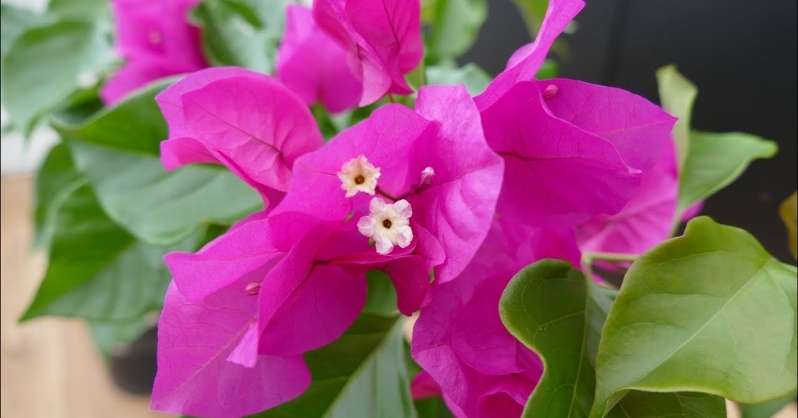
    Bougainvillea is a tropical woody shrub that is evergreen and widely recognized for its ‘flowers,’ which are modified leaves. They are incredibly drought-resistant and do well in nearly any soil condition that isn’t always wet. 

    In fact, they require continuous sunlight and well-drained soil with a pH of over 6.0. 

    Ixora

    Ixora plant

    Ixora is also tropical to semi-tropical shrubs that grow in warm climates. Its signature feature is its bulb of vibrant florets, which are widely seen in summer but can bloom all around the year as well. The best part about these shrubs is their extremely low maintenance needed. 

    Jasmine

    Jasmine plant

    If you’re a fan of aromatic scents, then Jasmines are a must-have for your garden. Outlining the walkways of your gardens will make them rich in fragrance. All jasmines prefer warm conditions and full sunlight to light shade. They thrive in common garden soil with average soil fertility and moisture levels.

    Common Issues with Shrubs

    Common Issues with Shrubs

    Maintenance

    For both initial planting and ongoing maintenance, various shrubs have a multitude of planting requirements that must be satisfied. Even though they are appealing and resourceful, maintaining them can be quite expensive.

    Vulnerability to insects

    Many flowering shrubs are full of nectar which lures in a variety of insects, making them extremely susceptible to various diseases. For example, Lace bugs grow on the underside of leaves, sucking them dry and eventually killing them. 

    Aphids, most commonly known as plant lice are another common insect that feeds on plant sap and stunts growth. They cause the deformation of leaves, buds, and stems damaging the shrubs in the process. 

    Plant disorders

    Shrubs can be vulnerable to various disorders if their maintenance is neglected. For example, Leaf spots can be seen quite commonly by affecting the process of photosynthesis, which can eventually lead to leaf loss. 

    Fungal disorders caused by bacteria such as Blight are another major issue. If left unchecked for prolonged periods, it can lead to the death of the plant. 

    Reasons to include shrubs in your landscaping 

    Apart from the aesthetic purpose, shrubs can have other benefits as well. Let’s explore the reasons why you should include shrubs in your landscaping. 

    Borders and Privacy

    When planted properly and strategically, a layered shrub structure can provide you with ample privacy from any nosy neighbors. In addition, it will also beautify your landscape borders, making them visually appealing from the outside. 

    Moreover, you get to enjoy your morning coffee in nature without being interrupted by any neighbors!

    Purifies air and aids in fighting off stress

    Shrubs can assist in air filtration by trapping toxic pollutants, instantly enhancing the quality of the air you breathe in. Additionally, surrounding yourself with nature can help your de-stress easily as we tend to seek solace in nature as a coping mechanism. 

    Increase re-sale value of property

    If you’re looking for a long-term benefit then it lies in the value of your property that consists of shrubs. Since some shrubs may be rare and can take a while to attain their full size, hence some species are especially prized. 

    Therefore, a household with established shrubs and trees can increase the value of the overall property by 5% to 20% higher in comparison to their barren counterparts.

  • Best Plants to Pair with Canna Lilies | Make Your Garden Gorgeous!

    Best Plants to Pair with Canna Lilies | Make Your Garden Gorgeous!

    You can plant small bright tropical plants and ferns with your canna lilies. Just make sure that the plants you are planting are working to glorify the canna lilies and the overall beauty of your garden.

    But finding proper companions for these tropical flowers can be a bit confusing. There are a lot of options, and randomly selecting some won’t give you the aesthetic output that you hope to see.

    But don’t worry, because, in this guide, we will go through in-depth details on what to plant with canna lilies, some potential companions, and design ideas. You can adapt, find a few common issues and their solutions, and more.

    Some Potential Companion for Canna Lilies

    To understand what you should plant with your canna lilies, it is important that you find out the size of your canna lilies first. As mentioned earlier, canna lilies can be in three different sizes tall, medium, and small. Tall and medium is most common, but you can find small ones too. 

    Do keep in mind you want to show off your canna lilies as much as possible. So you will need to find companions that will provide more depth and divert focus to the massive & beautiful paddle-like leaves of canna lilies. Azucena can be a good option as it’s from the

    Along with that, canna lilies will be around four to six feet tall if you are going with the tall and medium options. So, to complement all these factors, you can go with ornamental grasses along with a few asparagus ferns.

    To bring out the colors, you can go with small but colorful bush-like flowers and plants with lush and beautiful multicolored leaves, or you can go with tropical green plants that can work too. 

    Based on this information, some great potential companion canna lilies can be the following:

    Impatiens

    Impatiens plant

    Scientific Name: Impatiens scapiflora

    Classifications:

    Kingdom:    Plantae

    Order:    Ericales

    Family:    Balsaminaceae

    Genus:    Impatiens L.

    When it comes down to canna lilies, you can’t go wrong with impatiens. These small flowers will bring cheer and brightness to any part of your garden. We recommend you grow them around canna lilies for maximum beautification effect.

    Begonias

    Begonias plant

    Scientific Name: Begonia obliqua

    Classifications:

    Kingdom:    Plantae

    Order:    Cucurbitales

    Family:    Begoniaceae

    Genus:    Begonia L.

    Begonias are bush-like tropical houseplants that can add color to even the darkest part of any garden. They bring out the beauty of canna lilies and go well with any variant of the plant. We suggest you pick wax begonias or angel wing begonias with canna lilies.

    Caladiums 

    Caladiums

    Scientific Name: Caladium schomburgkii

    Classifications:

    Kingdom:    Plantae

    Order:    Alismatales

    Family:    Araceae

    Subfamily:    Aroideae

    Tribe:    Caladieae

    Genus:    Caladium

    Canna lilies and caladiums are a great combo that can go with small plants like impatiens or begonias. The multicolored heart-shaped leaves of the plant will bring more depth and beauty to your garden than no other plant can. 

    If you want to add color to your canna lilies garden, then they are arguably one of the best choices out there.

    Elephant Ears

    Elephant Ears Plant

    Scientific Name: Colocasia esculenta

    Classifications:

    Kingdom:    Plantae

    Order:    Alismatales

    Family:    Araceae

    Subfamily:    Aroideae

    Tribe:    Colocasieae

    Genus:    Colocasia

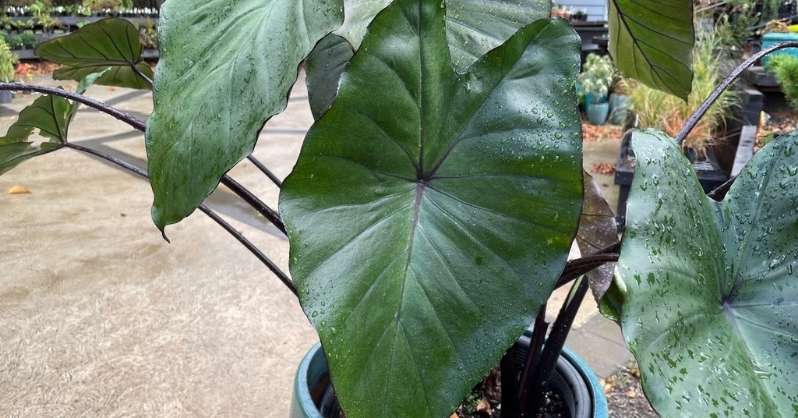
    Now, if you don’t want to go with multi-colored leaves but instead want to enjoy a green bliss, then elephant ears are the best complimentary plant for canna lilies. Their leaves are more sought after than their flowers, but the flowers can add that bit of depth that brings up the aesthetic level to a higher plane. 

    Knockout Roses

    Knockout Roses plant

    Scientific Name: Rosa Knock Out

    Classifications:

    Kingdom:    Plantae

    Order:    Rosales

    Family:    Rosaceae

    Genus:    Rosa

    Species:    R. Knock Out

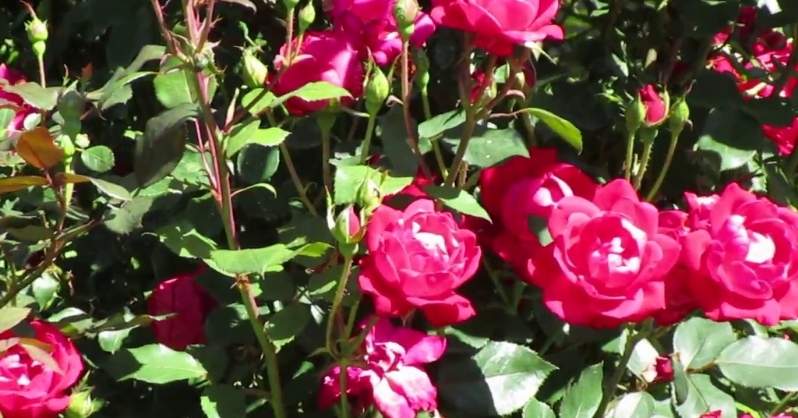
    For bright red color and its other variants, you can’t go wrong with knockout roses. They are easy to grow and maintain. And when they properly bloom, their fragrance & beauty combined with canna lilies are unmatchable. 

    Creative Design Ideas for Incorporating Canna Lilies into Your Garden

    Creative Design Ideas for Incorporating Canna Lilies into Your Garden

    Now that you have an understanding of what types of companions you should get for your canna lilies, let’s take a look at some design ideas that you can opt for:

    Play with Bright Colors

    If you are building a tropical garden with canna lilies, then you must go with a bright color option. Mixing up different colors will certainly be pleasing to them, and the boldness will bring the best out of your canna lilies.

    One thing that you should keep in mind is not to pick colors that overpower your canna lilies. Otherwise, you won’t be able to showcase your beautiful canna lilies in your garden.

    Mixing Different Heights

    For this type of design, you should go with tall canna lilies. You can also make it more interesting by going with different colors and sizes of canna lilies. For example, tall red canna lilies with medium blue canna lilies. 

    You should pick companions of different sizes as well. But make sure they are not taller than your tallest canna lilies as it will be disturbing to look at.

    Water Beds

    Some variants of canna lilies grow extremely well with water beds, and you can add them to your garden to bring that tropical vibe. The water bed will be the biggest attraction, and other plants and flowers should complement it.

    Dramatic Foliage

    For a tropical feel, large leaves are a great addition. And canna lilies look best with green and multicolored leaves together. Elephant ears are the best if you want the lush green feel. But if you plan on multicolor, caladiums can be a great option.

    Use Containers

    You can also plant your flowers and canna lilies in containers and mix them up together. For small gardens, this design works the best as you can utilize the height of canna lilies to bring out the beauty while not wasting any space.

    And there you have it; these are some ideas that you can incorporate into your garden. Do keep in mind that you can always mix a few ideas together and get a better output than just going with a single design.

    Common Issues with Canna Lilies and How to Solve Them

    The most common issues of canna lilies are:

    • Pest Infections
    • Leaf rollers, slugs & snails, aphids
    • Diseases
    • Botrytis blight spotted wilt virus & mosaic viruses
    • Soil Drainage & Water Retention Issues
    • Not having the right soil type and irregular watering

    To solve these problems, you can do the following:

    Use insect and pest control sprays. The amount and the number of times you should use it depends on the type & size of your garden.

    Keeping the garden healthy will counter most diseases but if you spot early signs of any disease, get rid of that plant immediately before it starts to spread. 

    Check the soil drainage capability and if you don’t meet the requirements for your garden, change the soil immediately or change the type of plants that you are using with your canna lilies.

    Lack of proper fertilization can also be the reason behind the mentioned issues. Grooming and pruning can also stop the spread of insects and diseases.

    Should You Propagate Canna Lilies from Seed or Rhizomes? 

    You can propagate your canna lilies from seeds or rhizomes. But in our opinion, we prefer propagating with seeds rather than rhizomes. But it ultimately comes down to your decision and which route you want to take.

    The advantage with rhizomes is that you will get an exact replica of the parent plant. So, if you have picked a bold and healthy canna lily then you can be sure of the fact that you will get the same canna lily after propagating.

    On the other hand, seeds are the byproduct of two canna lilies. So, if you are getting seeds from two healthy and beautiful canna lilies then you will have both of their features and a completely new plant after propagating.

    This method is also safe and requires no additional work rather than planting the seeds. That’s why we prefer propagating with seeds over rhizomes. It is safer and offers more versatility. 

    But if you want to go old school, then you can always go with propagating with rhizomes option.

  • 5 Short Day Plants That You Can Grow in Your Garden

    5 Short Day Plants That You Can Grow in Your Garden

    Short day plants flower when the day length is shorter than a certain critical duration. This typically occurs in late summer or early fall in temperate latitudes. 

    Despite their name, these plants are not limited to any one duration and can flower over a range of durations according to the species and environmental conditions. 

    Some notable short day plants include chrysanthemums, poinsettias, lilies, and snapdragons. While there are many different types of long night plants, they all have one thing in common: they need a specific daylight length to initiate flowering.

    5 Short Day Plants That You Can Grow in Your Garden

    What Are Short Day Plants?

    What are Short Day Plants

    Short day plants are plants that flower only when the night is longer than the day. This can be due to the plant’s natural inclination or it can be induced by manipulating the length of the night with artificial light. Common short day plants include poinsettias, Christmas cactus, and cyclamen. 

    By manipulating the length of the day, growers can force plants to flower out of season. That applies for both short and long day plants.

    This can be useful for growers who want to have flowers available year-round or who want to produce specific flowers for holidays or other occasions. While short-day plants are commonly grown indoors, they can also be grown outdoors in areas with longer nights.

    Chrysanthemum

    Chrysanthemum Plant

    Scientific Name: Chrysanthemum indicum

    Classifications: 

    Kingdom:    Plantae

    Order:    Asterales

    Family:    Asteraceae

    Subfamily:    Asteroideae

    Tribe:    Anthemideae

    Genus:    Chrysanthemum

    Species:       Chrysanthemum Indicum

    The chrysanthemum, often called the “mum,” is a short-day plant. This means that it requires short days and long nights in order to bloom. In the autumn, as the days grow shorter and the nights grow longer, mums begin to produce flowers. 

    The flowers of the chrysanthemum can be white, yellow, pink, red, or purple, and they are often used in bouquets and arrangements. Chrysanthemums are also a popular choice for adding color to fall gardens. 

    While they are thought of as a fall flower, mums can actually be planted in the spring or summer. They just need to be kept in an area with short days and long nights in order to bloom.

    Poinsettia

    Poinsettia Plant

    Scientific Name: Euphorbia pulcherrima

    Classifications:

    Kingdom:    Plantae

    Order:    Malpighiales

    Family:    Euphorbiaceae

    Genus:    Euphorbia

    Species:    E. pulcherrima

    The poinsettia is a well-known holiday plant, best known for its large, brightly-colored leaves. Originating in Mexico, the poinsettia was first introduced to the United States in the early 1800s by Joel Roberts Poinsett, after whom the plant is named. 

    While the vast majority of poinsettias on the market are red, the plant actually comes in a range of colors, including white, pink, and purple. Regardless of its color, the poinsettia is sure to add a touch of holiday cheer to any home.

    Violet

    Scientific Name: Viola Reichenbachiana

    Classifications: 

    Kingdom:    Plantae

    Order:    Malpighiales

    Family:    Violaceae

    Subfamily:    Violoideae

    Tribe:              Violeae

    Genus:    Viola

    Species:    Viola odorata

    The violet is a delicate flower that has been associated with royalty and nobility for centuries. With its rich purple color and sweet fragrance, the violet has long been prized for its beauty. 

    Today, violets can be found in gardens all over the world. They are relatively easy to grow and make a lovely addition to any landscape. Although they are commonly thought of as being blue, violets actually come in a range of colors, from deep purple to pale lavender. My personal favorite is the rare African violet as their purple shade looks exquisitely beautiful.

    No matter what their shade, violets are sure to add a touch of elegance to any setting.

    Kalanchoe

    Kalanchoe

    Scientific Name: Kalanchoe blossfeldiana

    Classifications: 

    Kingdom:    Plantae

    Order:    Saxifragales

    Family:    Crassulaceae

    Subfamily:    Kalanchoideae

    Genus:    Kalanchoe

    Kalanchoe is a flowering succulent plant that is native to Madagascar. The flowers are red, orange, or yellow, and they appear in clusters on the tips of the plant’s leaves. 

    It is a popular houseplant, and it is also used in folk medicine. The plant has traditionally been used to treat wounds and bruises, and it is also believed to have anti-inflammatory properties. 

    Today, kalanchoe is still used in traditional medicine, and it is also being studied for its potential role in cancer treatment. In addition to its medical uses, kalanchoe is also grown as an ornamental plant. 

    It is low-maintenance, making it an ideal choice for those who want to add a bit of color to their home without having to put in too much work. 

    Salvia

    Salvia Plant

    Scientific Name: Salvia officinalis

    Classifications: 

    Kingdom:    Plantae

    Order:    Lamiales

    Family:    Lamiaceae

    Subfamily:    Nepetoideae

    Tribe:    Mentheae

    Genus:    Salvia

    Species:   Salvia officinalis

    It is also known as sage, and it has a long history of being used for culinary and medicinal purposes. The leaves of the salvia plant are used to flavor food, and they can also be made into tea. 

    Salvia has a number of health benefits, including the ability to improve digestion, relieve stress, and boost cognitive function.

    Green onions

    Green onions plant

    Scientific Name: Allium sativum

    Classifications: 

    Kingdom:    Plantae

    Order:    Asparagales

    Family:    Amaryllidaceae

    Subfamily:    Allioideae

    Tribe:              Allieae

    Genus:    Allium

    Green onions, also known as scallions or spring onions, are a type of onion that is harvested while the bulb is still small. The entire onion, including the green tops, is edible and can be used in a variety of dishes. 

    Green onions have a milder flavor than mature onions, and their delicate texture makes them a perfect addition to salads and stir-fries. When shopping for green onions, look for bulbs that are firm and free of brown spots. The tops should be bright green and perky.

    Soybean

    Soybean Plant

    Scientific Name: Glycine max

    Classifications: dit

    Kingdom:    Plantae

    Order:    Fabales

    Family:    Fabaceae

    Subfamily:    Faboideae

    Genus:    Glycine

    Species:    G. max

    In order to flower, a soybean plant needs to receive at least 12 hours of daylight. However, it can also flower when it receives less than 12 hours of daylight if the temperature is warm enough. Once the plant flowers, it will produce pods that contain soybeans. 

    These beans can be used to make a variety of food products, including tofu and soy milk. Soybeans are a type of legume, which means that they are able to fix nitrogen in the soil.