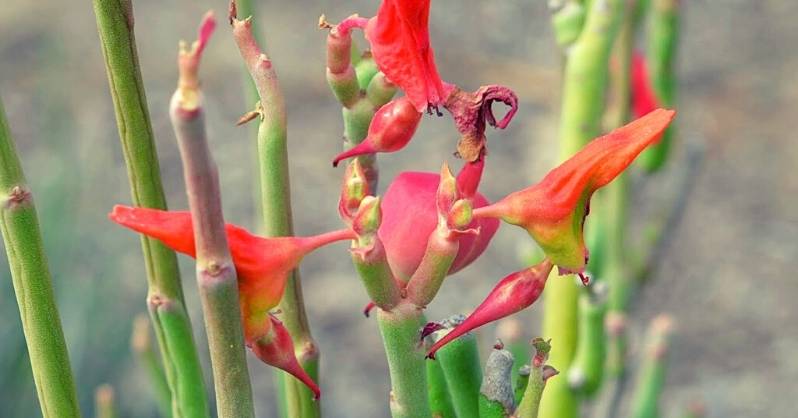
Also known as the slipper plant or the Tropic-Trillo, the Pedilanthus Bracteatus is a succulent plant that can brighten up any hot summer environment without much effort.
Yet, it’s rarely found because not many gardeners bother to know about it. Although it’s a relatively easy plant to grow, you may find its cultivation difficult if you don’t know the right methods.
Here, we’ll discuss how to grow Pedilanthus Bracteatus in detail.
Overview of the Plant
Native to the Caribbean Basin and Mexico, the Pedilanthus Bracteatus is a succulent plant that can grow to be four feet in width and eight feet in height. The plant branches from the very beginning, so each branch of it looks like a separate plant.
The branches are rather thin, and they branch further off after a certain height. It’s got green stems, and they also bloom with red flowers in the summer and spring.
It may also have leaves that grow to be up to four inches in length. However, the leaves start to shed as the climate gets cooler. Also, when the leaves are shed, the plant looks a lot similar to a thornless Ocotillo.
Overall, it’s a great choice for those who want to add some verticality to their garden.
Care Guide
The Pedilanthus Bracteatus is a perennial plant, and it doesn’t care much about the soil it’s planted in. This gives the gardener the flexibility to plant this in soil with any pH level. Also, the soil bed must have a good drainage system capable of preventing water clogging.
These plants require full sun to bloom the beautiful red flowers in summer and spring. The more sunlight you expose it to, the more flowers it’ll produce.
It’s a succulent plant, which means it’s rather fleshy inside and can store a lot of water. So, it shouldn’t be planted in wet soil as the plant won’t intake much water. This will lead to muddy water as well as root rot and fungal infection.
This plant can thrive even in the desert, and by that, you know it doesn’t require much watering. It’ll be enough to water this 3-4 times a month. In fact, even if you don’t water it, it’s likely to grow just as well because it’s drought tolerant.
You won’t have to fertilize it. As a desert-dweller, this plant can thrive in soil with low nutrients.
One of the best things about the Pedilanthus Bracteatus is its temperature tolerance. You already know that it’s a desert-dweller, so it can tolerate hot and humid climates.
However, it’s also very good at tolerating cold. It can survive in a climate that gets as close as minus 20 degrees. Also, it’s drought-tolerant, so humidity doesn’t affect its growth at all.
Pests And Diseases
These plants are very hardy, so they rarely have any pests and diseases. However strong they may be, overwatering can lead to root rot as well as fungal outbreaks. So, refrain from watering it often.
Also, some of the more common bugs, such as spider mites, white flies, or mealy bugs, may attack these plants if uncared for. You can prevent these easily by using regular garden pesticides.
What are the Uses of this Plant?
Pedilanthus Bracteatus aren’t particularly useful. Even then, there are two ways these plants can help you. These are discussed as follows.
Vertical Accentuation
If you want to add some high vegetation to your garden, then these plants may be a good choice for you. These plants can grow up to eight feet in height, and they are quite wide as well. So, you’ll be able to cover a lot of ground with only a handful of these.
Water-Friendly Landscaping
Moreover, Pedilanthus Bracteatus doesn’t require much water for cultivation or growth. Watering these only thrice or four times a month will be more than enough to help these mature.
This is why these are considered one of the best choices for water-friendly landscaping. This means that by cultivating these, you’re actually participating in making the world a greener place.
Is it Toxic?
These plants are rather fleshy inside. They store water, and through different chemical reactions, they produce milky white saps. Upon contact, these saps can cause skin irritation and may upset your stomach upon consumption.
Not only human beings but also animals may be affected by these saps. So, we don’t recommend planting these if you have a pet dog or cat.
Is it Drought Tolerant?
Yes, it’s a drought-tolerant plant. The Pedilanthus Bracteatus plant originates from regions with high temperatures and humidity, and they can also survive very well in the desert. So, planting these may be a good idea if you’re short of water, as they can survive very well without any, thanks to their succulent nature.
How Big does it Get?
A mature Pedilanthus Bracteatus can grow up to eight feet in height, which is rather big considering the stems aren’t that thick. Also, each plant branches off and spreads up to four feet in width.
Conclusion
The Pedilanthus Bracteatus is a perennial plant that can grow and mature without much maintenance. They can be planted almost anywhere in the world, will let you add some vertical accents to your garden, and are considered eco-friendly.
So, unless you have kids or pets in your home who may be vulnerable to the toxicity of these plants, you may benefit from planting these.
Artichokes are part of the thistle family and are known mostly as a very healthy vegetables. If you haven’t studied much botany, then it’s very normal for you to not know what kind of plants artichokes are.
As these plants can seem to be very hardy, you might wonder are artichoke plants perennial? Today, we are going to be answering that question and along with that, we will also be providing a reasonable explanation for you. We also have to let you know about this plant’s uses, so let’s quickly get into the real discussion!
Why Are Artichoke Plants Perennial?
For a plant to be considered a perennial it needs to have an average lifetime of more than 2 years. Turns out that when grown in the right climate artichoke plants can live as much as 6 years. During early spring, these plants grow rapidly to a decent size.
Plants that do not have woody growth also often fall in the perennial category, and since artichokes don’t have woody stems, they can be called perennials just like pepper and mint are perennials. These plants aren’t tall at all, they usually grow only up to 3 feet in height, and have a diameter of about 7 inches.
What are the Uses of Artichoke?
It has been proven that artichokes are beneficial plants in many ways that you may not have known before. Below, we have discussed some common uses of artichokes.
Can be Eaten as a Regular Dish
Artichokes have been eaten as vegetables from the time of Romans till now. They actually can be a great side vegetable dish because they have a slightly nutty taste and can be used as an alternative for asparagus. Most importantly, there are many great nutrients that you get by eating this vegetable.
Used as Garden Ornaments
Although this plant is usually harvested for its vegetable, it also blooms these beautiful purple flowers. These distinctive flowers can make your garden look more gorgeous, so you should consider planting artichokes.
Helps Treat Many Health Issues
Some studies have shown that artichoke may help with liver issues, and can make a substantial improvement with cholesterol problems as well.
Artichoke extract is sometimes ingested by patients dealing with indigestion problems and nausea. It is supposed to help in reducing stomach aches, nausea, and vomiting.
Mint is one of the most popular herbs, and they are used in many different things from cooking to making home remedies. Have you ever wondered what kind of plants mint plants are? There are some characteristics of mint plants that indicate that they may be perennials. So, are mint plants perennial? Yes, they are!
In this article, we are going to be elaborating on the answer to this question, and we will also be looking at all the different uses of mint. Without further ado, let us get into discussing why are mint plants perennials.
Why Are Mint Plants Perennial?
So that we can go into explain why mint plants are perennials, you will have to know what perennial plants are. A plant that can live over 2 years can be classified as a perennial plant. The term perennial essentially means ‘through the years’ so it is a word to describe plants that aren’t short-lived.
Since mint plants live for about 5 to 10 years on average they can easily be classified as perennials. Mint plants will especially live a very long life if they are potted, and taken care of. Like other perennials like artichoke, mint is quite easy to grow and has the tendency to overgrow at times.
The plant becomes dormant during winter, but it still stays very much alive. There are many variations in mint plants, and all of them are perennials.
What Are the Uses of Mint?
As you know, mint is a very useful herb, and is used in households across the world for a variety of reasons.
Food and Drinks
Mint adds a very refreshing taste when added to dishes. You can chop some of it and add it to a salad or even add it to your curry dishes for a unique flavor. Summer seems to be incomplete with cooling mint drinks. This herb makes cold mojitos taste even more refreshing on a hot summer day!
Mouth Cleaning Products
The cooling sensation from natural mouthwashes comes from the mint in them. They are great for freshening up your breath and making you smell clean.
Hair and Skincare
A lot of shampoos that leave a cooling effect on your scalp have mint ingredients in them, and you may use them to condition your hair as well. Companies also add mint to some skincare products to make your face feel fresher after your care routine!
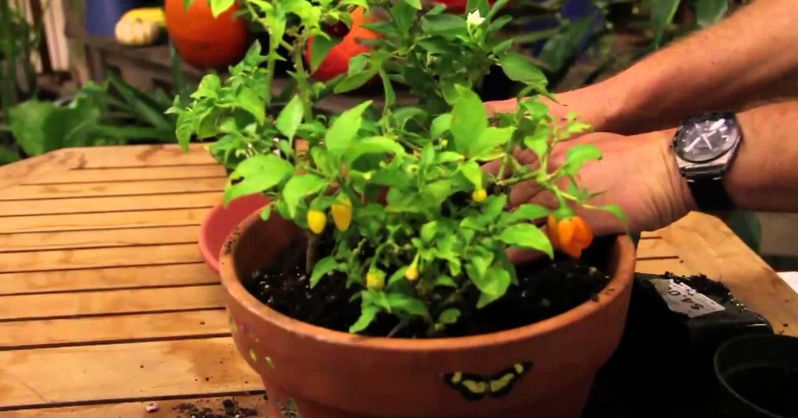
Could pepper plants be perennial? Yes, they are an excellent example of perennial plants. In cold regions, they are mostly grown as annuals, even though they are perennials.
Do perennial pepper plants have a chance of growing in countries like the United States and the United Kingdom? Yes, they do.
We’ll discuss the topic in detail below for you.
Are All the Pepper Plants Perennial?
Many people wrongly assume that pepper plants are annuals. But in reality, they are perennials.
The reason behind the misconception is that most people only grow pepper plants for a single season, as they are not usually winter hardy in most regions. However, in warm regions, you can treat them as perennial without any issues.
That said, with proper care and protection, your pepper plants can survive for many years, even in cold regions. We’ll discuss more about that in our article.
How to Grow Pepper Plants in a Warm Climate
There are lots of perks of living in a warm zone if you love gardening. And if you want to grow pepper plants, then you won’t have to do any extra tasks to treat them as a perennial.
Now, the first thing you need to do is find some good and healthy seeds. Make sure the plant seed is insect resistant.
Next, you have to place them on the ground. There’s no need to use a pot or anything. Make sure there’s a good amount of spacing between the seeds. Ideally, it should be 18 inches.
Remember that they will be a minimum of 6 hours of sunlight. So, you have to keep them in place from where sunlight is easily accessible. If something is blocking the sunlight, remove it. Otherwise, you won’t get the desired results.
Another thing you will need to plant alongside the seed is a stake. It will be there to support the plant. One thing that bothers gardeners constantly is weeds. So, it’s better if you take some precautions against it.
For that, you can create a layer of mulch to ensure weed can’t grow properly. A 3-inch layer should do the job. It will also help with preserving the moisture for the plant.
The following steps are regular and nothing extraordinary.
Just like any plants, you’ll need to water them constantly. The fertilizer you use should be an all-purpose one. But don’t use them before you see the flowering on the plant.
What if I’m not Living in a Warm Climate
If you’re not living in a warm zone, you can still grow them as perennials with the help of overwintering.
But what is overwintering?
It’s a process of preparing your plant for the upcoming winter months. For this, you may need to bring the potted plants indoors and apply mulching around the base of trees and shrubs. You might even need to wrap tender vines in burlap.
The ultimate aim is to protect your plants from the cold in winter, as the cold winter can damage them or cause them to die.
What’s the Advantage of Overwintering
There are numerous advantages of overwintering, which we’ll list below for you.
You can grow pepper plants for longer
You’ll get an early start
Helps in dealing with pests and diseases
No need to buy new plants for the new season
How to Grow Pepper Plants as Perennials with the Help of Overwintering
Uprooting pepper plants from the ground and potting them into the containers has a high chance of failure. Instead, you should try to work with the pepper plants that you’re already growing in the pots. That way, you’ll be able to avoid the unnecessary complications of dealing with roots.
Next, you might need to work on a bit on the length of the plants so that they become the right fit for the indoor space. Getting too big a plant can look odd in the room.
Regarding the place, keep the pepper plants where they’re not affected by the freezing temperature. It’s not like you have to keep them right beside the fireplace, but don’t keep them where they’re in direct contact with the frost. If you have conservatory, that would be perfect.
How often should you water them?
Unlike in the warm zones, here you won’t water them regularly. In fact, you won’t water them unless they’re on the verge of drying.
How do you resurrect these pepper plants?
It’s easy. About 45-50 days earlier of the final frost date, you’ll need to shift them to a new pot with multipurpose compose mixed. Then, you need to cut down on the old medium for about 3 inches. In the next step, you’ll need to shift it again to a bigger pot with fresh compost.
Then you wait for some signs of regrowth. Once you see that happening, start watering them more. Finally, move them out in the open space.
Do you like plants that come back year after year without having to replant them?
If so, you’ll love perennial plants! Perennials are a great way to add some color and life to your garden without too much effort.
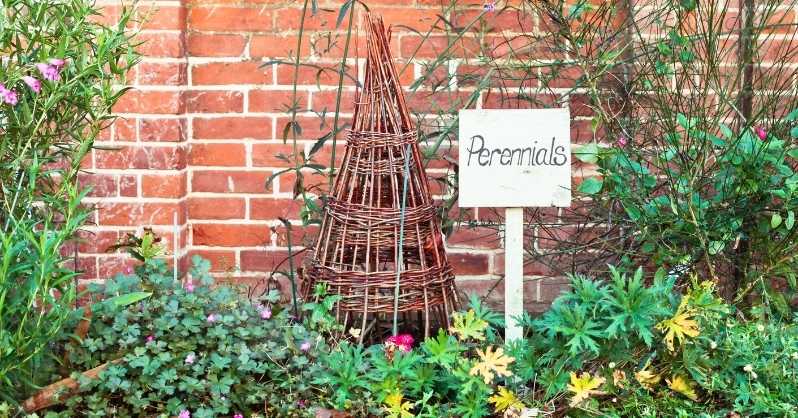
There’s nothing quite like the sight of a beautiful perennial garden full of brightly colored flowers that seem to last forever. Here are just a few kinds of perennial plants that can brighten up any garden:
What Are Perennial Plants
A perennial plant is one that lives for more than two years. This is in contrast to annual plants, which live for just one growing season before dying, and biennial plants, which take two years to complete their life cycle.
Perennial plants are an important part of many gardens, as they provide a year-round dramatic display of color and texture. Some popular perennials include Amsonia, daylilies, Baptisia, and Foxglove.
Perennials can be either herbaceous or woody, meaning they have either non-woody stems (herbaceous) or woody stems (woody).
Herbaceous perennials die back to the ground each winter and resprout in the spring.
Woody perennials, on the other hand, retain their above-ground growth each year (although this growth may be dormant during the winter months). As a result, woody perennials are often used as foundation plantings or as accent plants in landscaping design. Also, many don’t know that pepper plants can be grown as perennial provided the right growing condition is present for the plant.
1. Amsonia
Scientific Name: Amsonia tabernaemontana
Classifications
Kingdom:Plantae
Order:Gentianales
Family:Apocynaceae
Subfamily:Rauvolfioideae
Tribe:Amsonieae
Genus:Amsonia
Amsonia is a genus of flowering plants that includes about 24 species. The plants are native to North and South America, and they are most commonly found in woodlands and prairies. Amsonia flowers are small and blue, and they typically bloom in the spring.
The plants are relatively easy to care for, and they are often used as ornamental plants in gardens. Amsonia is also known as Bluestar or dogbane, and it is sometimes confused with the similar-looking perennial hibiscus.
2. Floss Flower
Scientific Name: Ageratum houstonianum
Kingdom:Plantae
Order:Asterales
Family:Asteraceae
Genus:Ageratum
Species:A. houstonianum
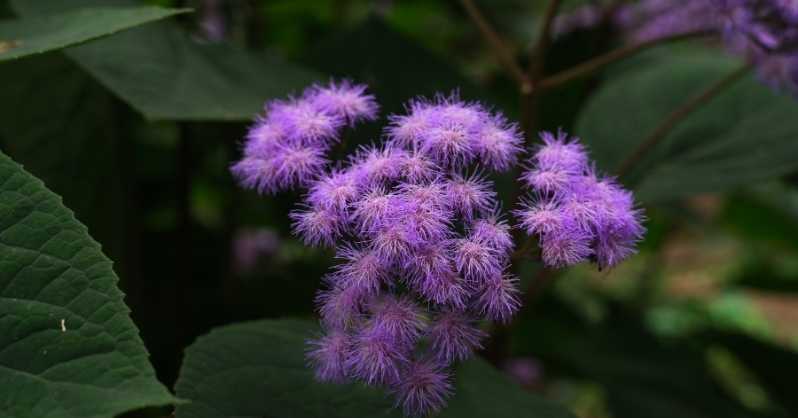
It is a beautiful annual flower that adds color and interest to any garden. Also known as the bluemink, this plant gets its name from the long, silky tassels that adorn its flowers.
The flowers themselves are small and tubular, and they can be either white or shades of pink. The plant is native to Mexico, but it can be grown in many different climates.
In fact, it’s even drought-tolerant, making it a great choice for hot, dry summers. Best of all, the Floss Flower attracts bees and butterflies, making it an excellent addition to any pollinator garden.
3. Peruvian Day Lily
Scientific Name: Alstroemeria aurea
Classifications:
Kingdom:Plantae
Clade:Tracheophytes
Clade:Angiosperms
Clade:Monocots
Order:Liliales
Family:Alstroemeriaceae
Genus:Alstroemeria
It is a beautiful flower that blooms in a variety of colors including white, yellow, pink, and red. Native to South America, it is a member of the Liliaceae family. The lily has a long history and has been used in a variety of traditional ceremonies.
It is a hardy plant that can be grown in a variety of climates. It is important to provide the plant with adequate moisture and well-drained soil. The plant will bloom from early summer to fall and can reach heights of up to six feet.
When planting the Peruvian Day Lily, it is important to space the bulbs 12-18 inches apart.
4. Baptisia
Scientific Name: Baptisia australis
Classifications
Kingdom:Plantae
Clade:Tracheophytes
Clade:Angiosperms
Clade:Eudicots
Clade:Rosids
Order:Fabales
Family:Fabaceae
Subfamily:Faboideae
Tribe:Sophoreae
Genus: Baptisia
Baptisia, also known as false indigo, is a beautiful and versatile plant that is native to North America. It grows best in full sun and prefers well-drained soil, but it is relatively drought-tolerant once established. Baptisia can be used as an ornamental plant or as part of a naturalized landscape.
It has long been loved by gardeners for its deep blue or purple flowers, which appear in mid to late spring. The flowers are followed by dark green leaves that remain attractive throughout the summer.
In fall, the leaves turn yellow, providing beautiful contrast to the flowers. Baptisia is a wonderful plant for attracting bees and butterflies, and it makes an excellent cut flower.
5. Lavender
Scientific Name: Lavandula angustifolia
Classifications
Kingdom:Plantae
Order:Lamiales
Family:Lamiaceae
Subfamily:Nepetoideae
Tribe: Ocimeae
Genus: Lavandula
Lavender is a popular herb that has been used for centuries for its aroma and medicinal properties. The plant is native to the Mediterranean region, but it is now grown around the world.
It can be used in a variety of ways, including in tea, as an essential oil, and in potpourris. The herb is also a popular ingredient in soaps and cosmetics.
Lavender has a wide range of benefits, including promoting relaxation, improving sleep quality, and reducing stress levels.
The herb is also said to have antimicrobial properties, making it an effective treatment for acne and other skin conditions. In addition to its many uses, lavender is also a beautiful plant that adds color and fragrance to any garden.
6. Helenium
Scientific Name: Helenium autumnale
Classifications
Kingdom:Plantae
Order:Asterales
Family:Asteraceae
Subfamily:Asteroideae
Tribe:Helenieae
Subtribe:Gaillardiinae
Genus:Helenium
The Helenium, also known as the sneezeweed, is a plant that has been used for centuries to treat a variety of ailments. The herb is used to relieve congestion and sinus pressure. It is also believed to have anti-inflammatory properties that can help to reduce swelling.
In addition, the Helenium is often used as a natural insecticide. The plant exudes a strong smell that repels many pests, making it an ideal way to keep your garden free of harmful insects. Whether you’re looking for a natural remedy for allergies or a way to keep your garden pest-free, the Helenium is a versatile and effective plant.
7. Windflower
Scientific name: Anemone coronaria
Classifications:
Kingdom:Plantae
Order:Ranunculales
Family:Ranunculaceae
Genus:Anemone
Species:A. coronaria
The windflower (Anemone coronaria) is a beautiful flower that gets its name from the Greek word for “wind.” These flowers are native to the Mediterranean region, and they have been cultivated for centuries. The most commonly-grown variety is the red windflower, which features crimson petals and a yellow center.
8. Penstemon
Scientific Name: Penstemon Palmeri
Classifications
Kingdom:Plantae
Order:Lamiales
Family:Plantaginaceae
Tribe: Cheloneae
Genus:Penstemon
The name “penstemon” comes from the Greek words for “five” and “stamen,” referring to the five stamens that are characteristic of the flowers. Most penstemons are herbaceous perennials, although a few are shrubs or subshrubs. The flowers are tubular and come in a variety of colors, including white, pink, purple, and red. Penstemons are very popular with hummingbirds and bees, and they make excellent cut flowers.
9. Foxglove
Scientific Name: Digitalis purpurea
Classifications:
Kingdom:Plantae
Order:Lamiales
Family:Plantaginaceae
Tribe:Digitalideae
Genus:Digitalis
The foxglove is a beautiful flower that grows in the wild. It gets its name from the fact that its blooms look like the gloves that foxes wear. The blooms are so striking, and they come in a wide range of colors. Foxgloves can be white, pink, purple, or even yellow. The flowers are very fragrant, and they attract bees and butterflies.
10. Hellebore
Scientific Name: Helleborus niger
Classifications
Kingdom:Plantae
Order:Ranunculales
Family:Ranunculaceae
Subfamily:Ranunculoideae
Tribe:Helleboreae
Genus:Helleborus
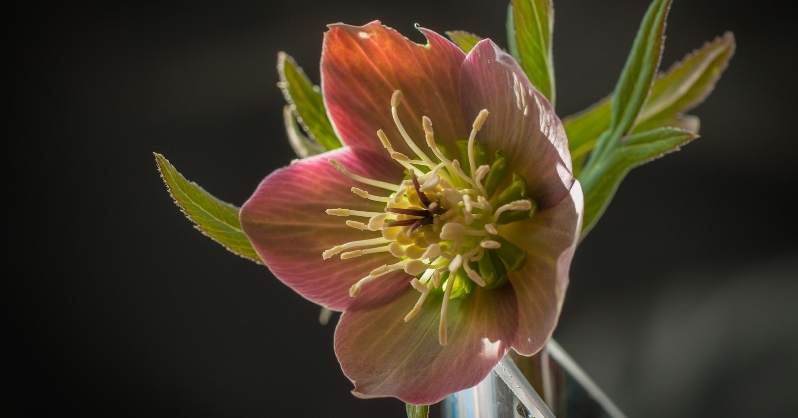
Also known as Lenten roses, they are widely cultivated as ornamentals.
The most common hellebore species is Helleborus niger, which is native to the Pyrenees mountains of southwestern Europe. Hellebores are evergreen or semi-evergreen perennials that typically bloom in late winter or early spring.
They have large basal leaves and produce clusters of 2-10 flowers on erect stems. The flowers range in color from white to pink, purple, and yellow, and they are often marked with darker spots.
11. Primrose
Scientific Name: Primula vulgaris
Classifications:
Kingdom:Plantae
Order:Ericales
Family:Primulaceae
Genus:Primula
Species:P. Vulgaris
Primroses are one of the first signs of spring, with their cheerful flowers adding a splash of color to the landscape after a long winter. They come in a wide range of colors, from vibrant oranges and yellows to more subdued shades of pink and purple.
Primroses can be planted in the ground or in containers, making them versatile additions to any garden.
12. Four o’clock flower
Scientific Name: Mirabilis jalapa
Classifications
Kingdom:Plantae
Order:Caryophyllales
Family:Nyctaginaceae
Genus:Mirabilis
Species:M. Jalapa
The four o’clock flower (Mirabilis jalapa) is a beautiful but often misunderstood plant. Native to Mexico and Central America, it has long been a favorite of gardeners in warm climates.
However, it has a reputation for being difficult to grow, and many people mistakenly believe that it is only suitable for arid regions. In reality, the four o’clock flower is quite adaptable and can be successfully grown in a variety of conditions.
It is an especially good choice for beginners, as it is relatively easy maintenance and tolerant of occasional neglect. With its brightly colored flowers that bloom in the late afternoon, the four o’clock flower is a welcome addition to any garden.
13. Catmint
Scientific Name: Anisomeles indica
Classifications:
Kingdom:Plantae
Order:Lamiales
Family:Lamiaceae
Genus:Anisomeles
Species:A. indica
Catmint is a perennial herb that belongs to the mint family. The name “catmint” comes from the fact that cats love it! They’re attracted to the plant’s strong, aromatic scent.
Catmint is often used in culinary dishes and as a decoration, but it also has a number of other uses. For example, it can be used to make tea, as a natural insect repellent, or even as a way to keep cats from scratching furniture.
14. Vervain
Scientific Name: Verbena officinalis
Classifications:
Kingdom:Plantae
Order:Lamiales
Family:Verbenaceae
Genus:Verbena
Species: Verbena officinalis
Vervain (Verbena Officinalis) is a perennial flowering plant that has a long history of use in traditional herbal medicine, and is still used today for its various medicinal properties.
Vervain is most commonly used as an herb for anxiety and stress relief, as it is thought to have calming and sedative effects. It is also used to treat digestive problems, such as indigestion, gas, and diarrhea. Additionally, vervain is sometimes used topically to treat skin problems, such as acne and eczema.
15. Geraniums
Scientific Name: Geranium dissectum
Classifications:
Kingdom:Plantae
Order:Geraniales
Family:Geraniaceae
Genus:Geranium
Geraniums are a type of flowering plant that belongs to the genus Geranium. There are over 400 species of geranium, which are native to regions all over the world, including Africa, Asia, Europe, and North and South America.
Geraniums normally grow to be about 1-2 feet tall, and they have large, showy flowers that bloom from late spring to early summer. One of the most popular types of geranium is the scented-leaved geranium, which has aromatic leaves that can be used in potpourri or as an ingredient in essential oils.