Author: Mohammed Rujel

  • Boobie Cactus | All You Need to Know

    Boobie Cactus | All You Need to Know

    Cacti are very popular houseplants mostly because they have quite a unique appearance and are very easy to take care of. If you are looking for a different type of cacti, then you might want to know more about the Boobie cactus. Just look at the name; it’s so weird!

    It might surprise you to see how cacti have variations amongst them as well, and today we will be taking a close look specifically at the Boobie cactus so you can determine if you like it. We will also be giving you a brief guide on how to grow and care for this plant and some insight into how suitable it is as a houseplant. 

    What is Boobie Cactus?
    What is Boobie Cactus

    From its name, you can already tell that this plant is a cactus and will have some general characteristics of cacti. This cactus has quite a few exclusive traits, which will surprise you. 

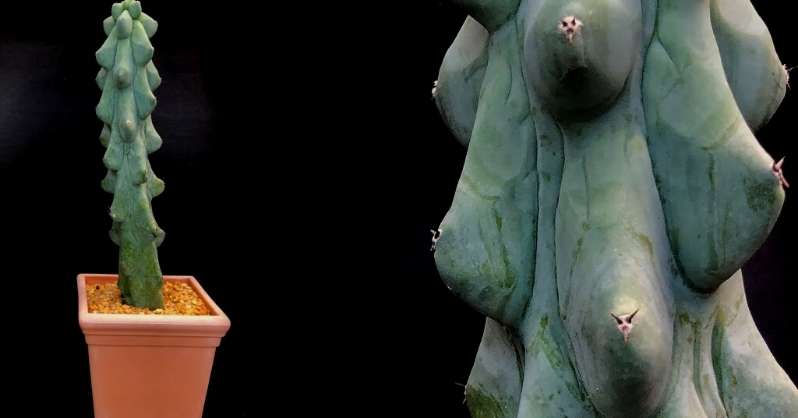
    ‘Boobie cactus’ is the informal name of this plant; its proper name is Myrtillocactus geometrizans ‘Fukurokuryuzinboku’. Since the scientific name is so difficult, we will just stick to Boobie cactus. Because this cactus has a girthy green stem with some blue-grey tint, it is also known as blue candle cactus. 

    The ribs of this cactus are very oddly shaped. Therefore, it has been given the name ‘Boobie cactus’. This species of cacti originate from Myrtillocactus geometrizans which is found in Guatemala and Mexico. However, this specific cultivar originates from Japanese nurseries. 

    Is it Rare?

    This succulent is quite a rare one, and you probably will not find it in your local plant nursery. Due to its unique appearance, the demand for the Boobie cactus has been driven up, which makes it even harder to find. This plant does not grow naturally and is far rarer than regular Myrtillocactus geometrizans.

    The Boobie cactus is a very valuable addition to all plant collectors’ collections. However, they are not grown as much as many other species of cacti, making them rare. If you wish to have a Boobie cactus, then buying one would be a much better option than getting seeds, germinating them, and growing the plant. 

    Unfortunately, when you try to grow the plant from its seeds, there is a high probability you will just grow a regular Myrtillocactus geometrizans cactus without oddly shaped ribs. 

    Scientific Specifications 

    Scientific Name: Myrtillocactus geometrizans

    Classifications

    Kingdom:    Plantae

    Clade:    Angiosperms

    Order:    Caryophyllales

    Family:    Cactaceae

    Subfamily: Cactoideae

    Genus:    Myrtillocactus

    Species:    M. geometrizans

    Boobie Cactus Care Process

    Boobie Cactus Care Process

    We’ve already mentioned that the Boobie cactus requires quite simple care, so you won’t have to put too much time and effort into keeping it alive. During the growing season, which is during summer and spring, you will have to keep the plant in a spot with plenty of sunlight. Furthermore, you will need to water the plant regularly during the growing season so it stays healthy. 

    The Boobie cactus, just like all other cacti, becomes dormant in the winter. So that the plant can turn dormant, you will have to carry out a few changes in its care process. When winter begins, water the plant much more sparingly, so the soil is dry, but the cactus isn’t wilted. You will also have to place the plant in a less bright spot with indirect sunlight. 

    Don’t forget to add fertilizer to the plant’s potting mixture about every three weeks during the growing season. Use a special cactus fertilizer with more phosphorus content than nitrogen content for best results. 

    Can You Grow it at Home? 

    As we’ve mentioned previously, buying a baby Boobie cactus from a nursery and then growing it is a much wiser decision than trying to grow it by germinating seeds. You will most likely get a regular Myrtillocactus geometrizans cactus from the seeds. 

    However, it is still possible to grow this succulent at home. Instead of germinating seeds, you will have to take cuttings from another Boobie cactus so you can grow it. 

    How to Propagate It

    How to Propagate boobie cactus

    While it can seem a bit troublesome to grow this genus of Myrtillocactus geometrizans at home, you can still do it. Firstly, you will have to take a cutting from a mature Boobie cactus during summer or spring. If the temperature when the cutting is taken is below 65 Fahrenheit, then roots will not grow from the cutting. 

    After the cutting is taken, wait for about 2 weeks so a callus is formed over the cuttingxs; once the callus has formed, add some pebbles or even gravel at the bottom of the pot before you add the soil. This will improve the drainage of the soil. 

    Next, cover the cutting with the rest of the soil, put the pot in a brightly lit spot, and water regularly (about every 12 days) so the soil stays moist. 

    What are Other Plants it Goes Well with?

    Cacti grow well when kept close to each other. It’s best if you keep the Boobie cactus with other succulents and species of cacti. Since a lot of cacti require similar growing conditions, they can be kept together. Keeping them together also makes for a stunning display. 

    Although the Boobie cactus looks amazing with other species of cacti, they also look great alone because of their special thick stem with breast-shaped ribs and blue tint. 

    Is it an Indoor or an Outdoor Plant?

    The Boobie cactus is more of an indoor plant. Since it was cultivated in a Japanese nursery first, it requires a much more controlled environment which is not possible outdoors. This plant is better off kept in a pot inside your home.

    During the growing season, the temperature might get a bit too high for the succulent to grow properly. There are many species of cactus that you can grow outdoors, but this one, in particular, is just meant to be a cute addition to your indoor plant collection. 

    Different Types of Boobie Cactus

    We have already mentioned abundantly in this article that the Boobie cactus does not grow naturally, and it is a cultivar. This means it was designed specially by humans for its beautiful appearance. Therefore, there are some varieties of Boobie Cactus. 

    Blue Myrtle Cactus

    Blue Myrtle Cactus

    One of the most well-known variations of the Boobie cactus has to be the blue myrtle cactus. Like the regular Boobie cactus, it has a very thick green stem, but the blue tint of its stem is much stronger. The number of pricks sprouting from each areole is similar to the Boobie cactus. 

    This plant grows very tall, up to 15 feet tall. It has white flowers, which eventually turn a beautiful deep red as it begins to produce its berries. 

    Bilberry Cactus

    Bilberry Cactus

    Unlike regular Boobie cactus, the Bilberry cactus grows quite quickly, and it has a maximum height of 15 feet. They are grown commonly in Mexico because of the sweet berries that they produce. The fruits look wonderful with a magenta or vibrant blue color. 

    Like other Boobie cacti, the bilberry cactus also blooms with white flowers. These flowers bloom when the plant is about 2 feet tall, which doesn’t take long since this variation is fast-growing. 

    Is it Safe for a Home with Pets?

    Good news for all you pet owners out there, no evidence has been found proving Boobie cactus to be toxic for pets or even humans. You don’t even need to worry about the pricks on these cacti because they are very lightly prickly. Your pets won’t get hurt. 

    The berries that the Boobie cactus produces are edible and taste sweet. They taste a lot like blueberries, and you can eat them fresh by picking them off the cactus. 

    Related Posts:

    Can You Use Cactus Soil For Snake Plants?

    Snake Plant Care: How Much Light And Water is Needed For a Snake Plant

    Piper Crocatum | Uses, Origin & Propagation
    Ingrid Liz Ivy | All You Need to Know

    Anthurium Water Dragon: Origin, Care, Uses

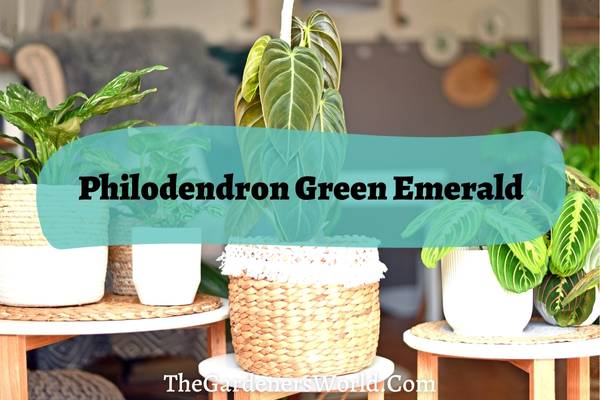
  • Philodendron Green Emerald | Uses, Characteristics, & Care

    Philodendron Green Emerald | Uses, Characteristics, & Care

    For years, Philodendron plants have managed to beautifully decorate our houses. It is an excellent choice as an ornamental plant for both indoors and outdoors. ‘Green Emerald’ is one of the kinds of Philodendron which we use to decorate our house. As its name suggests, Philodendron Green Emerald shines with its bright green leaves, just like emeralds hanging from a tree.

    Here is a comprehensive guide to the Philodendron green emerald that will help you determine whether or not it is the right choice for your home if you are considering purchasing plants to adorn it.

    What is a Philodendron Green Emerald?

    What is a Philodendron Green Emerald

    The Philodendron Emerald Green houseplant is a tropical plant that requires little maintenance and does well indoors as well as outdoors. As long as you provide it with wet, organically rich soil and bright indirect light, it will thrive.

    They have enormous, beautiful green leaves that not only add aesthetic value to any space but also quickly give it a jungle feel. The leaves of the plant spread out as it grows, and the rigid stems maintain the plant’s straight, classic look.

    Characteristics of a Philodendron Green Emerald 

    Characteristics of a Philodendron Green Emerald 

    Philodendron Green Emeralds attract our attention due to their shiny leaves and green foliage. Other than that, other characteristics differentiate the green emerald from others.

    It has diversified growth methods.

    Not only green emeralds but every philodendron has a diversified, growing method. The growth of these plants can be epiphytic, hemiphytic, and sometimes terrestrial. Another interesting fact about these plants is that they can adopt a hybrid growth method. But this combination of their growth entirely depends on the environment they grow in.

    It is a climbing plant

    Philodendron green emeralds are climbing plants or creepers which climb up the walls or any figure to support it moving upwards. It also has modified leaves to protect and support the newly formed leaves. These plants can also grow on hanging pots for growing plants. Although it makes a nice decorative plant for indoors, its leaves can grow very large sometimes, causing you trouble to keep maintaining it indoors. So, it is better if you plant it outdoors or even on your balcony.

    It has different types of leaves in the same plant

    The leaves of Philodendron Green Emerald can be very large and imposing with deep cuts or lobed. It can also have pinnate, sometimes more and sometimes less than usual. The leaves of these plants also have different shapes, including spade, sear, oval, etc. Their leaves can help recognize the plants.

    One interesting fact for which Philodendrons are known is their ability to produce different types of leaves in the same plant. They contain both adult and juvenile leaves, which can differ greatly in size from one another. 

    In the early stage of the plant, particularly when they are seedlings, they usually have heart-shaped leaves. The shapes start changing when they gradually grow up.

    It produces cataphylls

    Cataphylls are modified leaves that grow in the stems of the Philodendrons. They have a leaf-like structure, and they are usually green in color, a lighter shade of green than the leaves. Its main function is to protect the newly forming leaves of the plants from any kind of harm and also to support them while growing. 

    It has toxic properties

    It serves as a great ornamental plant, but it is extremely toxic. Eating them can cause allergies or skin irritation, causing your tongue, lips, and throat to swell up. It can also give you a nauseous feeling and sometimes diarrhea. 

    The Benefits of a Philodendron Green Emerald

    The Benefits of a Philodendron Green Emerald

    It can improve the air quality.

    The leaves of the Philodendrons leaves can purify the air by absorbing carbon-di-oxide and other toxins from the air and give you fresh air to breathe in. It also traps the dust in the air and makes it clean. You just need to wipe the leaves regularly to get the dust off them.

    It is low-maintenance

    Maintaining a Philodendron green emerald is not a complex thing. It is easier to maintain than most plants you use for decorating your household. You just need to keep the soil moist and keep it in proper sunlight. You don’t even need to change the pots for a long time.

    It can be grown in water

    The Philodendron Green Emeralds can be grown both in planting pots and in water. You won’t need to face the hassle of changing the soil in the pot and watering it regularly. 

    All you need to do is change the water of the jar in which you will be keeping your plant once in 1-2 weeks. But sometimes, the water might not suit the plant, and the leaves might start drying out. So, make sure to keep it in clean water.

    How to Care for It

    How to Care for a Philodendron Green Emerald

    Taking care of a Philodendron is not a great deal. As it is a very low-maintaining plant, you just need to keep a few things in check.

    • Use organically rich soil to plant it
    • Keep it sun a place where the sunlight falls partially.
    • Make sure the soil is always moist.
    • Use organic fertilizers to enrich the soil and provide the plant with nutrition.
    • Keep its leaves clean for it to clear out the dust in the air.

    What’s The Best Place To Keep The Plant?

    Philodendron Green Emerald is suitable to keep both indoors and outdoors. It gives an aesthetic jungle vibe to your house when kept in a pot, and its leaves spread out. You can also keep it as a centerpiece on your dining table or living room table. 

    But its leaves might get large, and you would need to transfer them into a bigger pot. You can also hang it on your balcony or patio using a hanging pot or jars filled with water. Just make sure to keep it away from direct sunlight, and you are good to go.

    How to grow it faster?

    Philodendron Green Emeralds are usually fast growers and reach the height of 14-15 feet. But you can also play a part in increasing its growth speed. 

    Keep the soil moist and water it when the soil is just about to dry out. You can also use organic fertilizers to boost its growth. Another thing you can do is water it with untreated water.

    Do Philodendrons Clean The Air?

    Philodendron does clean the air and purifies it. Its leaves absorb all the toxins in the air, leaving fresh air to breathe. The leaves are also experts in trapping dust and cleaning the air.

    Final Words

    Philodendron Green Emeralds are great plants to decorate both indoors and outdoors of your house, and it also needs low maintenance. All you need to do is take some basic care of the plant to keep it alive and healthy. 

    Related Posts:

    Piper Crocatum | Uses, Origin & Propagation

    Ingrid Liz Ivy | All You Need to Know

    Anthurium Water Dragon: Origin, Care, Uses

    Agave Victoria Reginae: Overview, Uses & Care

  • Purple Orchid Flower | Meaning, Origin, Uses & Propagation

    Purple Orchid Flower | Meaning, Origin, Uses & Propagation

    Orchids are diverse and the largest group among all the angiosperms. Other than the beautiful outlook and economic uses, each and every orchid comes with certain symbolizations and meanings. 

    Let us talk about the purple orchid flowers and get to know what it symbolizes and other interesting facts about them.

    What Is The Purple Orchid Flower? 

    What Is The Purple Orchid Flower

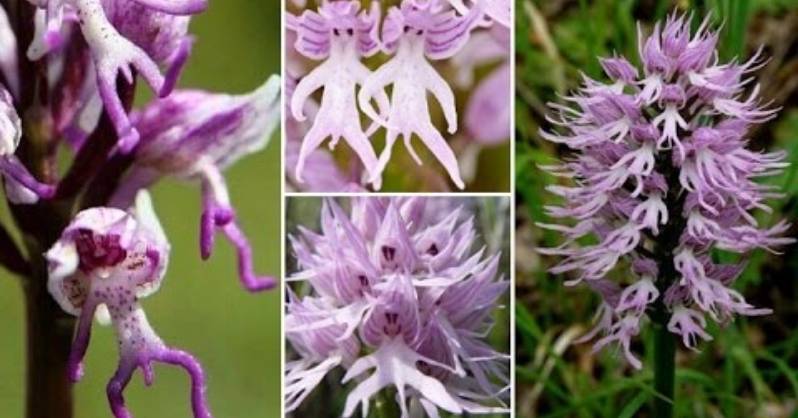
    The purple orchid flower is one of the least common species alongside the Naked Man, that belongs to the orchid family. 

    From ancient times, it also has been a sign of royalty as the royal families used to decorate using purple orchids. It is common as a species of orchid but rare in general, like all the orchids. That is why its prices are comparatively high.

    Purple orchids are mostly found in tropical forests or semi-deserted areas. They also grow in woodlands and meadows. 

    You can grow your own purple orchids by maintaining the same habitat it has in the wildlife. It might sound challenging, but you can earn how to grow it with some useful tips and tricks.

    The Meaning Of The Purple Orchid Flower 

    The Meaning Of The Purple Orchid Flower 

    The purple orchid flowers truly symbolize respect and admiration. Again, in ancient times, it traditionally symbolized royalty and luxury for the royal families. Some people also say that the purple orchid flower represents or symbolizes forgiving peacefully without any chaos, a sign of peace in society.

    From ancient times, the purple orchid flowers were used to signify honorable and dignified personals. 

    They were used to decorate any event or occasion which were prestigious. Like the coronation ceremony, or the marriage ceremonies of royal families. 

    That is why the purple orchid flowers were sent to make a person feel dignified and special.

    From these trends and habits, today, you can see purple orchids being a sign of something elegant and luxurious. 

    All luxurious hotels nowadays have these purple orchid flowers as decoration to their worth and send a message that you are being honoured by them to a there highest degree of appreciation. 

    Some weddings also have orchid flowers as decorations, especially purple ones. The colour of the purple orchids also looks elegant when decorated.

    How To Grow The Flower

    How To Grow Purple orchid flower

    Growing purple orchid flowers is not rocket science. Although it is a bit challenging as maintaining the temperature and everything else just like its usual habitat is not that easy. 

    You just need to know the right tips and tricks to grow the purple orchids.

    Start with the pot you are going to use to plant it. It does not grow well in low lands. So start by taking a pot which has adequate holes to drain the water out. Orchids are damaged if water remains accumulated in the roots of the plant.

    Now the next important thing is the soil you are using to plant it. You are suggested to use moss-based soil, which quickly dries out the water. You can also use bark-based soil, which dries out the water quicker than moss-based soil.

    Another important part is watering the plants. You don’t need to water the plant for a long time. 

    Water it with a moderate amount of water regularly. It would also depend on what type of soil you are using for the plant. For moss-based soil, less water is needed as it can retain some water.

    For bark-based soil, you need to water them a bit longer than usual as it dries out very fast.

    Last but not least, make sure to give it some sunlight but not too much. Too much heat would damage the flowers. So, make some arrangements where the plant can get partial sunlight.

    Maintenance Tips

    The purple orchid flower blooms and lasts for 6-8 weeks depending on how good you are taking care of it. That is why maintaining plant care is really important.

    • You can also clean the pots every 3-4 weeks with warm water for them to remain hydrated. Follow this only if your pot has a drainage system. For a pot with no drainage system, you can use iced water while watering the plant to keep it hydrated.
    • You should also maintain a temperature of 60-80 degrees, especially when it’s blooming season for your purple orchid.
    • Sometimes, it becomes difficult for you to maintain an adequate amount of sunlight for your orchid. So, you can use any semi-transparent cloth or curtain in front of it to protect it from the heat.

    Different Ways You Can Use The Purple Orchid Flower

    Different Ways You Can Use The Purple Orchid Flower

    Decorations

    As mentioned before, purple orchids were always used for decorating events and ceremonies since ancient times. You can see households decorating their spaces with orchids, using them for different events, and also cherishing loved ones by buying them a few of these flowers.

    Decorating any event using purple orchid flowers is still thought of as an elegant way to represent the event or festival, or occasion. The honor and dignity represented by the purple orchid flowers still remain in vogue.

    Healthcare

    Apart from its elegancy and beauty, the purple orchids also work as great medications. Ancient people used to consume the flowers as an aphrodisiac medication. It also cures skin irritations like red orchids. Mostly, it was famous as an aphrodisiac medication and healing various virility problems in men.

    Food

    Another usefulness of the purple orchid is that it can be made into a drink or beverage, The flowers are dried out to make flour or powder out of it. This was consumed as a drink, and the drink or beverage is called “Salep”.

    Can You Eat The Purple Orchid?

    Purple orchids can be eaten. It is mostly used as garnishes because of its radiant purple color. 

    Although it does not taste that good, it looks so good when used for garnishing. Some also eat it like we eat vegetables. 

    It tastes sort of like cabbage. Some consume it as a drink called “salep” again some drink it as a coffee substitute. The powder is also used to make the famous beverage, Turkish Delight.

    What Are The Benefits Of Eating Purple Orchids?

    There are a lot of benefits of eating purple orchids. It is believed to serve as a good medication for a lot of problems like indigestion, skin irritations, gastric, and even cancer.

    It is a good healer for gastric patients. The roots of the plant are also very nutritious and often consumed by people as an aphrodisiac.

    https://m.youtube.com/watch?v=THK3nCce3pw

    Conclusion

    The purple orchid flowers are mesmerizing to look at and even a good medication to use. Although growing and maintaining it in your own garden might not work out on the first try, you will get to master it if you keep trying. 

    As the saying goes, ‘No Pain, No Gain’, you also need to have a lot of patience before gaining the beautiful purple orchid flowers to grow and bloom in your garden.

    Related Posts:

    Naked Man Orchid | Origin, Uses & Propagation

    Blue Orchid: Everything About the Exotic Flower

    Bengal Rose: Learn Everything About the Mysterious Flower

    5 Most Rare And Exotic African Flowers

    What Flowers Can You Find in the Ocean?

  • Naked Man Orchid | Origin, Uses & Propagation

    Naked Man Orchid | Origin, Uses & Propagation

    Nature is full of interesting and beautiful things to look at, and one of its interesting and peculiar creations is the Naked Man Orchid. 

    The catch is in its name and how it earned such an interesting name. Let’s know some facts about the rarely found orchid species, the Orchis Italia, which is widely known as the Naked Man Orchid.

    What Is A Naked Man Orchid?

    What Is A Naked Man Orchid

    The Orchis Italica, widely known as the Naked Man Orchid, is a species of the Orchid Family, Orchidaceae Juss, found in the Mediterranean Regions. 

    The medium petal of this flower is modified and is called its lip or labellum. The shape of this petal looks like a naked man standing. That is why the orchid was named the Naked Man Orchid.

    It is listed as a “Species of Least Concern” with the IUNC, unlike many other species having similar characteristics to this one. Having a sufficient population saved it from listing with the endangered species, but it might change over a small period of time.

    Is it rare?

    Is it rare to find naked orchid flower

    Orchids are, in general, rare to find, especially species of orchids with such peculiar features. Although not endangered or extinct, Naked Man Orchids are hard to find as it grows only in the Mediterranean Region and too in dense colonies.

    The situation might change in the near future, and these could become endangered or extinct. Due to climate changes and many things, their habitats are getting destroyed, and they are becoming harder to find.

    What does the naked man orchid symbolize?

    The Naken Man Orchid resembles a naked man standing and symbolizes nothing particular. And no, this one can’t be a good option for making proposals. If you have love in mind, go for the beautiful red orchids or purple ones.

    Usually, these orchids have three petals and sepals. The petals have three sizes-small, medium, and large. The medium petals of these Naked Man Orchids elongated and turned into a modified petal which is denoted as the lip of the flower or the labellum. 

    This takes a particular shape of a man, and a little elongated part of the petal makes it look like the genitals of a man who’s wearing a hat. That is why the Orchid Italica is named the “Naked Man Orchid”.

    How To Grow and Care for the Plant?

    How To Grow and care naked orchid flower

    Taking care of orchids, in general, is not an easy task to do. It takes a lot of patience, proper knowledge, and skills to maintain and grow the orchids. The same goes for the Naked Man Orchids. Keeping some tips and tricks in mind would help you take care of a Naked Man Orchid.

    As a sensitive plant, Naked Man Orchids must be planted when the temperature is tolerable for this. Autumn serves as the best month to start planting these orchids at your home. It prefers a temperature of 75°F. Maintaining the temperature is very important for the growth of these plants.

    This species of orchid does not require watering regularly. You have to water it occasionally. Only regular watering is required during dry weather. As it prefers moist and drained soil to grow, the water must be minimal and not overflowing from the pots where you will plant them.

    The Naked Man Orchids require a moderate amount of sunlight to grow properly. The flowers would be able to bloom properly and in time if it remains in partial shades. Too much sunlight can harm these plants, and flowers won’t bloom. These plants are so sensitive that a slight deviation in their care might disrupt the plant from blooming flowers properly.

    What Are The Uses Of The Naked Man Orchid?

    The Naked Man Orchids have many beneficial uses. Besides its beautiful outlook gifted as a natural beauty for us to look at, these species of the Orchid provide us with different medication and nutritious benefits. 

    Use As A Medicine

    These orchids are widely known as reliable medication for virility problems in men. From the ancient period, people used to believe that a plant shaped like a human body could cure any disease, especially the ones related to virility problems. The Naked Man Orchid is also used or consumed as an aphrodisiac since ancient times. 

    It doesn’t end here; the plant has some more clinical advantages. It helps in the proper digestion of humans through its anti-flatulent properties. Again, it also is beneficial for your skin and can smoothen it through its properties.

    Use As A Food

    Apart from medical uses, the Naked Man Orchids are also nutritious. The roots of the plant are very nutritious and can be dried to eat. The dried plant is processed into some sort of flour, which is similar to arrowroot. These are called Salep.

    Where Can You Find Naked Man Orchids? 

    Usually, these species are found located near the Mediterranean region in dense colonies. It can also be found in Middle East countries, Spain, Turkey, etc., countries with kinda similar weather and temperature like the Mediterranean Basin.

    Other than these locations, you can order these flowers or plants and their seeds from online platforms like Etsy, Amazon, etc.

    How Does it Reproduce?

    A very interesting fact about the Naked Man Orchid is that these plants are hermaphrodites. That means the species has both male and female reproductive organs inside them. So, the reproduction process of these plants is carried out through pollination inside the same pant.

    Usually, the insects help in the pollination process of the species. The insects carry the pollen grains and place them in the reproductive organ of the plant to reproduce. Another interesting fact about this species is that it produces hybrid flowers which give a hat-like shape to the middle petal of the flower by enclosing the flower top and giving it a hood-like structure. This hood makes the petals look like a naked man wearing a hood.

    Can You Eat A Naked Man Orchid?

    Of course, the plant can be eaten by us. Apart from consuming it as medication, the plants are also used in beverages. The flowers of this plant are dried into flour, and this powder is used as coffee. A Turkish drink named Turkish Delight is also made of this powder.

    Problems You Will Face While Growing The Flower

    The Naked Man Orchids are very sensitive and delicate. That is why growing them in your garden can become a bit challenging for you. You may face many types of difficulties. 

    The weather may become an issue for the plant to grow. Its flowering season is usually from March-April, and it should be planted in Autumn to get the best results. If the weather is not favorable, it might cause problems for the flower to grow.

    Another problem is the temperature. This plant is so delicate that not having the correct temperature would cause a problem for the flower to bloom. Its ideal temperature to grow and bloom is 75°F.

    Another issue can be caused by the soil you are using to grow the plant. The soil must be moist and draining for the plant to grow. Too dry or too watery can cause the plant to slog and not grow properly.

    Conclusion 

    Naked Man Orchids are very interesting and sort of rare plants to find. Other than its interesting looks, it also serves as a great source of nutrition for the human body. 

    This species is on the verge of getting endangered. It will be a great loss if such a species having so much economical and nutritious value disappears from the surfaces of Earth. We should take steps to preserve these orchids.

    Related Posts:

    Leucophyllum Compacta: Overview, Uses & Care

    Purple Orchid Flower | Meaning, Origin, Uses & Propagation

    Red Orchid: All You Need to Know About the Fascinating Flower

    White Orchid: Learn Everything About the Elegant and Mysterious Flowers

    Bengal Rose: Learn Everything About the Mysterious Flower

    Resources:

  • Piper Crocatum | Uses, Origin & Propagation

    Piper Crocatum | Uses, Origin & Propagation

    Often we use different plants to decorate the indoors and outdoors of our houses. Piper crocatum makes a beautiful decorative plant, attracting us with its gorgeous pink veins and pointy green leaves tailing down its stems.

    Whether it is a hanging pot, a regular pot set beside a wall, or something to climb on, this plant will rise on its own and make a nice view. If you are thinking of getting climbers to decorate your house, here’s an all-in-one guideline about the Piper crocatum for you to decide if it makes a perfect fit for your home or not.

    What is Piper Crocatum?

    What is Piper Crocatum

    Piper crocatum is a tailing or climbing vine plant which is widely used for decorating households, restaurants, parks etc places to decorate. Its beautiful waxy green leaves with pink vines make it so demanding. The plants usually do not give flowers when groomed indoors or outside of their own habitat. Besides its beautiful and colorful leaves, it is also not very difficult to plant and take care of.

    Where Is It Found?

    Piper crocatum usually originates from South American regions and Peru. It is a rare one to find in your local markets, where you usually purchase indoor plants. It is not purchased on a regular basis by commercial buyers; rather, plant collectors like to purchase it for their collections. Although the species is not endangered yet, it still remains rare and on the threat of getting extinct or endangered day by day.

    How Is It Used?

    how piper crocatum used

    Although it is mainly known for their uses in households as decorative climbers, these plants can also be used as medicinal plants.

    Decorative Plants

    Piper crocatum makes a very beautiful decorative plant for households. It is a tailing or climbing vine, so when it climbs up the walls of the houses or hangs down the hangings pots, it looks so gorgeous. 

    Vegetable Insecticides

    It is found that the piper crocatum has some compounds in it which acts well as vegetable insecticides. Compounds like flavonoids and some essential oils are found that could work as insecticides. Insecticides made out of piper crocatum are also found to be eco-friendly and a great alternative to chemical insecticides.

    Dental Care

    From ancient times. Piper crocatum was found beneficial for aiding dental problems like toothache, gum swelling, etc. Later on, it was also used as an element inside the mouthwashes prepared clinically.

    How To Cultivate It

    How To Cultivate Piper Crocatum

    You can cultivate or propagate the Piper Crocatum in either soil propagation or water propagation method. Propagating this plant is straightforward like other home plants.

    First, take a pot and fill it up with soil. The soil requirement for this species is like the normal soil used for plants to grow in households. You can mix 20-30% perlite, which would help retain water and keep the soil moist, just as the plant wants it to be. 

    Now cut a piece of Piper Crocatum from below a node of the plant and plant it in the pot full of soil. Immediately water the plant after planting it in the soil. Soon the roots will take hold of the soil and start to grow as an entirely new plant. You need to water this plant more than usual as it demands its soil to be moist, unlike most climbers.

    For this method, you need some clean water and a jar. Take a jar filled with clean water and put a piece of the Piper Crocatum inside it. Cut it similarly below the nod as you did for the soil propagation. Now, after a few weeks, you will get to see some roots coming out of it. When some roots are visible in the jar, transfer it to a pot filled with soil.

    Can You Eat Piper Crocatum?

    The answer to this is both yes and no. Most people would advise you not to eat it. Although some people enjoy eating the leaves for the nice flavor they get from them, but some would advise you not to eat them as it has some moderately toxic elements which might cause slight skin irritation.

    If you still feel like trying or tasting it just out of curiosity, make sure to intake a little bite to see if it irritates your skin or not.

    Is It Toxic?

    Piper crocatum is considered moderately toxic. There are a few elements inside it which might cause skin irritation, which is why it is considered toxic. That is why it is advised to keep the plant away from children and pets to avoid any kind of intoxication.

    Maintenance Tips

    Maintenance Tips For Piper Crocatum

    Piper crocatum is not a very high maintaining plant. You don’t need anything extra to take care of it. Just like other climbers or plants in your house, this plant also has minimal requirements for maintenance.

    Proper Watering

    Watering requirements for this plant are quite more than usual plants. It needs its soil to be moist. So, it needs to be watered just when the soil is about to get dry. Watering is very important for this species.

    Proper Sunlight

    As it is a tropical plant, it requires adequate sunlight but not too much. You can filter out the sunlight falling directly towards it using curtains. If you keep the plant outdoors, then make sure not to plant it somewhere where the sunlight falls directly. If the temperature is too higher or lower than 15C, it will start shedding its leaves.

    Proper Potting

    The pots you choose must be within 5-6 inches big. Unnecessary big pots or containers would hamper its growth. Only consider transferring it to a bigger pot when it starts to grow too much, and the container cannot hold it in anymore.

    Final Words

    Piper crocatums are tropical plants, and to grow them healthily, we need to replicate their habitat as much as we can. Although it is not that difficult to maintain this plant, it sure is sensitive and delicate, for which you must take good care of it to make it last for a long time.

    Related Posts:

    Philodendron Green Emerald | Uses, Characteristics, & Care

    Ingrid Liz Ivy | All You Need to Know

    Anthurium Water Dragon: Origin, Care, Uses

    Agave Victoria Reginae: Overview, Uses & Care

    Read More: Philodendron Green Emerald | Uses, Characteristics, & Care

    Read More: Caladium Strawberry Star: All You Need to Know

  • Oregano Poleo: All You Need to Know

    Oregano Poleo: All You Need to Know

    Oregano is a very popular plant and as you might be aware, sees use in enhancing various culinary items. Alongside its use in food, it can also be used as an ornamental plant and does have health benefits.

    In this article, we’ll be talking about a particular species of oregano plants- the oregano poleo. We’ll be looking at the benefits it possesses as well as how to properly grow it in gardens. 

    What Is Oregano Poleo?

    What Is Oregano Poleo

    Oregano Poleo is a herbaceous plant and a variety of Oregano that is often found in Mexico or Puerto Rico. It is distinguishable by its aromatic leaves as it emits a very strong aroma. The leaves have a dry feel when touching it, and sometimes a flower is visible at the top of it. 

    They are available during the summer and often die out during the winter. Oregano itself falls under the mint family of plants. 

    The Benefits Of Oregano Poleo

    The Benefits Of Oregano Poleo

    Oregano is popular due to the many benefits it provides. Some of the benefits of Oregano Poleo are listed below:

    Strong And Unique Flavour

    The reason it gets used in many different cuisines is simply that oregano poleo has an incredible aroma and flavor. This flavor helps enhance many different types of food and due to being found as either dried or as oil, is highly applicable to many cuisines. 

    Contains Oxidants

    Oregano Poleo is quite rich in antioxidants. Oxidants help ward off cancer and prevent cell degradation and damage. Indeed, because of being rich in oxidants, Oregano Poleo can be included in a diet for positive effects.

    Oregano Poleo oil also has a similar antioxidant concentration. This makes it a suitable substitute for other oils to cook food in.

    Reduces Bacterial And Viral Infections

    Leaves and oils from Oregano Poleo have been found to have hints of anti-bacterial and anti-viral properties. The full extent has yet to be properly documented but early research has shown that consuming Oregano Poleo can protect you from certain strands of bacteria and prevent viral infections.

    Further research might end up showing and identifying more bacterial and viral resistance. It is worth noting that Oregano Poleo, even now, shows promise regarding this.

    Decreases Inflammation

    One compound that is commonly present in oregano plants is carvacrol. Carvacrol is an important compound that works toward decreasing inflammation. While swelling can occur from causes like injuries, it can be incredibly detrimental in worse cases when combined with infections. So alongside being able to prevent viral infection, Oregano Poleo can also decrease severe inflammations further boosting its health benefits.

    Alongside inflammation reduction, Oregano Poleo can also help prevent small cramps. This is quite helpful and notable for older people.

    Reduction In Flatulence And Preventing Diarrhea

    Another benefit is that consuming oregano poleo can reduce flatulence and also prevent diarrhea. Poleo can help cure stomach disorders and relieve bowel stress. Often you need to intake a small amount to help with such problems. 

    How To Use It?

    How To Use Oregano Poleo

    You might be curious about how to implement Oregano Poleo into some of your cuisines. There are some methods you can try out. These are listed and briefly described below:

    The first option you have is to use chopped-up oregano and sprinkle it onto your cuisine. You can simply wash the leaves and then chop them off into small pieces and then mince them. It is possible to use both dry and fresh oregano for this, depending on how much flavor you want to add to your cuisine. Usually, this is done on top of pizza or pasta. 

    The second option is to add the leaves to certain cuisines and extract the flavor from them. You can cook chicken or turkey using this method, and it is a much slower process, but it is possible to control the flavor added to it depending on the time you cook. Alternatively, you can use oregano leaves in salads.

    Now, finally, the third option you have is to extract the oil from the leaves. Usually, a muddler is needed to pressurize the leaves and help squeeze out the oil from the leaves. Collect the oil using a jar. Often the extracted oil is mixed with virgin oil to help create the final product which you can then use in cooking cuisine.

    How To Grow It?

    How To Grow Oregano Poleo

    As it has been stated before, oregano poleo blooms during spring and summer but dies out during winter. They are not very difficult to take care of during that time, but you do need to ensure you meet some of the required conditions. These include:

    Oregano seeds should be planted once any signs of frost or snow have disappeared. They do not tolerate frost or snow of any kind and will wither away at any hints of those. A tolerance of 3-4 days before spring comes in can be allowed, but it is better to wait fully for spring before planting the seeds.

    However, they do not prefer high humidity. So if needed, make sure to use a dehumidifier to reduce the humidity in the air.

    Due to their aversion to the cold, it can be guessed that oregano poleo prefers full sunlight. It does not like shade, so prefers more open areas in gardens where there aren’t any taller plants to block the sunlight.

    Oregano Poleo generally prefers well-drained soil of pH levels 6-8. Generally, this isn’t too demanding since you will only need to make sure that there isn’t too much water in the soil and drain out the water from time to time. 

    When planting, remember to keep the plants spaced apart since growing them too close together can stunt each other’s growth.

    How To Store It?

    The most common way to store Oregano Poleo is to cut some of the leaves and then tie them together. You will then need to place them in a sunny area to dry them. This will result in the oil content being better extracted. You can use drying pans or an air dryer to speed up the process.

    The Nutritional Value

    Oregano Poleo contains a good deal of vitamins and minerals. This makes it a good addition to most diets since it can be used to supplement dietary needs. The most important compounds available in oregano include thymol and carvacrol, which gives its anti-bacterial properties and helps with inflammation. 

    Conclusion

    Oregano Poleo is an interesting plant that has some unique properties. You can include it in your diet in various ways, which are quite helpful. 

    Related Posts:

    Caladium Strawberry Star: All You Need to Know

    Oregano Poleo: All You Need to Know

    Piper Crocatum | Uses, Origin & Propagation
    Philodendron Green Emerald | Uses, Characteristics, & Care

    Ingrid Liz Ivy | All You Need to Know

  • Caladium Strawberry Star: All You Need to Know

    Caladium Strawberry Star: All You Need to Know

    The Caladium Strawberry Star is quite an exotic plant that is often prized for its leaf. It can be used to enrich the look of your house or garden extremely well. However, some people might be confused about this particular plant as it is not common. 

    In this article, we’ll be looking at this plant and the caladium family in general. We’ll also help you understand the conditions needed to properly grow the plant.

    What Is Caladium Strawberry Star?

    What Is Caladium Strawberry Star

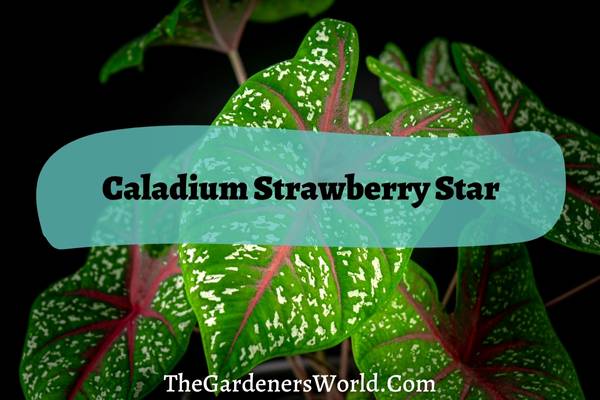
    Caladium Strawberry Stars are a species of Caladium plants. The common trait shared by this family of plants is their heart-shaped and large leaves. Strawberry stars have gotten their name from the white and pinkish hue that is present in their heart-shaped leaves. Their leaves give them a unique look, and as a result, they have become widely popular as decorations.

    They are generally tropical plants and often thrive in hot climates. Many of the species have brightly and different colored leaves. Their dark stems help provide better contrast for the leaves, and with proper care, they can grow up to be quite tall.

    Is It Poisonous?

    Are Caladiums Poisonous

    The short answer is yes- Caladiums are poisonous, although the severity of the poison can vary. The poison arises from a compound called calcium oxalate alongside a protein called asparagine. These two combined work together to provide a massive irritation in small doses and gives the leaves a horrible taste. 

    In higher doses, this can be lethal. Often some species of plants have potent enough toxins that are merely touching the leaves without gloves can cause skin rashes to pop up. So it goes without saying that when handling these plants, make sure to use gloves. Never rub your eyes with the hand that you touched the leaves with, and make sure to wash your hands every time.

    Effects of the poison can be skin swelling and vomiting. Both humans and animals can be affected so if you have house pets, make sure to keep them away from these plants in case they come into contact with the leaves or end up eating the leaves.

    Where Do Caladiums Grow Best?

    Where Do Caladiums Grow Best

    As it has been mentioned, caladiums are tropical plants. They prefer high temperatures, high humidity, and exposure to sunlight. As a result, they are commonly found in India and Africa, particularly in forests or near rivers where they can get ample sunlight and also water.

    They can be grown both indoors and outdoors in many homes. You will see them bloom during the summer and go dormant as fall approaches. 

    Do Caladiums Produce Flowers?

    Yes, caladiums can bloom and produce flowers, although they aren’t very frequent. They need to be grown in the appropriate conditions for a chance to produce flowers. Flowers will usually appear in either spring or fall. 

    The flowers produced by caladium are often very small and covered by the leaves, making them difficult to see. It is possible to separate the flower from the plant though you need to be careful.

    You can use scissors to cut off the flower. Make sure the scissor blades are sanitized and that you make an angled cut. 

    How Do You Make It Grow Faster?

    How Do You Make Caladium Strawberry Star Grow Faster?

    Caladiums can be needy and require a good deal of effort to ensure they properly grow. To ensure fast and proper growth, you will need to make sure the conditions are proper for good growth.

    Caladiums thrive in hot temperatures or climates. Areas with temperatures of 21 degrees Celsius or higher are good enough for attempting to grow Caladiums. Places with temperatures lower will cause the plant to die out. High humidity is also favored by these plants, and this will result in them being able to grow faster.

    It is possible to make use of a heater and humidifier to grow these plants in places where they wouldn’t otherwise. However, keeping these conditions can prove expensive, and if you happen to be on a budget, it is not recommended. It is generally easier to grow Caladiums faster outdoors than it is indoors. 

    It is also important to check the soil quality when growing Caladiums. They require high-quality and mineral-rich soils for proper growth. Compost or leaves can be used when planting Caladiums to help enrich the soil. Fertilizer can also be added to ensure faster growth, and it is recommended that it is a natural fertilizer.

    Another thing to note about soil is that you should have the means to drain out the water from the soil. You can make use of a draining pot if you’re growing Caladiums as a potted plant. Otherwise, you will need to introduce draining holes into the soil to help remove excess water.

    To ensure Caladiums grow faster and produce flowers, they need regular watering. Since they are usually grown in hotter climates, they require a great deal of water so make sure you keep the soil they are growing on wet. A sprinkler system can help, or you can opt to use a watering can.

    Caladiums prefer sunlight. It is easier to ensure ample sunlight when you are growing them outside and in gardens. Just make sure you do not plant them under the shade of bigger plants or trees that may block the sun’s rays from reaching them. If growing them indoors, it is recommended to place them near windows where they can receive sunlight. 

    In the case that temperatures drop, your caladiums are at risk of dying. To preserve them, you can cut off wilted leaves and remove them from the ground and take them inside. You can opt to replant them inside in pots or preserve them in a bag until the temperature becomes favorable again. 

    Is It Possible To Grow Caladium In Water?

    Yes. It is possible to grow Caladiums in water jars though they require fertilizer as well as more maintenance to ensure they bloom. This is usually done for decorations. 

    Is It An Indoor Or Outdoor Plant?

    The answer is that the Caladium plant is both. You can grow it both outdoors in a garden or indoors in a pot. Generally, it is easier to maintain Caladiums outdoors as they receive more sunlight and heat. Maintaining it indoors is more difficult and sometimes expensive.

    Conclusion

    Caladiums are incredibly beautiful decorative plants. Even if you don’t want to plant them in a garden, you can keep them inside to improve the look of your home. However, you must know that Caladiums are needy and require proper attention and care to bloom. 

    Related Posts:

    Can You Use Cactus Soil For Snake Plants?

    Snake Plant Care: How Much Light And Water is Needed For a Snake Plant

    Boobie Cactus | All You Need to Know

    Piper Crocatum | Uses, Origin & Propagation

    Agave Victoria Reginae: Overview, Uses & Care

  • What to Plant with Knockout Roses for a Picture-Perfect Garden

    What to Plant with Knockout Roses for a Picture-Perfect Garden

    With their arresting beauty, enchanting fragrance and numerous color, size and shape variations, roses are the darling of any garden. However, they are also highly sensitive plants, requiring specific conditions and constant upkeep.

    Therefore, plant breeders have been trying to produce roses that are easier to grow. In 2000, rose breeder William Radler introduced to the U.S. his Knock Out Rose. Since then, this breed has become extremely popular among gardeners of all skill levels. Knock Out Roses grow easily when supplied with full sun and fertile, well-drained soil.

    Wondering what to plant with knockout roses to really make their beauty come alive? Find our list below.

    9 Perfect Companion Plants for Knockout Roses

    Knock Out Roses grow well with many annual and perennial flowers. Here are 9 of the best companion plants to knockout roses.

    1. Daylily

    Daylily plant

    Scientific Name: Hemerocallis lilioasphodelus

    Scientific Classifications:

    Kingdom:    Plantae

    Clade:    Tracheophytes

    Clade:    Angiosperms

    Clade:    Monocots

    Order:    Asparagales

    Family:    Asphodelaceae

    Subfamily:    Hemerocallidoideae

    Genus:    Hemerocallis L.

    Just like knockout roses, daylilies also thrive in full sun. These are hardy, adaptable perennials which don’t require a lot of upkeep; in fact, sometimes they don’t need any care whatsoever. Furthermore, the flowers seem to be virtually immune to disease or pests.

    Yellow to orange in color, daylilies grow from 1 to 4 feet high and make a great backdrop to other plants. If you’re using your knockout roses for your perennial flower border, daylilies are a great companion.

    2. Lavenders

    Lavender flower plant

    Scientific Name: Lavandula angustifolia

    Scientific Classifications:

    Kingdom:    Plantae

    Clade:    Eudicots

    Order:    Lamiales

    Family:    Lamiaceae

    Subfamily:    Nepetoideae

    Tribe:    Ocimeae

    Genus:    Lavandula L.

    Of all of the various knockout roses available, only Sunny is fragrant. So unless you’re planting Sunnies, it might be a good idea to plant lavenders to add fragrance. The gorgeous purple-blue lavenders are hardy flowers, blooming from late spring and throughout the summer. 

    The most fragrant variety of lavender is Grosso, which usually grows up to 2.5 feet. The flower readily attracts bees, butterflies and other pollinators. Grosso lavenders might even repeat their summer blooming cycle in the early fall or late summer.

    3. Mexican Blue Sage

    Mexican Blue Sage

    Scientific Name: Salvia chamaedryoides

    Scientific Classifications:

    Kingdom:    Plantae

    Clade:    Asterids

    Order:    Lamiales

    Family:    Lamiaceae

    Genus:    Salvia

    Species:    S. chamaedryoides

    Mexican blue sage (Salvia chamaedryoides), or Germander as they are called sometimes, are small sky-blue flowers that grow prolifically. 

    Mexican blue sage is hardy in USDA zones 7 through 11 and starts blooming in early summer, lasting until the fall. Mexican blue sage will readily bring in butterflies and hummingbirds. This is a low-maintenance plant requiring routine care and will thrive nicely alongside your knockout roses.

    4. Marigolds

    Marigold flower plant

    Scientific Name: Tagetes erecta

    Scientific Classifications:

    Kingdom:    Plantae

    Clade:    Tracheophytes

    Order:    Asterales

    Family:    Asteraceae

    Subfamily:    Asteroideae

    Tribe:    Tageteae

    Genus:    Tagetes L.

    Marigolds are another breed of flower that warmly welcome the glow of full sunlight. Their crepe-like golden blooms make wonderful companions to knockout roses with their warmth and texture. Another reason to love marigolds beside knockout roses is their high draw of pollinators. Plus, they make it easy to prevent pests.

    And, since marigolds are hardy in USDA zones 2 through 11, they can easily produce summer blooms in many areas. As far as maintenance goes, marigolds require full sun and weekly watering during the growing season.

    5. Creeping Thyme

    Creeping Thyme

    Scientific Name: Thymus serpyllum

    Scientific Classifications:

    Kingdom:    Plantae

    Clade:    Asterids

    Order:    Lamiales

    Family:    Lamiaceae

    Genus:    Thymus

    Species:    T. serpyllum

    Creeping thyme is perennial in USDA zones 5 through 9. In these areas, the plant works perfectly as a complementary ground cover for your knockout roses. The plant also naturally resists pests like aphids and Japanese beetles. 

    The hardy plant basks in full sun, just like knockout roses, and produces delicate blooms which attract pollinators, as well.

    6. Alliums

    Scientific Name: Allium sativum

    Scientific Classifications:

    Kingdom:    Plantae

    Clade:    Monocots

    Order:    Asparagales

    Family:    Amaryllidaceae

    Subfamily:    Allioideae

    Tribe:    Allieae

    Genus:    Allium L.

    When we say alliums, we mean the beloved kitchen ingredients such as chive, onions, shallots, scallions, garlic and leek. 

    You might be confused as to how the pungent smell of these plants pairs with knockout roses, but in reality they easily prevent rose diseases like black spot disease and ward off pests like aphids. 

    If planted in well-drained soil and exposed to full sun, alliums do wonderfully, and what’s more, they’ll also give you wonderful e that look gorgeous beside knockout roses.

    7. Verbenas

    Verbenas plant

    Scientific Name: Verbena bonariensis

    Scientific Classifications:

    Kingdom:    Plantae

    Clade:    Eudicots

    Clade:    Asterids

    Order:    Lamiales

    Family:    Verbenaceae

    Genus:    Verbena L

    Low-growing plants and flowers are the ideal companions of knockout roses, and of these, the verbena is a great choice. They do well in USDA zones 5 through 10, and easily hide the leggy lower branches of knockout roses. 

    Their beautiful purple and blue blooms last all throughout summer, and look great beside summer and spring Knock Out roses. Well-drained soil and full sun, once again, are the friends of verbenas, so they’re primed to be the perfect companion of your knockout roses.

    8. Zinnias

    Zinnias plant

    Scientific Name: Zinnia flower

    Scientific Classifications:

    Kingdom:    Plantae

    Clade:    Asterids

    Order:    Asterales

    Family:    Asteraceae

    Subfamily:    Asteroideae

    Tribe:    Heliantheae

    Genus:    Zinnia L.

    Another highly prolific bloomer is the zinnia. This flowering plant is popular in annual gardens, as they thrive in full sun and when planted in well-drained soil. They attract pollinators very easily, especially butterflies. 

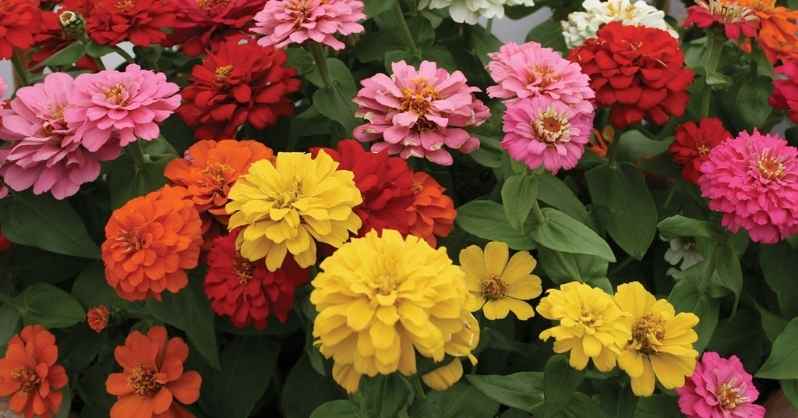
    They come in various shapes and sizes, from tall to bushy or to having a singular stalk. They are also available in multiple colors, such as pink, red and yellow, so no matter the shade of your knockout roses, you’re likely to find a zinnia companion for them!

    9. Petunias

    Petunias plant

    Scientific Name: Petunia exserta 

    Scientific Classifications:

    Kingdom:    Plantae

    Clade:    Tracheophytes

    Order:    Solanales

    Family:    Solanaceae

    Subfamily:    Petunioideae

    Genus:    Petunia Juss.

    One of our most favorite companions for knockout roses are petunias. These amazing flowers are vividly colored and bright, lighting up any garden in which they are planted. 

    Like roses, they love full sun, and rarely need much maintenance except weekly watering. They’re easy to grow and come in seemingly endless colors, so you’ll have a wide range to choose from!

    What Not to Plant Near Knock Out Roses

    So now you know what flowers to plant with your knockout roses. But what plants should you avoid? This is an important distinction to make. Although knockout roses resist disease more easily than other rose species, they do need some special conditions in order to grow and thrive.

    To begin with, knockout roses need a lot of space, so you should avoid planting them beside aggressive growers like wildflowers. Next, although roses love being deeply watered in the summer, they are still sensitive to wet feet. So don’t place them beside plants with moisture-retentive soil. You should also never plant them beside vegetables, as they will most definitely compete for moisture.

    With all that in mind, here are some plants not to plant beside your knockout roses.

    Hydrangeas

    The blue-and-purple beauty of hydrangeas may seem like a perfect visual companion to roses. However, because they need lots of moist soil, they will compete with your roses. Not to mention, hydrangeas love shade, and roses love sun!

    Fuchsias

    With their lively hanging blooms, fuchsias are undeniably beautiful. However, fuschias, like hydrangeas, require a lot of moisture and shade. And so, they’re incompatible companions for roses. 

    Shrubs and Large Trees

    We love a healthy garden with shrubs and trees. They look welcoming, and undeniably add dimension to any garden. However, shrubs and large trees require large amounts of water and nutrients, and planting them near knockout roses is a sure-fire way to keep them in the shade. 

    Instead, consider growing a compact hedge like boxwood shrubs. These can make your knockout roses look very elegant indeed.

  • Do Plant Cells Have Cytoskeleton? Functions & Structure

    Do Plant Cells Have Cytoskeleton? Functions & Structure

    Movement or locomotion is an integral part of life. The plant kingdom is not bestowed with the ability to move, per se, but all of its species have an established system of intercellular contact and intercellular communication. 

    And all of these movements are done by the cytoskeleton. The cytoskeleton is the chief organelle of the cell interior involved with these functions.

    What Is The Cytoskeleton

    What Is The Cytoskeleton

    ‘Cyto’ means cell/cell-like, so cytoskeleton refers to a complex network of proteins that constitute the skeletal system of a cell. Now, this is different from what we usually know as a skeleton in a literal form and is more of a physical skeleton than an anatomical one. 

    The cytoskeleton is practically comprised of three components, namely- microtubules, intermediate filament, and microfilament. Each of these is assigned with unique activities and has a different structural constitution. 

    Their location in a cell can be detected in an interspersed manner, extending from the cell wall to the nucleus.

    Does Cytoskeleton Exist In Plant Cell

    Does Cytoskeleton Exist In Plant Cell

    Cytoskeleton exists in plant cells. It exists in all eukaryotic cells except for bacteria. Plant cells’ cytoskeleton differs from that of the animal cell in terms of the building block. The cytoskeleton of plant cells originates greatly from cellulose while the animal cytoskeleton is mostly actin filaments.

    Another important thing to remember for the plant cell cytoskeleton is its three constituents (mentioned above). Meanwhile, animal cell cytoskeleton is grouped under centrosome and centriole (later turned into astral rays during cell division).

    Structure And Function Of Cytoskeleton

    Structure And Function Of Cytoskeleton

    The cytoskeleton is rather versatile and multipurpose when it comes to its properties. Some of the basic structure and functions are discussed briefly:

    Microtubules

    Structure: Microtubules are microscopic structures visualized under an electron microscope. These are tubular and straw shaped, made up of thirteen protofilaments. The protofilaments are made up of alpha and beta tubulins. 

    This is the largest component of the cytoskeleton triad and ranges in size from 23 nm to 27 nm (average 24 nm) in diameter, and their length can be of unlimited value. 

    The cross-section of a microtubule confirms the arrangement of alpha and beta subunits due to polymerization assembly. 

    Functions:

    • Microtubules are meant to provide mechanical support and strengthen the shape of a cell. They protect against the distortion of the cells under mechanical and thermal injuries. 
    • Microtubules have a plus-end and a minus-end. The minus-end is anchored inside the cell while the plus-end is free and is responsible for signal transduction and cell signaling, regarded with endocrine functions.
    • Plant cell cytoskeleton is exclusive for intercellular movement of the component. This happens as it doesn’t have cilia, flagella, and centriole like an animal cell. The intercellular movement includes vesicles, vacuoles, and sometimes the entire organelle. 

    Intermediate Filaments

    Structure:

    Intermediate filaments are a molecular aggregation of actin protein filaments bound together by hydrophobic interactions. Two blocks of proteins make up the building block of intermediate filaments, named as coiled-coil structure. The helical structure consists of 1A, 1B, 2A, and 2B subunits separated by linker regions.

    These subunits in turn, form a twisted helix called a dimer, two dimers make a tetramer. (Di: 2, tetra: 4). The tetramers then form protofilaments (previously discussed under microtubules). Its diameter is 10 nm, making it an in-between the other two components.

    Functions:

    • Intermediate filaments are known to be involved with axoplasmic transport of signal molecules and chemical mediators as a slow component. Axoplasm is the part of the neuronal process under cover of axolemma.
    • This functions as an essential component in the contraction of smooth muscle. Since plant cells are devoid of muscle, this is implied under the sense of cellular contraction and movement.
    • Filaments are concerned with the movement of pigment granules across cells, as well as provide strength to and contact among neighboring cells. This ensures the exchange of materials to and fro.
    • The junctional complex structural element ensures the proper cell spreading of chemical and biophysical components, the junctional components can be replaced by tight junctions instead of gap junctions to prevent the spreading and movement of substances when required.

    Microfilaments

    Structure:

    Initially, actin filaments make up the central building block of microfilaments. But in the cellular environment, the microfilaments can react with other sorts of proteins. 

    Actin subunits aggregate to form globular subunits that will condense later on to form longer chains by the process of polymerization. This will give rise to the filamentous structure of microfilaments. 

    These are about only 7 nm in diameter, have polarity, and possess the flexibility and tensile elasticity. This is also the smallest component of the cytoskeleton.

    Functions:

    • As the structure suggests the abundance of actin (one of the essential proteins of muscle contraction, another being the myosin), it performs greatly in muscle contraction from a cellular level. (Or in terms of the plant cell, cellular locomotion).
    • This is locomotory, that is, it is concerned with the movement and shifting of cytoplasmic components within and among cells.
    • The actin filaments provide a structural framework to the cytoskeleton of the cell, being the thinnest and finely dispersed all over the cytoplasm.
    • These can polarize rapidly, causing the shape-shifting of cells. This feature protects the cell from external factors and thus prevents premature destruction. 

    How The Cytoskeleton Helps Plants To Grow And Develop

    How The Cytoskeleton Helps Plants To Grow And Develop

    Cytoskeleton influences the growth and development of a plant by means of internal organization and cell division (to be discussed later).

    Internal organization:

    • The cytoskeleton components are known to interact with the plasma membrane of the cell. It creates a pathway for external substances to permeate inside and for waste materials and debris from the inside to leave the extracellular space.
    • The intracellular organelles are commanded to move in the desired direction to perform certain activities. This formation, destruction, and rearrangement of vacuoles and enzymatic vesicles is an essential part of plant growth since these acts heavily regulate the development process.
    • Chromosomal aggregation and cellular polarity are another way the cytoskeleton affects growth in plants by enhancing proliferation.

    What Role Does Cytoskeleton Play In Plant Cell Division

    Plant cell division is vastly mitotic for the division of somatic cells that determines physiological growth. On the other hand, meiosis cell division converts sporophytes to gametophytes for reproduction. The cytoskeleton helps in both of these processes.

    Mitosis

    • The initial step is the formation of the preprophase band, which is a ring of cortical microtubules and actin filaments exclusive to plant cells. It determines the axis and planes in the cell division that will take place. (For example, meiosis 1 and meiosis 2 take place in altered planes).
    • Spindle formation is the next necessary step. The spindle apparatus is a framework formed by a cytoskeleton extending from one pole of the cell to the other. Then, the sister chromatids are fused to the spindle apparatus throughout the mitosis.
    • Cytoskeleton is involved in the formation of the phragmoplast, which is the guiding agent of chromosomes during mitosis. This instructs the movement of an equal number of chromosomes to each pole, preventing disjunction. This step ensures the equational division that maintains the integrity of each plant species.

    Meiosis

    • Just as found in mitosis, the spindle apparatus of meiosis is formed by the cytoskeleton. The cytoskeleton also determines the chromatin movement and specific dynamics of chromosomes.
    • Cytoskeleton also influences genetic inheritance and transmission and modification of information of the genetic blueprint. 

    Conclusion

    The cytoskeleton is one of the significant organelles of a cell, although not discussed as frequently as others. All the functions and contributions of the cytoskeleton to the life cycle of a plant are seen from the very beginning till the last cell deceases. 

    Recent studies show the possible presence of cytoskeleton in species and sub-species that were previously considered to not have any cytoplasm. This discovery may play a role in developing advanced horizons in genetic engineering in plants to increase food production.

    Related Posts:

    Are Plants Sentient? An In-Depth Analysis

    Are Plants Asexual? An In-Depth Analysis

  • Do Plant Cells Have A Permanent Vacuole? Learn About Its Role Here

    Do Plant Cells Have A Permanent Vacuole? Learn About Its Role Here

    A vacuole might be misinterpreted as a practically useless vacuum. In reality, nature doesn’t leave things to sit idle. Hence, a vacuole is an essential element in the intracellular environment of a plant cell with its unique functions to carry and responsibilities to fulfill.

    So, do plant cells come with a permanent vacuole? Yes, they do! But before we go more into details, let’s first discuss-

    What Is A Plant Cell Vacuole

    What Is A Plant Cell Vacuole

    The vacuole is a somewhat spherical, membrane-bound cellular organelle. Plant cell vacuoles are significantly larger than that of animal cells and can be large enough to occupy the major central portion of the cell. 

    It helps push the remaining organelles to the periphery. The function of plant cell vacuole is lysosomal.

    Are There Permanent Vacuole in Plant Cells?

    Do Plant Cells Have A Permanent Vacuole

    Indeed, plant cells are one of the only ones to have permanent vacuoles due to their assigned functions of storage and metabolism. Contrarily, animal cells have small, peripherally placed vacuoles that function temporarily, only under certain requirements.

    What Is The Use Of Vacuole In A Plant Cell

    The great size of the vacuole implies its manifold purpose in the cell, some of which can be demonstrated in the following discussion:

    Lysosomal

    The lysosome is an enzyme-filled pocket that is membrane-bound and occasionally releases hydrolytic enzymes to carry out catabolic metabolism of the cell as well as phagocytosis. Plant vacuole functions similarly to a lysosome in such a way that it is considered the trash chute of a cell. 

    Vacuole takes up metabolic waste products, processes those wastes, and finally excretes them. The fact that it rids intracellular water in this way signifies the maintenance of water balance and heat regulation through the vacuole.

    Detoxification and metabolism

    Vacuoles take up toxic substances and handle them to prevent their detrimental effects on the plant body. Toxic chemicals or biological components that make their way into the cell are usually converted into more soluble, safer compounds. They are then either excreted or made inactivated to minimize their harm.

    Vacuoles are the metabolic unit of plant cells as it regulates anabolism and catabolism. Furthermore, they retain the end products of metabolism, such as pigment, ions, salts, minerals, and organic constituents.

    Structural integrity

    Vacuoles are an essential component in maintaining the structural integrity of a cell by exerting centrifugal pressure from the center toward the cell wall. This enables the cell to become significantly larger without the necessity to synthesize more amount of structural materials.

    The vacuole also influences the import and export of salts and salts. Thus regulating the osmotic gradient across the cell wall that dictates the movement of water in both directions.

    Turgidity

    Plant vacuole is capable of taking and releasing fluid depending on the physiological condition of the cell. The turgor pressure of the cell is controlled by this organelle. When there is excess fluid permeating through the cell wall, the vacuole takes up the fluid and swells up to the brim.

    The opposite happens in dehydration, where the vacuole loses water to make up for the water demand of the plant. That is when wilting and necrosis takes place, as we see in neglected house plants.

    Storage 

    As hinted above, the storage of metabolic end-products the products are also of great importance. For example, human beings are benefitted from using rubber, gum, opioids, honey antiseptic, and medicinal items extracted from plants, which are practically the chief stored products of the vacuole.

    Pigment makes the plant more attractive, making it more susceptible to vector-based pollination. Bitter or harsh materials are used to protect the plants from external invasion.  

    What’s The Function Of Permanent Vacuole In A Plant Cell

    The permanent vacuole of a plant cell carries out some functions that are specific to this organelle, not possible to be achieved by other substitutes, such as:

    Storage of cell sap

    As already mentioned, the vacuole of a plant cell is specialized to store a variety of substances, it also acts to store cell sap. Cell sap is little pockets filled with liquids that are storehouse to the storage materials in question.

    The cell sap of a permanent vacuole not only provides structural integrity to the cell but also mobilizes ions and molecules whenever required.

    Xylem formation

    Xylem is one of the transport tissues of plants that carry raw materials for food synthesis from roots to the leaves. This xylem system is formed from the meristematic cells (cambium and pericambium). 

    The vacuoles of the pluripotent cells that form these elements bind together to form the xylem system. Therefore, a permanent vacuole plays an important role in ion transport as well.

    Can You Find Vacuole In All Plant Cells

    Vacuole must be present in all living cells for it to be able to carry out cellular functions. Since the cells of cambium, capillary, and sieve cells are living, they all have vacuoles.

    The only dead cells of a plant are the xylem. After its formation, the xylem loses its protoplasm and cell membrane. The xylem cells remain in close contact with one another without any distinct boundary. Since the loss of protoplasm is equivalent to death in plant cells, the xylem is considered dead. 

    Hence, all plant cells except for xylem cells have vacuoles. If the vacuoles were to be lost or degraded due to any cause, the cells would eventually die from unregulated ion and water balance.

    Conclusion

    The vacuole is an intramembranous intracellular organelle found in the cells of plants and fungi. They are designated to carry out functions that are indispensable for life. Without the aid of vacuoles, plant cells could not flourish. 

    Vacuoles differ from cell to cell within the same plant to execute tasks particular to that cell and might vary greatly in morphology and life span. However, the core purpose of protecting the anatomy and physiology of the plant remains the same for all types of vacuoles.

    Related Posts:

    Do Plant Cells Have Cytoskeleton? Functions & Structure

    Are Plants Sentient? An In-Depth Analysis

    Are Plants Asexual? An In-Depth Analysis