Author: Neil Thompson

  • Are Plants Sentient? An In-Depth Analysis

    Are Plants Sentient? An In-Depth Analysis

    Plants have always been portrayed as inanimate being for us. Plants are thought not to have feelings or intelligence to function or feel as they do not have brains, which generate all sorts of intelligence and emotions or reflexes. 

    But if that is the case, how do plants survive independently even in the most challenging situations? 

    While ancient studies tell us that a living being requires a well-formed brain to possess feelings or intelligence, recent studies say otherwise. 

    So, are plants sentient? There is still an ongoing debate on that, but plants show the signs of being sentient in many different ways. Let’s learn more about it. 

    What Does It Mean for a Plant To be Sentient?

    What Does It Mean for a Plant To be Sentient

    For a plant, being sentient means to be capable of having feelings or a level of awareness of the surroundings and to have some cognitive abilities as well. Since ancient times, we have had this misconception regarding the ability to have feelings with the ability to respond. 

    It is not necessary to respond; you can also react to show how you feel. This is what exactly the plants do. They react to their surroundings, but they don’t respond actively to them.

    Another way of being sentient is having a certain level of intelligence. The research used to claim that plants do not have the intelligence which is required to be proven as sentient. 

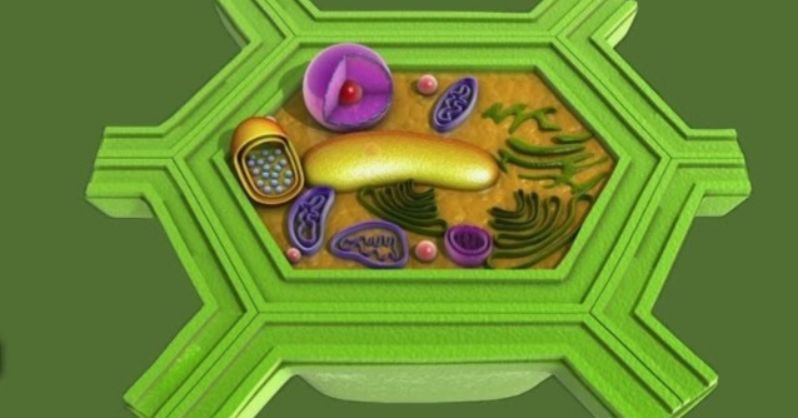
    But if such is true, plants would not have been able to sustain themselves. Plants make their own food with the help of photosynthesis and its organelles; they control the atmosphere accordingly and also store food for future needs. It not only keeps surviving itself but also helps us survive.

    Evidence That Plants Are Sentient

    Evidence That Plants Are Sentient

    There is plenty of evidence that proves plants are sentient as well. Sometimes they are considered even more sentient than a few animals. Following are the characteristics or nature of plants which make them sentient.

    Maintaining Order of Response

    One of the characteristics of being sentient is being able to prioritize the order in which one should respond. In recent studies, it has been figured out that plants do maintain the order of response, and that too with prioritization. 

    Despite the fact that plants do not now possess a mental state to prioritize their needs, they still employ coordinated physiological activity groups to respond to specific environmental conditions. 

    In this whole process, phloem plays the main role of working as a channel for the plants to establish electrical communication. 

    Activities Like A Nervous System

    Plants were initially the subject of not being sentient because they lack in having a nervous system, which is the main thing that makes an animal sentient. 

    It was established that without a brain or a nervous system, a living being cannot be sentient. But recent studies have shown that plants do project features like the neurons of a nervous system present in animals.

    Plants project a lot of action potentials and electrical transmissions, which are quite similar to the neurons present in the animal nervous system. Here phloem acts as a phytoneurone that can transmit impulses, and reflexes are noticed in plants.

    Visible Action Potentials

    If you ever observe a plant, you would always notice that the leaves are always directed in the direction of sunlight. 

    As they make their food through the process of photosynthesis from sunlight, it needs to position themselves towards the sun. This is a similar kind of action potential of the leaf blades of a plant, acting like a motor nerve found in animals.

    Another interesting action potential shown by the plants is aiding or protecting themselves from different insects. 

    When insects harm the plants, just like our motor nerves, the glutamate receptors of the plants transmit it to different parts of the plants, and they aid themselves in different ways like increasing the circulation of salicylate or emitting ethylene.

    Does it Affect our Relation with the Plants?
    Does Sentient Affect our Relation with the Plants

    It does not affect the relationship of plants with us. Rather, it would be a good way to start prioritizing their immense importance in our lives. 

    It is yet to be confirmed if plants react or respond actively to our behavior towards them or not, but they definitely react to our presence. 

    So we should be aware of acknowledging their conscience more than we do now.

    One thing for sure is that they are not inanimate, and we are dependent on them for our survival. So, we should increase our care, affection, and gratitude towards them as we do to other animals or pets we have around us. The notion of ‘Plant Blindness’ should be removed from society. 

    Final Words

    Even if not sentient, plants do help us a lot. Ignoring their presence and not taking measures to take care of them would not only affect their lives but ours as well. 

    Animals and plants are inter-connected and interdependent. The more we give to the plants, the more we will receive. 

    Although it is yet to be firmly established whether plants are sentient or not, the ignorance shown towards the plants should be taken care of.

    Related Posts:

    Are Plants Asexual? An In-Depth Analysis

  • Underwater Flowers in Ocean & Freshwater 

    Underwater Flowers in Ocean & Freshwater 

    For the most part, flower plants are seen growing on the ground. However, many flower species also grow underwater in oceans. Because these flowers are not as common as a lot of the popular flowers, such as sunflowers and roses, which are grown in fields, a lot of you may know little about underwater flowers. 

    To teach you a little more about them, we have listed 8 underwater flowers found in ocean and freshwater. Moreover, we have added a brief description of each of these flowers so you can take away more knowledge from this article.

    Flowers That Bloom in Ocean

    Kelp 

    Kelp plant

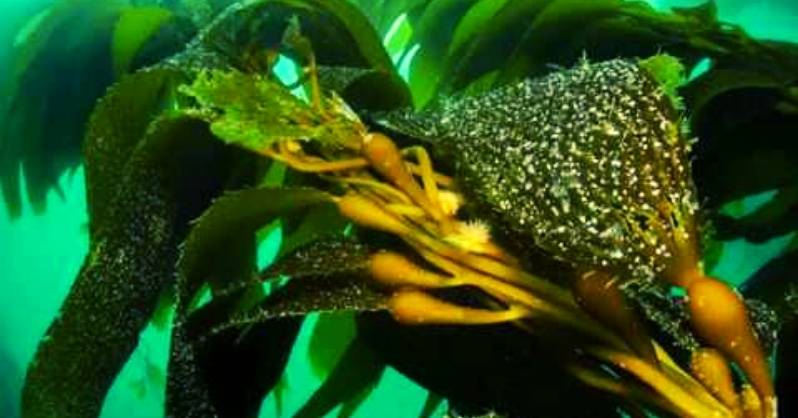
    Anyone who has gone sea diving before may have seen kelp before because it is an extremely common underwater plant. Kelps are a type of algae seaweed, and they are brown. They are widely known for being very long, and a lot of the time, they are responsible for making underwater forests. 

    It turns out that kelp is very nutritious, contains high iodine content, and has several health benefits. Hence, humans also incorporate kelp into their diets by cooking it or even eating it raw. Moreover, kelp often acts as an important part of fishes’ and other herbivores’ diets. 

    Anemone

    Anemone plant

    Anemones can be grown on the ground as well, but here we are talking about sea anemones. Sea anemones look like flowers usually, but they are predatory animals. They are thought to be cousins of jellyfish and coral. 

    The reason behind this is that it is a polyp that stings fishes with its poisonous tentacles. When sea anemones are resting, they look just like flowers because their venomous tentacles surround their mouth like petals. The tentacles are very sensitive, so any slight movement around them will cause the other creature to be paralyzed with its poison. 

    Milfoil 

    Milfoil Plant

    Milfoil is not a plant with a good reputation because it is an invasive species ruining the water quality. This species comes from Asia, Northern Africa, and Europe. Generally, they grow in shallow water, but the roots can sometimes grow up to 10m deep. 

    The stem of this plant is circled by feathery green leaves in multiple segments. The blooms of Milfoil are small, and they are usually red or white. These flowers come afloat around when summer ends. 

    Flowers That Bloom in Freshwater

    Eelgrass

    Eelgrass plant

    The formal name of eelgrass is Vallisneria Americana, and it is considered to be a freshwater plant. They are also often known as subaquatic vegetation (SAV). These plants grow in relatively shallow water of about 3-9 feet in depth, and they grow to about 3 feet in length. 

    Eelgrass helps with water clarity because it holds down the mud and silt underwater. A lot of marine herbivores also feed on eelgrass. They form beds that can act as a safe spot for newborn marine animals to take shelter in. This plant is crucial to a healthy aquatic system. 

    Duckweed

    Duckweed

    If you have seen a garden with floating plants, then you may have seen duckweed there because this tiny floating plant is very popular for gardening these days. They are very small, and they float on freshwater with their simple body structure, which looks like tiny oval-shaped leaves.

    This plant is seen in a large portion of lakes, ponds, and any freshwater bodies in the world. There are many species of duckweed, and they are in the Lemna genus. Duckweeds grow together on a freshwater surface, and they form a beautiful green mat. They only have minuscule unisexual flowers that either have one pistil or stamen. 

    Lotus

    Lotus plant

    Lotus is a very well-known aquatic plant, so you may have seen it in real life or must have at least seen pictures of it before. Also known by its formal name Nelumbo nucifera, this flower is highly valued in cultures and religions across the world. 

    This flowering plant grows and floats on the surface of freshwater bodies. They are seen to be blooming a lot in slow-moving rivers quite often. Flowers blooming from this plant are white or pink and make for a very appealing water feature. The flowers float on their rounded leaves, close up at night and bloom again in the morning. 

    Hornwort

    Hornwort

    Often seen in aquariums, hornwort is a bright green aquatic plant that can be both submerged and free-floating. The formal name of this plant is Ceratophyllum demersum. And it also goes by the names coon’s tail, coontail, and rigid hornwort. This plant can grow anywhere from 1 to 3 feet in length and has several side shoots which give it its bushy appearance. 

    The flowers of this flower are very tiny, 2mm in length to exact, and have over 8 petals that are a greenish shade of brown. Since they form in the leaf axils, they are covered by the bushy and brittle leaves and can’t be seen. 

    Water Lily

    Water Lily plant

    Water lilies are undoubtedly one of the most beautiful floating flowers that you will ever see. They look a lot like lotus but have some distinct features. They have rounded waxy leaves, and the stems go into the mud underwater. This plant also grows at a ridiculously fast rate, and the leaves can grow to be as much as 3 meters in width. 

    The flowers usually have pink or white petals spirally arranged the yellow central stamens. Like the lotus, some water lilies also close during the night and open in the morning. 

    Resources:

    https://www.floweraura.com/blog/about-these-beautiful-underwater-flowers

    https://www.nationalgeographic.com/animals/invertebrates/facts/sea-anemones

    https://en.wikipedia.org/wiki/Sea_anemone

    https://en.wikipedia.org/wiki/Kelp

    https://www.encyclopedia.com/plants-and-animals/plants/plants/duckweed

    https://www.allthingsnature.org/what-is-a-lotus.htm

    https://en.wikipedia.org/wiki/Ceratophyllum_demersum#Invasive_status

    http://www.invadingspecies.com/invaders/aquatic-plants/eurasian-water-milfoil/

    https://www.britannica.com/plant/water-lily#ref347239

  • 4 Plants That Don’t Have Branches

    4 Plants That Don’t Have Branches

    What image does a tree or plant conjure up in your head when you visualize it in your mind? Typically, we depict a tall stem with numerous large and small branches, all of which are covered in leaves. But do all the plants have branches?

    No, many plants do not have branches, and throughout their lifetime, they survive like this. 

    Although branches are supposed to support the structure of a plant also its stems, there are many kinds of plants which are either dependent entirely on their stem or are monocytes with no wooden structure in them.

    Plants That Have No Branches

    Palm Tree

    Palm tree

    Palm trees are monoecious and are straight, unbranched, and have large green leaves, which are arranged in a spiral form at the top of their trunk. Unlike most plants, palm trees survive through the protection of their big spiny leaves. It does not bother them, for having no branches. 

    Although their leaves are not as strong as well-formed branches, it forms palm canopies which protect the plant and cause less damage to the plant. 

    It also has this rare quality to fold up its leaves to protect the plant from external damage from heavy storms or Hurricanes. With its sturdy leaves, it can easily protect itself from strong winds by folding up.

    Banana Tree

    Banana Tree Plant

    Banana trees are monocots, which means it has neither a strong wooden stem nor branches, and it dies after producing their fruits once. 

    It does not have a wooden stem; rather, it has hemicellulose stems giving the plant a structure to stand on. This hemicellulose inside the stem of the banana trees helps it complete its life cycle without a wooden stem. 

    Banana trees have several layers of leaves, and just like grass, it has no hard stem or core inside them. It intakes a high amount of potassium, with 75% of it composed of water which helps the plant to survive in adverse weather as well.

    Bamboo

    Bamboo plants

    Bamboo is another example of plants not having branches. Although bamboo cannot be considered a tree as it has no bark or any other part to separate it from the main body. 

    It is known or classified as a modified grass which grows leaves from its stem. The stem of bamboo is really sturdy and often used as a sustainable resource to build infrastructures. 

    Bamboo is a colony plant that has special requirements for soil to grow and would grow slowly and gradually into enormous plants reaching heights.

    Turmeric

    Turmeric plant

    Turmeric is a perennial herb that has cylindrical rhizomes and two-rowed leaves which are altered from its stem. It has branch-like structures coming out of its body, but they are too tender to be classified as branches. 

    Turmeric is technically not a plant, but they do have characteristics of a plant as it can be classified into the stem, branches, and leaf sheaths. 

    Turmeric is widely used as spices in South Asian countries like India, Nepal, China, etc. They are also hugely beneficial for medical uses worldwide. 

    Having no sturdy structures, its roots are what keep it protected from any damage or at least prevent it to some degree.

    Asparagus

    Asparagus plant

    Aspagaruses are kind of similar in nature to turmeric trees when it comes to their structure. It has no wooden stem, and it only stands on its main body, which is its stems. 

    The stems grow some pseudo branches which cannot be called well-formed branches due to their tenderness. It also has leaves, which are in nature reduced branches. Asparagus is widely used in cooking worldwide. 

    Final Word

    Branches are not always a must for a plant to survive in its habitat or form support for its stem. Every plant, with or without branches, has some unique qualities to survive adversities.

  • What Flowers Can You Find in the Ocean?

    What Flowers Can You Find in the Ocean?

    The oceans are teeming with unexplored terrain, and breath-taking natural treasures that appear as a part of Heaven found on Earth. The aquatic plants and creatures make them more vibrant and wonderfully surreal to look at. 

    However, are there flowers in the ocean? Yes, you will find some beautiful collections of flowers under the depths of the oceans, forming a kaleidoscopic view like a garden full of flowers. 

    Can You Find Flowers In The Ocean?

    Can You Find Flowers In The Ocean

    Yes, there are underwater sea flowers gracefully growing in the ocean depth. The ones considered the beautiful flowers of oceans are either algae or corals, which are considered animals looking like plants. 

    Although they have a completely different mechanism than the plants inland to survive. 

    Not only are these underwater flowers beautiful, but some of them are also useful in preserving the ecosystem’s equilibrium and are even utilized as medicines.

    Some Common Flowers That You’ll Find in Ocean

    The ocean beds have a huge mine of treasures still untapped and yet to be discovered. From the ones discovered so far, here are some fascinating living organisms or flowers living in the depths of the oceans.

    Kelp

    Kelp ocean flower

    Kelps are the most common living beings living in the depth of the oceans. It forms a dense forest-like ambiance in the ocean as if there is an underwater forest lying in the beds of the ocean. 

    It is mostly seen in the Pacific Ocean. Neither a plant nor an animal, Kelps are the ornaments of an ocean that enhance the scenic beauty.

    Red Algae

    Red Algae Flower

    For more than 500 million years, red algae have lived in the warm, tropical oceans of the world. 

    The Phycoerythrin inside it reflects the radiant red light and absorbs the blue light, which makes it look so elegant. It is also widely taken as food by many Asian countries, and it is very high in protein.

    Purple Coral

    Purple Coral

    The bright and vibrant lilac texture of the purple corals is the most attractive and striking feature, which leaves us awestruck. 

    The purple corals are animals which look like plants and do not have advanced features like most animals do. The color might be a striking feature, but it is also famous for providing shelter to other corals as a reef-building species.

    Coral Reefs

    Coral Reefs

    Coral Reefs are really gorgeous to look at. It adds colour to the ocean bed and is admired for its vegetation process. 

    They have different photosynthetic pigments and non-fluorescent and fluorescent proteins, which gives them such radiant and bright colors.

    Final Words

    Apart from these few plants, there are thousands of plants living underwater, yet to be discovered. Although these organisms are getting highly threatened due to the alarmingly increasing global warming.

    Related Posts:
    Underwater Flowers in Ocean & Freshwater 

  • 5 Plants That Resemble Wisteria

    5 Plants That Resemble Wisteria

    Wisteria is a plant with almost incomparable and truly beautiful flowers. This vining plant blooms in large clusters of hanging flowers that range from shades of blue to purple to lilac. If you already have this plant in your house or can’t find it anywhere, then you might want suggestions for plants like Wisteria.

    Luckily, we have a few fantastic alternatives to Wisteria that you may find suitable for your garden. We have added 5 options to our list, so you have the liberty to choose whichever one you find to be more eye-striking.

    Plants That Are Similar to Wisteria

    Below, there are 5 plants like Wisteria, and a short description attached for each of them:

    Actinidia

    Actinidia plant

    Scientific Classifications:

    Kingdom:  Plantae

    Clade:        Angiosperms

    Clade:        Asterids

    Order:        Ericales

    Family:       Actinidiaceae

    Genus:        Actinidia

    Type species: Actinidia callosa

    This is essentially a genus, and plants of this genus grow mostly in the Eastern part of Asia. For an alternative to Wisteria, you could get the Actinidia plants that grow tall and sturdy vines.

    In terms of the vines, it will give you a very similar look to that of wisteria. Although it does not have lilac flowers, the white flowers that come before the kiwi fruits in the plant are also nice.

    Ampelopsis

    Ampelopsis plant

    Scientific Classifications:

    Kingdom:  Plantae

    Clade:        Angiosperms

    Clade:        Eudicots

    Order:        Vitales

    Family:       Vitaceae

    Subfamily: Vitoideae

    Genus:        Ampelopsis

    Ampelopsis is a climbing herbs genus. This plant also goes by the names porcelain berry and pepper vine.

    Species of this genus can grow quite tall shrubs. If you plant it next to a wall, it will cover a large portion of your wall and give a similar look to vines of Wisteria.

    Clematis

    Clematis plant

    Scientific Classifications:

    Kingdom:  Plantae

    Clade:        Angiosperms

    Order:        Ranunculales

    Family:       Ranunculaceae

    Subfamily: Ranunculoideae

    Tribe:         Anemoneae

    Genus:        Clematis

    Genus of plants from the buttercup family, Clematis genus contains plants with a lot of varieties. However, if we had to pick one similar to Wisteria, we would suggest taking a look at Clematis Montana.

    It grows vines and has wonderful light pink blooms which smell like vanilla!

    Hedera

    Hedera plant

    Scientific Classifications:

    Kingdom:  Plantae

    Clade:        Angiosperms

    Clade:        Asterids

    Order:        Apiales

    Family:       Araliaceae

    Subfamily: Aralioideae

    Genus:        Hedera L.

    You may have heard of Hedera before with a different name – ivy.

    While plants from this genus do not have remarkable blooms, their foliage can create a wonderful display by covering the exterior walls of buildings. It is a very hardy plant, so you can easily grow it.

    Humulus

    Humulus plant

    Scientific Classifications:

    Kingdom:  Plantae

    Clade:        Angiosperms

    Clade:        Rosids

    Order:        Rosales

    Family:       Cannabaceae

    Genus:        Humulus

    The Humulus genus is very small. There are two species that are similar to wisteria as they are climbing perennials.

    Their foliage is very appealing to the eye, and it also has beautiful flowers known as hops.

    Resources:

    https://en.wikipedia.org/wiki/Actinidia

    https://en.wikipedia.org/wiki/Ampelopsis

    https://en.wikipedia.org/wiki/Clematis

    https://www.gardenia.net/plant-variety/clematis-montana-group

    https://shop.holex.com/en_US/greens-foliage-wholesale-guide

  • Which Plants like Horse Manure? Learn Now

    Which Plants like Horse Manure? Learn Now

    We have all heard of cow manure being widely used as a soil fertilizer for various crops. On the other hand, the use of horse manure as a fertilizer is seen much more seldom. However, it turns out that some properties of horse manure can actually be beneficial for growing some plants.

    In today’s article, we will be exploring plants like horse manure. Along with that, we will also be briefly taking a look at what plants don’t prefer.

    Plants That Like Horse Manure

    The reason why horse manure can be helpful in the growth of some plants is that they provide a boost of nitrogen in the soil. Not only that, but it also contains good amounts of phosphorus and potassium, which are all essential nutrients for a plant’s healthy growth.

    Kale

    Kale plant

    Scientific Classifications:

    Kingdom:  Plantae

    Clade:        Angiosperms

    Clade:        Eudicots

    Order:        Brassicales

    Family:       Brassicaceae

    Genus:        Brassica

    Kale is quite quickly becoming one of the most popular leafy vegetables in the world, as people are finding more and more delicious healthy recipes with it. Using well-rotted horse manure can really help farmers to get the best yield when growing kale.

    Pak Choi

    Pak Choi plant

    Pak choi is a vegetable that is used in Asian cuisines the most. They make great side dishes, or you can chop some up and add them to your main dish. Organic horse manure can be amazing for making the soil richer with the three most important nutrients the Pak choi plant needs.

    Spinach

    Spinach plant

    Scientific Classifications:

    Kingdom:  Plantae

    Clade:        Angiosperms

    Order:        Caryophyllales

    Family:       Amaranthaceae

    Genus:        Spinacia

    Species:      S. oleracea

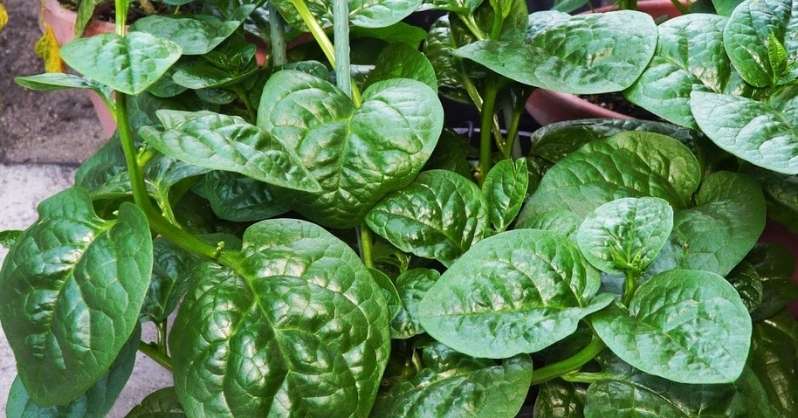
    Used in all countries and cuisines across the world, spinach is a versatile vegetable in high demand because of all its packed nutrients. It turns out that horse manure is fantastic for leafy vegetable Herbaceous plants since they require a high amount of nitrogen. Hence, it works well for spinach.

    Mustard 

    Scientific Classifications:         

    Kingdom: Plantae

    Subkingdom: Viridiplantae   

    Class: Magnoliopsida    

    Order: Brassicales          

    Family: Brassicaceae     

    Genus: Brassica L

    From making condiments to oils, mustard is a very useful crop that farmers want to grow. Studies have shown linking the use of horse manure as organic fertilizer for mustard plants to higher protein content and oil in mustard crops!

    Lettuce

    Lettuce flower plant

    Scientific Classifications:

    Kingdom:  Plantae

    Clade:        Eudicots

    Order:        Asterales

    Family:       Asteraceae

    Species:      L. Sativa

    Lettuce is also a leafy plant which is why horse manure greatly helps in its growth. It has been found that the best effect for lettuce can be achieved when the manure is mixed with lime and then used as fertilizer.

    What Plants Don’t Like Horse Manure

    Using horse manure is just not the best option for flowering plants. Because horses don’t digest everything very well, oftentimes, weeds can be found with manure. So, when the weed-containing manure is used as a fertilizer, it can result in weeds being grown all around your flower plant.

    Resources:

    https://outpostbuildings.co.nz/blogs/news/what-is-horse-manure-good-for

    https://www.sciencedirect.com/topics/agricultural-and-biological-sciences/horse-manure

  • 5 Most Rare And Exotic African Flowers

    5 Most Rare And Exotic African Flowers

    Africa is filled with unique and mystical flowers that you won’t find anywhere else. There are flowers of different colors, shapes, sizes, etc. Form their appearance; you can immediately tell that they are not any regular flowers you’ll find in the market.

    It is a shame that these rare flowers often go underappreciated by most people. So that more of you are educated and aware of these rare African flowers, we have come up with a list of 6 of these beautiful flowers!

    African Flowers That Are Rare to Find

    We do not just want to provide a bullet point list of the names of these flowers, which is why we have also attached a brief but informative description of each of these flowers.

    African Violets

    African Violets

    Scientific Name: Saintpaulia

    Scientific Classifications:

    Kingdom:  Plantae

    Clade:        Eudicots

    Clade:        Asterids

    Order:        Lamiales

    Family:       Gesneriaceae

    Genus:        Streptocarpus

    Section:      S. Saintpaulia

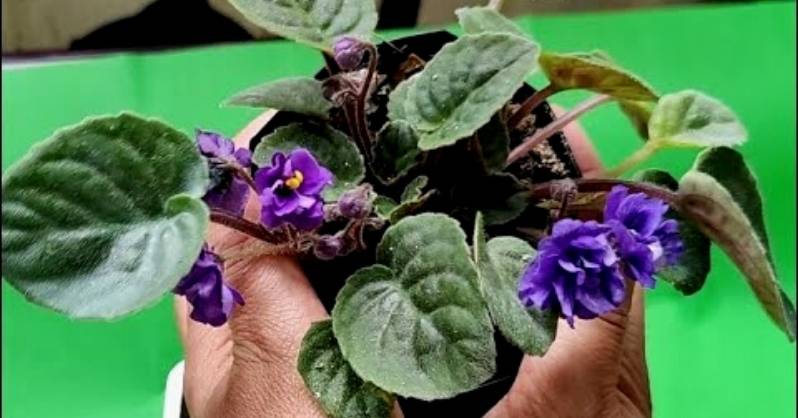
    Amongst all the flowers on our list, this is the most appreciated one as they are kept as houseplants sometimes. However, we still think it deserves more recognition. This flowering plant is a perennial and grows well in both the wild and in houses. The petals of these flowers can vary between any shade of violet.

    What’s more interesting is that it can even become white in the wild. The leaves of this flower are slightly hairy and fleshy. They grow well in tropical weather and are native to Kenya as well as Tanzania. It grows the best in places with indirect sunlight and moist but well-drained soil.

    Ethiopian Roses

    Ethiopian Roses plant

    Scientific Name: Rosa abyssinica

    Scientific Classifications:

    Kingdom:  Plantae

    Clade:        Tracheophytes

    Clade:        Rosids

    Order:        Rosales

    Family:       Rosaceae

    Genus:        Rosa

    Species:      R. abyssinica

    If you want to get one of the most luxurious-looking roses, then your eyes should be set on Ethiopian roses. They look very elegant and have velvety petals. You can get the classic red color with this rose, but there are plenty of other colors that this flower grows as.

    This flower is grown in Northwestern Africa, but now it is being grown more in some regions in Asia as well. What sets this rose apart is its size. They are huge! To put it into numbers, the bud can grow as large as 15 cm in diameter. Hence, when it blooms, it looks stunning. We must also add that the Ethiopian rose’s scent also has much more depth than that of regular roses.

    Blue Water Lily

    Blue Water Lily

    Scientific Name: Nymphaea nouchali var. caerulea

    Scientific Classifications:

    Kingdom:  Plantae

    Clade:        Tracheophytes

    Order:        Nymphaeales

    Family:       Nymphaeaceae

    Genus:        Nymphaea

    Species:      N. nouchali

    Variety:      N. n. var. caerulea

    Blue water lily, also known as Egyptian lotus, Nymphae carulea, or blue Egyptian lotus, among many other names, is an aquatic flower plant that grows in freshwater bodies. This flower is found abundantly in the Eastern regions of Africa. It has a tuberous rhizome which allows the plant to survive through some tough conditions.

    These flowers have a diameter of about 8 to 12 cm and come in many colors, including white, blue, pink, or even mauve. The most common color that this flower grows in is a light blue or mauve. The yellow center in the middle of the 14 to 20 colorful petals makes the flower look even more beautiful.

    Fire Lily

    Fire Lily plant

    Scientific Name: Gloriosa superba

    Scientific Classifications:

    Kingdom:  Plantae

    Clade:        Tracheophytes

    Clade:        Angiosperms

    Clade:        Monocots

    Order:        Liliales

    Family:       Colchicaceae

    Genus:        Gloriosa

    By looking at the Fire lily, we can see why it was given this name. With petals that have a gradient from orange to red, this flower looks a lot like a fire. It grows on straight stems with a height of about 20 cm. The actual reason behind this flower’s name is because it grows after the wildfires in the summer ends.

    This plant is native to South Africa; sometimes, it can grow in clusters. The flowers have a funnel shape, and they have large deep green leaves right below them, which can cause a dense. Several hybrids of this flower have been created, and they have varying traits.

    Bird of Paradise Flower

    Bird of Paradise Flower

    Scientific Name: Strelitzia reginae

    Scientific Classifications:

    Kingdom:  Plantae

    Clade:        Monocots

    Clade:        Commelinids

    Order:        Zingiberales

    Family:       Strelitziaceae

    Genus:        Strelitzia

    Species: Strelitzia reginae

    Seeing the bird of paradise flower puts into perspective how magnificent mother nature is. Named because of its uncanny resemblance with the forest bird species called birds of paradise, this flower is native to South Africa. It is also known as Strelitzia reginae and comes from the Strelitziaceae family.

    The flower has two pointy petals and five stamens, and it is colored orange and blue. Two-edged petals form a boat-like flower bract that looks like a bird’s body, and the stamens look like its wings. The leaves of this plant feel a lot like leather and are oblong.

    It also has underground stems, better known as rhizomes, which can grow up to 5 feet in height. Overall, this flower species has many rare features, and it is difficult to get hold of one of these stunning flowers.

    Related Posts:

    What Flowers Can You Find in the Ocean?

    Underwater Flowers in Ocean & Freshwater 

    Leucophyllum Compacta: Overview, Uses & Care

    Resources:

    http://www.flowers.org.uk/plants/plants-by-name/a-c/african-violet/

    https://www.selinawamucii.com/produce/flowers/ethiopia-fresh-cut-roses/

    https://www.kew.org/plants/fire-lily

    https://www.southernliving.com/plants/fire-lily

    https://www.britannica.com/plant/bird-of-paradise-flower

  • Ingrid Liz Ivy | All You Need to Know

    Ingrid Liz Ivy | All You Need to Know

    You may have seen some plants with green and white leaves inside people’s houses or on their balconies. There is a high possibility that the plant was an Ingrid Liz ivy plant. These plants are very popular houseplants, and they also have a nice appearance, which makes them a great addition to your plant collection for decoration. 

    Do you want to get an Ingrid Liz Ivy? Before you do that, it’s best if you do some research about it. You’re in good luck because we have everything about this ivy plant summarized for you right here under one roof!

    What is Ingrid Liz Ivy?

    What is Ingrid Liz Ivy

    Scientific Classifications:

    Kingdom:    Plantae

    Clade:    Angiosperms

    Clade:    Eudicots

    Order:    Apiales

    Family:    Araliaceae

    Genus:    Hedera

    Species:    H. helix

    Ivies have numerous variations, and they all make excellent houseplants because they are great for beautifying your space, and also, they are not that difficult to take care of. This type of ivy has gray-green foliage, and the leaves have white edges. The plants has a good amount of similarity to wisteria.

    This plant can grow quite a lot in length, so only get it if you have adequate space in your house. With saying that, we need to mention that it is still very much a suitable indoor houseplant. Like other ivies, the Ingrid Liz ivy is a vine, so it can grow along a lot of space, and you can even have it hang from a basket. 

    Furthermore, you can let it climb on walls with sufficient sunlight, and once it has fully grown, it will look very pretty. 

    Physical Characteristics

    As you already know, ivy plants climb and crawl over spaces as they grow. They can do this because they have aerial roots and disks attached to their stems. This plant does not have a very complex physical structure, and its stem mostly consists of gray-green leaves with white edges. 

    Oftentimes, the Ingrid Liz ivy will grow vertically, but when it reaches its peak height, it starts to hang or grows out horizontally. Around late autumn, you may notice that the plant has started to produce small green flowers. Fruits can also be produced by this plant, and like other ivies, the fruit that it produces are berries. 

    However, it is most likely that your Ingrid Liz ivy plant will not produce fruits. This plant does not require a lot of special care and can tolerate moderately poor soil conditions. But to ensure that it grows well, you want it to get enough sunlight. 

    The Ingrid Liz ivy specifically thrives more in light shade and does not need a lot of sunlight to grow well, unlike most ivy species. While lighting is not a big hassle for the plant, you do have to keep in mind that this plant likes water. So, do not forget to water it, or else it will not grow. 

    The Plant’s Benefit and Uses

    Benefit and Uses of ingrid liz ivy

    It may surprise you to hear that Ingrid Liz ivy does have some benefits that may have not even crossed your mind. It can help you in taking care of your body and also act as an ornament. We have discussed each of its benefits briefly below:

    Has a Lot of Ornamental Value

    Let us begin by talking about the benefit that you probably already know. This plant does look beautiful, and since this species of Ivy especially can thrive in low-light as well, it can be used for decorating your home as well. 

    Helps in Purifying Air Inside the House

    Although there may not be a significant improvement in air quality when you have ivy inside your home, it can be noticeable. If the plant is kept in a smaller space, then the difference may be more evident to you. 

    Potential Anti-inflammatory Properties

    In some ways ingesting ivy leaves will help you in relieving congestion. In a lot of cases, it has been seen that the leaves of this plant have mitigated inflammation and have also broken down build-up mucus that could cause respiratory and breathing problems. 

    Before you even think of ingesting these leaves or putting them on your skin, please consult with your doctor. This is because some leaves of Ivy plants may be toxic and can cause adverse effects such as nausea, vomiting, and diarrhea. 

    Is it Toxic?

    While we can’t say this plant is completely toxic, we would strongly discourage you from just tearing off one of its leaves and ingesting it. For humans, this plant is considered to be mildly toxic if directly ingested as it can irritate the mouth and stomach and can even cause vomiting. 

    Try to keep your pets away from this plant because cats and dogs usually have very bad reactions to consuming ivy leaves. 

    How to Grow and Care for It

    How to Grow and Care of ingrid liz ivy

    After reading all this about the Ingrid Liz ivy plant, if you’re interested in growing and caring for one, then you must read this section. In this part of the article, we will be addressing all the different needs of the plant and how you will have to cater to them. 

    Keep it in a Place with Shade

    Unlike most Ivy plants, the Ingrid Liz ivy does not need a lot of light. Instead, it grows best in a place with little light and a lot of shade. Thus, you can easily keep this plant in your bedroom or any room indoors. Just ensure that it’s not getting direct sunlight. 

    Water it Regularly

    Although we have said that this plant is not a high-maintenance plant, you will need to be a bit mindful about regularly watering it. You will have to keep the soil always moist because the plant will not grow well in dry soil conditions. 

    With the help of a watering can pour water on top of the soil of the plant’s pot until you see water coming out of the drainage holes. The way you will know whether you have to water the plant or not is by pressing down on the soil. About 3 days after watering, press down on the soil lightly, and if the soil still seems moist, get back to it after 2 days. 

    Fertilize the Plant

    To make your plants thrive, you have to provide them with nutrients as well, and for that, you will need to fertilize the plant. Ingrid Liz ivy needs to be fertilized every month during the growing season, but do not add fertilizer to its pot during winter.

    What’s the Best Way to Repot Ingrid Liz Ivy?

    What’s the Best Way to Repot Ingrid Liz Ivy?

    Repotting your Ingrid Liz ivy is necessary for healthy growth. You want to get a slightly larger pot than your current one. Fill the new pot about 1/3 way through with your new potting mixture. 

    Water the plant so the soil is loosened, and then you can take out the root ball of the plant. Then go in with your fingers and gently take out the root ball from the bottom. Once the roots have been taken out, cut off some of the rotten-looking roots, and shorten the roots to 75% of their original length. 

    Then place it inside the new pot, and fill the rest of the pot with the potting mixture and soil. Once you have filled the pot, tap it lightly to break any air holes inside the soil. After that, move the pot onto a drainage tray and start pouring water over the soil gradually till it starts coming out of the drainage holes. 

    Related Posts:

    Philodendron Green Emerald | Uses, Characteristics, & Care

    Piper Crocatum | Uses, Origin & Propagation

    Anthurium Water Dragon: Origin, Care, Uses

    Agave Victoria Reginae: Overview, Uses & Care

  • What Is Plant Embryo? Everything You Need to Know

    What Is Plant Embryo? Everything You Need to Know

    It’s a common misconception that seeds are the first stage of reproduction and birth of a new plant, and that couldn’t be further from the fact. While seeds are an important component of reproduction, what matters more is what’s inside them. 

    Seeds can be considered containers. Whereas the real foundation of the birth of a new plant is the embryo. In this article, we’ll discuss what a plant embryo is, its importance, and much more! So, let’s get right into it. 

    What Is Plant Embryo

    Plant Embryo

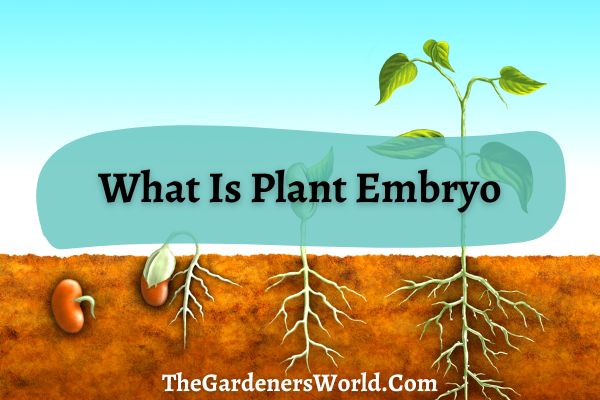
    The plant embryo is essentially the roots, leaves, and stem of the plant in its earliest possible form. A plant’s embryo is mainly contained within the seed of the plant. However, this isn’t necessarily true for all plants, as some may reproduce without a seed. 

    Importance Of Plant Embryos

    Importance Of Plant Embryos

    The embryo activates and triggers the seed to germinate when certain conditions are met. Slowly, the seed turns into a seedling and then a plant. 

    To sum it up, the plant embryo acts like a “Starter Kit”. The embryo is capable of detecting external stimuli. When it detects the presence of adequate oxygen, water, and specific minerals, it triggers germination. This is when the seed starts absorbing the endosperm. 

    Without the embryo, the seed would’ve been an empty shell incapable of growing into a new plant. This is why it’s considered more important than the seed in the case of plant reproduction. 

    The Process of Plant Embryo Development

    The procedure of plant embryo development is called embryogenesis in short. Embryogenesis is triggered in the ovule of a plant from either single or double fertilization. 

    Beginning of Embryogenesis

    This process leads to the creation of two different components, the endosperm and the zygote. The endosperm later develops into the seed under suitable circumstances. 

    Whereas the zygote goes through a cell division process that results in two different cells, the basal and the apical cells. These two cells are responsible for creating the polarity in the ovule. 

    Of the two, the apical cell contains most of the cytoplasm and is located at the top. Through further cell division, this cell gives birth to the cotyledons, hypocotyl, and apical meristem. 

    On the other hand, the basal cell, which is located at the bottom, divides and creates the hypophysis and suspensor. The basal cell contains a large vacuole and usually is larger than the apical cell. 

    Globular Stage

    After this, the embryo goes through the eight-cell and sixteen-cell division stages. In the third stage of growth, the embryo takes a spherical shape. This is why this is known as the globular stage. 

    The globular stage is one of the most important ones as the meristematic tissue is developed in this phase. The growth of two other important components, the procambium and ground meristem, is initiated in this stage. 

    Heart Stage

    Next, it goes through the heart stage, which is more of a transition form. The cotyledons are formed, and they elongate throughout this stage. It’s called the Heart stage because most plants contain two cotyledons at this stage, and they give a heart-like appearance. 

    Proembryo Stage

    In this stage, the cotyledons and the axis continue to elongate further. One of the key changes in this stage is the shortening of the suspensor complex through the termination of some of its parts. 

    The main reason behind this shortening is making adequate space for the embryo to mature. Throughout this phase, the suspensor shortens and disappears eventually while the embryo matures. 

    Maturation

    The maturation falls under the postembryonic development stage, as the embryo is more or less mature by this. In this phase, the embryo stores essentials such as starches, oils, and proteins. 

    These essential supply energy during germination and growth of the seed. Furthermore, the seed hardens in this stage, which makes it suitable for survival. 

    Dormancy

    The last stage of embryogenesis is called dormancy, and this is where the embryo stops growing. What makes this phase stick out is that even if the seed is kept under perfect conditions, it won’t germinate. 

    To force the seed to germinate or to break the dormancy, some special actions must be taken. For example, if the seed is too thick, the external coating of the seed must be stripped off through a process known as scarification. 

    In other cases, the seed is exposed to smoke or cold for breaking the dormancy. Either way, breaking the dormancy is one of the crucial factors for germination. 

    How Does the Environment Affect Plant Embryo Development?

    The environment has a huge effect on plant embryo development, especially in the dormancy phase. Multiple environmental factors can affect a seed’s germination. 

    These are mainly drought, cold, saline water, and heat. However, whether these will influence the dormancy period or not depends strictly on the type of seed. 

    While some seeds germinate faster in a cold climate, other seeds break dormancy under heat.   

    Why Is Understanding Plant Embryo Development Necessary

    Plant embryo development is an important concept, and it’s important to understand it for many reasons. A solid grasp of this topic can help us in a multitude of ways. 

    For starters, understanding how a plant’s embryo develops can help researchers come up with new ways of irrigation and cultivation. With the acquired knowledge, it’s possible to tweak the existing methods for a faster and better harvest. 

    Moreover, researchers can edit the genome of plants to enhance their output as well as durability. Furthermore, it’s also possible to make plants resistant to certain diseases.

    By understanding the germination process of a certain plant, it’s possible to make a new species out of it that’s more refined and yields higher output. 

    Related Posts:
    Do Plant Cells Have Ribosomes? Role & Importance

    Do Plant Cells Have Cytoplasm? Find The Answer Now

    Do Plant Cells Have Chloroplasts? Everything You Need to Know

    What Does a Stem Do For A Plant? Learn About Functions of Plant Stems

    Do Plant Cells Have DNA? A Detailed Answer

    Conclusion

    Hopefully, our detailed discussion on embryogenesis and how to plant an embryo might be affected by environmental factors satisfied your curiosity.  

    Now that you know the concept, we highly recommend picking a handful of plant species and learning how embryogenesis works for them. 

  • Do Plant Cells Have Cell Walls? Functions & Importance

    Do Plant Cells Have Cell Walls? Functions & Importance

    Plant and animal cells have certain distinguishing features which sets them apart from each other. However, both plant and animal cells are built with certain structural layers and organelles that are responsible for various important functions within the cell. One such structural layer is cell wall. Cell walls are an integral part of a cell, and they play a pivotal role in maintaining the filtering mechanism of the cell.

    But do plant cells have cell walls? Why do plant cells need cell walls in the first place? Find out why the cell wall is a crucial aspect of cells in this article.

    What Are Cell Walls?

    Plant Cell Wall

    Before diving into the discussion, let’s have a look at what cell walls actually are.

    All cells have an outer boundary. Cell wall is the outer boundary in some cell types. It is a rigid layer outside the cell which resides next to the plasma membrane. This rigid layer is due to the presence of a huge number of polysaccharides and the passive uptake of water.

    Cell walls are known for their incredible support to the cell and its components. Besides, cell walls also have protective and filtering functions. They not only act as a boundary to the cells but have crucial roles in maintaining the growth of plants.

    A cell wall is a distinct and specialized manifestation of the extracellular matrix in cells. It is mostly composed of cellulose, matrix polysaccharides, and proteins. Other than these compositions, cell walls serve as an important form of intercellular communications. 

    Do Plant Cells Have Cell Walls?

    Unique Abilities of Plant Cell Walls 

    The cell wall is a distinct and integral part of plant cells. In fact, cell wall is a crucial differentiating point between plant and animal cells. Animal cells lack a cell wall, which is one of the main distinguishing features between plant and animal cell.

    A cell wall forms the main framework for a cell. All the other structural layers and organelles are housed within the cell wall. The main reason why plant cells need cell wall is because of their continuous water transportation. Due to continuous water transportation, plant cells are always at risk of swelling and bursting out. A tough and rigid layer like cell wall protects the cell from expanding and keeps it at bay. 

    Cell walls have optimum control on the internal turgor pressure within the plant cells. They also have an important role in maintaining the osmolarity in plant cells. Besides, plant cell walls take part in hydration, transportation, protection, vitality, and survival. 

    The Role of Cell Walls in Plant Cells 

    Role of Cell Walls in Plant Cells

    Cell walls play a vital role in plant cells. Let’s have a look at how a cell wall functions in plant cells-

    Providing Mechanical Support

    The cell wall maintains the shape and size of the cell with the help of its rigid composition formed with cellulose and proteins. It provides mechanical strength to the entire cell and protects the cell from osmotic stress. Cell wall in plants also allows semi-permeability and provides the passage for cellular substances to move in and out of the cell easily.

    Withstanding Internal Turgor Pressure

    One of the most crucial roles of cell wall is withstanding the internal turgor pressure within the cells and preventing the cells from bursting with excess water transportation. The cell wall acts as a tough membrane for the plant cell and allows smooth water transport across the cell without expanding to a maximum extent.

    Intercellular Communication

    Another important function of cell wall is to maintain intercellular communication by forming pores and channels called plasmodesmata. With the help of such kinds of intercellular communications, different signals can pass from one cell to another. The plant cells can form a strong support system among each other through this unique form of communication.

    Protection Against Pathogens

    The cell wall acts as an excellent barrier against pathogens like plant viruses, harmful bacteria, and so on. It prevents pathogens from entering the plant cell and disrupting the normal cellular function.

    Storage Function

    Cell wall acts as a storage for carbohydrates. These carbohydrates are later utilized by the plants for growth purposes. It is a common phenomenon among seeds of the plants.

    What Are Cell Walls made Of 

    What Are Cell Walls made Of 

    Cell walls are made of a combination of different substances. The majority of cell wall is occupied by cellulose molecules. However, cell walls also bear protein molecules and matrix polysaccharides. 

    Bacterial cell walls are composed of peptidoglycans, while fungal cell walls are formed with chitin. Algal cell walls also consist of polysaccharide molecules similar to plant cell walls. Most of the cell walls are composed of structural glycoproteins that perform a multitude of functions within the cell.

    The cellulose molecules in a cell wall are arranged in a flat ribbon-like structure. Matrix polysaccharides within the cell wall are formed with hemicellulose and pectin. Pectin is a pectic polysaccharide that has a pivotal role in cell adhesion. On the other hand, hemicellulose includes xylans, glucans, and mannans. They form the structure of the walls and facilitate plant growth. The origin of both pectin and hemicellulose is from the Golgi apparatus of the plant cell.

    Plant cell wall is also formed with many glycoproteins, mainly hydroxyproline and serine. Besides, other structural composition of the cell wall includes lignin, cutin, suberin, which have incredible role in providing stability and protection to the adjacent plant cells. 

    Can Plant Cells Survive Without Cell Walls 

    Man cannot survive without a house. Similarly a plant cell cannot survive without its cell wall. Plant cells need cell walls for their sustenance and survival.

    If plant cells did not have cell walls, there would have been a high risk of the cells expanding due to excess internal pressure and bursting out. This would lead to the untimely death of the cell, and there would be no plant left in the world at some point.

    Cell walls protect the plant cells from their cessation by maintaining their internal turgor pressure and ensuring stability within the cells. Besides, cell walls protect the cellular components from external impact and keep the organelles intact. If plant cells lacked cell walls, any external impact would’ve destroyed the cellular organelles, and plant life would have ceased to exist.

    So, it can be said that, without cell walls, plant cells will never survive. This is why cell walls are termed as the savior of plant cells.

    The Unique Abilities of Plant Cell Walls 

    One of the unique abilities of a plant cell wall is the ability to expand without undergoing any breakage. This is something applaudable as cells have many factors that can cause them to expand hugely. However, with the cell wall being a tough layer, this process is almost impossible. Cells can no longer expand with breakage and disruption in the presence of cell walls. As a result, it assists in the growth of the plant and prevents untimely death of the plant.

    Conclusion

    Bringing it to an end, it can be said that plant cells cannot function without a cell wall. From forming the framework to helping in different physiological functions of the cell, a cell wall is one of the most important parts of the cell. 

    Related Posts:

    Do Plant Cells Have Chromosomes? Find Out Everything Here

    From Water to Sunlight: The Raw Materials for Photosynthesis

    What Is Plant Embryo? Everything You Need to Know

    Do Plant Cells Have Ribosomes? Role & Importance

    Do Plant Cells Have Cytoplasm? Find The Answer Now