Category: Blog

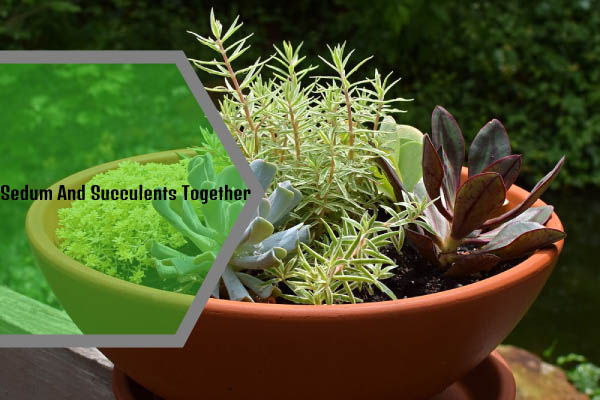
  • The Complete Guide to Planting Sedums and Succulents Together

    The Complete Guide to Planting Sedums and Succulents Together

    Planting sedums and succulents together is a great way to spruce up a dull corner of your garden, making it look like a colourful explosion of flowers. One of the easiest ways to propagate these plants is by allowing their roots to grow in a cactus-potting mix.

    But, there are some things you need to know before planting succulents and sedums together.

    Which Succulents Can Be Planted Together?

    Which Succulents Can Be Planted Together

    The succulent variety is the transformation of many tree saplings into succulent soil.

     There are many types of succulents. Trees need to be converted depending on the season. The type of tree that can be planted together with succulents should be planted. They will live in harmony and maintain the look of the whole set for a long time.

    For example, Crassula (Jade) is a winter farmer and Graptosedum California Sunset is a summer farmer. So it would not be a good idea to plant them together. When it comes to juicy combinations, you should consider the need for their growing season, water, light and soil.

    If you want to plant trees succulents together with sedums. Then you can read our discussions below

    What is Sedums?

    What is Sedums

    If you need a sedum or rock crop, one of the easiest plants to grow in your garden, you need fertile soil. These perennial succulents require well-drained soil and very little water. They are also easy to propagate, have colourful flowers and although they spread quickly, they are not aggressive. The beauty of using their different coloured leaves. Before planting trees along a path in the garden, make sure that they are suitable for that condition.

    To be fair to the species, sedums typically grow in USDA zones 3 through 9. Sedums bloom from summer to autumn depending on the range. On the clamping variety, the flowers are on top of the leaves and are preferred. So many flowers can bloom for a creeping nation that they can turn a garden into a colourful carpet.

    The Complete Guide to Planting Sedums and Succulents Together

    The Complete Guide to Planting Sedums and Succulents Together

    Succulents can be planted together in the same container and the juicy colours are just fine, but they will look better if they are planted in different colours. The colours are going to complement each other and they will look beautiful.

    The two most popular types of trees that people like to grow at home are annuals and perennials. But there is a third option: annual which is perennial. Annuals that are perennials are incredibly easy to keep alive and can be a great choice to decorate around the house or as a gift. They require very little maintenance and do not require soil for growth. They come in a variety of leaf shapes and colours and with a wide range of patterns, making them a perfect choice for design.

    Care Requirements

    One of the best ways to handle this is to collect quality pots. If you have a good drainage system in your backyard, it is also common to plant sedum from leaf cuttings, however, it is a much slower way to increase sedum in the landscape.

    Sedum is juicy and drought tolerant. In the first case, place with prepared water. There is no need to give extra water as the tree grows. In fact, excessive water can cause rot and sedum stalks and roots to die. That is why well-drained soil is essential for keeping sedum healthy.

    Moisture Completely fertile soil is suitable for their food. Need to be extracted

    So that the roots of the tree do not rot.

    Sedum likes very well-drained soil with neutral to slightly alkaline pH.

    Plant sedum in spring after the risk of frost has subsided. In the northern region, you can continue transplanting until the end of summer. Plant in warm areas, spring or autumn

    Pests/ Disease: 

    Landscape sedum is less susceptible to disease than other plants. Drain the soil well and keep the soil moisture at a secondary level. Diseases like moist, rich soil, anthracnose and blight can cause moisture and stem rot. Once infected, you can do nothing but cultivate to help the soil dry out.

    To increase the amount of air in the tree, thin the crowns of crowded sedums

    Frequently Asked Questions(FAQs):

    what succulents go well together?

    If you are looking for a good succulent combination, there are a few things to keep in mind. First, you have to make sure that the plants all have the same watering needs. You should also consider the amount of space you have.

    what is a group of succulents called?

    A collection of cacti and succulents is known as a xerophytic landscape.

    what does my succulent need?

    The succulent needs the right amount of sunlight, water, and nutrients: sunlight: Succulents need at least 6 hours of sunlight daily. Water: The succulent needs water regularly. Fertilizer: The succulent needs fertilizer only when it grows.
    The secret to a happy succulent is a sunny place, loose potting mix or soil, and careful watering.

    why is my succulent turning brown?

    If your succulent is turning brown, you may be overwatering it.

    Conclusion

    Sedums and succulents can grow well in the same pot. They both like to be in soil with excellent drainage and need the sun to grow. So, if you’re looking for a low-maintenance pairing, why not give succulents and sedums a try?

  • How Long For Plants To Recover From Overwatering

    How Long For Plants To Recover From Overwatering

    Many people think that overwatering is the best way to protect plants from going thirsty, but in fact, it can do more harm than good. Excess water can cause the roots to rot, leading to the plant’s death. It can also create an environment in which fungus and mold can thrive, damaging the plant. How long it takes for a plant to recover from overwatering depends on the severity of the watering and the type of plant. Some plants may only take a day or two to bounce back, while others may take weeks or even months. The best way to avoid overwatering is to check the soil regularly and water only when the top layer is dry to the touch.

    Most plants can handle a short period of overwatering, but prolonged periods can cause fungal infections, root rot, and a loss of vigor. Here’s some advice on How Long For Plants To Recover From Overwatering and what to do if overwatering becomes a problem.

    What is Overwatering?

    What is Overwatering

    Overwatering is one of the most common problems indoor gardeners face. It occurs when you give your plants too much water, either through frequent watering or watering too deeply. Overwatering can kill your plants, so it’s important to learn how to spot the signs and take corrective action.

    f you’ve overwatered, you’ve probably noticed that your plant leaves feel limp or simply don’t grow new leaves at all. The dead, withered leaves are an indication that the plant needs to be watered again. This is a very common problem that can occur when people don’t know how to water their plants correctly.

    How To Tell If Your Plant is Overwatered

    How To Tell If Your Plant is Overwatered

    There are a few key ways to tell if your plant is overwatered. The first is to check the soil. If it’s wet or soggy, your plant is most likely overwatered. Another sign is wilting leaves. If your leaves are wilting, it could be a sign that your plant isn’t getting enough water, but it could also be a sign that your plant is overwatered. Finally, you can also look for mold or fungus on your plant. This is a sure sign that your plant has been overwatered and is in danger of dying.

    What To Do When Your Plant is Overwatered

    What To Do When Your Plant is Overwatered

    If you think your plant might be overwatered, the best thing to do is take it out of the pot and check the roots. If the roots are brown or black, soft, mushy, or smelly, your plant has root rot and is in danger of dying. If the roots are white or green, your plant may be able to recover if you take corrective action right away.

    To correct overwatering, you’ll need to water your plant less often and/or water it less deeply. You may also need to report your plant in a pot with drainage holes so the water can escape. If your plant has root rot, you may need to remove the rotting roots and replace them with fresh soil. Finally, you can use a fungicide to kill the fungus and save your plant.

    How Long For Plants To Recover From Overwatering ( A Detailed disscusion)

    How Long For Plants To Recover From Overwatering

    Watering your houseplants too much can cause them to lose their leaves. Overwatering a plant is when there is too much water and the plant is unable to absorb it. This results in the lack of oxygenation of the roots and leaves. The roots may have become too wet and may not be able to absorb the water. If this occurs, the roots can rot and the plant will become weak. The stomata will close and the plant will lose the ability to photosynthesize. The plant will die.

    How To Avoid Overwatering

    Overwatering is something that we all do at one time or another. It’s probably the most common water-related problem we face, and it’s not uncommon to see plants that have grown in such a way that they’ve been overwatered. While there’s no real hard and fast rule as to how long a plant should take to recover from overwaters, here are some general guidelines.

    • The faster you do the fix, the more likely the plant will recover
    • Start by removing the plants from their pots
    • Water the pot, not the plant: let the excess water drain out
    • Try to figure out what caused the overwatering
    • Once you know what went wrong, you can avoid it in the future
    • If the cause was overwatering, and the plant is still alive, you can bring it back
    • Let the plant rest and recover
    • Overwatering can cause root rot, but so can underwatering, so always keep the soil lightly moist
    • Water the plant’s soil, not the plant’s leaves
    • A good rule

    Proper Watering Techniques

    Plants are fragile. They can wilt, curl, droop or even die if water is not regularly applied. Watering plants improperly can also lead to poor growth or disease. There are a few things to keep in mind when watering your plants:

    • Improper watering can result in stunted and yellowing plants
    • When you water your plants, you should make sure that you spray the soil, not the leaves and stems
    • Water potted plants that have drainage holes in the bottom whenever the soil feels dry about 1 inch deep
    • Water hanging plants regularly until water starts dripping from the bottom of the container.
    • The first thing to do is to act fast
    • Mix a solution of 1 teaspoon of salt to 1 quart of water
    • Water the plant thoroughly with the saltwater solution
    • Keep the plant in a shady spot
    • Flush out the soil with clear water
    • Place the pot in a container of water to keep it wet at all times
    • Remove all the dead leaves
    • Wait for a few weeks and then spray the plant with a mixture of water, fish emulsion, and molasses

    Conclusion

    Overwatering is one of the most common problems indoor gardeners face. It occurs when you give your plants too much water, either through frequent watering or watering too deeply. Overwatering can kill your plants, so it’s important to learn how to spot the signs and take corrective action.

    If you’ve overwatered, you’ve probably noticed that your plant leaves feel limp or simply don’t grow new leaves at all. The dead, withered leaves are an indication that the plant needs to be watered again. This is a very common problem that can occur when people don’t know how to water their plants correctly.

    The best way to prevent overwatering is to check the soil regularly and water only when the top layer is dry to the touch. By following these simple tips, you can help your plants stay healthy and avoid the dangers of overwatering.

  • How to Get Rid of Monkshood

    How to Get Rid of Monkshood

    If you’re a Potter-head or a fan of Shakespeare’s poem or if you know about Greek mythology, you would’ve come across the name of Monkshood quite a few times.

    Moreover, people of this state are well aware of this wildflower as they grew up pretty much everywhere. Even some people get anxiety if they hear about Monkshood which is called ‘Aconitum Anxiety’. Scary, isn’t it?

    Well, you don’t need to be scared because we’re here to provide you with how to get rid of Monkshood in an effortless way. Let’s find out the process, shall we?

    Where Does Monkshood Grow?

    Where Does Monkshood Grow

    The common Monkshood flowers grow wildly in Canada, the United States, Europe, and the East side of the Himalayas. Actually, it’ll depend on your location and which type of Monkshood you may find. 

    If you’re in the USA or Canada you’ll get the common blue/purple flowers but if it’s the Himalayas, you may find some unique pieces like greenish Monkshood.

    Why You Should Get Rid of Monkshood?

    Why You Should Get Rid of Monkshood

    You should get rid of Monkshood because of its poison. Well, it’s not some minor poisonous flower; it’s a queen of poisons! They’re also known as Wolfsbane (you may hear this in Harry Potter), devil’s helmet, aconite, and blue rocket.

    The whole flower, especially the roots and leaves, contains poisons known as Aconine and Aconitine. If someone eats it or even touches it, the effects will be shown immediately.

    For the bitter taste of Monkshood, any person won’t grasp it willingly, but if someone does, the throat, tongue, and face will instantly go numb. 

    In addition, that person will feel nauseous, dizzy and his blood pressure will become very low. Again, blurred vision and vomiting symptoms are also included that had been examined by the doctors from the affected person. 

    An affected person can also become paralyzed straight away and get a heart attack that leads him to death.

    How to Get Rid of Monkshood?

    How to Get Rid of Monkshood

    It’s always good to get rid of poisonous wildflowers like Monkshood especially if you have small children or pets in your house. They can touch the flower any time. So it’s better to trim them or cut them off. 

    Here’re some steps you can do it easily.

    • Always wear gloves when you’re touching some wild plants, even if it’s not Monkshood. And for Monkshood, try to wear Red Kap Men’s Long Sleeve Twill Action Back Coverall as the plants are hazardous.
    • As there’re toxins in the flower, make sure to wear 50pcs KN95 Face Mask before you go to your garden or whatever place they’re located.
    • Now, when you’re ready, you can dig them up or pull the plants for the removal process. You can ask for some plant experts who remove wild poisonous flowers, so there’ll be no risk. Also, they’ll confirm you don’t have any leftover flowers or seeds in your garden!
    • You can also put the plants in a compost heap. Just make sure your heap is composting very well. Otherwise, it may create earthworms.
    • Furthermore, try to put a small number of plants in a heap from time to time because too much may not be composted well.

    However, Monkshood is quite tough to grow back once you cut them. So you should make your decision wisely.

    Frequently Asked Questions

    What Will Happen If I Touch Monkshood?

    As you know, Monkshood is a poisonous plant, so if you touch them, the toxins like aconitine, neurotoxins, and mesaconitine will absorb through your skin. It can cause severe cardiac and respiratory problems. Also, know that only a 2mg dose of aconitine can cause your death within 4 hours.

    So, be careful, and if there’s a situation to touch them, make sure you’re wearing Medpride Medical Vinyl Examination Gloves and coveralls.

    Should I Get Rid Of Monkshood?

    Well, if you have children and pets in your home, it’s better not to grow wildflowers like Monkshood. But if you’re a nature person and want to grow this beauty, make sure they’re at a safe place where no children or pets can reach them.

    You can also remove the old blossoms from time to time so that the late season or secondary blossoms can grow up.

    When Should I Cut Monkshood?

    If you want to cut Monkshood, the best time is mid-late summer. Leave them the whole winter, and when they’re visible, you can easily get rid of the pants.

    What colors does Monkshood come in?

    Monkshood or Wolfsbane is usually found blue/purple color when they’re fully grown. The terminal raceme is produced of blue or white, then they modify their color. You can also find this wildflower in a pink or yellowish tone. 

    The interesting thing about them is that their 5 petals look like adapted sepals which can be compared to petaloid!

    Is Wolfsbane and Monkshood the same?

    Yes, they are the same plant. People also know them as aconite, which is known as a dreadful toxin. However, there’re different types of Monkshood that vary in height and color.

    The Bottom Line

    Monkshood may look beautiful and thrilling, but touching a little bit of it or swallowing a small amount can cause your death. This wildflower needs to be taken care of very diligently.

    But now, we’re quite sure that you’ve got the detailed idea about the poisonous portion and learned how to get rid of Monkshood. All you need is some preparation and protection according to the steps mentioned earlier.

    Moreover, make sure to figure out if they’re really a Monkshood plant as there’re 250 types of aconite flowers that go under the aconitum genus. 

    Related Posts:

  • Does Bleach Kill Spiders? 4 Steps To Kill Spiders

    Does Bleach Kill Spiders? 4 Steps To Kill Spiders

    Sometimes spiders can affect your plants and can even kill them. Spiders are very dangerous for indoor plants and your house. 

    The most asking question is how we can kill spiders? Or does bleach kill spiders? Yes, bleach can kill spiders very well. Bleach is considered a pesticide and fungicide due to its ability to kill bacterial cells. The acid on bleach kills the spiders and plants as well. Bleach can also kill other household pests including spiders. This isn’t a proper way to kill spiders or other pests with bleach as bleach can be harmful to humans and the surface it will spray. If you accidentally spray bleach to any plants you are going to kill the plants. 

    Let’s see how you can kill a spider with bleach.

    Let’s see how you can kill a spider with bleach

    Step 1: Mix one part of bleach with three parts of water. For example, if you take 50ML o water you can take 15-20 ML of bleach. After that mix them and fill them in a spray bottle.

    Step 2: Directly spray the mixer on spiders at a 5-10 inch range. If the spider is big spray much to kill the spider. The amount depends on the size of the spider.

    Step 3: The spider will be dead soon. Check after sometimes and throughout the dead spider. Also, clean the surface you have sprayed. 

    Step 4: For better results spray the bleach on the spiders’ nest and every corner of your house. You can repeat the process after a couple of weeks to remove the spiders permanently. 

    Don’t try to kill any spiders that are on your plants. You can read this if you accidentally spray bleach on your plants.

    Accidentally sprayed bleach on plants 

  • Underwatered Snake Plant | Symptoms and Prevention

    Underwatered Snake Plant | Symptoms and Prevention

    The most common problem with a snake plant is watering the snake plants. There are two chances of watering a snake plant overwatering snake plant and underwatered snake plant.

    Overwatered snake plant: By looking into the leaves you can identify if the plants are overwatered or not. Overwatering makes the leaves heavy and squishy. The leaves can fall over if they are overwatered. You can check the soil with your finger and if you can access water the plants are overwatered.

    Underwatered snake plant: Another problem with a snake plant is underwatered. Underwatered means the plants are not getting enough water. This situation can interrupt the supply of necessary nutrients. You can identify the underwatered snake plants by following some common symptoms. Join me to identify the symptoms of underwatered snake plant.

    Symptoms of Underwatered Snake Plant

    Leaves Falling

    Leaves Falling

    If a snake plant doesn’t get enough water the leaves will fall over and will look lifeless. This will happen because the plant can’t prepare the necessary nutrients for lack of water. This makes the leaves bend down and you can identify that the plant is suffering underwater. 

    Leaves Edge Drying

    Dry leaves edge

    Due to underwatering the edge of leaves can be brown or dry. The plants can’t supply enough food to the leaves due to water lacking and they become brown or dry.

    Curly Leave

    Curly leaves

    If you find any curly leaves on your snake plants you need to worry about this. Due to underwatering the leaves can fold or twist in. This is definitely a symptom of underwatered snake plant.

    Slow Growth

    If your snake plants are growing too slow this can be for lack of watering. The plants are unable to supply enough energy due to underwatering which can hamper the plant’s growth.

    Soil is Dry

    dry soil

    If you see the potting soil is dey this means the plants aren’t getting enough water that they need. The soil is dry and this is a sign of underwatering.

    How to save underwatered snake plant

    If you can identify this issue in the first stage you can save your plants. If the leave getting brown you can stop them but you can’t remove those spots from the leaves. As long as you can ensure that the roots are healthy new pups will grow. The first thing is to identify the problem and take the necessary action as soon as possible. You can follow the below instructions to keep the plants alive.

    Regular Watering Practice

    Water the Snake Plant regular basis. Though snake plans do not need a lot of care, but during this condition, you need to care to save the plants. Dry soil interrupts the supply of essential substances to the plants. It is because the means of transportation water is missing. Meanwhile, excessive amounts of water can lead to root rotting. A damaged root can’t deliver nutrients to the plants. These tips will help you determine if it is time to water your plant. 

    • Check the moisture of the soil by touching it with your finger. Around one to two inches from the surface should dry out before watering again. 
    • Check the sound of the soil. Gif you tap the pot it will sound dull if it is still damp.
    • Check the weight of the pot. If the pot is lighter there is definitely less water.
    • Inspect the color of the potting mix. The soil will transition into light color if they are starting to dry. 

    Right environment

    The right environment will support the growth of the Snake Plant. Make sure that the plant is having sufficient light, correct temperature, and humidity. You can place the plants in a bright light area. Their leaves will just develop in a brighter area and will turn into solid dark green under low light conditions. The correct temperature will be 55°F to 85°F (13°C to 30°C) for the snake plants.

    Cut affected areas

    As I have already mentioned the damaged area of a snake plant will not recover. The proper care can stop this from getting worse. Leaves that have some firm and healthy parts can be trimmed. If you think that you need to cut half of the leaves which may look bad you can cut the whole. Please use a sterilized knife for this.

    Proper potting mix

    Make a proper potting mixing for affected plants. You can use heavy potting media as they don’t dry quickly. The mix needs to have vermiculite, composts, and builder sand or peat moss. This soil can easily drains and can keep the plant nutrients.

    Apply Fertilizer

    Provide your snake plant fertilizer after it recovers from the problem. Natural fertilizers are always the best as they improve the soil’s ability to store nutrients & water. Make sure don’t overfertilize and do not apply fertilizer to a dried-up snake plant.

  • Animals That Only Eat Plants | List of Herbivores Animals

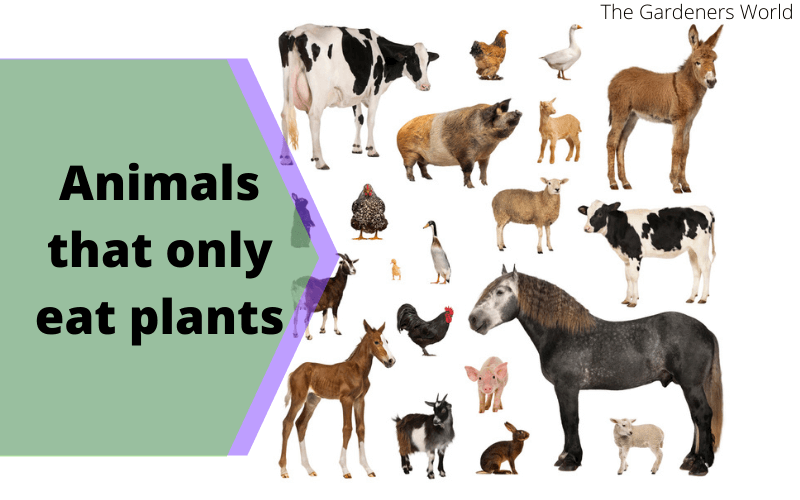
    Animals That Only Eat Plants | List of Herbivores Animals

    What is an herbivore? Animals that only eat plants are called herbivores. Herbivores mostly eat plants to get energy. They need lots of energy to live for example cows, sheep and eat all day long to keep them active. Herbivores have evolved digestive systems which are capable of digesting large amounts of plans. The plants are high in fiber and starch, and they provide the main energy source for the herbivores as they need lots of energy. 

    We can classified herbivores into four groups

    • Frugivores
    • Granivores
    • Nectivores
    • Folivores

    Frugivores

    mostly eat raw fruits. Approximately 20% of the mammalians are frugivores and they eat fruit. Frugivores not only eat fruits they also eat leaves and seeds, but they mostly eat fruit. Some frugivores are Chipmunk, Chimpanzee, Lemur, Gibbon.

    Granivores

    Granivores are also known as seed predation as they eat seeds. Most of the granivores are birds such as Parrot, Finches, Quail & Doves.

    Nectivores

    The species that eat honey are called nectivores. Most of the birds are nectivores in addition there are some insects that are nectivores. 

    Folivores

    Folivores are the species that eat plants as their major food. Elephants, sloths, some monkeys are folivores. Join us to find out some animals that only eat plants.

    Animals That Only Eat Plants

    Deer

    Is deer herbivore? Yes, deer is an herbivore as the main diet of a deer is plants including fruits, nuts and twigs, weed, mushrooms, and moos. A deer usually ear approximately two pounds of plants a day. The digestive system of a deer isn’t that good. A deer can’t eat over food as this can cause enterotoxemia. Different types of deer have different diets. Also, you will be surprised to know that some deer eat meat like other herbivores but this is a very uncommon behavior of a deer.

    Deer

    Classification of deer:

    Kingdom: Animalia 

    Phylum: Chordata 

    Class: Mammalia 

    Order: Artiodactyla 

    Infraorder: Pecora 

    Family: Cervidae

    Cow

    Cows are examples of herbivores. The main diet of a cow are plants. Cows eat plants and get energy from them. The stomach of a cow is different from other animals. Their stomach is made of four parts and they have different rules to process the food for the cow.

    The digestive system of a cow can only process plants. If you feed cow meat they might get sick. The unique digesting system made them great herbivores.

    The key reason cows are herbivores:

    • Their digestive systems are designed for digesting grass and foliage
    • Their teeth are dull and designed to process plants, not tough meat.
    COW

    Classification of cow

    ​​Kingdom: Animalia 

    Phylum: Chordata 

    Class: Mammalia 

    Order: Artiodactyla 

    Family: Bovidae 

    Subfamily: Bovinae 

    Genus: Bos 

    Species: B. taurus

    Elephant

    The main diet of an elephant are roots, grass & fruit. An adult elephant can eat up to 300 pounds of food in a day which is necessary for its huge body. An elephant doesn’t sleep that much as they need to have a large amount of food for their huge body. African elephants are the biggest elephant in the plants. Asian elephants are also big but they are slightly smaller than African elephants. An elephant can live up to 70 years and the estimated weight of an elephant is around 2.5 tons. For their diet habit elephants are considered an herbivore.

    Elephant

    Classification of an elephant:

    Kingdom: Animalia 

    Phylum: Chordata

    Class: Mammalia 

    Order: Proboscidea 

    Family: Elephantidae 

    Subfamily: Elephantinae

    Goat

    We are all familiar with goats as they are domestic animals. Also, most of us are also aware of the food habit of a goat. The main food of a goat is green grass. This is enough to make a goat herbivore. Some of the mountain goats eat mosses besides grass but still, they are herbivores. Gots stomach is the same as a cow with 4 chambers. 

    Domestic goats can be found all over the world, but the mountain goat can be found in the Rocky Mountains in Alaska, western Montana, South Dakota, Colorado & Washington.

    Goat

    Classification of a goat:

    Kingdom: Animalia 

    Phylum: Chordata 

    Class: Mammalia 

    Order: Artiodactyla 

    Family: Bovidae 

    Subfamily: Caprinae 

    Genus: Capra 

    Species: C. hircus

    Horse

    Horses are naturally grazer and their main diet is grass hay or haylage. They must consume lots of fiber to keep their digestive tract working and they must eat little and often, almost all day long. People usually keep the food bucket near their horse as they eat after sometimes a wild horse can graze for 15-17 hours per day. Now we can say that horses are herbivores.

    Horse

    Classification of a horse:

    Kingdom: Animalia 

    Phylum: Chordata 

    Class: Mammalia 

    Order: Perissodactyla 

    Family: Equidae 

    Genus: Equus 

    Subgenus: Equus 

    Species: E. caballus

  • What Are Some Dicot Plants Examples?

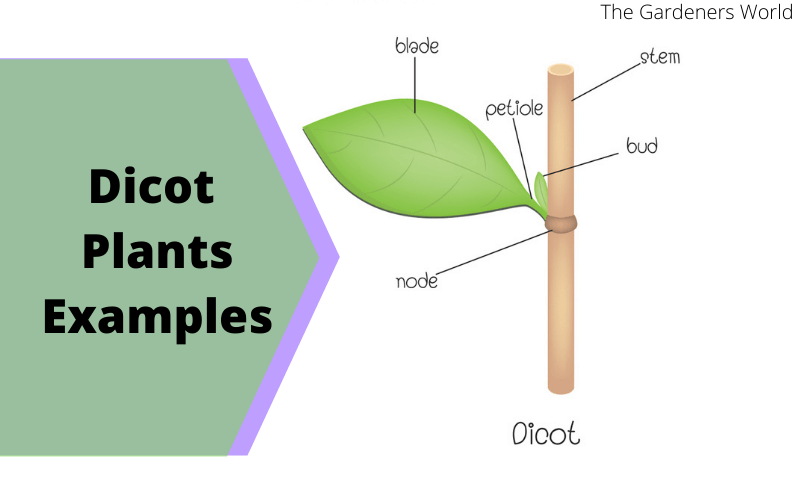
    What Are Some Dicot Plants Examples?

    Dicots

    Plants can be separated into two categories. One is Monocots and the other is Dicots. Many common gardens plants and trees are called Dicots. Dicot is a category of flowering plants or angiosperm with a pair of leaves. Dicot is also known as cotyledons. 

    Monocots

    Plants that having seeds and contain a single leaf are known as Monocots. 

    Join us and check 13 dicot plants examples:

    An infographic of Top 5 Examples of Dicot Plants

    Oak trees

    Oak Tree

    Oak trees are a type of dicot plant, which means that they have two cotyledons, or seed leaves. This is in contrast to monocot plants, which only have one cotyledon. Oak trees are also characterized by their deep roots, which helps them to anchor themselves in the ground and withstand strong winds.

    There are many different species of oak tree, but they all share some common characteristics, such as alternately arranged leaves and acorns. Oak trees are an important source of food for many animals, including squirrels, deer, and birds.

    Classification

    Kingdom: Plantae

    Clade: Tracheophytes

    Order: Fagales

    Family: Fagaceae

    Subfamily: Quercoideae

    Genus: Quercus L.

    Daisies

    Daisy

    Daisies belong to the dicots class of plants. So, daisies have two seed leaves, when they germinate. They also tend to have flowers with four or five petals, and their leaves are usually arranged in pairs along the stem.

    Daisies are a very popular type of flower, and you’ll find them in various colors, including white, yellow, pink, and purple. You”ll see them being used in bouquets and floral arrangements, and they are also a popular choice for gardens.

    Scientific name: Bellis perennis

    Higher classification: Bellis

    Rank: Species

    Family: Asteraceae

    Kingdom: Plantae

    Order: Asterales

    Peas

    Peas

    Most people are familiar with peas as a tasty addition to their dinner plate. However very few people know that they are actually a dicot plant.

    Peas belong to the legume family, which includes other well-known plants such as beans and peanuts. Now, legumes are unique as they’re able to form a symbiotic relationship with nitrogen-fixing bacteria.

    That means they’re able to convert atmospheric nitrogen into a form that can be used by plants. That will enrich the soil and improve plant growth. 

    Classification 

    Kingdom: Plantae

    Clade: Tracheophytes

    Order: Fabales

    Family: Fabaceae

    Genus: Pisum

    Species: P. sativum

    Binomial name: Pisum sativum L.

    Asiatic pennywort

    Asiatic Pennywort

    Asiatic pennywort (Centella Asiatica) is a fast-growing, creeping dicot plant. It is native to tropical wetlands in Asia and has small, round leaves, and produces white or pink flowers. You can use it in containers or hanging baskets. Pennywort prefers moist soil and does not tolerate drought.

    You should fertilize it monthly during the growing season. You have to remember that Pennywort is susceptible to several diseases, including root rot, leaf spot, and powdery mildew. It is also attractive to slugs and snails.

    The health benefits of Asiatic pennyworth are numerous. Many Asian legends were associated with Asiatic pennywort. This is also used on skincare products as it makes the skin smooth and strengthens. Asiatic pennywort can protect our immune system from high blood pressure. 

    Scientific classification:

    Kingdom: Plantae

    Clade: Tracheophytes

    Order: Apiales

    Family: Apiaceae

    Genus: Centella

    Species: C. asiatica

    Guava

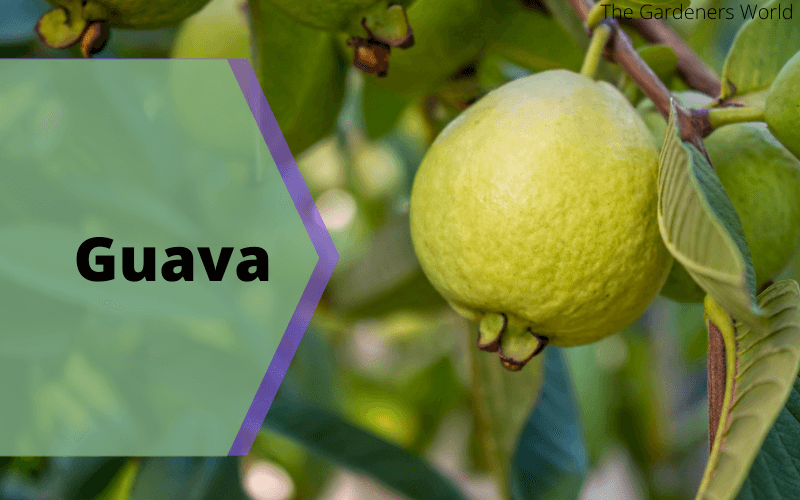
    Guava

    You’ll find this dicot plant in many home gardens. You can easily take care of it and it’s amazing that it produces an abundance of fruit. Guava is a great addition to any garden, because it provides both beauty and delicious fruit. The tree is small to medium in size and has dark green leaves.

    The flowers are white and have a strong fragrance. The fruit is oval-shaped and can be either green or yellow when ripe. The flesh of the fruit contains small seeds that are edible.  

    Scientific classification: 

    Kingdom: Plantae

    Clade: Tracheophytes

    Order: Myrtales

    Family: Myrtaceae

    Genus: Psidium

    Species:P. guajava

    Scientific name: Psidium guajava L

    Sunflower

    Sunflower

    This one’s my personal favorite. They’re big and beautiful, and they always make me think of summer. Did you know that sunflowers are classified as a dicot? yes, they are as they have two seed leaves.

    Though dicots are typically more difficult to grow than monocots, but sunflowers an exception and easy maintenance. Just make sure you plant them in a sunny spot and give them plenty of room to grow. 

    Classification:

    Scientific name: Helianthus

    Kingdom: Plantae 

    Order: Asterales 

    Family: Asteraceae 

    Subfamily: Asteroidea 

    Genus: Helianthus

    Maple Trees

    Apart from being dicot, most maple trees are deciduous, which means that they lose their leaves in the fall.

    There are more than 100 species of a maple tree, and you’ll find them in countries all over the world. Maple trees are popular because of their beautiful leaves, and because they produce a sweet syrup. The syrup is made by tapping the tree and collecting the sap.

    The sap is then boiled to remove water, and it is ready to eat. You can use the syrup on pancakes, waffles, oatmeal, and more.

    Scientific classification:

    Kingdom: Plantae

    Clade: Tracheophytes

    Order: Sapindales

    Family: Sapindaceae

    Subfamily: Hippocastanoideae

    Genus: Acer L.

    Clover

    Clover

    Classified as dicot, the clover plant is a low-growing herbaceous plant that you can use as a  green manure crop. You’ll find them susceptible to drought and may need occasional irrigation during dry periods.

    Many mistake it for weeds, but they can actually be quite attractive in the right setting. As they also fall into the category of C3 plants, they can be beneficial for the garden as they can attract bees and other useful insects with their bloom. Clovers can grow 4 to 8 inches. 

    Scientific classification:

    Kingdom: Plantae

    Clade: Tracheophytes

    Order: Fabales

    Family: Fabaceae

    Subfamily: Faboideae

    Tribe: Trifolieae

    Genus: Trifolium L.

    Hollyhocks

    Hollyhocks

    Is it possible to not love their big, dramatic blooms in shades of pink, red, and purple? And they’re so easy to grow! Just give them some sun and well-drained soil, and they’ll do the rest. Now, these dicot plants can get pretty tall, so please give them plenty of space.

    Also, these plants make a great backdrop for shorter plants in the garden. And if you cut some of the flowers and bring them inside, they’ll light up your home as well.

    Scientific classification:

    Kingdom: Plantae

    Clade: Tracheophytes

    Order: Malvales

    Family: Malvaceae

    Subfamily: Malvoideae

    Tribe: Malveae

    Genus: Alcea L.

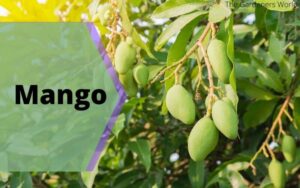
    Mango

    Mango

    With its large, bright green leaves and its sweet-smelling fruit, it’s no wonder that the mango is such a beloved dicot tree. In America, there are the most common five varieties of mango widely available. They are Alphonse, Edward, Kesar, Manila, Palmer .

    The fruit of the mango tree is delicious, and you can make use of in a variety of ways – from eating fresh to using in juices, jams, and chutneys. The wood of the mango tree is also valuable, and can be used to make furniture and other wood products.

    Scientific classification:

    Kingdom: Plantae

    Clade: Tracheophytes

    Order: Sapindales

    Family: Anacardiaceae

    Genus: Mangifera

    Species: M. indica

    Papaya

    Papaya

    The papaya tree is actually a member of the dicot family. And like the other members of the same family, they have two cotyledons, when they sprout from their seed.

    You’ll love the fact that the papaya tree grows quickly and can reach up to 20 feet tall. It has large, palm-like leaves and a trunk that is filled in brownish-orange bark. The fruit itself is spherical or pear-shaped and has a soft, fleshy texture. Papaya is native to Mexico but it can be found all over the world nowadays. Papaya contains:

    • Calories
    • Carbohydrates
    • Fiber
    • Protein
    • Vitamin C
    • Vitamin A
    • Folate 
    • Potassium

    Classification:

    Scientific name: Carica papaya

    Kingdom: Plantae 

    Clade: Tracheophytes 

    Order: Brassicales 

    Family: Caricaceae 

    Genus: Carica 

    Species: C. papaya

    Almond

    Almond

    Almonds are examples of dicot plants that are native to the middle east, but almonds are the most popular nut all over the US. Almonds are popular for their health benefits. They contain vitamins, minerals, protein, and fiber which are very beneficial for the human body. Almonds are high in fat, but it is unsaturated fat which does not increase the risk of LDL (low-density lipoprotein). Almond can reduce the risk of heart disease and cancer. Almonds contain:

    • Calories
    • Carbohydrates
    • Fiber
    • Protein
    • Calcium
    • Iron

    Classification: 

    Scientific name: Prunus amygdalus

    Kingdom: Plantae 

    Clade: Tracheophytes 

    Order: Rosales 

    Family: Rosaceae 

    Genus: Prunus 

    Species:P. amygdalus

    Plum

    Plum

    Plums are extremely nutritious and they contain many nutrients such as vitamins, minerals, fiber, and many other nutritious elements. I especially love European plums, like the Italian prune plum. They are so sweet and flavorful. I also like to use them in baking.

    Plums contain vitamins and minerals such as:

    • Calories
    • Carbs 
    • Fibe
    • Sugars
    • Vitamin A
    • Vitamin C
    • Vitamin K
    • Potassium

    Classification:

    Scientific name: Prunus domestica

    Kingdom: Plantae 

    Clade: Tracheophytes 

    Order: Rosales 

    Family: Rosaceae 

    Genus: Prunus

    Conclusion

    In this article, we have discussed 13 plants. Hope that this was very helpful for you. If you are confused about any other plants if they are dicot or not let me know in the comment. I will try to reply to them.

  • Are Plants Multicellular | Plants Cell Structure

    Are Plants Multicellular | Plants Cell Structure

    Are plants multicellular?

    The answer is a resounding yes. Because plants are made of multiple cells. And each cell has a very particular job to complete. 

    All the cells have organelles that do a specific task to help the cell function. To give an example, the nucleus controls what’s going on inside the cell, while chloroplast deals with using sunlight to create food for the plant. And there’s also a nuclear membrane to keep all the organelles together. 

    Now, all the cells can communicate between them to keep the plants growing and surviving. And since each of them has unique specialties, they can be a bit difficult to understand initially. 

    Nevertheless, overall, it can be said without any doubt that plants are multicellular. 

    How Plants Grow And the Cell Division Process

    As we’re aware already, multicellular organisms like plants grow by dividing their cells. But what is cell division? It’s a very special process where a cell splits into two or more cells. This method of cell division is absolutely vital for the continuous growth of plants. Plant cells can split up in various ways, which will be decided by the nature of the cell. 

    However, most cells use the mitosis method for cell division. That said, some can use miosis as well. DNA has a vital role in the cell division process as the cell starts to divide only when the DNA is replicated. In the initial stage, the chromosomes will come and take place in the center. After that, the cell will split into 2 parts. Both parts will contain a chromosome each. The spindle fibers in plant cells play an important role in ensuring that the genetic content remains separate. Then, a new cell gets birth from each of them. 

    It’s important to note that, cell division is no arbitrary process, and is closely controlled by the plant itself. The cells go through the division only when it’s required. Uncontrolled cell production by division will give rise to many problems and diseases. 

    Plant Cell Structure

    When it comes to the structure of plant cells, you’ll find it quite complex. It has many unique features that sets it apart from other types of cells.

    Anatomy of a plant cell:

    Cell wall

    Chloroplasts

    Endoplasmic Reticulum

    Nucleus

    Plasma Membrane
    Plant Cell Structure


    Cell wall:

    Cell wall

    The cell wall is a strong, rigid layer that protects it from damage. This part of the cell also comes in handy when maintaining the cell shape. It also becomes useful in controlling the nature of molecules getting inside and out of the cell. The wall is porous and facilitates the passage of small molecules, including water, oxygen, and nutrients. It allows plants to absorb water and nutrients from the soil.

    The elements of the plant cell wall feature cellulose, pectin, cross-linking glycan, plasma membrane, cellulose microfibrils.

    Chloroplasts:

    Chloroplasts

    You can find Chloroplasts in green plants. These are crucial for the photosynthesis process that makes it possible for the plants to create their own food.  An important thing is the density of chloroplasts as they’ll dictate the amount of photosynthesis that takes place. Chloroplasts contain inner membrane,  stroma, stroma lamellae, outer membrane, granum, and thylakoid.

    Endoplasmic Reticulum:

    Endoplasmic Reticulum

    The endoplasmic reticulum a network of membrane-bound chambers that are key for cellular function. It also takes part in processing and transporting several biochemical compounds inside and outside of the cell. 

    Nucleus

    Nucleus

    You’ll find this round organelle in all the plant cells without any exception. The duty of Nucleus is to control all the activities within the cell, including important tasks such as reproduction and cell division.  You’ll find contents Chromatin, Nucleolus, Ribosomes, Endoplasmic reticulum in nucleus.

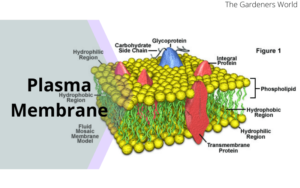
    Plasma Membrane

    Plasma Membrane

    It is a thin, barrier that’s quite flexible as well. It borders the cells of all the plants. The plasma membrane kinda works like a guard, as it controls what will go in and out of the cell. It’s made with phospholipid bilayer, with proteins embedded in it.

    Comparison Between Unicellular and Multicellular Organisms

    There are many differences between them. We’ll discuss these differences here. 

    Number of Cells

    The main difference between unicellular and multicellular organisms is the number of cells they contain.

    Unicellular organisms are single-celled, on the other hand, multicellular organisms are composed of many cells.

    Complexity

    Multicellular organisms are more complex, and can carry out more complex functions than unicellular organisms.

    For example, multicellular organisms can move, whereas unicellular organisms generally cannot.

    Multicellular organisms can also have specialized cells that perform specific functions, whereas unicellular organisms usually do not.

    Size

    Multicellular organisms are generally larger than unicellular organisms.

    Are There Any Advantages of being Multicellular?

    Yes, there are numerous advantages. They are:

    • Helps with efficient nutrient uptake

    multicellularity allows for a greater surface area to volume ratio, which means that there is more surface area available for the absorption of nutrients.

    • The ability to specialize in different functions

    Some cells may be specialized for the absorption of nutrients while others are specialized for the excretion of waste products. This division of labor makes the entire system more efficient.

    • Protection from predators and the environment

    Multicellularity offers protection as specialized cells can form barrier tissues that protect the organism as a whole. And individual cells are less likely to be damaged or destroyed when surrounded by other cells. It also enables organisms to grow much larger than single cells, which increases their chances of survival in a tough environment.

  • Accidentally Sprayed Bleach On Plants | Ultimate Effects

    Accidentally Sprayed Bleach On Plants | Ultimate Effects

    Bleach is a chemical product that is used to cleaning or remove the color from fabric. 

    What if someone accidentally sprayed bleach on plants? 

    Three types of bleach

    types of bleach

    Chlorine bleach: Chlorine bleach contains sodium hypochlorite. Chlorine bleach used for generations to disinfect all kinds of environmental surfaces. This bleach can be used to prevent the spread of diseases. 

    Oxygen bleach:  Oxygen bleach usually contains hydrogen peroxide such as sodium perborate or sodium percarbonate. This is used to removes stains and brightens.

    Bleaching powder: Bleaching powder is basically calcium hypochlorite. Bleaching powder is used for cleaning dirty clothes in the laundry. Also, it is used as a disinfectant to make potable water.

    Sprayed bleach on plants

    Bleach will not affect your plant’s growth. But if you accidentally sprayed bleach on plants they may suffer from chlorine toxicity and may die. 

    Effects on soil 

    As bleach works well for the cleaning process this will kill many necessary organic materials like bacteria and fungi which provide aeration in the soil. Those bacteria and fungi are very important for healthy plants to grow. If they are being killed the plants will die very soon. 

    Also bleach decrease the PH level of the soil and plants can’t grow and survive after applying bleach. 

    Effects on Leaves 

    Affect on bleach

    If the bleach is sprayed on leaves they will turn white color very quickly. Bleach will burn the cells of leaves and oxygen will combine with cell protein which causes a quick decompose. The leaves will die very soon. Leaves are the primary source of photosynthesis. The plants feed themselves in this photosynthesis process. This process turns sunlight into sugars which helps plants to grow and survive. If the leaves of your plants got affected the plants will die very soon. 

    What to do to minimize the damage

    If accidentally bleach sprayed remove the plants quickly with a little soil. Plant them in another safe place. 

    You need to rinse your plants immediately with clear water. The water will wipe the bleach and prevent the leaf from scorching. 

    Remove the affected parts of the plants if the plant got affected directly.

    You may like to read: Does bleach kill spiders

  • How To Make Leaf Mould | Fast And Easy Step

    How To Make Leaf Mould | Fast And Easy Step

    Leaf mould is a decomposed organic natural soil improver for the garden which made from the autumn broken leaves. Bacteria & fungi decompose those leaves and turn them into a very useful ingredient for potting soil or compost. You can make leaf mould for your garden by free fallen autumn leaves. Today I will share how to make leaf mould in very fast and easy steps.

    How To Make Leaf Mould

    Step 1: Find the right leaves

    In autumn lots of leaves will fall from the tree. Almost all leaves will turn into leaf mould over time. But there are some leaves out there that will break most quicker with little effort. According to the research, Oak and Beech leaves are broken down more easily. 

    Holly, conifers, pine needles and other evergreen leaves shouldn’t be used for leaf mould as they can slow down the process. Below you will find some examples of them.

    Quick breaking leaves: Ash, Beech, Birch, Cherry, Elm, Hornbeam, Lime, Oak, Poplar, Willow

    Slow braking leaves: Hawthorn, Maple, Magnolia, Sycamore, Horse chestnut

    Evergreen leaves: Aucuba, bay, Holly, Laurel, Photinia, Rhododendron, Skimmia

    Step 2: Collecting leaves 

    Collecting leaves isn’t an easy process. You can collect the leaves from your garden and other public places. Try to avoid the roadside as the leaves might be nasty and polluted. Also, they may contain toxins and oils from cars which can take longer o to dissipate. Also, those roadside leaves aren’t good for your vegetable beds. 

    You can use leaf blowers to make the job easier. You can purchase a blower from this link

    Collect the leaves and store them in a bag for the next process.

    Step 3: Build a leaf bean

    In order to store the leaves, you need to create a leaf bean. You can create a square bin or cage by using fenc or net. Build a bean in an open space of your garden.

    To make the bean you can use four wooden frames or bamboo for supporting the four corners of the frame. Keep the bean at least 1 meter wide and 1 meter high. 

    Leave molding is a very long process, to speed up the process turn the leaf regularly so that the rainwater can go through easily and help to break down the leaves. Also, you can lightly water them if they are drying. This will make the process faster. You definitely need to check the mold otherwise it may take 2-3 years to get the leaves mold.

    Step 4: How to find out if the mold is ready

    As this is a lengthy process you need to wait a long period to get a proper leaves mold. When the mold is soft and crumbles this is ready to use in a soil mixer. 

    How To Use Your Leaf Mold

    How To Use Your Leaf Mold

    Previously we have learned how to make leaf mold, now you will learn how you should use your leaf mould. When you have identified that the mold is ready you can use them in your garden.